Table of Contents
- Introduction
- The Science of the Skin Barrier
- Signs You Are Over-Moisturizing
- Can Too Much Moisturizer Actually Cause Dryness?
- Finding Your "Goldilocks" Amount
- The Importance of the Complete Ritual
- Correcting the Over-Moisturizing Cycle
- Choosing Ingredients Wisely
- Professional Guidance and Personalization
- Conclusion
- FAQ
Introduction
In our quest for that elusive, dewy "glass skin" glow, many of us have adopted a "more is more" philosophy when it comes to hydration. We layer serums, oils, and thick creams, believing that if a little moisture is good, a lot must be better. However, you might find yourself in a frustrating paradox: despite your multi-step routine, your skin still feels tight, looks flaky, or has developed unexpected bumps. At Yon-Ka Paris, we have spent seven decades studying the delicate balance of the skin’s ecosystem, and we know that over-moisturizing is a very real phenomenon.
This article explores the science behind the skin barrier, how excessive product use can lead to "lazy skin," and the tell-tale signs that you are overdoing it. We will also provide a roadmap for restoring balance through a mindful, phyto-aromatic ritual. While it seems counterintuitive, applying too much moisturizer can indeed compromise your skin's health, leading to the very dryness and irritation you were trying to avoid.
Quick Answer: Yes, too much moisturizer can dry out your skin by signaling your sebaceous glands to slow down natural oil production and by trapping dead skin cells on the surface. This creates a cycle of "lazy skin" where the barrier becomes dependent on external products and loses its ability to self-regulate.
The Science of the Skin Barrier
To understand why excessive moisture backfires, we must first look at the stratum corneum, the outermost layer of your skin. Think of this layer as a brick wall: the skin cells (corneocytes) are the bricks, and a mixture of lipids, ceramides (fats that hold skin cells together), and natural moisturizing factors (NMF) act as the mortar.
This barrier has two primary jobs: keeping moisture in and keeping irritants out. When you apply a moisturizer, you are supporting this "mortar." However, when the skin is constantly drenched in heavy occlusives—ingredients like waxes or heavy oils that create a seal—it can disrupt the natural shedding process.
The "Lazy Skin" Phenomenon
The skin is a highly intelligent, self-regulating organ. It constantly monitors its own hydration levels. When you provide an excessive, artificial surplus of moisture, your skin receives a signal that its job is already done. This can lead to a decrease in the production of essential lipids and proteins that the skin normally creates to stay healthy.
Over time, this makes the skin "lazy." It stops working to maintain its own barrier, and as soon as you stop applying that heavy cream, the skin feels drier than ever before. This often leads users to apply even more product, creating a cycle of dependency that weakens the skin's natural resilience.
Microscopic Barrier Breakdown
There is also a physical risk to over-moisturizing known as skin maceration. In clinical terms, this occurs when skin is exposed to moisture for too long, causing it to soften and break down—similar to how your skin looks after a long soak in a bathtub. On a microscopic level, excessive moisturizer can cause the "mortar" between your skin cells to become too fluid, making the barrier leaky. This allows transepidermal water loss (TEWL)—where water evaporates out of the skin—to actually increase, resulting in a parched, irritated complexion.
Signs You Are Over-Moisturizing
It can be difficult to distinguish between skin that is naturally dry and skin that is reacting to too much product. However, there are several red flags that suggest your moisturizing habit has gone overboard.
- Persistent Clogged Pores: If you are experiencing blackheads or small white bumps despite a thorough cleansing routine, your moisturizer may be too heavy or applied too frequently.
- Milia: These are tiny, hard white cysts that often appear around the eyes or cheeks. They occur when keratin and dead skin cells become trapped under the surface, often due to heavy creams that prevent natural exfoliation.
- A "Shiny" But Tight Feeling: If your skin looks oily or slick but feels tight or uncomfortable underneath, you likely have a barrier imbalance caused by over-application.
- Sudden Sensitivity: A compromised barrier is more permeable to environmental irritants. If products that used to feel fine now cause tingling or redness, your skin might be "waterlogged" and vulnerable.
- Balling or "Pilling" of Product: If your cream rolls off into small balls when you touch your face 15 minutes after application, your skin has reached its saturation point and cannot absorb any more.
Key Takeaway: Proper hydration is about absorption, not accumulation. If the product sits on the surface without sinking in, it is likely suffocating the skin rather than nourishing it.
Can Too Much Moisturizer Actually Cause Dryness?
It seems like a contradiction, but the answer is yes. Beyond the "lazy skin" effect, over-moisturizing can trap dead skin cells. Normally, dead cells flake off in a process called desquamation. When the skin is constantly coated in heavy creams, these dead cells get "glued" to the surface.
This buildup of dead cells creates a dull, rough texture that looks and feels like dryness. Because the skin feels rough, many people reach for more moisturizer, which only further cements the dead cells in place. This prevents fresh, hydrated cells from reaching the surface and blocks active ingredients from penetrating.
The Role of Essential Oils and Balance
At Yon-Ka, we believe in the power of phyto-aromatic therapy to encourage the skin to find its own equilibrium. Our signature Quintessence—a blend of lavender, geranium, rosemary, cypress, and thyme—is designed not just to sit on the skin, but to revitalize it. For a closer look at that ingredient philosophy, explore our ingredients.
Unlike synthetic heavy-hitters that simply coat the surface, these essential oils help to stabilize the skin’s natural functions. When used in the correct concentrations within a balanced ritual, they support the skin’s ability to "breathe" and regenerate without becoming dependent on external greasiness.
Finding Your "Goldilocks" Amount
So, how much is the right amount? While every individual’s needs vary based on age, climate, and hormones, there are general guidelines to help you avoid the pitfalls of over-application.
The Nickel Rule
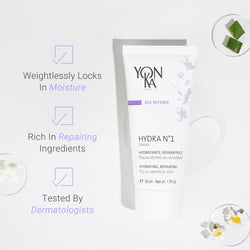
For the entire face and neck, a nickel-sized amount of moisturizer is generally sufficient. If you are using a concentrated professional formula, like Hydra N°1 Crème, you may even need less—a dollop the size of a large pea or a pencil eraser is often enough for the face alone.
The "Wait and See" Test
Apply your moisturizer and wait 15 to 20 minutes. If your skin still feels greasy or "slick" to the touch, you have applied too much. Your skin should feel soft, supple, and "bouncy," but not wet.
Climate and Seasonal Adjustments
Your skin’s needs change with the environment. In a humid summer, you might only need a light fluid like Nude Perfect Fluide, which offers a blur effect and hydration without weight. In a dry, freezing winter, you might transition to a richer cream or add a few drops of Nutri + Booster to your existing moisturizer to provide extra lipids without suffocating the pores.
Note: When introducing any new botanical formula, we always recommend a patch test on the inner forearm for 24 hours. While a slight, temporary tingling can be a normal sign of essential oils at work, persistent redness means you should reduce frequency or consult your professional aesthetician.
The Importance of the Complete Ritual
Avoiding dryness isn't just about the moisturizer itself; it’s about the steps that come before it. If you apply the world's best cream to skin that hasn't been properly prepared, you are wasting the product and risking congestion.
Step 1: Respectful Cleansing
The ritual must begin with a gentle, barrier-respecting cleanse. Using harsh, stripping soaps can cause "rebound" dryness, leading you to over-moisturize to compensate. Lait Nettoyant, our iconic cleansing milk, removes impurities while maintaining the skin's delicate pH and lipid balance.
Step 2: The Phyto-Aromatic Prep
One of the most common mistakes is applying moisturizer to bone-dry skin. When skin is slightly damp, it is significantly more permeable. This is where Lotion Yon-Ka becomes essential. This alcohol-free mist saturates the skin with the Quintessence and prepares it to receive subsequent treatments. By misting first, you’ll find you need much less moisturizer to achieve the same result.
Step 3: Targeted Treatment
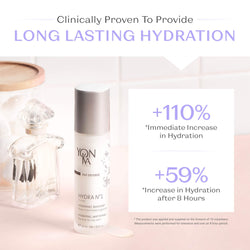
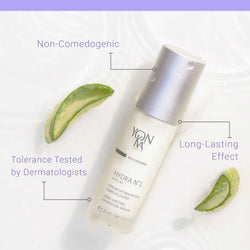
Before the moisturizer, apply a targeted serum. Serums contain smaller molecules designed to penetrate deeper. If your concern is dehydration (a lack of water), a serum rich in hyaluronic acid—a powerful humectant that can hold up to 1,000 times its weight in water—like Hydra N°1 Serum is more effective than piling on a thick, oily cream.
Step 4: The Right Moisturizer
Finally, apply a moisturizer suited to your specific skin type. If you want to explore the full range, start with our face moisturizers.
- Oily Skin: Needs water, not oil. A light, water-based gel or fluid is best.
- Dry Skin: Needs lipids and ceramides. A richer cream will help repair the barrier.
- Combination Skin: May require "multi-moisturizing"—a lighter product on the T-zone and a richer cream on the cheeks.
Correcting the Over-Moisturizing Cycle
If you suspect your skin has become "lazy" or congested from too much product, it's time for a reset. You don't need to stop skincare altogether, but you do need to simplify and clarify.
The Weekly Exfoliation
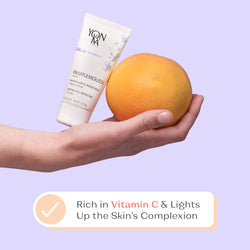
To break the cycle of trapped dead skin cells, gentle exfoliation is non-negotiable. However, avoid harsh scrubs that can cause micro-tears. Gommage Yon-Ka is a grain-free, botanical peel that uses citrus extracts to gently lift away dead cells without irritation. Regular use ensures your moisturizer actually reaches the living skin cells where it's needed.
The "Skin Fast"
For 3 to 5 days, try stripping your routine back to the essentials: a gentle cleanser, a mist, and a very light application of a simple moisturizer and sunscreen. This gives your skin the "space" it needs to begin producing its own natural oils again. Once the skin begins to feel more balanced and less "suffocated," you can gradually reintroduce targeted treatments one at a time.
Myth: "Oily skin doesn't need moisturizer." Fact: Oily skin can still be dehydrated. If you skip moisturizer entirely, your skin may produce more oil to compensate for the lack of water. The key is using a non-comedogenic (pore-cleansing) formula that provides hydration without adding unnecessary grease.
Choosing Ingredients Wisely
When selecting products, look for "smart" ingredients that support the barrier rather than just masking dryness.
- Hyaluronic Acid: A humectant that draws moisture from the air into the skin. It provides deep hydration without a heavy feel.
- Ceramides: These are essential lipids that naturally occur in the skin. They help "seal" the bricks of your skin barrier, preventing water loss.
- Aloe Vera: A soothing botanical that provides immediate hydration and calms inflammation.
- Grape Seed Oil: A lightweight oil rich in antioxidants that nourishes the skin without clogging pores.
Our phyto-aromatic formulation philosophy is designed around this kind of balance, pairing botanical comfort with skin-supporting actives. Our Time Resist range, for example, utilizes plant stem cells and specialized peptides—chains of amino acids that serve as building blocks for proteins like collagen—to support the skin's structural integrity. This approach focuses on long-term resilience rather than a temporary "quick fix" of surface grease.
Professional Guidance and Personalization
Skincare is never one-size-fits-all. What works for a friend in a humid coastal city may not work for you in a dry, high-altitude climate. This is why Yon-Ka remains deeply rooted in the professional spa world. If you want a more hands-on routine reset, our Hydralessence treatment is designed to support skin that needs intense hydration and comfort.
If you are unsure whether your skin is truly dry or just over-moisturized, we invite you to use our Skin Diagnosis quiz or the Product Matcher available on our website. For a more in-depth analysis, visiting a Yon-Ka partner spa allows a licensed aesthetician to analyze your skin under magnification and recommend a precise ritual. You can find a Yon-Ka spa near you.
Bottom line: Healthy skin should feel like skin—not like paper and not like silk. Aim for a "comfortable" complexion that looks vibrant and clear, achieved through consistent, moderate care rather than excessive application.
Conclusion
The secret to a radiant complexion isn't found in the quantity of product you apply, but in the quality and consistency of your ritual. While it is tempting to drench the skin in heavy creams at the first sign of a flake, remember that balance is the ultimate goal. By respecting your skin's natural ability to self-regulate and choosing phyto-aromatic formulas that support—rather than replace—its functions, you can avoid the trap of "lazy," dehydrated skin.
At Yon-Ka Paris, we believe that skincare is a ritual worth savoring, a moment of connection between your senses and the power of nature. For over 70 years, we have championed this balanced approach, combining French pharmaceutical rigor with the finest botanical ingredients. To go deeper into the heritage behind that philosophy, explore our brand story.
- Listen to your skin: If it feels "suffocated" or looks dull, try scaling back.
- Prioritize exfoliation: Ensure your products can actually penetrate the skin.
- Trust the ritual: Cleanse, mist, and treat before you moisturize.
To find your perfect hydration match, we encourage you to explore our Dry & Dehydrated Skin collection or take our online Skin Diagnosis to discover a ritual tailored specifically to your skin's unique needs.
FAQ
Can using too much moisturizer cause acne?
Yes, over-moisturizing can lead to breakouts by clogging pores and trapping bacteria, sweat, and dead skin cells against the skin. If your moisturizer is too heavy for your skin type, it can create an occlusive seal that prevents the skin from "breathing," leading to congestion and inflammatory acne.
How do I know if my skin is dry or just dehydrated?
Dry skin is a skin type that lacks oil (sebum), often feeling rough or flaky all over. Dehydrated skin is a temporary condition where the skin lacks water, often feeling tight but still looking oily or experiencing breakouts. Over-moisturizing often creates a situation where the skin appears dry due to dead cell buildup, even though the barrier is saturated.
Should I moisturize every day even if my skin feels fine?
Most dermatologists recommend moisturizing at least once a day to protect the skin barrier from environmental stressors like pollution and dry air. However, the type of moisturizer should match your skin's current state; if your skin feels healthy and balanced, a light fluid or mist may be all you need.
Why does my face feel tight after I apply moisturizer?
This can happen if you are using a moisturizer with high levels of humectants (like hyaluronic acid) in a very dry climate without an occlusive to seal it in. The humectant may actually pull moisture out of your skin. It can also be a sign of "lazy skin," where your barrier has become so weakened by over-moisturizing that it can no longer hold onto the hydration you provide.