Table of Contents
- Introduction
- The Science of How Moisturizers Work
- Can Hyaluronic Acid Actually Dry Out Your Skin?
- The Problem with Harsh Ingredients
- Why Your Application Method Matters
- The "Lazy Skin" Myth: Can You Use Too Much?
- Signs Your Moisturizer Is Failing You
- Refining Your Hydration Ritual
- The Importance of Exfoliation
- Environmental and Lifestyle Factors
- The Phyto-Aromatic Advantage
- When to See a Professional
- Conclusion
- FAQ
Introduction
It is a frustrating cycle many of us have experienced: your skin feels tight and parched, so you reach for a rich cream, only to find that an hour later, your face feels even drier than before. You might find yourself reapplying multiple times a day, searching for a relief that never seems to last. While it sounds like a contradiction, certain moisturizers—or how we apply them—can indeed contribute to a feeling of increased dryness.
At Yon-Ka Paris, we believe that true hydration is a delicate balance of plant chemistry and consistent ritual. In this article, we will explore why your current moisturizer might be failing you, the science behind "moisturizer-induced" dryness, and how to refine your routine for a supple, glowing appearance. Understanding the interplay between humectants, emollients, and your skin’s natural barrier is the first step toward lasting comfort.
The Science of How Moisturizers Work
To understand if a product is drying you out, we must first look at what a moisturizer actually does. Most formulations are a combination of three types of ingredients: humectants, emollients, and occlusives.
Humectants are like tiny sponges. They attract water. Ingredients like hyaluronic acid, glycerin, and urea pull moisture from the air and into the upper layers of the skin (the stratum corneum).
Emollients are the "smoothers." They fill in the tiny gaps between skin cells with lipids (fats), making the skin feel soft and flexible. Think of ingredients like squalane or plant oils.
Occlusives act as a physical shield. They sit on top of the skin to prevent transepidermal water loss (TEWL), which is the process of water evaporating into the environment. Common occlusives include beeswax, shea butter, and certain plant waxes.
If your moisturizer relies too heavily on one of these without the others, the balance is lost. For example, a product that is all humectant but has no occlusive "seal" may actually encourage water to leave your skin faster.
Can Hyaluronic Acid Actually Dry Out Your Skin?
Hyaluronic acid is celebrated as a hydration hero, capable of holding 1,000 times its weight in water. However, it is the most common culprit behind the "moisturizer paradox."
In a humid environment, hyaluronic acid pulls moisture from the air into your skin. But in dry climates—like a heated office in winter or a desert environment—there is no moisture in the air to grab. In this case, the humectant looks for the next best source: the deeper layers of your own skin. It pulls water upward to the surface, where it quickly evaporates if it isn't sealed in with a proper cream.
Quick Answer: Yes, moisturizer can dry out your skin if it contains high levels of humectants (like hyaluronic acid) without enough occlusive ingredients to lock that moisture in, especially in dry climates. This causes water to be pulled from the deeper layers of the skin and evaporated into the air.
The Problem with Harsh Ingredients
Sometimes it isn't the moisturizing agents themselves, but the other ingredients in the bottle that cause trouble. Many conventional products use additives that can subtly compromise your skin barrier over time.
Denatured Alcohols
Certain alcohols, like ethanol or isopropyl alcohol, are added to products to make them feel "weightless" or to help them dry quickly. While they provide a pleasant immediate texture, they are notorious for stripping the skin's natural oils. Over time, this weakens the barrier, leading to chronic dryness.
Synthetic Fragrances
"Fragrance" or "parfum" on an ingredient label can represent a cocktail of hundreds of undisclosed chemicals. For many people, these are irritants that cause low-grade inflammation. When the skin is inflamed, it cannot hold onto moisture effectively, leading to a cycle of dryness and sensitivity.
Sulfates and Strong Acids
If your moisturizer contains exfoliating acids (like salicylic or glycolic acid) and you use it every single day, you might be over-exfoliating. While these ingredients are excellent for brightness, using them in a daily moisturizer without a break can thin the skin barrier, making it impossible for the skin to retain its own natural hydration.
Why Your Application Method Matters
Even the most luxurious cream in the world will struggle to perform if it is applied to the wrong surface. One of the most common reasons moisturizer "dries out" the skin is that it is applied to bone-dry skin.
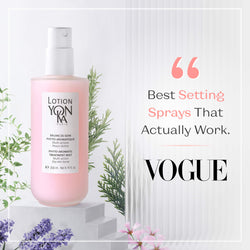
Skincare products are designed to trap moisture, not necessarily create it out of thin air. When you apply your cream to damp skin, you are giving the humectants a "decoy" water source to grab onto. This is why the misting step in the Yon-Ka ritual is so critical. By using a phyto-aromatic mist like Lotion Yon-Ka PS immediately after cleansing, you prepare the skin to receive the active ingredients in your serum and moisturizer.
Key Takeaway: Always apply your serums and moisturizers to slightly damp skin. This traps the moisture on the surface and prevents humectants from drawing water out of your deeper skin layers.
The "Lazy Skin" Myth: Can You Use Too Much?
There is a common theory in skincare circles that if you use too much moisturizer, your skin will "get lazy" and stop producing its own natural oils (sebum). While it is true that your skin’s feedback loops are complex, it doesn’t quite work like a mechanical switch.
However, slathering on an excessively thick, occlusive cream when your skin doesn’t need it can lead to a different problem. It can interfere with the natural shedding of dead skin cells (desquamation). When dead cells are "glued" down by heavy creams, they build up on the surface. This creates a dull, rough texture that feels dry to the touch, leading you to apply more cream, which only worsens the buildup.
Instead of more product, the solution is often better-quality ingredients that mimic the skin's natural lipid structure, such as those found in our Serum Omega.
Signs Your Moisturizer Is Failing You
If you aren't sure whether your product is the problem, look for these specific signs:
- The One-Hour Tightness: Your skin feels great immediately after application but feels tight or "pulled" just an hour later.
- The Invisible Film: The product feels like it is sitting on top of your skin rather than absorbing, yet the skin underneath still feels parched.
- Increased Redness: Your skin looks more flushed or irritated after you apply your "soothing" moisturizer.
- Flakiness Amidst Oil: You see flakes of dry skin, but your skin also looks shiny or feels greasy.
Refining Your Hydration Ritual
To stop the cycle of dryness, we recommend moving away from a "single-product fix" and toward a layered, botanical approach.
Step 1: Gentle Cleansing
Stop the dryness before it starts. If your skin feels tight after washing, your cleanser is too harsh. A creamy, barrier-respecting option like Lait Nettoyant cleanses without stripping away the essential lipids your skin needs to stay hydrated.
Step 2: Prepare with a Mist
Never skip the toning step. Lotion Yon-Ka (available in PS for dry skin and PNG for oily skin) is more than just a "toner." It is a phyto-aromatic infusion that floods the skin with moisture and the healing power of our signature Quintessence. This ensures your skin is damp and ready for the next step.
Step 3: Targeted Treatment
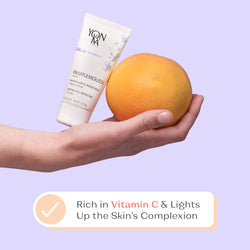
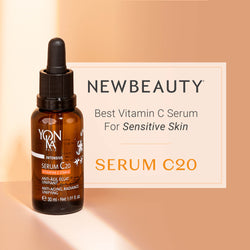
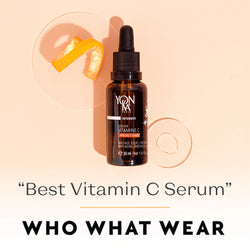
If your skin is chronically dry, a moisturizer alone may not be enough. Adding a serum can provide a concentrated dose of active ingredients. For those needing an antioxidant boost and visible brightening, Serum Vitamine C delivers stable Vitamin C. If your barrier feels compromised, a few drops of Serum Omega mixed into your cream can provide the extra nourishment required.
Step 4: The Right Moisturizer
Choose a cream based on your skin's actual needs, not just its "dryness."
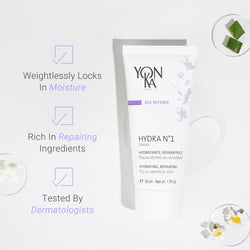
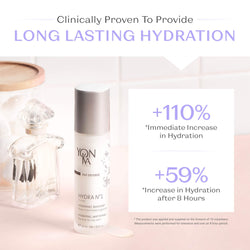
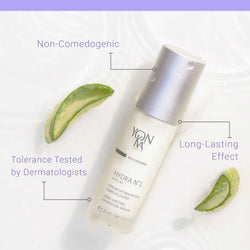
- For Dehydration: Hydra N°1 Creme provides long-lasting hydration with high and low molecular weight hyaluronic acid, paired with skin-repairing vitamins.
- For First Signs of Aging: Phyto 52 helps smooth the appearance of wrinkles while maintaining the moisture barrier.
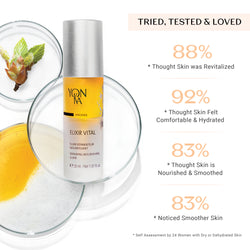
- For Intense Repair: During sleep, the skin works to repair itself. Elixir Vital supports this process, helping the skin look revitalized by morning.
The Importance of Exfoliation
If your skin remains dry despite every effort, the "Exfoliation Barrier" might be the cause. Dead skin cells are naturally dry. If they are allowed to accumulate, they form a waterproof shield that prevents your moisturizer from reaching the living cells underneath.
However, the answer is not harsh scrubbing. We recommend a gentle, grain-free approach. Gommage Yon-Ka is a botanical "peel" that uses carob and lime oil to gently lift away dead cells without irritation. Regular use (once or twice a week) ensures that your hydration products can actually do their job.
Environmental and Lifestyle Factors
While we often blame our bottles, our environment plays a massive role in skin hydration.
- Hot Water: Washing your face with hot water in the shower strips away the "mortar" of your skin barrier. Use lukewarm water only.
- Air Quality: Forced-air heating and air conditioning are moisture-killers. If you spend your day in an office or sleep with the heater on, a humidifier can save your skin by adding moisture back into the air.
- Diet and Nutrients: Your skin needs healthy fats (omega fatty acids), zinc, and vitamins A and D to build a strong barrier. If you are deficient in these, no topical cream can fully compensate.
- Water Intake: While "drinking eight glasses of water" won't magically cure dry skin, severe dehydration will certainly make skin look less plump and more prone to fine lines.
The Phyto-Aromatic Advantage
The Yon-Ka approach to skincare is rooted in the synergy of four plant sciences: aromatherapy, aromachology, phytotherapy, and marine biology. At the heart of nearly all our formulas is the Quintessence—an essential oil complex of lavender, geranium, rosemary, cypress, and thyme.
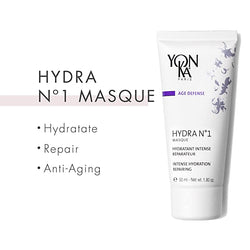
This isn't just about a beautiful scent; it is about the skin's physiological balance. These oils work together to support the skin’s natural functions, helping it to better regulate its own moisture levels. When you use products like Phyto 52 or Hydra N°1 Masque, you aren't just putting a "bandage" on dry skin; you are providing the botanical tools the skin needs to look and feel its best.
Note: When introducing a new product containing essential oils, we always recommend a brief patch test on your inner forearm for 24 hours. Introduce one new product at a time to your ritual. A slight, temporary tingling can be normal, but if you experience persistent redness, simply reduce the frequency of use.
When to See a Professional
Sometimes, "dry skin" isn't just a skincare issue. If you experience persistent itching that keeps you awake, visible rashes, bleeding cracks, or skin that feels hot and swollen, it is time to consult a physician or dermatologist. Conditions like eczema, psoriasis, or seborrheic dermatitis require medical diagnosis and specialized care.
For those looking to take their hydration to the next level, a professional spa treatment can provide a "reset" for the skin. Our estheticians use professional-grade formulations and specialized techniques to deeply hydrate and revitalize the skin's appearance. You can find a nearby partner using our Spa Locator on the website.
Conclusion
Moisturizer is an essential tool in your skincare arsenal, but it is not a "one size fits all" solution. If your skin feels dry despite moisturizing, it is likely a sign that your product’s ingredient balance is off, your application method needs adjusting, or your skin barrier is struggling to do its job. By focusing on a consistent ritual—cleansing gently, misting with a phyto-aromatic toner, and layering high-quality botanical formulas—you can restore the appearance of a healthy, hydrated complexion.
- Audit your ingredients for harsh alcohols and synthetic fragrances.
- Apply all products to damp skin to trap moisture.
- Exfoliate gently once a week to remove the "dead cell barrier."
- Use a humidifier in dry indoor environments.
If you are unsure which products are right for your unique skin type, we invite you to take our Skin Diagnosis quiz or use our Product Matcher tool. Since 1954, Yon-Ka Paris has been dedicated to the belief that skincare is a ritual worth savoring, built on the transformative power of plants and decades of French expertise.
"True beauty is found in balance. When we provide the skin with the botanical nutrients it recognizes, it responds with a natural, healthy-looking radiance."
FAQ
Why does my face feel dry after I put on moisturizer?
This often happens if the moisturizer contains high levels of humectants like hyaluronic acid but lacks occlusives to seal that moisture in. In dry air, the humectant may pull water from your skin and evaporate it into the air, leaving you feeling tighter than before. Applying the product to dry skin instead of damp skin can also cause this sensation.
Can you use too much moisturizer?
While you can't necessarily make your skin "stop" producing oil, using an excessively heavy or thick cream when your skin doesn't need it can trap dead skin cells on the surface. This prevents natural exfoliation and can lead to a dull, rough texture that feels dry. It is better to use a well-formulated product that matches your skin's specific needs rather than just applying more of a heavy cream.
Does hyaluronic acid dry out skin?
It can if it is used incorrectly. Hyaluronic acid is a humectant that needs a source of water to hold onto; if the air is very dry and you don't apply it to damp skin or seal it with a cream, it can draw moisture out of the deeper layers of your skin. To prevent this, always follow a hyaluronic acid serum with a moisturizer or facial oil.
How do I know if my skin is dry or dehydrated?
Dry skin is a skin type that lacks oil (sebum), often feeling rough or looking flaky all over. Dehydrated skin is a temporary condition where the skin lacks water, often feeling tight even if it looks oily or is prone to breakouts. Dehydrated skin often shows fine "crepe-like" lines when gently pinched.