Table of Contents
- Introduction
- The Science of the Skin Barrier
- Can You Use Too Much Moisturizer?
- Common Ingredients That May Cause Dryness
- The Importance of the Application Ritual
- Why Your Cleanser Might Be the Real Culprit
- Exfoliation: The Missing Link
- Environmental and Lifestyle Factors
- Selecting the Right Yon-Ka Ritual for Hydration
- Safety and Sensorial Experience
- Conclusion
- FAQ
Introduction
It is a common frustration: you faithfully apply cream every morning and night, yet your skin remains tight, flaky, or perpetually parched. You might even feel that the more product you use, the drier your complexion becomes. This leads many to wonder if their skincare routine is actually backfiring. At Yon-Ka Paris, we believe that understanding the "why" behind your skin's behavior is the first step toward achieving a radiant, healthy glow. While moisturizer is designed to support the skin, certain habits, ingredients, and environmental factors can indeed cause it to feel less hydrated than intended. This article explores the science of hydration, the potential pitfalls of over-moisturizing, and how a refined ritual can restore your skin's natural balance. By the end, you will understand the nuances of barrier health and how to choose products that truly nourish.
Quick Answer: While moisturizer itself is intended to hydrate, using the wrong formula, applying it to bone-dry skin, or over-applying can disrupt the skin's natural barrier or cause "lazy skin" syndrome. Certain ingredients like denatured alcohols or heavy fragrances can also lead to irritation that mimics dryness.
The Science of the Skin Barrier
To understand how a moisturizer might contribute to dryness, we must first look at the stratum corneum—the outermost layer of the skin. This layer is often described using a "bricks and mortar" analogy. The skin cells (corneocytes) are the bricks, and the lipids (ceramides, cholesterol, and fatty acids) are the mortar. When this barrier is intact, it prevents water from escaping (transepidermal water loss) and keeps irritants out.
Dry skin is often a symptom of a compromised barrier. When the "mortar" is thin or damaged, moisture evaporates rapidly. If you apply a moisturizer that only sits on the surface without addressing the underlying barrier health, you are essentially placing a temporary "bandage" over a leak. You might feel relief for an hour, but as soon as the product wears off, the skin feels drier than before. This cycle often leads people to reapply more frequently, which can sometimes exacerbate the issue.
Can You Use Too Much Moisturizer?
The idea of "lazy skin" is a topic of much debate in the aesthetic world. When the skin is constantly smothered in heavy, occlusive creams that it doesn't actually need, it may receive a signal that it has plenty of moisture and oil. In some cases, this can lead to a decrease in the skin's natural production of sebum and essential lipids.
Over-moisturizing can also interfere with natural exfoliation. Your skin naturally sheds dead cells in a process called desquamation. If a thick layer of cream is always present, it can "glue" those dead cells down, preventing them from falling away. This results in a dull, rough texture that looks and feels dry, even though there is plenty of product on the surface. If you find yourself needing to apply more and more cream just to feel "normal," you may be over-loading your skin and disrupting its natural functions.
Common Ingredients That May Cause Dryness
Not all moisturizers are created equal. Some formulations contains ingredients that provide a sensorial "slip" or a quick-dry finish but may be counterproductive for long-term hydration.
Drying Alcohols
While fatty alcohols like cetyl or stearic alcohol are actually moisturizing, simple alcohols like isopropyl alcohol or alcohol denat (denatured alcohol) are often used to make a product feel weightless or to help other ingredients penetrate. These can strip the skin’s natural oils and lead to immediate evaporation of moisture from the skin surface.
Synthetic Fragrances
Fragrance is one of the most common causes of contact dermatitis and skin irritation. When the skin is irritated, the barrier becomes inflamed and less efficient at holding onto water. At Yon-Ka, we prioritize the therapeutic benefits of essential oils—our signature Quintessence—which provide a natural aroma while supporting the skin's appearance, but we always recommend a patch test for those with ultra-sensitive complexions. If you want to learn more about the philosophy behind our plant-based approach, explore Our Ingredients.
Improper Use of Humectants
Ingredients like hyaluronic acid and glycerin are humectants, meaning they act like sponges to pull water into the skin. However, humectants are "promiscuous"—they will take water from wherever it is most available. In a humid environment, they pull moisture from the air. In a very dry or desert climate, they may pull water from the deeper layers of your skin to the surface, where it then evaporates. If you use a humectant-heavy serum without sealing it in with an occlusive layer, you may end up more dehydrated than when you started.
The Importance of the Application Ritual
The way you apply your skincare is just as important as the products themselves. Applying moisturizer to bone-dry skin is a missed opportunity.
The most effective way to hydrate is to trap existing moisture. When you step out of the shower or finish cleansing, your skin is saturated with water. If you wait twenty minutes to apply your cream, that water has already evaporated, taking some of your skin’s natural moisture with it.
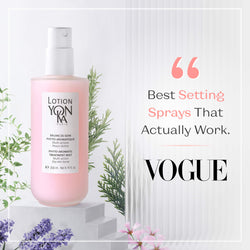
We recommend the use of a phyto-aromatic mist like Lotion Yon-Ka immediately after cleansing. This signature mist, infused with our Quintessence of lavender, geranium, rosemary, cypress, and thyme, re-dampens the skin and acts as a "bridge," allowing your serums and moisturizers to spread more evenly and absorb more effectively. By applying your moisturizer to damp, misted skin, you lock in that extra hydration, preventing the "tight" feeling that often follows washing.
Key Takeaway: Moisturizer works best as a seal. Always apply your treatments to damp skin—ideally prepared with a botanical mist—to ensure you are trapping hydration rather than just greasing the surface.
Why Your Cleanser Might Be the Real Culprit
Often, what we perceive as a "moisturizer problem" is actually a "cleanser problem." If your face feels tight or "squeaky clean" after washing, your cleanser has likely stripped away the essential lipids of your skin barrier.
Harsh surfactants like sodium lauryl sulfate (SLS) can cause micro-tears in the barrier. If you start your routine by damaging the skin, no amount of moisturizer can fully repair that damage in a single application. You end up in a constant state of "catch-up."
Switching to a gentle, barrier-respecting cleanser is often the solution. Our Lait Nettoyant is a cleansing milk that removes makeup and impurities while maintaining the skin's delicate acid mantle. When you stop stripping the skin, you may find that your moisturizer suddenly starts working much better.
Exfoliation: The Missing Link
If you are moisturizing regularly but still see flakes, the problem may not be a lack of moisture, but a buildup of dead skin. As mentioned earlier, dead cells can sit on the surface, preventing your moisturizer from actually reaching the living layers of the skin where it is needed.
However, there is a fine line between healthy exfoliation and over-processing.
- Too little exfoliation: Moisturizer sits on top of dead skin, feeling greasy but leaving the skin underneath parched.
- Too much exfoliation: Scrubbing too hard or using acids too frequently thins the skin barrier, leading to chronic dryness, redness, and sensitivity.
A gentle, non-grainy approach is often best for those prone to dryness. Gommage Yon-Ka is a plant-based exfoliator that uses carob and lime essential oil to gently "polish" away dead cells without the friction of beads or the potential irritation of high-percentage acids. This clears the path for your Hydra N°1 Crème or other treatments to perform their best.
Environmental and Lifestyle Factors
External factors can often override even the best skincare routine, making it feel like your moisturizer isn't doing its job.
Low Humidity and Heating
In the winter, indoor heating strips the air of moisture. This dry air "sucks" water out of your skin. If you aren't using a humidifier at night, your skin is losing moisture for eight hours straight. No daytime moisturizer can fully compensate for that overnight loss.
Water Temperature
Hot water is a solvent. It is excellent at dissolving fats—including the fats that make up your skin barrier. Washing your face in a steaming hot shower is one of the fastest ways to induce dryness. We always advise using lukewarm water for all facial cleansing.
Internal Hydration and Nutrition
While drinking water won't "fix" dry skin (which is a lipid issue), dehydration (a water issue) makes the skin look sallow and less resilient. Furthermore, a lack of essential fatty acids in the diet can result in a "thinner" mortar between your skin cells. Incorporating healthy fats like avocado, walnuts, and flaxseeds can support your skin from the inside out.
Selecting the Right Yon-Ka Ritual for Hydration
To prevent moisturizer from causing or failing to fix dryness, you must choose a formula that matches your specific skin needs. Skincare is not one-size-fits-all; it is a layered ritual.
For Dehydrated Skin (Lacks Water)
If your skin feels tight but still gets oily, you are likely dehydrated. You need humectants and light emollients.
- Mist: Lotion Yon-Ka (PS for dry skin or PNG for normal to oily).
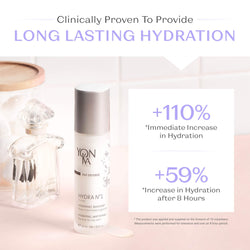
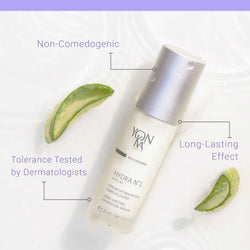
- Treat: Hydra N°1 Serum, a high-performance fluid that deeply rehydrates.
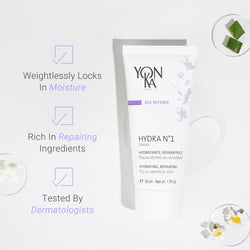
- Moisturize: Hydra N°1 Crème, which provides long-lasting hydration with hyaluronic acid and shea butter.
For Dry Skin (Lacks Oil)
If your skin is consistently flaky, lacks a visible glow, and has very small pores, it is likely "dry" by nature. You need lipids and nourishment.
- Mist: Lotion Yon-Ka PS.
- Treat: Serum Omega, an oil-in-serum that reinforces the barrier.
- Moisturize: Sensitive Crème, which can be mixed into your daily cream or used as a comforting option when skin needs extra care.
The Power of the Mask
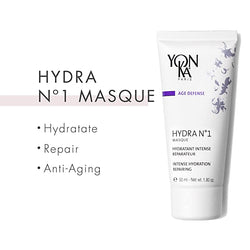
Sometimes, the skin needs a "re-set." Using a hydrating mask once or twice a week can provide a concentrated dose of actives that a daily cream cannot. Hydra N°1 Masque is designed to be left on overnight or applied for a 20-minute intensive treatment, helping to repair the appearance of a damaged barrier and restore suppleness.
Safety and Sensorial Experience
When introducing any new botanical formula, we recommend a simple patch test. Apply a small amount of the product to your inner forearm and wait 24 hours. While the essential oils in our Quintessence are expertly balanced for efficacy and safety, everyone’s skin is unique.
A slight, fleeting tingling sensation can be normal when using active botanical ingredients—this is often the "aromachology" at work, as the essential oils stimulate the senses and the skin. However, if you experience persistent redness, burning, or itching, it is a sign to reduce the frequency of use or consult a professional.
Note: If you experience a severe reaction, such as facial swelling or difficulty breathing, seek urgent medical attention immediately.
Conclusion
Moisturizer is a fundamental pillar of skin health, but it is not a magic wand. If you find that your skin is dry despite moisturizing, it is rarely the product itself at fault, but rather how it fits into the broader context of your routine. By respecting the skin barrier, choosing high-quality phyto-aromatic formulas, and applying them to damp skin, you can break the cycle of chronic dryness.
At Yon-Ka Paris, our 70-year heritage is built on the belief that skincare is a ritual of wellbeing. We invite you to move away from "quick fixes" and toward a consistent, layered approach that honors your skin's natural biology. For a personalized recommendation, we encourage you to take our Product Matcher or find a professional Yon-Ka treatment at a spa near you through our Spa Locator. True hydration is a journey of consistency, botanical power, and professional expertise.
FAQ
Why does my face feel dry even after I put on moisturizer?
This often happens because the moisturizer is being applied to skin that is already too dry, or the formula lacks the necessary occlusives to trap water. It may also indicate that your cleanser is too harsh, stripping your skin before you even get to the moisturizing step.
Can using too much moisturizer make my skin stop producing oil?
While the idea of "lazy skin" is still being studied, over-moisturizing with very heavy occlusives can sometimes signal the skin to slow down its natural lipid production. It can also trap dead skin cells on the surface, making the skin appear dull and flaky.
Is it better to apply moisturizer to wet or dry skin?
It is always better to apply moisturizer to damp skin. This allows the product to trap the water on the skin's surface, significantly increasing the level of hydration. Using a botanical mist like Lotion Yon-Ka before your cream is an excellent way to ensure the skin is perfectly prepared.
What ingredients should I avoid if my moisturizer is making my skin dry?
Be cautious of high concentrations of denatured alcohols, synthetic fragrances, and harsh surfactants like SLS. Additionally, if you live in a very dry climate, ensure your hyaluronic acid or glycerin-based serums are always followed by a cream or oil to prevent "reverse hydration."