Table of Contents
- Introduction
- Understanding the Difference Between Dry and Oily Skin
- What Happens When You Use a Rich Moisturizer on Oily Skin?
- The "Dehydrated Oily Skin" Trap
- Essential Ingredients for Oily Skin Hydration
- Building a Phyto-Aromatic Ritual for Oily Skin
- When to Use a Richer Cream (The Exceptions)
- The Professional Touch: Why Spa Expertise Matters
- Safety and Transitioning Your Routine
- Conclusion
- FAQ
Introduction
It is a common dilemma: your skin feels shiny and slick by noon, yet after cleansing, it feels uncomfortably tight or "dry." In a moment of desperation, you might reach for a rich, heavy cream designed for dry skin, hoping to soothe that parched sensation. But is this the right move for your complexion? Understanding whether you can use a dry skin moisturizer on oily skin requires a look at the delicate balance between oil and water within the skin barrier.
At Yon-Ka Paris, we believe that every skin type deserves a tailored approach that respects its unique physiology. If you are dealing with shine and congestion, it helps to explore our oily and combination skin collection rather than reaching for a richer cream meant for a drier complexion. While you technically can apply a rich cream to oily skin, doing so often leads to unwanted congestion and a disrupted oil-water balance. This post will explore why these formulations differ, the potential risks of using the wrong texture, and how to properly hydrate oily skin without causing breakouts. Finding the right harmony is the key to a healthy, glowing complexion that feels as good as it looks.
Understanding the Difference Between Dry and Oily Skin
To answer the question of whether a dry skin moisturizer is suitable for oily skin, we must first distinguish between two often-confused concepts: oil and water. In the world of skincare, "dry" refers to a skin type that lacks oil (sebum), while "dehydrated" refers to a skin condition where the skin lacks water.
Oily skin is characterized by overactive sebaceous glands that produce an abundance of sebum. This natural oil is essential for protecting the skin and keeping it supple, but in excess, it can lead to a shiny appearance, enlarged pores, and a predisposition to blemishes. Conversely, dry skin lacks these natural lipids, leading to a compromised barrier that easily loses moisture and feels rough or flaky.
If your skin feels tight but still looks shiny, our Dry & Dehydrated Skin collection can help clarify the difference between dryness and dehydration.
Quick Answer: While you can physically apply a dry skin moisturizer to oily skin, it is generally not recommended. These products are typically rich in heavy oils and occlusives that can clog pores and exacerbate greasiness on an already oily complexion.
What Happens When You Use a Rich Moisturizer on Oily Skin?
When you apply a product formulated for dry skin onto an oily surface, you are essentially adding more oil to a system that already has an oversupply. Dry skin moisturizers are often "occlusive," meaning they create a thick physical barrier on the surface of the skin to trap moisture inside. For someone with very little natural sebum, this is a lifesaver. For someone with oily skin, it can be a recipe for congestion.
Clogged Pores and Congestion
The primary risk of using a heavy cream on oily skin is the formation of comedones, or clogged pores. Ingredients like shea butter, heavy mineral oils, or certain waxes—which are wonderful for replenishing dry skin—can sit heavily on an oily complexion. When mixed with your skin's natural excess sebum, these ingredients can trap dead skin cells and bacteria inside the pore, potentially leading to blackheads, whiteheads, and inflammatory breakouts.
If pore congestion is a recurring concern, the oily and combination skin collection is a more appropriate starting point than a richer cream.
Increased Greasiness
Oily skin already struggles with managing shine throughout the day. Dry skin moisturizers are designed to impart a dewy, often slightly oily finish to give parched skin a healthy glow. On an oily complexion, this often translates to a heavy, "suffocating" feeling and a level of shine that feels impossible to manage, even with blotting papers or powder.
Imbalanced Skin Barrier
Your skin is an intelligent organ that constantly strives for homeostasis. By smothering oily skin in heavy lipids, you may inadvertently signal to your skin that it doesn't need to regulate itself properly. This can lead to a cycle where the surface feels greasy, but the deeper layers remain dehydrated because the product isn't providing the right type of water-based hydration the skin actually craves.
The "Dehydrated Oily Skin" Trap
Many people reach for dry skin moisturizers because they feel a sense of tightness. This is the "dehydrated oily skin" trap. It is entirely possible—and actually very common—to have oily skin that is also dehydrated.
Myth: Oily skin doesn't need moisturizer because it already has enough oil. Fact: Oily skin requires hydration (water) to remain healthy. Skipping moisturizer can cause the skin to produce even more oil to compensate for the lack of water, leading to more shine and potential breakouts.
When oily skin is dehydrated, it needs humectants—ingredients that bind water to the skin—rather than heavy occlusives. This is why a lightweight, water-based ritual is far more effective than a heavy cream.
Essential Ingredients for Oily Skin Hydration
When looking for the perfect moisturizer for an oily or combination complexion, the focus should be on "weightless" hydration. You want ingredients that sink in quickly and support the skin's moisture levels without adding physical weight or oiliness.
- Hyaluronic Acid: A powerhouse humectant that can hold up to 1,000 times its weight in water. It provides intense hydration without a trace of oil.
- Glycerin: A classic, effective humectant that helps draw moisture into the skin’s surface layers.
- Essential Oils: At Yon-Ka, we utilize our signature Quintessence—a blend of lavender, geranium, rosemary, cypress, and thyme. These phyto-aromatic oils help to purify, balance, and soothe the skin’s appearance without clogging pores.
- Niacinamide: This form of Vitamin B3 is excellent for oily skin as it helps support the appearance of a refined skin texture and can help manage the look of excess sebum.
- Aloe Vera: Known for its soothing and hydrating properties, it provides a cooling sensation that is particularly pleasant for oily or irritated skin.
To learn more about the philosophy behind these botanicals, visit Our Ingredients.
Building a Phyto-Aromatic Ritual for Oily Skin
Rather than relying on a single heavy product, the Yon-Ka approach emphasizes a layered ritual. This ensures the skin receives all the nutrients and hydration it needs in textures that the skin can easily absorb.
Step 1: Respectful Cleansing
The foundation of any oily skin routine is a cleanser that removes excess oil and impurities without stripping the skin's vital moisture. Using a harsh soap can trigger a "rebound" effect where the skin produces even more oil. We often recommend a gentle milk like Lait Nettoyant even for oily types, or a purifying gel that maintains the skin's pH balance.
Step 2: The Power of the Mist
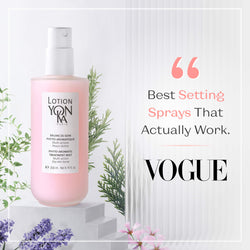
A critical step in our ritual is the application of Lotion Yon-Ka PNG. This is not a traditional drying toner; it is a phyto-aromatic healing water. This alcohol-free mist contains our Quintessence essential oils and acts as a "pre-moisturizer." It hydrates the skin, balances the appearance of oil, and prepares the skin to better absorb the active ingredients in your serum or moisturizer.
Step 3: Targeted Hydration
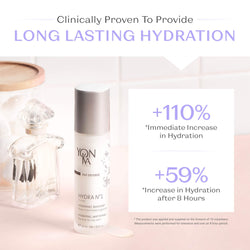
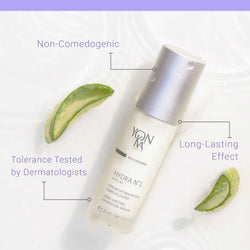
Instead of a heavy cream, look for a fluid or gel-cream texture. For those with oily skin, Hydra N°1 Fluid is an ideal choice. It is a mattifying, non-oily fluid that deeply hydrates using hyaluronic acid while silica helps to control shine throughout the day. If your skin feels particularly stressed or depleted, you might layer it over Hydra N°1 Serum, which provides a concentrated burst of moisture in a weightless formula.
Step 4: Protection and Perfection
During the day, oily skin benefits from a product that protects against environmental stressors while refining the skin's appearance. Nude Perfect Fluide is a multi-tasking formula that acts as a blur-effect skin perfector, helping to minimize the look of pores and imperfections while providing a long-lasting matte finish.
Key Takeaway: Oily skin thrives on "water-light" hydration. Focus on layering lightweight mists, serums, and fluids rather than applying a single heavy cream designed for dry skin types.
When to Use a Richer Cream (The Exceptions)
While we generally advise against using dry skin moisturizers on oily complexions, there are very specific circumstances where a slightly richer texture might be appropriate:
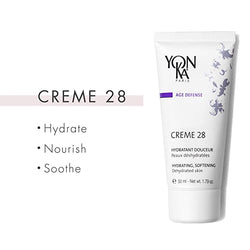
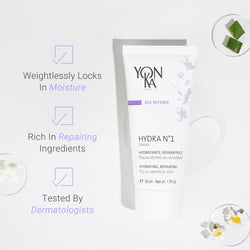
- Extreme Weather: If you live in a climate with harsh, freezing winters, even oily skin can experience significant barrier compromise. In these cases, you might transition from a fluid to a slightly more protective cream like Hydra N°1 Crème specifically for your nighttime ritual or when spending prolonged time outdoors.
- Medical Treatments: If you are using prescription-strength retinoids or clinical acne treatments, your skin may become exceptionally dry and sensitive. In this scenario, your dermatologist might recommend a more reparative, lipid-rich formula to support the healing process.
- Localized Dryness: Some individuals have "combination" skin where the cheeks are truly dry and the T-zone is oily. In this case, you can multi-moisturize: apply a richer cream to the dry patches and a lightweight fluid to the oily areas.
The Professional Touch: Why Spa Expertise Matters
Oily skin can be complex to manage because it is often reactive. What works for one person may cause a breakout for another. This is why we are so deeply rooted in professional spa expertise. Over 7,000 skincare professionals worldwide trust Yon-Ka products because they are designed to be used in the treatment room where skin can be properly analyzed.
If you are struggling to find the right balance for your oily or combination skin, we highly recommend visiting a Yon-Ka partner spa. A professional esthetician can perform a thorough skin analysis and provide a customized treatment, such as a deep-cleansing facial, to reset your complexion. You can find a local professional through our Spa Locator on our website.
Safety and Transitioning Your Routine
Whenever you introduce new products into your skincare ritual, especially those containing active botanicals and essential oils, it is important to do so mindfully.
Note: We always recommend a patch test when introducing a new product. Apply a small amount to your inner forearm and wait 24 hours to ensure no sensitivities occur. A slight, momentary tingling sensation can be normal with active essential oils, but persistent redness or irritation means you should reduce frequency or discontinue use.
When moving away from a dry skin moisturizer and toward an oily-skin-specific routine, introduce one product at a time. This allows you to monitor how your skin responds and ensures you aren't overwhelming your barrier with too many new actives at once.
Conclusion
While the temptation to use a dry skin moisturizer on oily skin is understandable when your face feels tight, it is rarely the most effective solution. Oily skin is a unique environment that requires moisture in the form of water, not heavy oils or occlusives. By choosing lightweight, non-comedogenic formulas and focusing on humectants like hyaluronic acid, you can achieve a balanced, comfortable, and clear complexion.
Skincare is a ritual worth savoring, and the best results come from a consistent, layered approach that respects your skin's natural biology. At Yon-Ka, we have spent 70 years perfecting the art of phyto-aromatic care to help you achieve your healthiest-looking skin through the power of plants and science.
To find the perfect products for your specific needs, we invite you to explore our brand story and take a closer look at how Yon-Ka approaches skin health. Embracing the right hydration for your skin type is the first step toward a lifetime of radiant, balanced skin.
FAQ
Will using a dry skin moisturizer cause acne if my skin is oily?
While it is not a guarantee, using a heavy moisturizer designed for dry skin significantly increases the risk of "acne cosmetica." These formulas often contain occlusives and oils that can trap sebum and bacteria, leading to clogged pores and breakouts in oily-prone individuals.
How can I tell if my oily skin is actually dehydrated?
Dehydrated oily skin often looks shiny but feels tight, especially after cleansing. You might also notice fine "dehydration lines" that look like crinkles when you move your face, or you may experience localized flakiness despite the presence of excess oil.
Can I use a dry skin cream just at night?
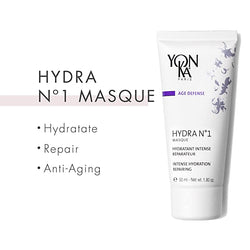
If your skin is severely dehydrated, you might be able to use a richer cream at night, but it is still better to choose a product designed for dehydrated skin specifically. A product like Hydra N°1 Masque can be used as an overnight treatment to provide intense water-based hydration without the heavy occlusives found in dry skin creams.
Does oily skin really need moisturizer every day?
Yes, every skin type needs moisturizer. Skipping this step can lead to a damaged skin barrier and increased oil production as your skin tries to protect itself. The key is choosing the right texture, such as a lightweight fluid or gel, rather than skipping the step entirely.