Table of Contents
- Introduction
- Understanding the Difference Between Dry and Dehydrated Skin
- The Science of Gel Textures: Why They Appeal
- The Three Pillars of Moisturization
- How to Successfully Use a Gel if You Have Dry Skin
- The Role of the Quintessence in Skin Recovery
- Seasonal Adjustments for Dry Skin
- Myth vs. Fact: Gel Moisturizers
- Safety and Sensitivity
- Choosing the Right Yon-Ka Products for Your Ritual
- Conclusion
- FAQ
Introduction
Finding the perfect balance of hydration can often feel like a delicate dance, especially when your skin naturally leans toward the drier side of the spectrum. You may find yourself longing for the weightless, refreshing sensation of a cooling gel, yet fearing it won't provide the deep, lasting nourishment your complexion craves. The common skincare wisdom often suggests that those with dry skin must stick exclusively to heavy, buttery balms, but modern formulation science tells a more nuanced story.
At Yon-Ka Paris, we believe that every skin type deserves a sensorial experience that addresses its unique physiological needs without compromise. To understand that approach more deeply, explore our ingredients philosophy. This article explores the relationship between lightweight textures and parched complexions, detailing how botanical synergy can bridge the gap between refreshing application and intensive moisture. We will explore the science of skin types, the critical difference between dryness and dehydration, and how you can successfully incorporate gel-based textures into a sophisticated phyto-aromatic ritual.
Quick Answer: Yes, dry skin can use gel moisturizers, but they are most effective when formulated as "gel-creams" or used as a strategic layering step. Because dry skin lacks oil, a water-heavy gel should be paired with lipid-rich serums or followed by an occlusive cream to prevent moisture evaporation.
Understanding the Difference Between Dry and Dehydrated Skin
Before deciding if a gel moisturizer is right for you, it is essential to identify what your skin is actually asking for. While "dry" and "dehydrated" are often used interchangeably in casual conversation, they represent two distinct physiological states in professional skincare.
Dry skin is a skin type characterized by a lack of oil. In this state, your sebaceous glands produce less sebum (natural oil) than normal. Sebum is vital because it acts as a natural glue, holding the skin cells of the stratum corneum (the outermost layer) together and creating a barrier that prevents moisture from escaping. Without enough oil, the skin can appear flaky, feel rough, and lose its natural elasticity.
Dehydrated skin is a skin condition characterized by a lack of water. This can happen to anyone, regardless of whether their skin type is oily, dry, or combination. Dehydration often manifests as a "tight" feeling, a dull or lackluster complexion, and the appearance of fine lines that seem to vanish once moisture is applied.
Because gel moisturizers are primarily water-based and rich in humectants, they are excellent at treating dehydration. However, if your skin is truly dry (lacking oil), a standard gel may not provide the lipids necessary to repair your barrier. This is why the "gel-cream" hybrid or a layered ritual approach is often the best solution for dry complexions.
The Science of Gel Textures: Why They Appeal
The primary appeal of a gel moisturizer is its high water content and rapid absorption. Traditional gels are formulated with polymers that "break" upon contact with the skin's heat, releasing a burst of hydration.
- Weightless Finish: Unlike heavy creams that can sometimes feel "suffocating" in humid weather, gels disappear into the skin almost instantly.
- Cooling Sensations: The evaporation of the water content in a gel provides a natural cooling effect, which can be incredibly soothing for skin that feels inflamed or overheated.
- Humectant Density: Gels are often packed with moisture-attracting ingredients like hyaluronic acid and glycerin, which act like tiny sponges to hold water within the skin's surface.
For someone with dry skin, these benefits are alluring, especially during the summer months or in humid climates. However, the lack of emollients (oils) and occlusives (sealing agents) in a basic gel can lead to "transepidermal water loss" (TEWL), where the water you just applied evaporates into the air, leaving your skin feeling even tighter than before.
The Three Pillars of Moisturization
To understand how a gel fits into a dry skin routine, we must look at the three types of ingredients that create a successful moisturizer.
1. Humectants
These are the "moisture magnets." Ingredients like hyaluronic acid, sodium PCA, and glycerin draw water from the atmosphere (in humid conditions) or from the deeper layers of the dermis into the stratum corneum. Gels are typically very high in humectants.
2. Emollients
These are the "smoothers." They fill in the gaps between skin cells with lipids (fats). Common emollients include plant oils, squalane, and ceramides. Dry skin is naturally deficient in these, meaning a moisturizer for dry skin must contain a significant emollient component to feel comfortable.
3. Occlusives
These are the "sealers." They form a protective film on the surface of the skin to physically prevent water from evaporating. Ingredients like shea butter, beeswax, and certain silicones act as this final protective shield. Traditional gels often lack these, which is why dry skin types may feel "thirsty" shortly after applying a standard gel.
Key Takeaway: Dry skin requires a balance of all three pillars. If you choose a gel moisturizer, ensure it is a hybrid formula containing emollients, or supplement it with a lipid-rich serum to provide the oils your skin cannot produce on its own.
How to Successfully Use a Gel if You Have Dry Skin
If you love the feeling of a gel but have a dry skin type, you do not have to give it up. The secret lies in the Yon-Ka ritual method, which focuses on layering products to create a customized "second skin" of protection and hydration.
Step 1: The Phyto-Aromatic Prep
Never apply a moisturizer to bone-dry skin. After cleansing with a gentle milk like Lait Nettoyant, mist your face with Lotion Yon-Ka PS. This iconic toning mist, infused with our signature Quintessence (lavender, geranium, rosemary, cypress, and thyme), prepares the skin to receive active ingredients. Applying your gel moisturizer while the skin is still slightly damp from the mist helps the humectants "trap" that extra hydration.
Step 2: The Lipid Booster
Before applying your gel, use a nourishing oil-based serum. Serum Omega is an exceptional choice for dry skin, as it is rich in essential fatty acids (Omega 3, 6, and 9). By applying these lipids first, you provide the "oil" your dry skin lacks, allowing the water-based gel applied on top to hydrate the skin without disrupting the barrier.
Step 3: Choose a Gel-Cream Hybrid
Instead of a clear, translucent gel, look for a "gel-cream" or a "fluid." These formulas, such as Nude Perfect Fluide, offer the lightweight feel of a gel but contain enough botanical oils and protective ingredients to satisfy a drier complexion. These hybrids provide a "blurring" effect and environmental protection while maintaining a breathable texture.
Step 4: The Overnight Seal
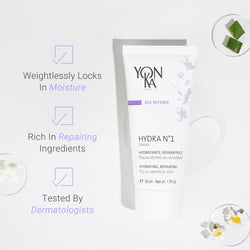
If you prefer a gel during the day for its makeup-friendly finish, consider using a much richer, occlusive cream at night. Hydra n°1 Crème is a powerhouse for dry skin, utilizing two molecular weights of hyaluronic acid and shea butter to repair the skin while you sleep.
The Role of the Quintessence in Skin Recovery
At the heart of our formulations is the Quintessence, our exclusive complex of five essential oils. For those with dry skin using gel-based products, the Quintessence provides more than just a beautiful scent; it offers functional benefits that support the skin's natural resilience. Learn more about the philosophy behind these botanicals in our formulas.
- Lavender from Haute-Provence provides soothing and anti-inflammatory properties, helping to calm the redness often associated with dry, irritated skin.
- Geranium from Egypt is known for its balancing and analgesic qualities.
- Rosemary from Morocco offers revitalizing benefits, encouraging healthy skin tone.
- Cypress from Provence serves as a decongestant and supports the vascular system.
- Thyme from Spain provides potent antiseptic and tonic properties.
When these oils are combined in their precise, proprietary ratios, they enhance the efficacy of the hydrating ingredients in our gels and creams, creating a synergistic effect that helps the appearance of the skin become more radiant and revitalized.
Seasonal Adjustments for Dry Skin
Your skin is a living organ that reacts to the world around it. The moisturizer that works for you in July might fail you in January.
In Summer/Humid Climates: High humidity means there is plenty of water in the air for humectants to grab. This is the perfect time for dry skin to experiment with lighter textures. A gel-cream hybrid provides enough protection without feeling heavy under sunscreen.
In Winter/Dry Climates: When the air is dry, humectants can actually pull moisture out of your skin if there isn't an occlusive layer to stop it. If you choose to use a gel in the winter, it is vital to "top" it with a face oil or a thin layer of a more traditional cream to lock the moisture in.
| Feature | Traditional Gel | Gel-Cream Hybrid | Rich Cream |
|---|---|---|---|
| Best For | Oily / Very Dehydrated | Combination / Dry (Summer) | Very Dry / Mature |
| Texture | Translucent, Watery | Opaque, Lightweight | Thick, Buttery |
| Oil Content | Zero to Very Low | Moderate | High |
| Finish | Matte / Tacky | Velvet / Natural | Dewy / Glowing |
Myth vs. Fact: Gel Moisturizers
Myth: Gels are only for teenagers or people with acne.
Fact: While gels are popular for oily skin, modern "active" gels are designed for age prevention and deep hydration. Anyone experiencing dehydration can benefit from the high humectant count in a gel.
Myth: If a gel stings, it means it's working.
Fact: A slight, brief tingling can sometimes occur with active botanicals, but persistent stinging usually indicates a compromised skin barrier. If your dry skin is cracked or highly sensitized, prioritize barrier repair with Glyconight 10% Masque before introducing new gel textures.
Safety and Sensitivity
When introducing any new product into your ritual, especially those containing active botanicals and essential oils, we always recommend a patch test. Apply a small amount of the product to your inner forearm and wait 24 hours to ensure no redness or irritation occurs.
If you have highly reactive skin or conditions like eczema or rosacea, it is always best to consult with a dermatologist or a trained aesthetician. You can find a professional to analyze your skin by using our Spa Locator to visit a Yon-Ka partner center.
Choosing the Right Yon-Ka Products for Your Ritual
If you are ready to explore how lightweight textures can fit into your dry skin care, consider these specific recommendations from our collections:
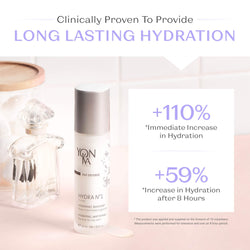
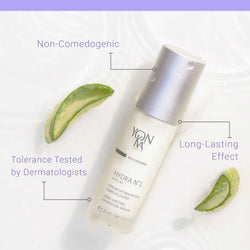
- Hydra n°1 Fluide: While our "Crème" version is the gold standard for very dry skin, the fluid version is a hydrating option for dry skin types who prefer a lighter finish.
- Nude Perfect Fluide: This multi-tasking product acts as a moisturizer, primer, and environmental shield. Its fluid texture provides a "blurring" effect that minimizes the look of pores while keeping the skin hydrated.
- Phyto 52: For those looking for firming benefits with a non-greasy finish, this rosemary-infused cream has a refreshing feel upon application that many gel-lovers enjoy while still supporting dry skin.
- Glyconight 10% Masque: If your dry skin looks dull, this overnight peel has a creamy gel-mask texture. It uses glycolic acid to dissolve dead skin cells, allowing your daytime moisturizers to penetrate more effectively.
Conclusion
The question of whether dry skin can use a gel moisturizer is not a simple yes or no, but a matter of technique and formulation. By understanding that your skin needs a balance of water (hydration) and oil (nourishment), you can enjoy the refreshing benefits of a gel without leaving your barrier vulnerable. Whether you choose a gel-cream hybrid or adopt a layering strategy with a botanical serum, the goal is always a complexion that feels comfortable, supple, and radiant.
At Yon-Ka Paris, our 70-year heritage is built on the belief that skincare is a holistic ritual. If you want to explore more dry-skin guidance, start with our dry skin care tips. It is an opportunity to pause, breathe in the therapeutic scents of our Quintessence, and give your skin exactly what it needs to thrive. Embrace the power of phyto-aromatic care and transform your daily routine into a moment of pure well-being.
FAQ
Can I use a gel moisturizer if I have flaky patches?
If you have active flaking, a gel alone may not be enough to smooth the skin's surface. We recommend first using a gentle, grain-free exfoliator like Gommage Yon-Ka to remove dead cells, followed by a lipid-rich serum and a hydrating gel-cream to repair the underlying dryness.
Is a gel-cream the same as a water cream?
"Water cream" is often a marketing term for a gel-based moisturizer that feels very watery upon application. A gel-cream hybrid usually contains a slightly higher ratio of emollients (oils) than a standard water cream, making it a more suitable choice for those with dry skin types.
Should I use a gel moisturizer in the morning or at night?
For dry skin, gels are typically most effective in the morning ritual because they sit well under makeup and sunscreen. At night, your skin goes into repair mode and experiences higher levels of water loss, so a richer, more occlusive cream is generally recommended for the evening.
Can I mix a face oil into my gel moisturizer?
Yes, this is an excellent way to customize your skincare. If you find a gel moisturizer you love but it doesn't feel nourishing enough for your dry skin, adding a few drops of Serum Omega can give the gel the lipid content your skin requires.
Bottom line: Dry skin can absolutely enjoy the lightweight sensation of a gel moisturizer, provided the ritual includes enough lipids to seal that hydration in and support a healthy skin barrier.