Table of Contents
- Introduction
- The Biological Link: How the Virus Affects Facial Skin
- Indirect Factors Contributing to Post-Viral Dryness
- Identifying Different Post-Viral Skin Manifestations
- The Yon-Ka Phyto-Aromatic Approach to Restoration
- Building a Restorative Post-Viral Ritual
- Essential Oil Safety and Best Practices
- Lifestyle Adjustments to Support Your Skin
- The Role of Professional Spa Treatments
- Conclusion
- FAQ
Introduction
Finding your skin’s natural rhythm again after a period of illness can feel like a slow journey back to yourself. When our health is compromised, our complexion often reflects that internal struggle, losing its characteristic glow and suppleness. If you have recently recovered from a viral infection and noticed a sudden change in your texture, you might be asking: can covid cause dry skin on face? At Yon-Ka Paris, we have observed many individuals navigating these exact cutaneous shifts, seeking to restore the hydration and comfort that seems to have vanished overnight. This article explores the biological link between the virus and skin hydration, the role of systemic inflammation, and how a targeted phyto-aromatic ritual can support your skin’s recovery. By understanding the "why" behind post-viral dryness, you can better equip your skin with the botanical nutrients it needs to thrive once more. For a broader look at skin that feels tight, flaky, or depleted, explore our dry & dehydrated skin collection.
The Biological Link: How the Virus Affects Facial Skin
The skin is far more than a simple covering; it is a complex, living organ that interacts deeply with the body's immune system. When the body encounters a significant viral challenge, such as COVID-19, it triggers a cascade of internal events that can manifest visibly on the surface. To answer whether the virus can cause dry skin on the face, we must look at how it interacts with our cells.
ACE2 Receptors and the Cutaneous Barrier
The SARS-CoV-2 virus enters human cells by latching onto ACE2 (Angiotensin-Converting Enzyme 2) receptors. While these receptors are most famous for their presence in the respiratory tract, they are also found throughout the skin, particularly in the outer layer (epidermis) and the lining of blood vessels. When the virus interacts with these receptors in the skin, it can lead to localized inflammation and a disruption of the skin’s natural functions.
This interaction can compromise the skin barrier, the vital "seal" that keeps moisture in and environmental stressors out. When this barrier is weakened, the skin’s ability to maintain its lipid levels and water content is diminished, often resulting in the appearance of dry, flaky, or tight-feeling skin on the face and neck.
Systemic Inflammation and the "Cytokine Storm"
In some cases, the body's immune response to the virus becomes overactive, leading to what is colloquially known as a cytokine storm. Cytokines are small proteins that signal the immune system to act. While necessary for healing, an excess of these proteins can lead to systemic hyperinflammation.
This internal inflammation often shows up on the skin as redness, sensitivity, and extreme dehydration. Inflammation can essentially "cook" the moisture out of the skin from the inside, leading to a duller appearance and a rougher texture. Even after the primary infection has cleared, this inflammatory state can persist for weeks, leaving the skin in a state of prolonged recovery.
Quick Answer: Yes, COVID-19 can cause dry skin on the face due to systemic inflammation, the virus’s interaction with skin-cell receptors, and the dehydration caused by fever and immune responses.
Indirect Factors Contributing to Post-Viral Dryness
Sometimes, the dryness we experience isn't a direct result of the virus itself, but rather a byproduct of the lifestyle changes and hygiene practices that accompany the illness.
The Impact of Fever and Fluid Loss
Fever is one of the body’s primary tools for fighting infection. However, the increased internal temperature and subsequent sweating lead to significant fluid loss. When the body is dehydrated, it prioritizes the health of vital internal organs like the heart and lungs, often pulling moisture away from the "non-essential" peripheral tissues—your skin.
This systemic dehydration is a leading cause of the tight, parched feeling many report. The skin loses its elasticity and can begin to show fine lines more prominently, a classic sign that the water levels in the epidermis have plummeted.
Environmental Stressors During Recovery
During a period of illness, most people spend an extended amount of time indoors. Whether you are resting in a room with central heating or air conditioning, the air is frequently stripped of its natural humidity. This dry indoor air acts like a sponge, drawing moisture out of the skin through a process known as transepidermal water loss (TEWL).
Furthermore, the stress of being unwell can elevate cortisol levels. Cortisol, known as the stress hormone, can impair the skin's ability to produce natural oils (sebum) and repair its own barrier. This combination of dry air and high stress creates a "perfect storm" for facial dryness.
Identifying Different Post-Viral Skin Manifestations
While general dryness is common, the virus has been associated with several specific cutaneous patterns. Recognizing these can help you better understand what your skin is going through.
Urticaria and Hives
Some individuals experience hive-like welts (urticaria) during or after their infection. These are typically itchy, red, and raised. Once these active flares subside, the skin in the affected areas often feels extremely dry and sensitive. This is a sign that the local skin barrier has been disrupted by the allergic-type immune response.
Morbilliform and Vesicular Rashes
A morbilliform rash—characterized by small, flat, or raised red spots—is another reported symptom. Similarly, some experience vesicular eruptions, which are small, fluid-filled blisters. As these lesions heal and the blisters dry out, the skin can become very flaky and rough. It is essential during this phase to avoid picking at the skin, as the new layer underneath is incredibly fragile and prone to further dehydration.
Sensitivity and Reactive Skin
Even if a visible rash doesn't appear, many find that their skin becomes "reactive" following the illness. Products that used to feel comfortable may suddenly cause tingling or redness. This is a hallmark of a compromised barrier, where the skin’s "security system" is on high alert, making it more susceptible to irritation from common ingredients.
The Yon-Ka Phyto-Aromatic Approach to Restoration
At Yon-Ka, we believe in the power of professional-grade, botanical-led skincare to restore balance to the skin. Our philosophy is rooted in the ritual—a consistent, gentle approach that respects the skin’s natural biology rather than forcing results through harsh treatments. To learn more about the botanicals and actives behind our formulas, visit our ingredients page.
The Power of the Quintessence
The heart of our formulations is the Quintessence, a proprietary complex of five essential oils: lavender, geranium, rosemary, cypress, and thyme. This 100% natural and active complex is designed to stabilize and revitalize the skin.
- Lavender: Known for its soothing and anti-inflammatory properties, it helps calm post-viral sensitivity.
- Geranium: Supports the appearance of skin healing and provides a balancing effect.
- Rosemary: Offers purifying benefits and helps support natural circulation.
- Cypress and Thyme: These provide toning and revitalizing properties that help the skin look more resilient.
When your skin is recovering from the stress of a virus, the aromachological benefits of these oils also help to lower stress levels, providing a sensorial experience that supports overall well-being.
Building a Restorative Post-Viral Ritual
To address facial dryness after COVID-19, your ritual should focus on three goals: gentle cleansing, deep hydration, and barrier repair. For a step-by-step routine built around dry skin support, see our dry skin ritual guide.
Step 1: Barrier-Respecting Cleansing
When the skin is dry and sensitized, the last thing it needs is a harsh, foaming cleanser that strips away remaining lipids. We recommend using a milk-based cleanser like Lait Nettoyant. This gentle formula removes impurities and makeup while maintaining the integrity of the skin's natural hydrolipidic film. It leaves the skin feeling soft and comforted rather than tight.
Step 2: Rehydrating with Phyto-Aromatic Mists
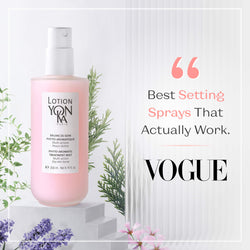
Following your cleanse, it is essential to "drench" the skin in moisture. Lotion Yon-Ka PS is much more than a toner. It is a phyto-aromatic mist that delivers the healing powers of the Quintessence directly to the skin. This alcohol-free mist helps to immediately soothe the appearance of redness and prepares the skin to better absorb the active ingredients in your serums and moisturizers.
Step 3: Targeted Hydration with Hyaluronic Acid
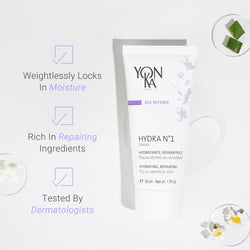
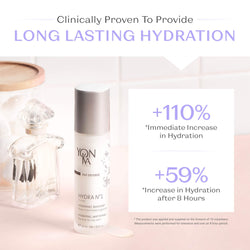
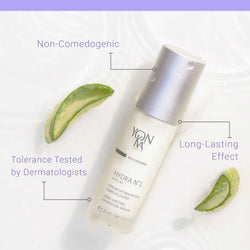
For intense dehydration, look for products that contain hyaluronic acid—a molecule that can hold many times its weight in water. Hydra N°1 Crème is an exceptional choice for post-viral recovery. It combines high and low molecular weight hyaluronic acid with nourishing ingredients like shea butter and grape seed oil. This dual action helps to both pull moisture into the skin and seal it in, repairing the "mortar" between skin cells.
Step 4: Intensive Lipid Repair
If your skin feels rough or looks "hollow," it may be lacking essential fatty acids. Serum Omega is a lipid-restoring oil-in-serum that is particularly effective for skin that has been depleted by illness. It provides the essential building blocks the skin needs to rebuild its protective wall, helping to reduce the look of flakiness and restore a healthy radiance.
Key Takeaway: Restoration after a viral illness requires a shift away from "active" exfoliating ingredients toward "repairing" botanicals like hyaluronic acid, shea butter, and essential oils.
Essential Oil Safety and Best Practices
Because our formulas are highly active and contain pure essential oils, we always advocate for a mindful approach when introducing them to stressed skin. If you want to understand how our botanical actives are selected and formulated, review our formulation philosophy.
- Patch Test: When your skin is recovering, it can be more reactive. We recommend a patch test on the inner forearm for 24 hours before full-face application.
- One at a Time: Introduce new products one by one, allowing 3-5 days between each to monitor how your skin responds.
- Sensory Check: A slight, brief tingling can be normal with essential oils as they stimulate the skin, but persistent redness or heat is a sign to scale back the frequency of use.
If you ever experience a severe reaction, such as facial swelling or difficulty breathing, please seek immediate medical attention. For persistent skin conditions that do not improve with gentle care, consulting a dermatologist is always recommended.
Lifestyle Adjustments to Support Your Skin
While topically applied products are essential, supporting your skin from the inside out will speed up the recovery process.
- Hydrate Constantly: Aim to drink more water than usual during your recovery. Herbal teas, particularly those with anti-inflammatory properties like ginger or chamomile, can also be beneficial.
- Humidify Your Space: If you are spending a lot of time indoors, use a humidifier to add moisture back into the air. This significantly reduces transepidermal water loss while you sleep.
- Sleep and Circadian Rhythm: The skin does its most intensive repair work while we sleep. Prioritize 7-9 hours of restful sleep to allow your body’s natural regenerative processes to take place.
- Nutrition: Focus on foods rich in omega-3 fatty acids (like walnuts, flaxseeds, or fatty fish) and antioxidants (berries, leafy greens) to help combat systemic inflammation.
The Role of Professional Spa Treatments
Sometimes, home care needs a professional boost to break through a plateau of dryness. Yon-Ka was born in the treatment room, and our professional aesthetician partners are experts at assessing post-viral skin. If you are ready for an in-person reset, you can find a Yon-Ka spa near you.
A professional treatment can provide deep, layered hydration that is difficult to achieve at home. Estheticians can use specialized techniques and professional-strength concentrations of our formulas to jumpstart your skin’s recovery. If you feel your skin needs expert intervention, you can use our Spa Locator to find a certified professional near you.
| Skincare Goal | Home Care Product | Professional Treatment Focus |
|---|---|---|
| Cleanse | Lait Nettoyant | Gentle Phyto-Purification |
| Hydrate | Hydra N°1 Crème | Deep Hyaluronic Infusion |
| Repair | Serum Omega | Lipid-Restoring Massage |
| Revitalize | Lotion Yon-Ka | Phyto-Aromatic Oxygenation |
Conclusion
The journey back to balanced, healthy skin after a viral illness is a process of patience and gentle care. While the answer to "can covid cause dry skin on face" is a clear yes, it is important to remember that this state is often temporary. By addressing both the direct inflammatory impact and the indirect environmental factors, you can help your complexion regain its resilience.
Our mission is to provide you with the tools to turn your skincare into a restorative ritual. Built on 70 years of French phyto-aromatic expertise, our formulas are designed to work in harmony with your skin’s natural biology. Whether you are using our iconic Quintessence-infused mists or our deep-acting hydration creams, you are choosing a path of holistic recovery. To continue building your routine, browse our face moisturizers collection.
If you are unsure which products are right for your current skin state, we invite you to take our Skin Diagnosis quiz or use the Product Matcher on our website.
"Skincare is not just a routine; it is a moment of reconnection between the body and the mind, a ritual of healing that begins on the surface and moves deep within."
FAQ
Can the COVID-19 vaccine also cause dry skin on the face?
While less common than with the infection itself, some individuals report temporary skin changes, including dryness or mild rashes, following vaccination. This is typically a sign of the immune system’s response and usually resolves within a few days to a week with gentle hydration.
How long does post-viral facial dryness usually last?
The duration varies depending on the severity of the illness and your skin's baseline health, but most people see a significant improvement within two to four weeks of consistent, barrier-repairing skincare. If dryness persists for several months, it may be beneficial to consult a dermatologist.
Should I exfoliate my face if it feels rough after being sick?
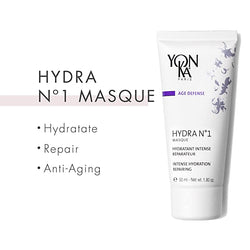
It is best to avoid harsh physical or chemical exfoliants while your skin is in a state of recovery. Roughness is often a sign of dehydration rather than dead skin buildup; instead, focus on hydrating masks like Hydra N°1 Masque to soften the texture without causing further irritation.
Is "maskne" the same as the dry skin caused by the virus?
No, "maskne" is typically caused by friction and the humid microclimate inside a face mask, leading to breakouts. The dryness caused by the virus itself is usually systemic and inflammatory, though wearing a mask while your skin is already dry can certainly worsen irritation and flakiness.