Table of Contents
- Introduction
- The Unique Anatomy of the Eye Contour
- Understanding the Types of Under-Eye Wrinkles
- The Role of Collagen and Elastin
- Extrinsic Factors: The Impact of the Environment
- Lifestyle Habits That Accelerate Wrinkles
- Dehydration vs. True Wrinkles
- The Phyto-Aromatic Approach to Eye Care
- Essential Ingredients for Under-Eye Rejuvenation
- Designing Your Yon-Ka Eye Care Ritual
- Safety and Sensitivity
- Professional Spa Treatments
- Maintaining a Youthful Gaze Naturally
- Conclusion
- FAQ
Introduction
The moment you notice a fine network of lines tracing the corners of your eyes, your perspective on skincare often shifts from simple maintenance to a deeper desire for understanding. Perhaps you caught a glimpse of "laughter lines" in a photograph or noticed your concealer settling into creases that weren't there a few seasons ago. These changes are a natural, storied part of our skin’s journey, yet they often prompt the question: why is this area so uniquely prone to aging?
At Yon-Ka Paris, we view these signs not as flaws to be erased, but as a call to nurture the skin with greater intention and botanical precision through our anti-aging collection. This guide explores the physiological and environmental reasons behind under-eye wrinkles, the distinction between dehydration and structural change, and how a dedicated phyto-aromatic ritual can support a smoother, more radiant appearance. By understanding the science of the eye contour, you can transition from concern to a proactive, revitalizing routine.
The Unique Anatomy of the Eye Contour
To understand why the skin under the eyes is often the first to show signs of aging, we must look at its specific biological structure. This area is significantly different from the skin on your cheeks, forehead, or chin. In fact, the skin surrounding the eyes is the thinnest and most delicate on the entire body.
The skin here is approximately 0.5 millimeters thick, whereas the skin on the rest of the face averages about 2 millimeters. This inherent thinness means there is very little "cushioning" or subcutaneous fat to hide the underlying structures of the face. As we age and the skin loses its density, it becomes more transparent and less resilient, making even the smallest textures appear more prominent.
Furthermore, the eye contour contains very few sebaceous glands. These glands produce sebum, the natural oil that maintains the skin’s barrier and keeps it lubricated. Without an abundant supply of these natural oils, the under-eye area is naturally prone to dryness, which is why our dry & dehydrated skin collection can be a relevant place to look when moisture loss is part of the picture. When the skin is dry, it loses its "plumpness," causing fine lines to become more visible—much like a grape losing its moisture and beginning to show creases.
Understanding the Types of Under-Eye Wrinkles
Not all lines under the eyes are created equal. In the professional skincare world, we categorize these concerns to better understand how to address them with the right ritual.
Dynamic Wrinkles
Dynamic wrinkles are caused by repetitive muscle movement. Our eyes are incredibly expressive; we use the orbicularis oculi muscle to smile, squint, frown, and show surprise thousands of times a day. When we are young, the skin has high elasticity and "snaps back" into place immediately after an expression. However, over time, these repeated movements create permanent creases in the skin’s structure, often referred to as "crow’s feet."
Static Wrinkles
Static wrinkles remain visible even when the facial muscles are at rest. These are caused by a combination of factors, including the natural loss of collagen and external damage from the environment. Unlike dynamic lines that appear with a smile, static wrinkles are a result of the skin’s structural "scaffolding" breaking down, leading to folds that stay present regardless of your expression.
Wrinkle Folds
Wrinkle folds are typically caused by age-related sagging. As the fat pads under the eyes shift or diminish and the skin loses its firming proteins, gravity begins to take a toll. This can lead to a "hooded" appearance or deep grooves between the lower eyelid and the cheek, often accentuating the look of tiredness.
Quick Answer: Under-eye wrinkles are primarily caused by the skin’s exceptional thinness and lack of oil glands in the eye area, combined with the natural loss of collagen and years of repetitive facial expressions. External factors like UV exposure and dehydration also play a significant role in making these lines more visible.
The Role of Collagen and Elastin
The structural integrity of our skin relies on two essential proteins: collagen and elastin. Think of collagen as the "bricks and mortar" that provide strength and volume, while elastin is the "spring" that allows the skin to stretch and return to its original shape.
Starting in our mid-twenties, the body’s natural production of collagen begins to decline by approximately one percent each year. Because the collagen layer in the eye area is already quite thin, this depletion is felt and seen much more rapidly here than elsewhere. When collagen fibers become sparse or fragmented, the skin loses its firmness.
Elastin fibers also degrade over time, losing their ability to pull the skin taut. This loss of resilience means that when we rub our eyes or squint at a screen, the skin takes longer to "bounce back." Eventually, the skin remains in a slightly stretched state, manifesting as the fine lines and crepiness we recognize as aging.
Extrinsic Factors: The Impact of the Environment
While internal aging (intrinsic aging) is inevitable, "extrinsic" aging is caused by external factors that we can often manage or mitigate.
The Damage of UV Radiation
UV exposure is responsible for up to 90% of visible skin aging. Ultraviolet rays penetrate the thin skin of the eye contour and generate free radicals—unstable molecules that damage healthy skin cells. Specifically, UV rays trigger the production of enzymes that break down collagen. Because many people neglect to apply SPF right up to the orbital bone, the eye area often suffers the most significant "photo-aging," characterized by deep wrinkles and a leathery texture. For more everyday defense, explore our sun care collection.
Pollution and Oxidative Stress
In urban environments, the skin is constantly bombarded by particulate matter, smoke, and heavy metals. These pollutants sit on the skin and trigger oxidative stress, a process that depletes the skin’s natural antioxidant defenses. This can lead to a dull, grayish complexion and a breakdown of the skin barrier, making the under-eye area appear more sunken and wrinkled. Using a protective day cream like Vital Defense can help provide a botanical shield against these environmental stressors.
Lifestyle Habits That Accelerate Wrinkles
Beyond biology and the environment, our daily habits play a profound role in the health of our eye contour.
- Sleep Deprivation: During sleep, the body enters a repair mode, producing growth hormones that help rebuild collagen. A chronic lack of sleep interferes with this process, leading to puffiness and a breakdown of the skin’s elasticity.
- Sleeping Positions: Frequently pressing your face into a cotton pillowcase can create "sleep lines." Over time, these mechanical stresses can turn into permanent wrinkles.
- Screen Time and Squinting: We often spend hours squinting at phones and computers. This repetitive movement accelerates dynamic wrinkles. Furthermore, "blue light" from screens may contribute to oxidative stress in the skin.
- Allergies and Rubbing: If you suffer from seasonal allergies, the frequent urge to rub your eyes can be detrimental. The physical friction pulls on the delicate tissue, causing micro-tears and inflammation that lead to premature sagging.
Dehydration vs. True Wrinkles
It is a common misconception that every line under the eye is a permanent wrinkle. Often, what we are seeing are actually dehydration lines.
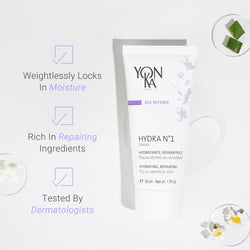
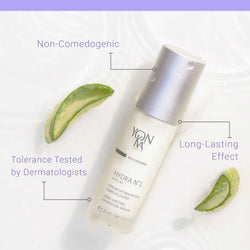
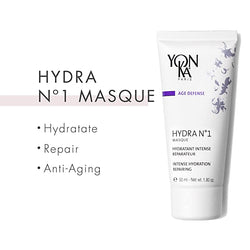
Dehydration lines often appear as a fine, criss-cross "crepiness" or a "parched" look. Unlike static wrinkles, which are deep structural changes, dehydration lines are temporary and can often be plumped back up with proper hydration. If you find that your skin looks significantly smoother after applying a moisturizing mask, such as Hydra N°1 Masque, your primary concern may be a lack of water in the skin rather than true aging.
Key Takeaway: Distinguishing between dehydration and structural wrinkles is essential. While wrinkles require firming and revitalizing actives, dehydration lines can often be smoothed almost immediately with high-quality humectants like hyaluronic acid.
The Phyto-Aromatic Approach to Eye Care
At Yon-Ka, our heritage is rooted in the belief that the most effective skincare comes from a fusion of pharmaceutical rigor and the healing power of nature. We do not believe in "harsh" fixes for the eye area; instead, we prioritize botanical extracts that the skin can recognize and utilize to repair itself, as explained on our ingredients.
The heart of our formulations is the Quintessence, an exclusive complex of five essential oils: lavender, geranium, rosemary, cypress, and thyme. This 100% natural and active blend provides a multi-dimensional approach to eye care:
- Rosemary helps to firm and revitalize the appearance of the skin.
- Lavender and Geranium offer soothing and balancing properties.
- Cypress and Thyme support the skin's natural defenses and help decongest the appearance of puffiness.
We believe in a ritual-based approach to eye care. Because the skin around the eyes is so active and delicate, it requires a specialized step in your morning and evening routine, separate from your face moisturizer.
Essential Ingredients for Under-Eye Rejuvenation
When selecting products to address under-eye wrinkles, look for bio-available ingredients that target both hydration and structural integrity:
- Hyaluronic Acid: A gold-standard humectant that can hold up to 1,000 times its weight in water. It acts as a "moisture magnet," plumping the appearance of the skin from within to smooth fine lines.
- Peptides: These are short chains of amino acids that serve as the building blocks for proteins like collagen. Peptides "signal" the skin to support its natural renewal process, helping to improve the look of firmness.
- Vitamin C: Found in our Serum C20, this powerful antioxidant brightens the look of the skin and helps defend against the free radical damage that leads to premature wrinkles.
- Fruit Acids (AHAs): Gentle alpha-hydroxy acids, like those found in Alpha-Contour, help to refine the skin's texture by gently exfoliating the surface, making fine lines less visible.
- Beech Bud Extracts: Known as the "tree of eternal youth," beech bud extracts help to smooth the appearance of the skin's micro-relief.
Designing Your Yon-Ka Eye Care Ritual
The skin under your eyes thrives on consistency and gentle application. For more guidance on sequencing, Why The Order Of Your Skincare Routine Matters explains why the order of your ritual matters. Here is how to incorporate targeted care into your daily program.
Step 1: Gentle Cleansing
The first rule of eye care is to never tug at the skin. Use a gentle cleansing milk like Lait Nettoyant to dissolve makeup and impurities without stripping the moisture barrier. Always use your ring finger—the weakest finger—to apply products around the eyes.
Step 2: Phyto-Aromatic Toning
Mist your face with Lotion Yon-Ka PS. This iconic phyto-aromatic mist prepares the skin to better absorb the active ingredients in your eye treatment. It provides an immediate sense of refreshment and hydration.
Step 3: Targeted Eye Treatment
Choose a treatment based on your primary concern:
- For Puffiness and Dark Circles: Phyto-Contour is a rosemary-infused cream that provides a "morning-after" refreshing effect. It helps to decongest the appearance of puffiness and brighten the look of tired eyes.
- For Fine Lines and Hydration: Alpha-Contour uses a blend of fruit acids and mimosa tenuiflora to smooth the appearance of the eye and lip contours while providing essential moisture.
- For Firming and Lifting: our firming face cream collection is designed for those noticing a loss of elasticity.
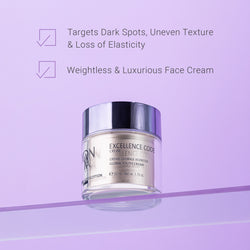
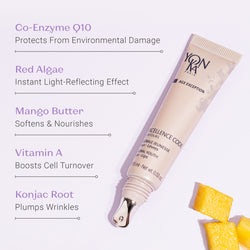
- For Comprehensive Anti-Aging: Excellence Code Contours is our premium solution from the Age Exception collection, addressing wrinkles, puffiness, dark circles, and loss of firmness all in one sophisticated formula.
Step 4: Moisturize and Protect
Follow with your appropriate day or night cream. During the day, ensure you are protecting the area with sun care and quality sunglasses to prevent further UV-induced collagen breakdown.
Safety and Sensitivity
Because the skin under the eyes is so thin, it is more susceptible to irritation. Many people find that high-strength retinols or synthetic fragrances cause redness or peeling in this zone. If sensitivity is part of your routine, explore our sensitive skin & redness collection.
Note: When introducing a new eye product, we recommend a patch test on the inner forearm for 24 hours. Introduce one new product at a time. A slight, transient tingling can be normal due to the activity of essential oils and botanical extracts, but if you experience persistent redness, reduce the frequency of use or consult your professional esthetician.
If you have a history of severe skin reactions or persistent medical conditions like eczema or rosacea, it is always best to consult your dermatologist before beginning a new skincare program.
Professional Spa Treatments
While home care is the foundation of skin health, professional treatments offer a deeper level of care. At Yon-Ka, our roots are in the professional spa environment. Over 7,000 skincare professionals worldwide trust our methods.
A professional Yon-Ka eye treatment often includes specific massage techniques designed to drain the appearance of puffiness and stimulate the skin’s micro-circulation. These treatments use professional-strength concentrations of our phyto-aromatic actives to provide an immediate "rested" look. You can find a nearby partner spa using our Spa Locator to experience these rituals firsthand.
Maintaining a Youthful Gaze Naturally
Skincare is one part of the equation; supporting your body from the inside out is the other.
- Hydration: Drink plenty of water throughout the day to support the skin’s moisture levels.
- Nutrition: Incorporate foods rich in Vitamin C (citrus, bell peppers), Vitamin E (nuts, seeds), and Omega-3 fatty acids (flaxseeds, walnuts) to provide the building blocks for healthy skin.
- Eye Strain Relief: Follow the "20-20-20 rule"—every 20 minutes, look at something 20 feet away for 20 seconds to reduce eye strain and squinting.
- Gentle Removal: When removing mascara, hold a saturated cotton pad over the eye for 10 seconds to let the product dissolve before gently wiping away. Never scrub.
Conclusion
Under-eye wrinkles are a complex intersection of our unique anatomy, our daily expressions, and the environment we live in. While we cannot stop the passage of time, we can choose to support our skin with the respect and botanical wisdom it deserves. By transitioning from a "fix-it" mindset to a nurturing ritual, you provide your eye contour with the hydration, protection, and revitalization it needs to stay smooth and expressive.
If you are unsure which eye treatment is right for your specific needs, we invite you to use our Product Matcher on the Yon-Ka website.
For 70 years, Yon-Ka Paris has remained committed to the belief that skincare is a ritual worth savoring. Rooted in French phyto-aromatic expertise, our mission is to deliver professional-grade results through the power of plants, ensuring your skin remains a radiant reflection of your well-being.
FAQ
Can I use my regular face moisturizer under my eyes?
While some moisturizers are safe, the eye area often requires a different formulation. Face creams can sometimes be too heavy for the thin skin under the eyes, potentially leading to puffiness or "milia" (small white bumps). Specialized eye products like Alpha-Contour are specifically ophthalmologist-tested and formulated with the correct concentration of actives for this delicate zone.
At what age should I start using an eye cream?
Prevention is the most effective strategy. We often recommend starting a dedicated eye ritual in your mid-twenties, when natural collagen production begins to slow. Early use of hydrating and antioxidant-rich products like Phyto-Contour can help maintain the appearance of smoothness and delay the formation of deep static wrinkles.
Why do my wrinkles look worse in the morning?
Under-eye lines often look more pronounced in the morning due to overnight dehydration and the way fluid can pool in the face while lying flat. Additionally, pressing your face into a pillow can create temporary "compression lines." Using a hydrating treatment like Hydra N°1 Masque in the evening and sleeping on your back can help mitigate this.
Can eye cream completely eliminate deep wrinkles?
Cosmetic skincare is designed to improve the appearance of the skin. While high-quality botanical formulas can significantly smooth the look of fine lines, plump dehydration creases, and firm the appearance of the skin, they do not replace medical procedures. Consistent use of a targeted ritual is about achieving your healthiest, most radiant skin at every age.