Table of Contents
- Introduction
- Understanding the Delicate Eye Area at a Young Age
- Common Causes for Under-Eye Lines in Teenagers
- The "Wrinkle" vs. Dehydration Line Distinction
- The Phyto-Aromatic Approach to Eye Care
- Building Your First Eye-Safe Skincare Ritual
- Common Mistakes to Avoid in Teen Skincare
- Lifestyle Habits for Lasting Skin Health
- Sensitive Skin and Safety Basics
- The Professional Touch and Spa Connection
- Distinguishing Between Lines and Shadows
- Embracing Your Natural Skin
- Conclusion
- FAQ
Introduction
Noticing fine lines or creases under your eyes at thirteen can feel confusing and even a little overwhelming. You might be looking in the mirror during your morning routine, wondering why your skin doesn't look as smooth as you expected, especially when most skincare conversations about "wrinkles" seem aimed at adults. At Yon-Ka Paris, we want to reassure you that seeing these lines at a young age is very common and rarely a sign of permanent aging. Usually, these creases are the result of temporary factors like skin dehydration, natural facial expressions, or even simple genetics.
In this guide, we will explore the biological and environmental reasons behind under-eye lines in teenagers. We will help you distinguish between "true" wrinkles and temporary dehydration lines and show you how to build a gentle, botanical-based ritual to support your skin. This post covers the anatomy of the eye area, the impact of lifestyle habits, and how our professional phyto-aromatic approach can help maintain your skin’s natural radiance. Understanding your skin today is the first step toward a lifetime of healthy, glowing results.
Understanding the Delicate Eye Area at a Young Age
The skin surrounding our eyes is unique and significantly different from the skin on the rest of the face. To understand why lines might appear at 13, it helps to look at the anatomy of this area. The skin here is roughly four times thinner than the skin on your chin or forehead. Because it is so thin, it contains fewer sebaceous glands—the tiny glands that produce the skin's natural oils.
Without these oils to act as a "cushion" and moisture seal, the eye area is often the first place to show signs of dryness. For a teenager, this thinness also means that the underlying structures, such as blood vessels or the natural shape of the orbital bone, are more visible. What you perceive as a wrinkle might actually be the way your skin sits over the natural contours of your face.
Furthermore, the muscles around the eyes are incredibly active. We blink up to 20,000 times a day, and we use these muscles for every smile, squint, or look of surprise. Because the skin is so mobile and lacks a thick layer of fat, repetitive movements can create temporary "expression lines." In a young, resilient complexion, these lines usually "snap back" quickly, but certain factors can make them linger and become more noticeable.
Common Causes for Under-Eye Lines in Teenagers
Identifying the cause of under-eye creases is the first step in addressing them. At thirteen, the reasons are almost always external or related to your unique facial structure rather than a loss of collagen.
Skin Dehydration and Transepidermal Water Loss
Dehydration is the most frequent culprit for lines under the eyes at a young age. It is important to distinguish between "dry skin" (a skin type that lacks oil) and "dehydrated skin" (a temporary condition where the skin lacks water). When the skin lacks hydration, it loses its "plumpness," causing the surface to crinkle slightly, much like a piece of fine silk that needs steaming. For persistent dryness, explore our dry and dehydrated skin collection.
Environmental factors like central heating in the winter, air conditioning in the summer, or even washing your face with very hot water can lead to transepidermal water loss (TEWL). This is a process where moisture evaporates from the skin into the air. Because the eye area is so thin, it feels the effects of TEWL much faster than other parts of the face.
Genetic Factors: Dennie-Morgan Folds
Some people are simply born with more lines under their eyes. These are known as Dennie-Morgan folds. They are perfectly normal, small creases that sit just below the lower eyelid. If you have noticed these lines since you were a child, they are likely a part of your unique genetic makeup. These folds are often more prominent in individuals who have a history of allergies, hay fever, or eczema. They are not a sign of aging but rather a characteristic of your natural anatomy.
Digital Eye Strain and Squinting
Thirteen is an age where screen time—for schoolwork, gaming, and social media—is often high. Spending long hours looking at phones or laptops can lead to digital eye strain. When we squint at a screen or struggle to see in bright light without sunglasses, we contract the muscles around the eyes. Over time, these repetitive movements can make expression lines appear deeper. If you find yourself squinting often, it may be worth checking if you need a vision correction or simply taking more frequent breaks from your devices.
Allergies and Physical Friction
If you suffer from seasonal allergies or hay fever, you may notice that your under-eye lines become more pronounced during certain times of the year. Allergies cause inflammation and puffiness. When the skin swells and then returns to its normal size, it can leave behind temporary creases. Additionally, if your eyes are itchy, you might be rubbing them frequently. The physical friction of rubbing can irritate the thin skin and break tiny blood vessels, leading to both dark circles and a more lined appearance.
Lack of Sleep and Lifestyle Factors
The teenage years are a period of rapid growth and hormonal changes, which require a lot of rest. A lack of sleep can cause the blood vessels under the eyes to dilate, creating dark shadows. This puffiness can stretch the skin, making any existing lines look more pronounced. Similarly, a diet high in processed sugar or a lack of water intake can leave the skin looking dull and less "bouncy."
Quick Answer: Under-eye lines at 13 are usually "dehydration lines" or natural "expression lines" caused by thin skin, genetics, or environmental stressors. They are rarely permanent wrinkles and typically improve with gentle hydration and healthy lifestyle habits.
The "Wrinkle" vs. Dehydration Line Distinction
It is helpful to know the difference between a permanent wrinkle and a dehydration line. A "true" wrinkle is caused by the breakdown of collagen and elastin fibers deep within the skin, which generally happens over many decades.
A dehydration line, however, is a surface-level crease. If you notice that your lines seem to appear in the morning but fade after you drink water and apply moisturizer, they are almost certainly caused by dehydration. If they become more visible when you are tired or after a long day of school, they are likely expression lines or signs of fatigue. At 13, your skin has incredible regenerative powers, and these lines are often reversible with the right care.
The Phyto-Aromatic Approach to Eye Care
At Yon-Ka, we believe in a balanced, plant-based approach to skincare that respects the skin’s natural equilibrium. We avoid harsh synthetic chemicals that might irritate young, sensitive skin. Instead, we harness the power of aromatherapy and phytotherapy (the use of plant extracts for health and beauty).
Our foundation is the Quintessence—a unique complex of five essential oils: lavender, geranium, rosemary, cypress, and thyme. This 100% natural and active complex helps to balance and revitalize the skin. For the eye area, botanical ingredients like rosemary can be particularly beneficial. In professional treatments, we use these plants to support microcirculation, which helps reduce the appearance of puffiness and dark circles that often make under-eye lines look worse.
Our professional spa expertise has taught us that the best results come from gentle, consistent care. You don't need aggressive "anti-aging" products; you need nourishment that supports your skin's barrier.
Building Your First Eye-Safe Skincare Ritual
Skincare doesn't need to be complicated, especially in your teens. The goal is to protect your skin barrier and keep moisture levels high. Our ritual approach is based on layering gentle products that work in harmony.
Step 1: Gentle, Barrier-Respecting Cleansing
Start with a mild cleanser that doesn't strip your skin. Many teenagers use harsh foaming washes to fight blemishes, but these can be too drying for the eye area. Lait Nettoyant is a gentle cleansing milk that removes impurities and pollution while respecting the skin's natural oils. Use cool or lukewarm water, as hot water can increase dehydration.
Step 2: The Healing Mist
Follow with a mist of Lotion Yon-Ka PS. This is our signature phyto-aromatic mist and is alcohol-free, making it safe for sensitive skin. It provides an immediate burst of hydration and helps the skin absorb the products you apply next. For dry or sensitive skin, choose the Lotion Yon-Ka PS version.
Step 3: Targeted Hydration
If you feel your eye area needs extra care, you can use a targeted product like Phyto-Contour. This refined, aromatic cream uses rosemary to visibly "wake up" the eye area and address the look of puffiness.
When applying eye cream, use a "less is more" approach. Dab a tiny amount—about the size of a grain of rice—onto your ring finger. Gently pat it along the orbital bone (the hard bone you can feel around your eye). Avoid applying it too close to your lashes, as the product will naturally travel toward the eye as it warms up on your skin.
Step 4: Moisturize and Protect
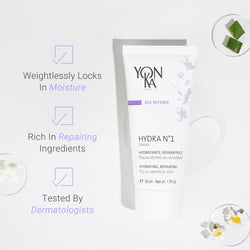
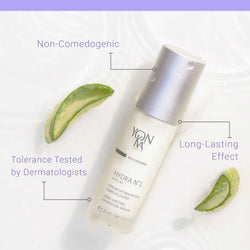
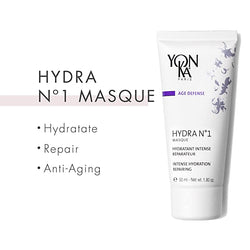
Apply a hydrating moisturizer to the rest of your face and neck. Hydra n°1 Crème is an excellent choice for preventing dehydration lines, as it contains hyaluronic acid to help the skin retain water. Finally, never skip sun protection. Even on cloudy days, UV rays can damage the skin. A gentle sunscreen will protect your skin's collagen for the long term.
Key Takeaway: A simple ritual of cleansing, misting, and moisturizing with barrier-respecting products is usually all a teenager needs to resolve the appearance of dehydration lines.
Common Mistakes to Avoid in Teen Skincare
When you are worried about lines, it is easy to fall for skincare "hacks" or trends that can actually make the problem worse.
- Using Heavy Anti-Aging Creams: Products designed for mature skin (like those with high concentrations of retinol or firming peptides) are often too rich for a thirteen-year-old. They can cause small white bumps called milia or irritate the thin eye skin.
- Over-Exfoliating: Scrubbing the skin under your eyes with harsh grains or strong acids can damage the skin barrier, leading to extreme dehydration and more visible lines.
- Rubbing Your Eyes: Whether it's due to tiredness or removing makeup, rubbing puts physical stress on the skin. Always use a gentle touch and a soft cloth or cotton pad.
- Forgetting SPF: Many people only wear sunscreen at the beach, but daily UV exposure is a major cause of early skin changes. Protect your eyes by wearing sunglasses and exploring our Sun Care collection.
- Using Harsh Makeup Removers: Avoid removers that leave your skin feeling "squeaky clean" or tight. Look for oil-based or milk-based removers that dissolve makeup without the need for scrubbing.
Lifestyle Habits for Lasting Skin Health
Skincare products work best when supported by healthy habits. Your skin is a reflection of your overall well-being, and at 13, your body is going through many changes that can affect your complexion.
- Prioritize Sleep: Your skin does most of its repair work while you sleep. Aim for 8–10 hours of high-quality rest to help reduce puffiness and dark circles.
- Stay Hydrated from Within: Drinking enough water throughout the day helps keep your skin cells plump. If you find plain water boring, try adding slices of fruit or cucumber.
- Take Screen Breaks: Follow the 20-20-20 rule: every 20 minutes, look at something 20 feet away for 20 seconds. This reduces eye strain and the squinting that causes expression lines.
- Eat an Antioxidant-Rich Diet: Fruits and vegetables like berries, spinach, and oranges are full of vitamins that support skin health and help protect against environmental damage.
- Manage Stress: High stress levels can impact your skin's ability to hold onto moisture. Finding time for hobbies, exercise, or simple relaxation can help your skin look its best.
Sensitive Skin and Safety Basics
Because the eye area is so delicate, and because we use essential oils in our formulas, we always recommend a sensible approach to safety. For a broader guide, read our How to Properly Care for Sensitive Skin.
Note: When introducing any new product into your ritual, it is a good practice to perform a patch test. Apply a small amount of the product to your inner forearm and wait 24 hours to ensure you have no reaction.
Introduce one new product at a time so you can see how your skin responds. A slight, temporary tingling sensation can be normal with active botanical ingredients, but if you experience persistent redness, itching, or irritation, you should reduce the frequency of use or discontinue the product. If you have a severe reaction, such as swelling or difficulty breathing, seek medical attention immediately. If you have persistent skin concerns like eczema or severe allergies, it is always best to consult with a dermatologist or your primary physician.
The Professional Touch and Spa Connection
While a home ritual is the foundation of great skin, sometimes a professional perspective can be helpful. Our heritage is rooted in the treatment room, where over 7,000 skincare professionals worldwide trust Yon-Ka products. If you are unsure about the lines under your eyes, visiting a Yon-Ka partner spa can provide clarity. A professional esthetician can analyze your skin type and help you understand the difference between your natural facial structure and dehydration. You can find a local professional using our Spa Locator on our website.
Distinguishing Between Lines and Shadows
Sometimes, what people think are wrinkles are actually shadows caused by the structure of their face. If you have "deep-set" eyes, the brow bone can cast a shadow over the under-eye area, making any natural creases look darker and deeper.
This is often combined with dark circles, which are caused by blood vessels showing through the thin skin. Improving circulation through gentle massage (like the light tapping motion used to apply Phyto-Contour) can help brighten the appearance of the area, making the lines less noticeable. For deeper support, explore our eye and lip contour collection.
Embracing Your Natural Skin
At Yon-Ka Paris, we believe that skincare should be a ritual worth savoring—a moment of wellness in your busy day. It is important to remember that nobody has perfectly "filter-smooth" skin in real life. Even at 13, it is natural for skin to move, fold, and show your expressions.
Our mission is to provide you with the tools to care for your skin with pharmaceutical-grade rigor and botanical gentleness. By focusing on hydration, protection, and healthy habits, you can support your skin's natural resilience. If you are unsure which products are right for your specific needs, we invite you to use our Product Matcher or take our Skin Diagnosis quiz on our website.
Conclusion
Seeing lines under your eyes at 13 is almost always a sign that your skin needs a little extra hydration or rest, rather than a sign of permanent aging. By understanding the thin, delicate nature of the eye area and protecting your skin from environmental stressors like UV rays and digital strain, you can keep your complexion looking vibrant and healthy. Remember to be gentle with yourself and your skin, choosing products that support your natural barrier.
- Focus on hydration over aggressive "anti-aging" actives.
- Maintain a simple, consistent ritual of cleansing and moisturizing.
- Protect your skin daily with SPF and sunglasses.
- Prioritize sleep and hydration to support your skin's natural repair process.
"Skincare is not about chasing perfection; it is about honoring the skin you are in with the power of nature and 70 years of phyto-aromatic expertise." — Yon-Ka Paris
To begin your journey toward a balanced and radiant complexion, we encourage you to explore our Best Sellers collection or take our Skin Diagnosis quiz to find your perfect match.
FAQ
Is it normal to have under-eye wrinkles at 13?
Yes, it is very common and usually not a sign of aging. At this age, these lines are typically caused by skin dehydration, natural facial expressions, or genetic factors like Dennie-Morgan folds, which are perfectly normal creases beneath the lower eyelid. If you want a more targeted eye-care path, the Wrinkles collection focuses on smoothing fine lines and wrinkles around the eye contour.
Can screen time cause lines under my eyes?
Spending long hours looking at digital devices can cause "digital eye strain," leading to frequent squinting. This repetitive muscle movement can make expression lines appear more prominent, while the lack of rest can contribute to puffiness and shadows that accentuate these lines. If you want help choosing the right routine, you can start with the Skin Diagnosis quiz.
What is the best way to get rid of under-eye lines at a young age?
The most effective approach is to focus on deep hydration and protection. Using a gentle moisturizer like Hydra n°1 Crème and protecting the area with SPF can "plump" the appearance of dehydration lines and prevent future damage from environmental stressors. For more hydrating options, browse our Face Moisturizers collection.
Should I use my mom's eye cream for my lines?
No, you should avoid using anti-aging products designed for mature skin. These formulas often contain high concentrations of active ingredients like retinol or heavy oils that can be too stimulating for teenage skin, potentially causing irritation or small white bumps called milia. If you are looking for age-appropriate eye care, explore our anti-aging collection.