Table of Contents
- Introduction
- The Anatomy of Young Skin: Why It’s Not Permanent
- Common Causes of Under-Eye Lines in Teenagers
- The Yon-Ka Phyto-Aromatic Eye Ritual
- Essential Ingredients for Bright, Smooth Eyes
- Lifestyle Habits to Support Your Skincare
- Common Mistakes: What to Avoid
- Why Phyto-Aromatic Care is Different
- Conclusion: Embracing the Ritual
- FAQ
Introduction
Leaning into the mirror and noticing fine lines beneath your eyes can be an unsettling experience, especially at fourteen. In an age of high-definition cameras and social media, we are more attuned to our skin’s nuances than ever before. However, it is important to realize that the delicate skin around the eyes is a dynamic, living tissue that reflects your daily environment and habits. Seeing these lines doesn't mean you are aging prematurely; rather, it is often a signal from your skin that it is thirsty, tired, or reacting to external stressors.
At Yon-Ka Paris, we have spent seven decades mastering the art of phyto-aromatic skincare, blending the best of nature with pharmaceutical rigor. We believe that understanding your skin is the first step toward a lifetime of radiance. This article will explore the physiological reasons behind these lines, the environmental triggers unique to teenage life, and how a gentle, botanical ritual can restore your glow. By focusing on hydration and protection, you can support your skin’s natural resilience and maintain a smooth, healthy appearance.
Quick Answer: Under-eye lines at 14 are typically "dehydration lines" or "dynamic creases" rather than permanent wrinkles. They are often caused by lack of sleep, digital eye strain from screens, or a compromised moisture barrier, all of which can be addressed with targeted botanical hydration and better lifestyle habits.
The Anatomy of Young Skin: Why It’s Not Permanent
To understand why you might see lines at fourteen, we must first look at how your skin is built. At this age, your skin is actually at its physiological peak. It is rich in collagen and elastin—the structural proteins that keep skin firm and "bouncy." Unlike the static wrinkles that adults develop over decades of collagen loss, the lines you see now are likely temporary.
The skin around the eyes is up to 40% thinner than the rest of the face. It lacks the density of oil glands found on the forehead or chin, making it the first place to show signs of stress or thirst. Because this area is so thin, the blood vessels underneath are more visible, and the skin can lose its "plumpness" very quickly when moisture levels drop.
Static vs. Dynamic Lines
It is helpful to distinguish between the two types of lines. Static wrinkles are those that remain on the face even when it is completely still. Dynamic lines appear when you smile, laugh, or squint. At fourteen, almost all under-eye lines are dynamic. Because your skin is so elastic, it usually snaps back into place. However, if the surface of the skin is dry, those dynamic lines can "linger" or look deeper than they truly are, creating the illusion of a wrinkle.
The Dennie-Morgan Fold
Many teenagers notice a specific line or "fold" that sits just below the lower eyelid. This is often a Dennie-Morgan fold. This is not a wrinkle caused by aging, but rather a natural skin feature that is frequently genetic. It can become more prominent if you have seasonal allergies (like hay fever) or eczema, as these conditions cause minor inflammation and frequent eye-rubbing. Recognizing this as a natural trait can help alleviate the worry that your skin is "aging" too fast.
Common Causes of Under-Eye Lines in Teenagers
If you have ruled out genetics, there are several lifestyle and environmental factors that can lead to the appearance of lines. Addressing these is often as simple as making small adjustments to your daily routine.
Dehydration and the Environment This is the most common culprit. When the skin lacks water, it loses its volume. Think of a grape turning into a raisin; when moisture is removed, the surface creases. Modern environments are often very drying. Spending hours in air-conditioned classrooms or rooms with central heating can sap moisture from the epidermis. Additionally, washing your face with very hot water or using harsh, stripping acne cleansers can damage the skin's natural barrier, leading to "crepey" skin under the eyes.
Digital Eye Strain and Squinting Teenagers today spend a significant amount of time focusing on smartphones, laptops, and gaming consoles. This leads to what professionals call "computer vision syndrome." When you stare at a screen, you tend to blink less and squint more. This repetitive muscle contraction creates dynamic lines. Furthermore, the blue light emitted from screens can contribute to oxidative stress, while the strain itself can cause you to rub your eyes frequently—a habit that pulls on the delicate periorbital skin.
The Impact of Sleep Deprivation During sleep, your body enters a state of repair. For teenagers, who typically need 8 to 10 hours of rest, sleep is when the skin regenerates. When you miss out on restorative sleep, your body produces more cortisol, a stress hormone that can subtly interfere with the skin’s ability to hold onto moisture. Lack of sleep also causes the blood vessels under the eyes to dilate, leading to puffiness and dark circles. This swelling can stretch the thin skin, leaving behind fine lines once the puffiness goes down.
Unprotected Sun Exposure While the deep effects of sun damage usually don't appear until later in life, the process of "photo-aging" begins with your very first sunburn. UV rays break down the collagen fibers that give skin its strength. Many teenagers skip sunscreen around the eyes because they fear it will sting or cause breakouts. However, the skin in this area is the most vulnerable to UV-induced thinning. Even on cloudy days, UV rays are present and can contribute to a loss of elasticity over time.
Key Takeaway: Under-eye lines at fourteen are almost always a symptom of an external factor—usually dehydration, lack of sleep, or repetitive movement—rather than a permanent change in the skin's structure.
The Yon-Ka Phyto-Aromatic Eye Ritual
In the French tradition, skincare is not about "fixing" a problem with harsh chemicals; it is about a consistent, gentle ritual that supports the skin’s natural harmony. For a fourteen-year-old, the goal is to hydrate and protect. Our approach focuses on using professional-grade botanical ingredients that respect the skin’s sensitivity.
Step 1: Barrier-Respecting Cleansing
The first mistake many teens make is using a cleanser that is too aggressive. If your skin feels "squeaky clean" or tight after washing, your cleanser is likely stripping away the essential lipids that keep the eye area smooth. We recommend a milky, pH-balanced cleanser like Lait Nettoyant. This gentle milk dissolves impurities without disrupting the moisture barrier. Always use your ring fingers to massage the eye area, as they apply the least amount of pressure.
Step 2: The Essential Mist
After cleansing, it is vital to rehydrate the skin immediately. Lotion Yon-Ka PS is more than just a toner; it is a phyto-aromatic healing water. This mist, designed for dry skin, contains our signature Quintessence—a blend of lavender, geranium, rosemary, cypress, and thyme. Misting the face helps to neutralize the drying effects of hard water and prepares the skin to absorb the hydration that follows.
Step 3: Targeted Eye Care
For those noticing the appearance of fine lines or puffiness, a specific eye product can make a significant difference. Phyto-Contour is a beloved professional formula that is perfect for tired eyes. It uses the power of rosemary to visibly firm the eye contours and reduce the look of puffiness and dark circles. The aromatic scent of rosemary provides a refreshing sensation, making it an ideal morning "wake-up" for the eyes.
Step 4: Layering Hydration
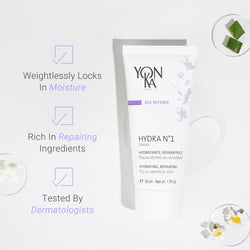
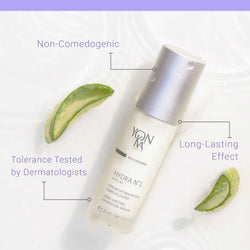
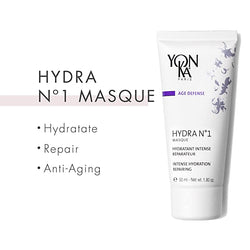
Because under-eye lines are so often caused by dehydration, layering a hydrating serum can be a game-changer. Hydra N°1 Creme is a long-lasting hydration cream that uses hyaluronic acid to support moisture levels. Follow this with a light moisturizer like Sensitive Creme to help seal in that moisture and protect the skin from environmental pollution.
Step 5: Daily Protection
The final and most important step is sun protection. A broad-spectrum SPF prevents UV rays from weakening the delicate collagen in the eye area. Look for a gentle formula that won't migrate into the eyes. Consistent use of sun protection in your teens is the most effective way to prevent permanent wrinkles in the future.
Essential Ingredients for Bright, Smooth Eyes
When choosing products, look for botanicals that offer hydration, soothing, and protection. At Yon-Ka, we prioritize ingredients of natural origin that deliver visible results without irritation.
- Hyaluronic Acid: This is the gold standard for dehydration. It is a molecule that can hold up to 1,000 times its weight in water. When applied topically, it helps to "plump" the appearance of the skin, making fine thirst lines virtually disappear.
- Rosemary: Found in our Phyto-Contour, rosemary has a naturally toning and draining effect. It helps to firm the appearance of the skin around the eyes and is excellent for those who wake up with morning puffiness.
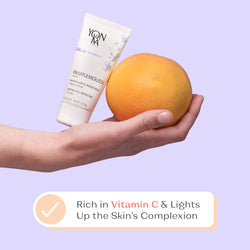
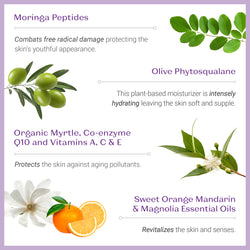
- Vitamin E and Vitamin C: These are powerful antioxidants. They help to neutralize "free radicals"—unstable molecules caused by pollution and UV rays that damage skin cells. Serum Vitamine C is an excellent way to introduce stable Vitamin C for a brighter-looking complexion.
- Aloe Vera: A classic for a reason, aloe vera provides immediate soothing hydration. It is perfect for cooling tired eyes after a long day of school or screen use.
- Beech Bud Peptides: These botanical peptides help to smooth the appearance of the skin’s surface, encouraging a radiant and healthy glow.
Note: Because our products contain pure essential oils and active botanicals, we always recommend a patch test when introducing something new. Apply a small amount to your inner forearm and wait 24 hours to ensure your skin is comfortable with the formula.
Lifestyle Habits to Support Your Skincare
No cream can replace the benefits of a healthy lifestyle. To truly address under-eye lines at fourteen, consider these simple daily habits.
The "20-20-20" Rule for Digital Health To reduce the squinting and eye strain that lead to dynamic lines, follow this ophthalmologist-recommended rule: Every 20 minutes, look at something 20 feet away for at least 20 seconds. This allows the small muscles around your eyes to relax and prevents the tension that creates creases.
Hydrate From the Inside Out Skincare starts in the kitchen. Drinking enough water throughout the day ensures that your skin cells have the internal resources they need to stay plump. In the winter months, when we often drink less water, the combination of cold air and indoor heating can be devastating for the skin. Try to keep a reusable water bottle with you at school.
Optimize Your Sleep Environment Try to keep your phone out of reach at least 30 minutes before bed. The blue light from screens interferes with melatonin production, which can ruin your sleep quality. If you find you wake up with "sleep lines," try to sleep on your back. Sleeping on your side or stomach can compress the skin against the pillow, creating mechanical stress that leads to temporary creases. Switching to a silk or satin pillowcase can also reduce friction on the skin.
Manage Allergies and Eye Rubbing If you find yourself constantly rubbing your eyes due to itchiness, you may have underlying allergies. Frequent rubbing is one of the fastest ways to break down the delicate fibers in the eye area. Consult with a healthcare provider to manage hay fever or dust allergies, and use a cooling compress or a product like Phyto-Contour to soothe the itchiness naturally.
Common Mistakes: What to Avoid
When teenagers become concerned about wrinkles, they often turn to products that are much too strong for their skin.
- Avoid High-Strength Retinol: Retinol is a powerful anti-aging ingredient for mature skin, but it can be incredibly drying and irritating for a fourteen-year-old. At this age, your skin cell turnover is already fast; you don't need to accelerate it.
- Don't Use Heavy Body Lotions on the Face: The skin under the eyes is too thin to absorb thick, occlusive body creams. This can lead to "milia"—tiny, hard white bumps that form when keratin gets trapped under the skin.
- Avoid Harsh Physical Scrubs: Never use a grainy scrub near your eyes. If you need to exfoliate, use a gentle, grain-free peel like Gommage Yon-Ka, which fits better into a gentle facial care routine.
- Don't Forget Your Sunglasses: Sunglasses aren't just a fashion accessory; they are a physical barrier against UV rays and a great way to prevent squinting on bright days.
Why Phyto-Aromatic Care is Different
Our heritage at Yon-Ka Paris is rooted in the fusion of four plant sciences: aromatherapy (the use of essential oils), phytotherapy (the use of plant extracts), aromachology (the influence of scents on the mind), and marine biology. This holistic approach ensures that we aren't just treating the surface of the skin, but supporting its overall well-being.
The foundation of our formulas is the Quintessence and our formulation philosophy. This exclusive complex of five essential oils provides a synergistic effect that stabilizes and revitalizes the skin. When you use a product like Lotion Yon-Ka PS, you aren't just hydrating; you are engaging in a sensory ritual that has been trusted by over 7,000 skincare professionals worldwide for 70 years. For a teenager, this means your skincare routine becomes a moment of calm in a busy day, rather than a stressful "fix-it" mission.
Conclusion: Embracing the Ritual
The appearance of under-eye lines at fourteen is rarely a cause for alarm. In most cases, these lines are a simple request for more hydration, more rest, and better protection. By adopting a gentle, phyto-aromatic ritual—cleansing with Lait Nettoyant, misting with Lotion Yon-Ka PS, and hydrating with Phyto-Contour—you can give your skin the support it needs to stay smooth and resilient.
- Prioritize hydration both topically and internally.
- Protect your eyes from digital strain and UV rays.
- Avoid harsh "anti-aging" products that can cause irritation.
- Consult a professional if you notice persistent redness, itching, or severe dryness.
Key Takeaway: Skincare is a journey, not a sprint. Consistency and gentleness will always yield better results than aggressive treatments.
If you are unsure which products are right for your specific skin type, we invite you to use our Skin Diagnosis quiz or the Product Matcher on our website. You can also find a local spa through our Spa Locator to receive a professional analysis from a trained esthetician. At Yon-Ka Paris, our mission is to provide you with the tools to savor your skincare ritual, building a foundation of health that will serve you for decades to come.
FAQ
Can a 14-year-old use eye cream?
Yes, but it is important to choose a formula that focuses on hydration and soothing rather than aggressive anti-aging. Products like Phyto-Contour are excellent because they use botanical extracts to de-puff and hydrate without the use of harsh retinols or acids.
Are the lines under my eyes permanent?
At fourteen, these lines are almost always temporary "dehydration lines" or "dynamic creases." Because your skin is still rich in collagen and elastin, it has a high capacity to bounce back once you restore its moisture levels and improve your sleep and hydration habits.
Will drinking more water fix my under-eye wrinkles?
While water intake is essential for overall skin health, it works best when combined with topical hydration. Drinking water provides the "raw material" for your cells, but a moisturizer like Hydra N°1 Creme is needed to help seal that moisture into the skin and prevent it from evaporating.
Should I see a dermatologist for under-eye lines?
If the lines are accompanied by persistent redness, extreme dryness, flaking, or if you suspect they are related to an allergy or eczema, it is a good idea to consult a dermatologist or physician. They can help identify if a medical condition like atopic dermatitis is contributing to the skin's appearance.