Table of Contents
- Introduction
- The Unique Biology of the Eye Area
- Primary Causes of Under-Eye Wrinkles
- Dynamic vs. Static Wrinkles: Knowing the Difference
- The Yon-Ka Phyto-Aromatic Approach to Eye Care
- Essential Ingredients for the Under-Eye Area
- Building a Ritual for Your Eyes
- Lifestyle Habits to Protect Your Eye Contour
- Myth vs. Fact: Under-Eye Wrinkles
- When to Seek Professional Guidance
- Conclusion
- FAQ
Introduction
The mirror often reflects the stories of our lives—the laughter shared with friends, the late nights spent chasing dreams, and the quiet moments of reflection. However, many of us eventually notice that these experiences leave behind delicate lines in the periorbital area, leading to the common question: why do I get wrinkles under my eyes? At Yon-Ka Paris, we understand that the skin surrounding your eyes is a unique landscape requiring specialized care and a deep understanding of botanical science. This article will explore the biological factors, environmental influences, and lifestyle habits that contribute to the appearance of under-eye lines. We will also share how a consistent, phyto-aromatic ritual can support a smoother, more radiant look. Understanding these causes is the first step toward choosing the right botanical solutions for your skin’s longevity.
Quick Answer: Wrinkles under the eyes occur primarily because the skin in this area is significantly thinner and more delicate than the rest of the face. A combination of natural collagen loss, repetitive facial expressions, sun damage, and a lack of oil glands in this region makes it the first place to show signs of aging and environmental stress.
The Unique Biology of the Eye Area
To understand why wrinkles appear here first, we must look at the specific anatomy of the periorbital region. While the skin on your forehead or cheeks is relatively robust, the skin around your eyes is remarkably thin—often measuring only 0.2mm to 0.5mm in thickness. To put that into perspective, it is about the thickness of three sheets of paper, making it the most fragile skin on your entire body.
A lack of sebaceous glands is another critical factor. Most of your face produces natural oils (sebum) that help maintain the moisture barrier and keep the skin supple. The under-eye area has very few of these glands, which means it is naturally prone to dryness and dehydration. When skin lacks moisture, it loses its "plumpness," making fine lines much more visible to the naked eye.
Minimal subcutaneous fat also plays a role. The padding of fat that gives our face a youthful, rounded appearance is nearly absent directly under the lower eyelid. This means there is very little "cushion" between the skin and the underlying orbicularis oculi muscle. As that muscle moves, the thin skin above it is easily creased, eventually leading to permanent lines.
Primary Causes of Under-Eye Wrinkles
While aging is the most cited cause, it is rarely the only factor at play. Wrinkles are usually the result of a "perfect storm" where internal biological shifts meet external stressors.
The Natural Degradation of Collagen and Elastin
As we age, our body's internal "factory" for collagen and elastin slows down. Collagen provides the skin with its structural strength, while elastin allows it to "snap back" after movement. Beginning in our mid-20s, we lose about 1% of our collagen production every year. In the thin eye area, this loss is felt more acutely, leading to a loss of firmness and the appearance of crepey skin.
Photoaging and UV Exposure
Scientific research suggests that up to 90% of visible skin aging is caused by the sun. UVA rays, in particular, penetrate deep into the dermis and break down the collagen fibers that keep our skin smooth. Because the skin under the eyes is so thin, it has less natural protection against these rays. If you frequently skip sunscreen in this area or do not wear UV-protective sunglasses, the structural integrity of your under-eye skin may degrade faster than the rest of your face.
Repetitive Facial Expressions
We often call them "smile lines" or "laugh lines" for a reason. Every time you smile, squint, or frown, the muscles around your eyes contract, folding the skin. When we are young, the skin's high elastin content allows these folds to disappear as soon as our expression relaxes. However, as elastin wanes and the movements continue over decades, these dynamic lines eventually become static, meaning they are visible even when your face is at rest.
Dehydration and Trans-Epidermal Water Loss
Dehydration is a temporary state that can mimic the look of permanent wrinkles. When the body is dehydrated, or when the skin’s moisture barrier is compromised, the cells in the epidermis shrivel slightly. This creates a "crinkled" texture. Because the eye area lacks natural oils, it is highly susceptible to trans-epidermal water loss (TEWL), where moisture evaporates from the skin into the air.
Dynamic vs. Static Wrinkles: Knowing the Difference
When analyzing why you have wrinkles under your eyes, it is helpful to categorize them into two types. This distinction helps in managing expectations and choosing the right topical treatments.
- Dynamic Wrinkles: These are the lines that appear only when you are using your facial muscles. If you see lines when you smile or squint but they disappear when your face is neutral, these are dynamic. They are a natural part of human expression.
- Static Wrinkles: These lines remain visible on the face even when the muscles are completely relaxed. They are the result of long-term damage to the skin's structure, often from a combination of aging, sun damage, and repeated dynamic movement over many years.
Key Takeaway: While dynamic wrinkles are a sign of a life well-lived and active expressions, static wrinkles are where targeted botanical interventions—like peptides and deep hydration—can make the most visible difference in the skin's appearance.
The Yon-Ka Phyto-Aromatic Approach to Eye Care
At Yon-Ka, our heritage is rooted in the belief that nature provides the most potent tools for skin vitality. We do not believe in harsh "quick fixes" that can irritate the delicate eye area. Instead, we utilize the power of phyto-aromatics—the fusion of plant extracts (phytotherapy) and essential oils (aromatherapy).
Central to our philosophy is the Quintessence. This exclusive complex of five essential oils—Lavender, Geranium, Rosemary, Cypress, and Thyme—acts as the heartbeat of our formulations. In eye care, these oils are carefully balanced to support microcirculation and skin toning without causing sensitivity. For example, rosemary is prized in our professional treatments for its ability to firm the appearance of the skin and provide a revitalizing effect to tired-looking eyes.
We pair these essential oils with high-performance botanical actives like beech tree bud peptides, hyaluronic acid, and vitamin C to address the visible signs of aging while respecting the skin's fragile barrier.
Essential Ingredients for the Under-Eye Area
When looking for products to address under-eye lines, certain ingredients stand out for their ability to support the skin's appearance without causing the irritation often associated with general face creams.
Hyaluronic Acid: The Moisture Magnet
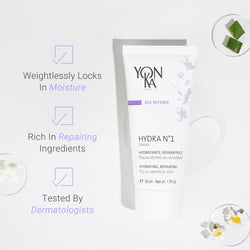
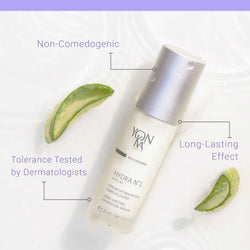
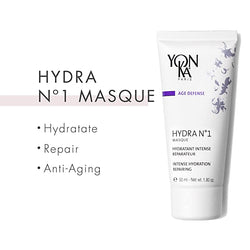
Hyaluronic acid is a molecule that can hold up to 1,000 times its weight in water. Because the eye area is so prone to dehydration, using a product like Hydra N°1 Creme helps to "flood" the skin with moisture. This instantly plumps the appearance of fine lines caused by dryness.
Vitamin C: The Brightener and Protector
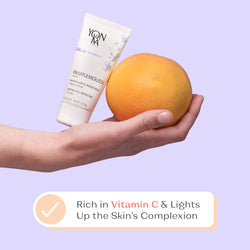
Vitamin C is a legendary antioxidant that helps neutralize the free radicals caused by pollution and UV rays. It also supports the appearance of skin firmness. Serum C20 uses a stable form of 20% Vitamin C to provide a brightening effect and support the skin’s natural defenses against the environmental factors that cause wrinkles.
Peptides: The Building Blocks
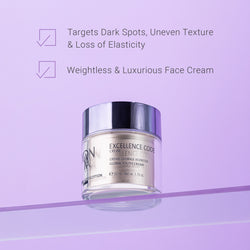
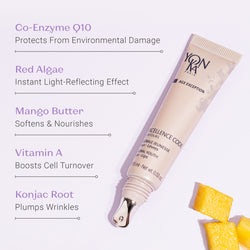
Peptides are short chains of amino acids that act as messengers to the skin. In eye care, specific peptides are used to signal the skin to look firmer and more resilient. We incorporate these into our advanced formulas, such as Excellence Code Crème, to help mature skin look more lifted and youthful.
Rosemary and Beech Tree Buds
In our Phyto-Contour cream, we utilize the invigorating properties of rosemary to visibly "wake up" the eyes. Beech tree bud extracts are often called "vegetal squalane" or "liquid gold" in phytotherapy because they are rich in polyphenols and amino acids that help smooth the appearance of the skin’s surface.
Building a Ritual for Your Eyes
Addressing under-eye wrinkles is not about a single "miracle" product; it is about a consistent ritual that protects and nourishes the skin day after day. Our ritual-based approach ensures each layer of product builds upon the last for maximum efficacy.
Step 1: Gentle, Barrier-Respecting Cleansing
Never tug or pull at the eye area when removing makeup. Use a soft, milky cleanser like Lait Nettoyant. Apply it with your ring fingers (your weakest fingers) and move in gentle circular motions. This prevents the mechanical stress that can break down delicate elastin fibers over time.
Step 2: Prepare with a Phyto-Aromatic Mist
After cleansing, a light mist of Lotion Yon-Ka helps to hydrate the skin and prep it for treatments. The lavender and geranium in the mist provide a soothing sensation that is perfect for the sensitive eye area.
Step 3: Targeted Eye Treatment
This is where you address your specific concerns.
- For Puffiness and Fine Lines: Use Phyto-Contour in the morning. Its rosemary-rich formula helps to visibly de-puff and firm the appearance of the eye contour.
- For Deep Wrinkles and Lifting: Apply Alpha-Contour to help support a firmer, more "lifted" look.
- For Dryness: Use Hydra N°1 Creme, a non-oily formula that helps smooth the skin while providing intense hydration.
Step 4: Moisturize and Protect
Finish your routine with a moisturizer like Vital Defense Mist, which is packed with antioxidants to help protect against environmental pollutants and UV-related stress that contribute to premature wrinkling.
Note: When introducing a new eye treatment, always perform a patch test on your inner forearm for 24 hours. While our products are formulated for tolerance, the essential oils in the Quintessence are active. A slight, temporary tingling can be normal, but persistent redness means you should consult your aesthetician or reduce the frequency of use.
Lifestyle Habits to Protect Your Eye Contour
Skincare is only one piece of the puzzle. To truly understand why you get wrinkles under your eyes and how to slow their progression, you must look at your daily habits.
Prioritize Restorative Sleep: During deep sleep, your body undergoes a process of cellular repair. Lack of sleep increases cortisol (the stress hormone), which can break down collagen. Furthermore, the position in which you sleep matters. Sleeping on your stomach or side can cause "compression wrinkles" as your face is pressed against the pillow. If possible, try sleeping on your back with a silk or satin pillowcase to minimize friction.
Stay Hydrated from Within: Topical hydration is essential, but internal hydration keeps the skin cells functioning optimally. When you are dehydrated, the skin under your eyes can look "sunken" and dark, making every fine line appear much deeper.
Avoid Smoking and Excess Alcohol: Smoking is one of the most significant contributors to "smoker's lines" and eye wrinkles because it restricts blood flow to the skin and introduces toxins that actively destroy collagen and elastin. Alcohol, a known diuretic, dehydrates the skin and can lead to persistent puffiness that stretches the skin over time.
Wear Your Sunglasses: Sunglasses are more than a fashion statement; they are a vital anti-aging tool. By wearing UV-protected lenses, you prevent the need to squint in bright light (reducing dynamic wrinkles) and provide a physical barrier against UV rays (reducing static wrinkles).
Myth vs. Fact: Under-Eye Wrinkles
Myth: "Eye creams are just expensive face moisturizers in smaller jars." Fact: Eye creams are formulated specifically for the thinner skin of the periorbital area. They typically have a smaller molecular structure for better absorption and exclude certain heavy oils or fragrances that could migrate into the eye and cause irritation.
Myth: "If I have oily skin, I don't need to worry about eye wrinkles." Fact: While oily skin may show wrinkles later on the cheeks or forehead, the eye area still lacks sebaceous glands regardless of your skin type. Everyone, including those with oily complexions, needs targeted eye hydration.
When to Seek Professional Guidance
While consistent home care can significantly improve the look of your skin, some concerns may benefit from professional expertise. Our heritage is deeply rooted in the professional spa environment, where over 7,000 skincare professionals worldwide trust us to deliver results.
A professional Yon-Ka treatment, such as our Eclat Contour eye treatment, uses specialized massage techniques and high-concentration professional formulas to address puffiness, dark circles, and wrinkles at a deeper level than home care alone. If you find that your under-eye concerns are not responding to topical products, or if you notice sudden changes such as persistent redness, itching, or swelling, we recommend using our Spa Locator to find a certified professional or consulting a dermatologist to rule out underlying conditions like eczema or allergies.
To help narrow down which botanical formulas are right for your specific needs, you can also take our Skin Diagnosis quiz or use the Product Matcher on our website.
Conclusion
Understanding why you get wrinkles under your eyes is the key to creating an effective, preventative strategy. By acknowledging the delicate nature of the periorbital skin and addressing the environmental and lifestyle factors within our control, we can support a graceful aging process. Whether it is through the invigorating power of rosemary in Phyto-Contour or the deep hydration of our Hydra N°1 range, Yon-Ka provides a bridge between high-science French formulation and the therapeutic power of nature. We believe that caring for your eyes should be a ritual you savor—a daily moment of wellness that celebrates your skin's unique story. Our mission at Yon-Ka Paris has always been to provide professional-grade, phyto-aromatic care that respects the skin’s natural balance while delivering visible, long-lasting results. We invite you to explore our Eye and Lip Contour collection to find the perfect addition to your daily ritual.
FAQ
Why am I getting wrinkles under my eyes at 20?
At 20, lines are usually caused by dehydration or "dynamic" movement from squinting and smiling. Since the skin is already very thin in this area, a lack of moisture can make fine lines appear prematurely. Starting a gentle hydration routine with a product like Alpha-Contour and wearing daily SPF can help prevent these early lines from becoming permanent.
Do wrinkles under the eyes go away if I sleep more?
While sleep won't "erase" deep, static wrinkles that have been there for years, it can significantly improve the appearance of fine lines caused by fatigue and dehydration. Proper rest allows the skin to repair its barrier and reduces puffiness, which makes the skin look smoother and more vibrant.
Can I use my regular face moisturizer under my eyes?
It is generally better to use a dedicated eye product. Face moisturizers often contain ingredients like heavy silicones, certain alcohols, or high concentrations of fragrance that are safe for the cheeks but can irritate the delicate eye tissue or cause "milia" (small white bumps). Eye-specific formulas are designed for this fragile zone.
What is the best ingredient for deep under-eye wrinkles?
For deeper, visible wrinkles, look for ingredients that support skin structure and surface smoothing. Beech tree bud peptides, hyaluronic acid, and vitamin C are excellent choices. In the Yon-Ka range, the Excellence Code Crème is our most advanced formula for mature skin, designed to provide a firmer and more rejuvenated appearance.