Table of Contents
- Introduction
- The Typical Timeline: When Do Eye Wrinkles Start?
- Why the Eye Area Ages First
- Key Factors That Influence When Wrinkles Appear
- The Phyto-Aromatic Approach to Eye Rejuvenation
- Building Your Eye Care Ritual
- Targeted Solutions for Every Stage
- Expert Application Techniques
- Professional Care and Expectations
- Lifestyle Habits for Lasting Radiance
- Conclusion
- FAQ
Introduction
There is a subtle, quiet moment many of us share—a morning in your late 20s or early 30s when you catch your reflection in the mirror after a particularly joyful laugh and notice a faint, lingering line near the corner of your eye. These first signs of expression are a natural testament to a life well-lived, yet it is completely normal to want to preserve the vitality and smoothness of this delicate area. At Yon-Ka Paris, we view skincare as a sensorial ritual that honors your skin's heritage while utilizing modern botanical science to support its resilience and 70 years of French botanical expertise. In this article, we will explore when eye wrinkles typically begin to form, the biological reasons the eye area is so unique, and how a consistent, phyto-aromatic routine can help maintain a youthful, rested appearance. Understanding the evolution of your skin allows you to transition from reacting to changes to proactively nurturing your gaze.
Quick Answer: Most individuals begin to notice fine lines around the eyes in their late 20s or early 30s, as collagen production naturally slows. These usually start as dynamic lines (visible only during expression) before gradually becoming static lines over time due to various internal and external factors.
The Typical Timeline: When Do Eye Wrinkles Start?
When we ask when do eye wrinkles start, the answer is rarely a single date on a calendar, but rather a gradual shift in the skin’s underlying architecture. For most people, the first subtle "laughter lines" or "crow's feet" begin to surface between the ages of 25 and 32. This timing aligns with a significant biological milestone: the point at which the body’s natural production of collagen and elastin begins to decelerate.
The 20s: The Era of Dynamic Lines
In your 20s, the skin is generally resilient and rich in moisture. However, this is also the decade where dynamic wrinkles make their debut. These are lines that appear only when you are using your facial muscles—smiling, squinting in the sun, or laughing with friends. Because the skin still has high levels of elastin, it "snaps back" into place as soon as your face returns to a neutral expression. While you might not see these lines at rest, the repetitive motion is beginning to etch the path for future changes.
The 30s: The Transition to Static Lines
As you move into your 30s, you may notice that those fine lines don’t disappear quite as quickly when you stop smiling. These are known as static wrinkles. By this age, the skin has likely lost a small percentage of its total collagen content—traditionally estimated at a loss of about 1% per year starting in the mid-20s. This reduction in structural support means the skin is less able to resist the mechanical stress of daily expressions, leading to lines that remain visible even when the face is still.
The 40s and Beyond: Deepening and Texture Changes
During your 40s and 50s, the skin around the eyes becomes noticeably thinner. Hormonal shifts and a further decline in hyaluronic acid production can lead to a "crepey" texture and a loss of volume in the tear trough area. What were once fine lines may appear as deeper creases, and the skin may begin to show signs of sagging or drooping. Understanding this timeline isn't about dreading the future; it’s about knowing when to adjust your ritual to provide more intensive support.
Why the Eye Area Ages First
It is no coincidence that the eyes are often the first place we notice the passage of time. The anatomy of the periorbital (eye) area is distinct from the rest of the face in several critical ways.
Skin Thickness and Fragility The skin surrounding your eyes is roughly three to five times thinner than the skin on your cheeks or forehead. This extreme thinness makes it much more transparent, often revealing the blue or purple tones of underlying blood vessels (contributing to dark circles), and it provides much less "cushioning" against environmental damage.
Lack of Oil Glands Unlike your T-zone, which is often rich in sebaceous (oil) glands, the eye area has very few. Sebum is the skin’s natural moisturizer; it helps maintain the lipid barrier and keeps the skin supple. Without this built-in hydration system, the eye area is prone to chronic dehydration. Dehydrated skin loses its plumpness, which can cause even the smallest fine lines to look significantly deeper and more pronounced.
Repetitive Mechanical Stress We are constantly using the muscles around our eyes. On average, a human blinks upwards of 10,000 times a day. When you add in thousands of micro-expressions—squinting at a computer screen, frowning in concentration, or smiling—the skin in this area undergoes an incredible amount of mechanical stress. Because the skin is thin and lacks oil, it bears the brunt of this movement more than any other part of the body.
Key Factors That Influence When Wrinkles Appear
While biology sets the stage, your environment and lifestyle act as the directors of how quickly eye wrinkles develop.
- UV Exposure and Photoaging: Up to 80% of visible skin aging is attributed to sun exposure. Ultraviolet rays break down collagen and elastin fibers at an accelerated rate. Since the eye area is so thin, it is particularly vulnerable to this "photoaging."
- Blue Light and Digital Strain: In our modern world, "tech neck" isn't the only concern. High-energy visible (HEV) light from screens and the constant squinting associated with digital eye strain can accelerate the formation of fine lines.
- Genetics: Your hereditary background dictates the baseline thickness of your skin and your natural melanin levels, which provide a degree of built-in protection.
- Sleep and Restoration: During deep sleep, your body undergoes essential cellular repair. A lack of quality rest raises cortisol levels, a stress hormone known to break down the skin’s structural proteins.
- Environmental Toxins: Pollution and cigarette smoke generate free radicals—unstable molecules that attack healthy skin cells and hinder the repair process.
Key Takeaway: The onset of eye wrinkles is a combination of your natural genetic "clock" and the cumulative impact of environmental stressors like UV rays and lifestyle habits.
The Phyto-Aromatic Approach to Eye Rejuvenation
At Yon-Ka, we believe that the most effective way to care for the delicate eye area is through the synergy of phytotherapy (plant extracts) and aromatherapy (essential oils). You can learn more in our Quintessence story. We do not advocate for aggressive "quick fixes" that can irritate and thin the already fragile eye barrier. Instead, our formulations are designed to support the skin's natural functions using professional-grade botanical actives.
Our signature foundation is the Quintessence. This exclusive complex of five essential oils—lavender, geranium, rosemary, cypress, and thyme—is 100% natural and serves as the heart of our eye care solutions. For the eye area, ingredients like rosemary are particularly valued for their ability to firm and tone the appearance of the skin, while lavender and geranium provide soothing and regenerating benefits.
Note: Because our products contain active essential oils, we always recommend a simple patch test on your inner forearm for 24 hours when introducing a new formula. A slight, temporary tingling may occur as the botanical actives work, but persistent irritation should be addressed by reducing frequency or consulting a skincare professional.
Building Your Eye Care Ritual
Addressing the question of when do eye wrinkles start is best handled with a consistent, layered ritual. We recommend following a routine that prioritizes protection in the morning and deep nourishment at night.
Step 1: Gentle Cleansing
The first rule of eye care is to never pull or tug. When removing makeup, use a barrier-respecting cleanser like Lait Nettoyant. This gentle cleansing milk allows you to dissolve impurities without stripping the skin of its precious moisture. Apply with light, circular motions and remove with a soft, damp cloth or cotton pad.
Step 2: The Phyto-Aromatic Mist
After cleansing, prepare the skin with our face toners and mists. While you should avoid spraying directly into the eyes, misting the face and neck provides a hydrating base that allows your eye treatment to glide on more smoothly.
Step 3: Targeted Treatment
This is where you address your specific concerns based on the "age" of your skin's appearance. Whether you are dealing with dynamic lines in your 20s or static creases in your 50s, choosing the right concentrated formula is key.
Step 4: Moisturize and Protect
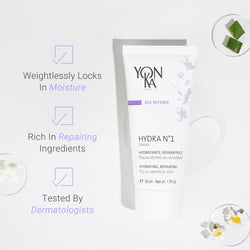
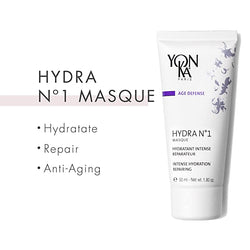
Finish your routine with a moisturizer that supports the skin's barrier, such as Hydra N°1 Crème for intense hydration. During the day, always follow with a broad-spectrum SPF to prevent further UV damage to the thin eye area.
Targeted Solutions for Every Stage
At Yon-Ka, our eye care products are divided into specific ranges to meet the needs of different skin stages, including the anti-aging collection.
For Early Signs and Puffiness: Phyto-Contour If you are in your 20s or 30s and starting to see the effects of late nights or long days at the computer, Phyto-Contour is our go-to recommendation. This refined cream features the toning power of rosemary to visibly reduce the appearance of morning puffiness and dark circles while providing a firming effect to the look of the eye contour.
For Fine Lines and Smoothing: Alpha-Contour When those dynamic lines begin to linger, Alpha-Contour offers a smoothing solution. It utilizes gentle fruit acids (AHAs) to refine the skin's texture and promote renewal. It is designed to hydrate and refresh the eye and lip contours, making it an excellent choice for preventing the deepening of early wrinkles.
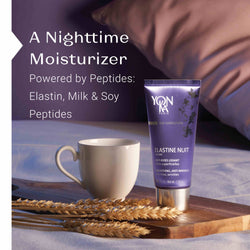
For First Wrinkles: Élastine Nuit As you move into your 30s, your night ritual becomes even more critical. Élastine Nuit is designed to support the appearance of skin elasticity. It provides the nourishment necessary to help the skin "bounce back," addressing the look of first wrinkles before they become more permanent fixtures.
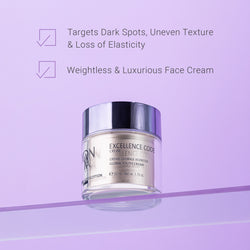
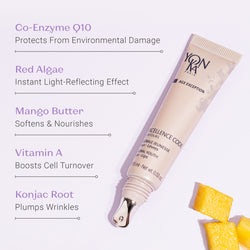
For Mature Skin: Excellence Code Contours For those in their 40s and beyond, the eye and lip contour collection offers our most comprehensive support. Excellence Code Contours is a premium, multi-action treatment that addresses wrinkles, sagging, puffiness, and dark circles all at once. Using ingredients like Persian silk tree and St. Paul's wort, it helps to redefine the look of the eye area for a more lifted, luminous gaze.
Expert Application Techniques
The skin around the eyes is so delicate that how you apply your product is just as important as what you apply.
Step 1: Use your ring finger. This is your weakest finger, ensuring you don't apply too much pressure to the fragile tissue. Step 2: Dot, don't rub. Place small dots of your chosen eye cream along the orbital bone—the hard ridge at the top of your cheek and just under your brow bone. Step 3: Gently pat. Use a light tapping or "stippling" motion to blend the product. Start from the inner corner and move outward toward the temples. Step 4: Follow the bone. You do not need to apply eye cream directly to your eyelids or very close to the lash line, as the product will naturally migrate slightly as it warms up on the skin.
Bottom line: Consistent, gentle application on the orbital bone is more effective and safer for your eyes than rubbing product directly onto the lids.
Professional Care and Expectations
While a dedicated at-home ritual is the foundation of eye care, professional expertise can elevate your results. In a spa setting, estheticians can use specialized techniques and high-concentration professional formulas to deeply hydrate and revitalize the eye area. If you find that your concerns require a deeper level of care, we recommend finding a Yon-Ka spa near you to experience a professional eye contour treatment.
It is also important to maintain realistic expectations. Botanical skincare is designed to work in harmony with your body’s natural processes. You may see an immediate improvement in the appearance of hydration and brightness, but significant changes in the look of fine lines and wrinkles usually occur over 4 to 8 weeks of consistent, twice-daily use. Skincare is a marathon, not a sprint, and the most beautiful results come from the cumulative power of a daily ritual.
Lifestyle Habits for Lasting Radiance
To support your topical treatments, consider these daily habits that can help delay the onset of eye wrinkles:
- Hydrate from within: Drinking ample water keeps the skin’s cells plump, which naturally minimizes the appearance of dehydration lines.
- Invest in quality sunglasses: Not only do they protect the thin skin from UV rays, but they also prevent the constant squinting that leads to crow's feet.
- Mind your sleep position: Sleeping on your back can prevent "compression wrinkles" caused by pressing your face into a pillow for eight hours.
- Incorporate antioxidants: Use a serum like Serum C20 on the rest of your face to protect against free radical damage that can migrate to the eye area.
- Manage Screen Time: Follow the 20-20-20 rule—every 20 minutes, look at something 20 feet away for 20 seconds to reduce eye strain and squinting.
Conclusion
Understanding when do eye wrinkles start is the first step in taking control of your skin's journey. Whether you are seeing the first fine lines of youth or addressing the more settled creases of wisdom, there is always a way to support your skin with grace. At Yon-Ka Paris, our mission is to provide you with phyto-aromatic rituals that transform your daily routine into a moment of wellbeing, rooted in 70 years of French botanical expertise. By choosing products that respect the fragility of the eye area and supporting them with healthy lifestyle choices, you can maintain a gaze that feels as vibrant as you are.
If you are unsure which eye treatment is right for your current stage, we invite you to take our Skin Diagnosis quiz.
Or use the Product Matcher on our website to find your perfect botanical match.
"Skincare is not just about correcting the past; it is a ritual of self-care that honors the present and preserves the future of your skin's vitality."
To explore our full range of eye and lip care, browse our eye and lip contour collection and discover the power of professional-grade French skincare.
FAQ
Is it normal to have eye wrinkles at 20?
While deep wrinkles are rare at 20, fine "dynamic" lines caused by smiling or squinting are completely normal. At this age, lines are often a sign of dehydration or sun exposure rather than a permanent loss of collagen, making hydration and daily SPF your best preventative tools.
What is the difference between fine lines and wrinkles around the eyes?
Fine lines are shallow, surface-level creases that are often the first signs of aging or dehydration. Wrinkles are deeper folds that extend into the dermis (the middle layer of the skin) and are usually the result of a long-term loss of structural proteins like collagen and elastin.
Can eye cream actually make wrinkles go away?
Topical eye creams are designed to improve the appearance of wrinkles by hydrating the skin, plumping fine lines, and supporting the skin's natural renewal process. While they cannot permanently eliminate deep structural wrinkles, consistent use can significantly smooth the skin's texture and prevent new lines from forming.
Should I use my regular face moisturizer around my eyes?
The skin around the eyes is much thinner and more sensitive than the rest of the face. Many face moisturizers contain ingredients or concentrations that may be too heavy or irritating for the eye area, which is why we recommend using a specifically formulated eye treatment like Phyto-Contour or Alpha-Contour.