Table of Contents
- Introduction
- Understanding the Unique Anatomy of the Eye Area
- Distinguishing Between Different Types of Wrinkles
- Top Professional Procedures for Under Eye Wrinkles
- The Surgical Approach: Lower Eyelid Blepharoplasty
- The Phyto-Aromatic Alternative: Supporting Results at Home
- Building a Targeted Eye Ritual
- Key Ingredients to Look For
- Lifestyle Habits for Smoother Under-Eyes
- When to See a Professional
- Conclusion
- FAQ
Introduction
The moment you catch your reflection and notice those first fine, silver-threaded lines radiating from the corners of your eyes, it often triggers a desire to reclaim a more rested, vibrant appearance. The delicate skin in the periorbital region—the area surrounding the eyes—is often the first to tell the story of our lives, from joyous laughter to late nights and sun-drenched afternoons. At Yon-Ka Paris, we believe that addressing these concerns is not just about "fixing" a flaw, but about honoring the skin through a blend of professional expertise and sensorial botanical care.
Whether you are seeking a dramatic professional intervention or a high-performance ritual to maintain your skin’s youthful bounce, understanding your options is essential. This guide will explore the most effective dermatological procedures, from lasers to injectables, and how a sophisticated phyto-aromatic approach can support and enhance these results. We will help you navigate the landscape of modern eye rejuvenation to find the path that best suits your skin’s unique journey.
Quick Answer: The best procedure for under-eye wrinkles depends on the wrinkle type; Botox is ideal for dynamic lines caused by movement, while laser resurfacing and RF microneedling are superior for improving skin quality and static wrinkles. For significant volume loss or "hollows," hyaluronic acid fillers provide the most immediate visible improvement.
Understanding the Unique Anatomy of the Eye Area
To understand why the eye area is so prone to wrinkling, we must first look at its biological composition. The skin here is roughly 40% thinner than the skin on the rest of the face, measuring only about 0.5mm in thickness. This fragility makes it highly susceptible to environmental damage and internal physiological changes.
Fewer Oil Glands and Support Structures
Unlike the cheeks or forehead, the under-eye area possesses very few sebaceous (oil) glands. These glands produce sebum, the skin’s natural lubricant that helps maintain the moisture barrier. Without this constant supply of lipids, the eye area dries out quickly, and dehydrated skin is far more likely to develop "crepey" textures and fine lines. Furthermore, this area has less subcutaneous fat and a lower density of collagen and elastin fibers—the proteins responsible for firmness and "snap-back" elasticity.
The Impact of Constant Movement
The eyes are the most active part of the face. We blink approximately 10,000 to 20,000 times a day. We squint against the sun, smile with our eyes, and rub them when we are tired. This constant mechanical stress on such thin, delicate tissue eventually leads to the breakdown of the dermal matrix, resulting in permanent creases.
Distinguishing Between Different Types of Wrinkles
Not all wrinkles are created equal, and the "best" procedure for you will depend entirely on which type of lines you are looking to address. Dermatologists typically categorize eye wrinkles into three main groups.
Dynamic Wrinkles
These are lines that appear only when you are making a facial expression. When you smile or squint, the orbicularis oculi muscle contracts, folding the skin. In younger skin, these lines disappear the moment the face relaxes. However, as we age and lose elasticity, these repeated folds eventually "etch" themselves into the skin.
Static Wrinkles
Static wrinkles are visible even when your face is completely still and relaxed. These are caused by the long-term breakdown of collagen and elastin, often accelerated by UV exposure, pollution, and smoking. Static wrinkles represent a change in the actual quality and structure of the skin itself, rather than just muscle movement.
Wrinkle Folds
These are deeper grooves that often occur where the skin naturally folds due to structural changes, such as sagging or volume loss. Under-eye bags or a deep "tear trough" (the groove between the lower eyelid and the cheek) fall into this category. These are often related to the shifting of fat pads and the loss of bone density that occurs naturally with age.
Top Professional Procedures for Under Eye Wrinkles
When topical solutions aren't providing the level of correction you desire, professional procedures offer more intensive results. These treatments generally fall into three categories: injectables, energy-based devices, and surgical interventions.
1. Injectable Neuromodulators (Botox, Dysport)
Best for: Dynamic wrinkles and Crow's Feet.
Neuromodulators are the gold standard for treating wrinkles caused by muscle movement. By temporarily blocking the nerve signals to specific muscles, these injections prevent the muscle from contracting forcefully.
- How it feels: A few small pinpricks around the outer corners of the eyes.
- Results: Lines begin to soften within 3 to 5 days, with full results at 14 days.
- Longevity: Typically lasts 3 to 4 months.
2. Dermal Fillers
Best for: Hollows and volume-related wrinkle folds.
Most under-eye fillers are made of hyaluronic acid, a sugar molecule naturally found in the body that attracts and holds 1,000 times its weight in water. By carefully placing filler in the tear trough or upper cheek area, a practitioner can "plump" the skin from beneath, smoothing out the surface and reducing the shadow that causes dark circles.
- Note: This requires an expert hand, as the skin is thin and improper placement can lead to a bluish tint known as the Tyndall effect.
- Longevity: 6 to 12 months, sometimes longer in the eye area.
3. Laser Skin Resurfacing
Best for: Static wrinkles, crepey texture, and sun damage.
Lasers use focused light energy to create controlled "micro-injuries" in the skin. This triggers the body’s natural healing response, stimulating a surge in new collagen and elastin production.
- Fractional CO2 Lasers: These are more aggressive and remove thin layers of skin while heating the deeper dermis.
- Erbium Lasers: Generally gentler than CO2, making them a popular choice for the delicate eye area.
- Results: Improved skin thickness and a significant reduction in fine lines.
- Downtime: Usually 3 to 7 days of redness and peeling.
4. RF Microneedling
Best for: Skin tightening and overall rejuvenation.
This procedure combines traditional microneedling (tiny needles creating channels in the skin) with Radiofrequency (RF) energy. The needles deliver heat deep into the dermis, which causes immediate tissue contraction and long-term collagen remodeling.
- Why it's popular: It is often safer for a wider range of skin tones than some lasers and has a relatively short downtime.
- Course of treatment: Usually requires 3 sessions for optimal results.
5. Chemical Peels
Best for: Surface texture and fine lines.
Professional-grade chemical peels use acids (like Glycolic or Lactic acid) to dissolve the "glue" holding dead skin cells together. In the eye area, very light, specialized peels can brighten the skin and smooth out fine lines without the intensity of a laser.
The Surgical Approach: Lower Eyelid Blepharoplasty
For those with significant skin laxity or pronounced "bags" that do not respond to non-invasive treatments, surgery may be the most effective permanent solution.
A Lower Blepharoplasty involves a surgeon making a discreet incision (often inside the eyelid) to remove or reposition displaced fat and trim away excess skin. While this does not "stop" the aging process, it can reset the clock by a decade or more for the under-eye area. Because this is a surgical procedure, we always recommend consulting with a board-certified plastic surgeon or oculoplastic specialist to discuss the risks and expected outcomes.
Key Takeaway: While injectables like Botox address the cause of movement-based lines, energy-based treatments like lasers and RF microneedling address the quality of the skin itself. A combination approach often yields the most natural and comprehensive rejuvenation.
The Phyto-Aromatic Alternative: Supporting Results at Home
While professional procedures offer powerful results, they are not a substitute for a daily skincare ritual. In fact, many dermatologists recommend "pre-juvenation" or "skin rehab"—strengthening the skin barrier and increasing hydration before a procedure to ensure the skin heals more effectively.
Our philosophy is rooted in phytotherapy (the use of plant extracts) and aromatherapy (the use of essential oils). We believe that the skin's appearance is best supported by consistent, gentle, and nutrient-dense care. By utilizing professional-grade botanicals, you can significantly soften the look of fine lines and prolong the effects of any in-office treatments.
For a deeper look at the science behind our approach, explore our ingredients page.
The Power of the Quintessence
At the heart of our formulations is the Quintessence, an exclusive complex of five essential oils: lavender, geranium, rosemary, cypress, and thyme. This 100% natural and active blend provides a synergistic effect that helps to stabilize the skin, support its natural defenses, and provide a sensorial experience that turns skincare into a moment of true wellbeing. For the eye area, rosemary is particularly beneficial for its ability to support natural drainage and firm the appearance of the skin.
Building a Targeted Eye Ritual
To address under-eye wrinkles effectively at home, your ritual should focus on three pillars: Hydrate, Correct, and Protect.
Step 1: Gentle Cleansing
The first step in any eye ritual is a barrier-respecting cleanse. Avoid harsh foaming cleansers that can strip the delicate eye area of its minimal oil. Use a soft, milky cleanser like Lait Nettoyant to remove makeup and impurities without tugging at the skin.
Step 2: The Phyto-Aromatic Prep
Mist your face with Lotion Yon-Ka PS. This iconic phyto-aromatic mist contains the Quintessence and prepares the skin to better absorb the active ingredients in your eye cream. It provides an immediate boost of hydration that "plumps" the appearance of fine lines.
Step 3: Targeted Eye Treatment
This is the most critical step for correcting the look of wrinkles.
- For Puffiness and Firmness: Phyto-Contour is a beloved staple in our collection. This refined cream uses the power of rosemary to visibly "wake up" the eyes, reducing the appearance of morning puffiness and firming the look of the eye contour.
- For Fine Lines and Hydration: Alpha-Contour utilizes non-irritating fruit acids to gently smooth the skin's surface, making it ideal for those noticing the first signs of static wrinkles.
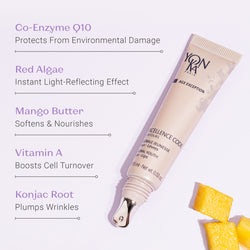
- For Intense Rejuvenation: If you are concerned with deeper wrinkles and a loss of radiance, Excellence Code Contours offers a premium, global anti-aging approach with targeted botanical peptides.
Step 4: Environmental Protection
UV damage is the primary cause of static wrinkles. Always apply a broad-spectrum SPF during the day. Protect the thin skin further by wearing high-quality sunglasses that block 100% of UVA and UVB rays, which also prevents the squinting that leads to dynamic lines.
Note: Because our products contain high concentrations of pure essential oils and plant actives, we recommend performing a patch test on the inner forearm for 24 hours before applying a new product to the delicate eye area. Introduce one new product at a time to ensure your skin adjusts beautifully.
Key Ingredients to Look For
When reading labels for eye care, look for these evidence-based botanical and scientific ingredients:
| Ingredient | Benefit for Eye Wrinkles |
|---|---|
| Hyaluronic Acid | A humectant that draws moisture into the skin, immediately smoothing the look of crepey lines. |
| Peptides | Chains of amino acids that act as "messengers," encouraging the skin to look firmer and more resilient. |
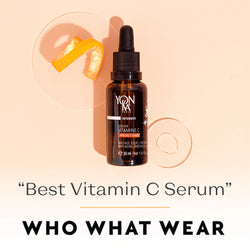
| Vitamin C | A powerful antioxidant that helps brighten the look of dark circles and protects against environmental aging. Found in our Serum C20. |
| Rosemary Essential Oil | Helps with natural microcirculation and provides a firming, toning effect on the appearance of skin. |
| Beech Bud Extracts | Known as "nature's retinol," these plant peptides help smooth the appearance of the skin's micro-relief. |
To keep exploring ingredient-led skincare, visit our face toners and mists collection.
Lifestyle Habits for Smoother Under-Eyes
No procedure can fully compensate for lifestyle factors that accelerate aging. To protect your investment in professional treatments and high-quality skincare, consider these daily habits:
- Hydrate from the Inside: Dehydration shows up first under the eyes. Drink plenty of water throughout the day to keep skin cells plump.
- Optimize Your Sleep: Use an extra pillow to slightly elevate your head. This prevents fluid from pooling under the eyes, which causes the puffiness that stretches the skin over time.
- Manage Salt Intake: High sodium can lead to fluid retention and under-eye bags.
- Silk Pillowcases: These reduce the friction and "sleep creases" that can form when your face is pressed against cotton for eight hours.
- Taming the "Tech Squint": If you spend hours on a computer, ensure your prescription is up to date. Constant squinting at small text is a primary driver of premature crow’s feet.
When to See a Professional
While fine lines are a natural part of aging, sudden changes in the skin around your eyes should be evaluated by a professional. If you experience persistent redness, itching, severe swelling, or if you suspect you may have a condition like eczema or rosacea affecting the eye area, consult a dermatologist. They can provide a medical diagnosis and ensure that your cosmetic routine is safe for your specific needs.
If you are unsure which products are right for your specific concerns, you can use our online Skin Diagnosis tool or Product Matcher to receive personalized recommendations based on your skin type and goals. You can also visit our Spa Locator to find a certified professional who can provide a specialized eye treatment, such as our Escale Beauté or Grand Classique rituals adapted for the eye contour.
For a broader routine view, you can also browse our anti-aging collection and compare products designed for mature skin concerns.
Conclusion
Finding the best procedure for under-eye wrinkles is a personal journey that often involves a combination of professional in-office treatments and a dedicated home ritual. Whether you choose the immediate smoothing effects of Botox, the structural rejuvenation of a laser, or the restorative power of botanical skincare, consistency is your greatest ally.
At Yon-Ka Paris, we believe that true beauty is cultivated through patience and the expert fusion of nature and science. By honoring the delicate nature of your eye area with our 70 years of phyto-aromatic expertise, you can achieve a look that is not only younger-looking but also healthier and more radiant. We invite you to explore our Age Correction and Contours collections to discover how the power of plants can transform your daily skincare into a sanctuary of rejuvenation.
If you want to learn more about the formulas behind that philosophy, read our brand story.
"Skincare is not just a routine; it is a ritual of self-respect that allows your inner light to shine through every expression."
FAQ
How long does it take to see results from an eye cream?
While hydrating ingredients like hyaluronic acid can provide an immediate "plumping" effect, true structural changes take time. Most botanical treatments require 4 to 8 weeks of consistent, twice-daily application to visibly improve the appearance of fine lines and skin firmness, as this aligns with the skin's natural renewal cycle.
Can I use my regular face moisturizer under my eyes?
While you can, it is often not ideal. Face moisturizers are formulated for thicker skin and may contain oils or fragrances that are too heavy or irritating for the thin, sensitive skin around the eyes. Dedicated eye products like Alpha-Contour are specifically ophthalmologist-tested and designed with a molecular weight that penetrates the thin periorbital skin effectively.
Are professional procedures for eye wrinkles safe?
When performed by a board-certified dermatologist or plastic surgeon, procedures like Botox, fillers, and lasers are generally very safe. However, the eye area is extremely delicate and requires specialized knowledge of anatomy. Always research your provider’s credentials and ask to see before-and-after photos of their work specifically for the under-eye area.
At what age should I start using eye-specific skincare?
Prevention is much easier than correction. Most experts recommend introducing a hydrating eye treatment in your mid-20s to bolster the skin's moisture barrier. By your 30s, incorporating active ingredients like antioxidants (Vitamin C) or gentle fruit acids can help delay the transition of dynamic lines into permanent static wrinkles.
If you’d like a closer look at how one of these contour creams fits into a complete ritual, read our Phyto-Contour spotlight or the Excellence Code Contours spotlight.