Table of Contents
- Introduction
- Understanding the Anatomy of Eye Wrinkles
- Primary Causes of Periorbital Aging
- Top Ingredients for Improving the Appearance of Eye Wrinkles
- Professional Treatments vs. At-Home Care
- Building a Targeted Eye Ritual
- Lifestyle Habits to Support a Youthful Gaze
- Why a Holistic Approach Wins
- Conclusion
- FAQ
Introduction
The eyes are often the first feature others notice, reflecting our emotions, laughter, and wisdom. However, because the skin in this area is significantly thinner and more delicate than on the rest of the face, it is also where the first signs of passing time tend to appear. Whether you are noticing fine "smile lines" or deeper creases that remain when your face is at rest, seeking the most effective way to support this fragile zone is a common step in any proactive skincare journey. At Yon-Ka Paris, we believe that addressing the appearance of wrinkles requires a blend of professional expertise, high-performance botanicals, and consistent daily rituals found throughout our anti-aging collection. In this article, we will explore the different types of eye wrinkles, the most effective ingredients to look for, and how a specialized routine can help restore a smoother, more radiant look to your gaze.
Understanding the Anatomy of Eye Wrinkles
To determine what is best for wrinkles around the eyes, we must first understand why they form and how they differ from lines on the forehead or cheeks. The skin surrounding the eye is roughly 40% thinner than the skin on the chin or forehead. It lacks the density of sebaceous glands found elsewhere, meaning it produces less natural oil and is more prone to dehydration.
Dynamic vs. Static Wrinkles
Dynamic wrinkles are the lines that appear during facial expressions. When you smile, squint in the sun, or laugh, the muscles around the eyes—specifically the orbicularis oculi—contract, folding the skin. In younger skin, these lines disappear as soon as the expression fades. However, over thousands of repetitions, these temporary folds can begin to etch themselves permanently into the skin.
Static wrinkles are the lines that remain visible even when your face is completely relaxed. These are caused by a combination of repeated facial movements and the gradual loss of structural proteins like collagen and elastin. As we age, our natural production of these proteins slows down, and environmental damage can further degrade the skin’s "scaffolding," leading to deeper, more persistent creases.
The Role of Crepey Skin
In addition to traditional wrinkles, many people experience a "crepey" texture under the eyes. This refers to skin that looks thin, fragile, and finely wrinkled, much like tissue paper. This is usually a result of significant moisture loss and a breakdown of elastin. Addressing crepey skin requires a different approach than treating deep-set crow’s feet, focusing more on intense lipid restoration and hydration.
Quick Answer: The most effective approach for eye wrinkles combines high-performance topical ingredients like peptides and retinol with consistent hydration and sun protection. For immediate results, professional treatments may help, but long-term appearance depends on a dedicated daily botanical ritual.
Primary Causes of Periorbital Aging
Identifying the root cause of eye-area changes is the first step toward choosing the right solution. While aging is a natural process, several external factors can accelerate the appearance of lines.
UV Exposure and Photoaging The sun is perhaps the greatest contributor to premature eye wrinkles. Ultraviolet (UV) rays generate free radicals—unstable molecules that damage healthy skin cells—and break down the collagen fibers responsible for skin firmness. Because the eye area is so thin, it is particularly vulnerable to this "photoaging."
Collagen and Elastin Depletion Starting in our late 20s or early 30s, the body’s natural production of collagen decreases by about 1% each year. Collagen provides strength and structure, while elastin allows the skin to "snap back" after an expression. When these are lacking, the skin becomes less resilient, and wrinkles become more prominent.
Repetitive Motion and Lifestyle Beyond smiling and squinting, lifestyle habits play a role. Chronic lack of sleep can lead to puffiness, which stretches the skin over time. Rubbing the eyes due to allergies or during makeup removal can also cause mechanical stress to the delicate tissues.
Top Ingredients for Improving the Appearance of Eye Wrinkles
When browsing for the best topical solutions, it is essential to look for ingredients backed by science that respect the sensitive nature of the eye area; our ingredients page explains the plant sciences behind that approach.
Peptides for Firming
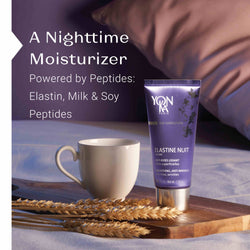
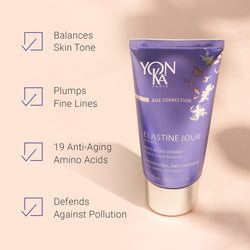
Peptides are short chains of amino acids that serve as the building blocks for proteins like collagen and elastin. In skincare, they act as messengers, signaling the skin to support its natural repair processes. Using eye creams rich in peptides can help the skin appear firmer and more resilient over time, especially when you choose formulas from our eye and lip contour range.
Hyaluronic Acid for Plumping
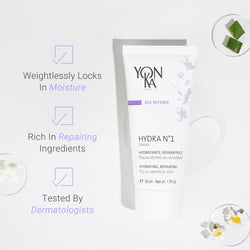
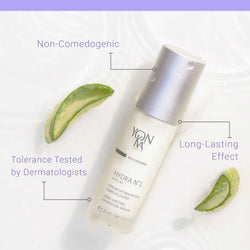
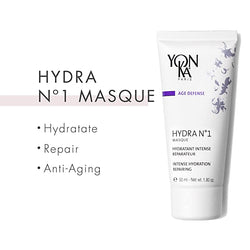
Hyaluronic acid is a powerful humectant—a substance that attracts and holds onto water—capable of holding up to 1,000 times its weight in moisture. Because dehydration makes fine lines look much deeper, applying hyaluronic acid helps "plump" the appearance of the skin from within, instantly smoothing out minor surface wrinkles. A great example is Hydra N°1 Creme, which is designed to comfort and hydrate dry skin.
Retinol and Vitamin A Derivatives
Retinol is a derivative of Vitamin A that helps support natural cell turnover and encourages the appearance of smoother skin. While traditional retinols can be irritating to the thin eye area, many modern formulations use encapsulated or plant-based alternatives that provide similar benefits with a much lower risk of redness or peeling.
Vitamin C and Antioxidants
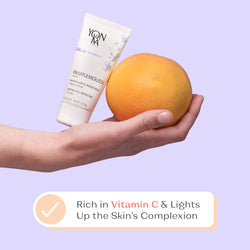
Vitamin C is a potent antioxidant that helps brighten the look of dark circles while protecting the skin from environmental stressors. When combined with other antioxidants like Vitamin E, it helps neutralize free radicals before they can damage the collagen matrix. For a targeted brightening step, consider Serum Vitamine C 20%.
The Power of Phyto-Aromatics
At the heart of our philosophy is the use of plant-based actives and essential oils. Learn more about our phyto-aromatic formulation philosophy, where Quintessence supports the skin’s daily rhythm with a sensorial approach that reflects the Yon-Ka Paris heritage. These botanical extracts work in synergy to revitalize the eye area without the harshness often found in synthetic-only formulas.
Professional Treatments vs. At-Home Care
Many people wonder if they should skip the cream and go straight to a professional. While in-office procedures offer significant results, they work best when supported by a high-quality home routine.
Injectables and Fillers Neuromodulators are often used for dynamic wrinkles because they temporarily relax the muscles that cause squinting. Dermal fillers can help address "hollows" or tear troughs that create shadows and deep folds.
Energy-Based Devices Laser resurfacing and radiofrequency (RF) treatments use heat to stimulate collagen production in the deeper layers of the dermis. These are excellent for improving skin texture and tightening the appearance of the under-eye area.
The Yon-Ka Professional Difference For those seeking a middle ground between home care and medical procedures, professional spa treatments offer deep rejuvenation. Our trained estheticians use specific massage techniques and professional-grade botanical formulas to drain puffiness and smooth the look of lines. You can find a local partner via our Spa Locator to experience a customized eye-contour treatment.
Key Takeaway: While professional procedures can address muscle movement and volume loss, daily topical care is required to maintain skin quality, hydration, and protection against further environmental damage.
Building a Targeted Eye Ritual
To achieve the best results for wrinkles around the eyes, consistency is more important than "magic" ingredients. A layered approach ensures the skin is prepared, treated, and protected, much like the method we outline in our skincare pairing guide.
Step 1: Gentle Cleansing
The ritual must always begin with a clean slate. Using a harsh cleanser can strip the eye area of its necessary lipids. Our Lait Nettoyant is a gentle cleansing milk that removes makeup and impurities while respecting the skin’s natural barrier. Always use your ring finger to apply and remove products around the eyes to ensure the lightest pressure possible.
Step 2: The Phyto-Aromatic Mist
After cleansing, a mist of Lotion Yon-Ka PS helps to rehydrate the skin and prepare it to better absorb the active ingredients in your serum or eye cream. This step infuses the skin with the revitalizing benefits of the Quintessence.
Step 3: Targeted Treatment
This is where you address your specific concerns.
- For Puffiness and Dark Circles: Phyto-Contour is a refined, aromatic cream that features rosemary to help visibly "deflate" puffiness and brighten the look of the eye area. It provides a refreshing, cooling sensation that is perfect for tired mornings.
- For Intense Hydration: If your primary concern is fine lines caused by dryness, look toward Hydra N°1 Creme. These formulas are designed to provide long-lasting moisture.
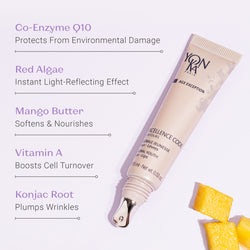
- For Firming and Deep Wrinkles: From our Age Exception range, Excellence Code Contours targets all signs of aging, including sagging lids and deep creases, using a blend of peptides and botanical extracts.
Step 4: Moisturize and Seal
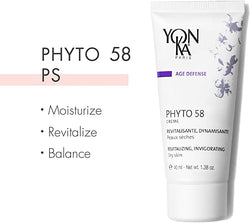
In the evening, you may choose to layer a richer cream or a targeted night treatment like Phyto 52, which uses rosemary to provide a firming and revitalizing effect while you sleep.
Step 5: Daytime Protection
Never skip sunscreen. Even if your eye cream doesn't contain SPF, ensure your daily moisturizer or a dedicated mineral sunscreen is applied up to the orbital bone. Protecting the skin from UV rays is the single most important thing you can do to prevent existing wrinkles from deepening. Explore our Sun Care collection for daily protection options.
Lifestyle Habits to Support a Youthful Gaze
What you do outside of your skincare ritual matters just as much as what you apply to your face.
- Wear Sunglasses: High-quality, UV-blocking sunglasses prevent you from squinting (reducing dynamic wrinkles) and physically block UV rays from hitting the thin skin around your eyes.
- Hydrate from Within: Drinking enough water helps maintain the overall volume of your skin. Dehydration is often first visible in the hollows of the eyes.
- Prioritize Sleep: During sleep, the body enters a repair mode, producing more collagen and growth hormones. "Beauty sleep" is a biological reality.
- Be Mindful of Salt: High sodium intake can lead to fluid retention, causing the under-eye area to swell. This repeated swelling and receding can eventually stretch the skin and contribute to fine lines.
Note: When introducing any new eye treatment containing active botanicals or essential oils, we recommend a patch test on your inner forearm for 24 hours. Introduce one new product at a time to ensure your skin responds well. A mild, temporary tingling can be normal due to the activity of the oils, but persistent redness is a sign to reduce usage or consult a professional.
Why a Holistic Approach Wins
The "best" solution is rarely a single product. It is a synergy between high-performance plant science, professional guidance, and healthy daily habits. By treating the eye area with the same pharmaceutical rigor and sensorial care that defines the Yon-Ka Paris heritage, you can achieve a look that is not just "wrinkle-free," but vibrant and full of life.
If you are unsure which specific formula is right for your skin type—whether you are oily, dry, or sensitive—we invite you to take our Skin Diagnosis quiz on our website. These tools help narrow down the botanicals that will best serve your unique complexion needs.
Conclusion
Addressing wrinkles around the eyes is a journey of patience and nourishment. By choosing ingredients like peptides, hyaluronic acid, and botanical extracts, and following a consistent ritual of cleansing, misting, and treating, you can significantly improve the appearance of your skin's texture and firmness. For a deeper dive into eye-care strategies, read our expert guide to eye cream and wrinkles. At Yon-Ka Paris, our 70-year history is rooted in the belief that the power of nature, when refined by science, offers the most profound results for both the skin and the spirit.
- Identify your wrinkle type to choose the right active ingredients.
- Consistency is key; results from botanical skincare build over weeks and months.
- Protect every day with SPF and sunglasses to prevent future damage.
- Treat yourself to professional care to boost your at-home results.
"Skincare is not just a routine; it is a moment of connection with oneself, where the healing power of plants meets the science of longevity."
To take the next step in your eye-care journey, explore our eye and lip contour range to begin a tailored treatment plan.
FAQ
When should I start using an eye cream for wrinkles?
While there is no "perfect" age, many experts recommend starting a preventative eye routine in your mid-20s. This is when natural collagen production begins to subtly slow down, and established hydration habits can help prevent fine lines from becoming deep-set static wrinkles later in life.
Can I use my regular face moisturizer around my eyes?
While some gentle face moisturizers are safe, dedicated eye creams like Phyto-Contour are specifically formulated for the eye's unique needs. They are usually ophthalmologically tested, have a texture designed not to "creep" into the eyes, and contain concentrations of actives optimized for the thinnest skin on your body.
How long does it take to see results from an eye cream?
For hydration-based results, such as plumping fine lines with hyaluronic acid, you may see an improvement in the appearance of the skin almost immediately. For structural changes like firming and reducing the look of deep wrinkles, it typically takes 4 to 8 weeks of consistent, twice-daily use to see visible changes.
Why does the skin under my eyes look worse when I’m tired?
Fatigue and lack of sleep cause the blood vessels beneath the thin skin of the eyes to dilate, creating dark shadows. Furthermore, lack of sleep can lead to fluid retention and puffiness; when that puffiness subsides, it can leave the skin looking temporarily more wrinkled and "deflated."