Table of Contents
- Introduction
- The Unique Anatomy of the Eye Area
- Which Oil Is Best for Under Eye Wrinkles?
- The Power of Phyto-Aromatic Synergy
- Carrier Oils vs. Essential Oils: Finding the Balance
- Integrating Oils into Your Yon-Ka Ritual
- Application Techniques for the Eye Area
- Common Myths About Oils and Eyes
- Safety and Sensitive Skin Considerations
- The Role of Professional Spa Expertise
- Conclusion
- FAQ
Introduction
The skin surrounding your eyes is significantly thinner and lacks the natural oil-producing glands found elsewhere, making it the first area to show fine lines. Because this delicate zone is so expressive and vulnerable, it requires a bespoke approach to nourishment. While many seek a single ingredient, a professionally formulated omega-rich botanical oil blend with antioxidant support works more effectively for under-eye wrinkles than a single kitchen oil. At Yon-Ka Paris, we believe the most effective solutions are found in the fusion of nature and science, turning a concern into a moment of restorative self-care.
Quick Answer: The most effective solution for under-eye wrinkles is a professionally formulated botanical blend rich in omegas and antioxidants—such as Sacha Inchi and Sea Buckthorn—rather than a single kitchen oil. For best results, apply these potent formulas sparingly around the orbital bone.
The Unique Anatomy of the Eye Area
To understand why professional blends are superior, we must look at the biology of the orbital zone. The skin here is roughly four times thinner than the skin on your forehead, meaning it has less "cushion" to resist the repetitive movements of smiling, squinting, and blinking.
Furthermore, the eye area is nearly devoid of sebaceous glands. Without this natural lubrication, the eye area is prone to dehydration, a concern addressed in our dry & dehydrated skin collection. When skin is dehydrated, fine lines become more prominent, creating a "crepey" texture.
Environmental factors like blue light, UV radiation, and pollutants also generate free radicals. These molecules break down collagen and elastin, accelerating signs of aging in this delicate region more quickly than elsewhere on the body.
Which Oil Is Best for Under Eye Wrinkles?
When searching for the "best" oil, it is important to distinguish between raw, single-ingredient oils and professionally formulated oil-based serums. The skin around the eyes requires a sophisticated delivery system and a precise balance of nutrients to be effective without causing puffiness.
Omega-Rich Botanical Oils Essential fatty acids (EFAs), particularly Omega 3, 6, and 9, are the building blocks of a healthy skin barrier.
- Sacha Inchi Oil: This Peruvian treasure is a rich plant source of Omega-3, helping to reinforce the lipid mantle and "plump" the skin’s appearance.
- Sea Buckthorn Oil: Containing rare Omega-7, this oil is exceptionally nourishing and supports natural repair processes for mature or dry eye contours.
- Pomegranate Seed Oil: Contains punicic acid, offering potent soothing properties to revitalize dull, stressed skin.
Antioxidant-Dense Essential Oils Antioxidants are the primary defense against environmental aging. Certain essential oils provide concentrated protection while calming the mind.
- Rosemary: A powerful antioxidant that supports the appearance of skin elasticity.
- Lavender: Soothes the appearance of redness and irritation while protecting against oxidative stress.
- Cistus (Rock Rose): Used in professional formulations for its skin-tightening appearance and ability to smooth the look of deeper creases.
The Power of Phyto-Aromatic Synergy
Botanical ingredients are more powerful when they work together. This synergy is exemplified by our signature Quintessence—an exclusive complex of lavender, geranium, rosemary, cypress, and thyme.
When aromatic molecules are blended with nourishing carrier oils, they become bio-available. In our Serum Omega, we combine the lipid-restoring power of Sacha Inchi and Pomegranate with this phyto-aromatic complex. This oil-in-serum is designed specifically to rescue skin that feels brittle or shows visible signs of aging. By using a blend, we address multiple concerns simultaneously: hydration, barrier repair, and antioxidant protection.
Quick Summary:
- The eye area is exceptionally thin and naturally lacks lubricating sebaceous glands.
- Professionally formulated botanical oils rich in omegas and antioxidants are superior to single-ingredient kitchen oils.
- A professional blend addresses hydration, barrier repair, and environmental protection simultaneously.
- A layered skincare ritual maximizes the absorption of these bio-available ingredients.
- Apply products gradually and perform a patch test if you have sensitive skin.
Carrier Oils vs. Essential Oils: Finding the Balance
Understanding the distinction between these two groups is crucial for eye safety and efficacy. Our formulas are balanced to provide the benefits of both.
| Oil Type | Characteristics & Benefits | Examples |
|---|---|---|
| Carrier Oils | Non-evaporating fatty oils derived from seeds or nuts. They provide moisture, vitamins, and lipids to the skin's barrier. | Jojoba Oil, Sweet Almond Oil, Argan Oil |
| Essential Oils | Highly concentrated, volatile plant essences. Their small molecular size allows deep penetration, but they must be professionally diluted for safety near the eyes. | Rosemary, Lavender, Cistus |
Integrating Oils into Your Yon-Ka Ritual
To maximize results, integrate your oil into a consistent, layered ritual. For deeper guidance, see How to Properly Pair Your Skincare Products.
Step 1: Gentle Cleansing Ensure the eye area is free of pollutants with a barrier-respecting cleanser like Lait Nettoyant.
Step 2: Phyto-Aromatic Misting Prepare the skin with Lotion Yon-Ka. Applying oil to damp skin helps it spread evenly and "locks in" moisture.
Step 3: Targeted Eye Treatment Layer a specialized product like Phyto-Contour first if you need to visibly depuff or brighten the eye area.
Step 4: Oil Enrichment Warm 1–2 drops of Serum Omega between your ring fingers. The warmth helps the botanical oils melt into the skin for better penetration.
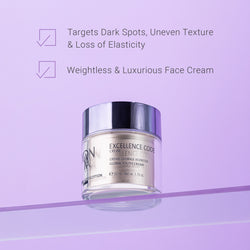
Step 5: Moisturize and Seal Follow with a rich cream like Excellence Code Crème to create a protective barrier and prevent water loss.
Application Techniques for the Eye Area
The method of application is vital for protecting thin skin and preventing new wrinkles.
- The Ring Finger Rule: Always use your ring finger to apply products. It is naturally the weakest finger, ensuring the lightest possible pressure.
- The Orbital Bone: Focus application on the orbital bone—the hard bone surrounding the eye socket. Do not apply oil directly onto eyelids, as the product will naturally migrate as it warms up.
- The "Press and Pat" Method: Instead of sliding your finger, use a gentle pressing motion to stimulate microcirculation without stretching the tissue.
- Morning vs. Night: Applying 1–2 drops in the morning provides a hydrated base for concealer, preventing it from settling into fine lines.
Key Takeaway: Proper application on the orbital bone using the ring finger ensures that potent botanical oils deliver benefits to the skin without causing irritation or heaviness in the eyes.
Common Myths About Oils and Eyes
Myth: Oils cause milia (small white bumps). Fact: Milia are often caused by heavy mineral oils or synthetic waxes. Bio-available botanical oils like Jojoba Oil or Sacha Inchi Oil are compatible with the skin's structure and less likely to cause this issue.
Myth: Oils will make my eyes look puffy. Fact: Puffiness often results from applying product too close to the lash line. Phyto-aromatic oils with ingredients like cypress or rosemary actually support a depuffed appearance.
Myth: You only need an oil if you have dry skin. Fact: Even oily skin types have an oil-deficient eye area. Everyone can benefit from targeted lipid replenishment to the eye contour.
Safety and Sensitive Skin Considerations
The eye area is highly reactive, so safety is a priority. Introduce any new treatment gradually, starting every other evening for the first week. While a transient tingling can be normal with active essential oils, persistent redness or itching is a sign to discontinue use.
Always perform a patch test on your inner forearm 24 hours before full application. If you have a history of eczema or rosacea around the eyes, consult a physician or dermatologist before starting a new botanical regimen.
The Role of Professional Spa Expertise
Home care is the foundation of health, but professional treatments provide deep restoration. A certified Yon-Ka esthetician can identify whether your lines are caused by dehydration, environmental damage, or a loss of elasticity.
The Eye & Lip Perfection Treatment uses specialized massage and professional-strength masks to intensely hydrate the eye zone. Use our Spa Locator to find a certified partner near you.
Conclusion
Smoothing the appearance of under-eye wrinkles is about embracing a consistent, botanical ritual that respects the delicate nature of your skin. By choosing oils rich in Omegas and antioxidants—such as Sacha Inchi and Sea Buckthorn—you provide the tools your skin needs to look its most resilient and radiant. View your skincare as a ritual worth savoring, backed by 70 years of phyto-aromatic expertise. If you are unsure which products are right for you, our Skin Diagnosis quiz can guide you.
"Skincare is an aromatic journey that begins with a single drop of nature's most potent essences, bringing balance to both the skin and the spirit."
To begin your transformation, we recommend exploring our Serum Omega or visiting our Eye and Lip Contours collection to find the specialized care your eyes deserve.
FAQ
Can I use pure coconut oil for my under-eye wrinkles?
While coconut oil is moisturizing, it has a large molecular structure that may not penetrate the delicate eye area effectively and can sometimes lead to clogged pores or milia. It is better to use a professionally formulated oil-based serum that combines smaller-molecule botanical oils for better absorption and specific anti-aging benefits, such as those in our anti-aging collection.
Will putting oil on my eyes interfere with my makeup?
If you use a high-quality, bio-available botanical oil and apply only 1–2 drops to the orbital bone, it should absorb fully within a few minutes. This actually creates a smoother, more hydrated "canvas" that prevents concealer from cracking or settling into fine lines throughout the day, much like the formulas in our face moisturizers collection.
How long does it take to see results from using an eye oil?
Skincare is a marathon, not a sprint. While you may notice an immediate improvement in hydration and a "plumped" appearance, visible changes in the look of fine lines typically take 4 to 8 weeks of consistent, twice-daily use as the skin's natural renewal cycle takes place.
Is it safe to use essential oils around the eyes if I wear contacts?
Yes, as long as you apply the product to the orbital bone and not directly onto the eyelids or lash line. Professional formulas are designed to stay where they are applied, but we recommend applying your eye oil after inserting your contacts to ensure no oil transfer occurs from your fingers to the lenses.