Table of Contents
- Introduction
- Understanding the Unique Anatomy of the Eye Contour
- Different Types of Eye Wrinkles
- Key Ingredients to Look for in Eye Care
- The Yon-Ka Phyto-Aromatic Eye Ritual
- Professional Spa Treatments for the Eye Area
- Lifestyle Habits to Support Eye Youthfulness
- The Role of the Quintessence in Eye Care
- How to Apply Eye Cream Correctly
- Comparison: Eye Serums vs. Eye Creams
- Addressing Crepey Skin Under the Eyes
- Conclusion
- FAQ
Introduction
The skin surrounding our eyes is a delicate landscape, often reflecting our most joyous smiles and expressive moments before any other part of the face. However, because this tissue is significantly thinner than the rest of the skin, it is also the first to show the passage of time in the form of fine lines and creases. When seeking the best thing for wrinkles around the eyes, many find themselves overwhelmed by a sea of synthetic ingredients and clinical promises. At Yon-Ka Paris, we believe the most effective solution lies in a harmonious blend of high-performance botanical science and consistent, ritualized care, a philosophy reflected in our ingredients page. This article will explore the biological reasons for eye wrinkles, the most effective plant-based ingredients to address them, and how a dedicated phyto-aromatic routine can visibly transform the appearance of the eye contour.
Quick Answer: The best thing for wrinkles around the eyes is a multi-faceted approach combining moisture-binding hyaluronic acid, collagen-supporting peptides, and revitalizing botanicals like rosemary. Consistently applying a targeted eye contour cream morning and night, while protecting the area from UV damage, provides the most visible improvement in skin smoothness and elasticity.
Understanding the Unique Anatomy of the Eye Contour
To understand why wrinkles form so readily in this area, we must first look at the unique anatomy of the periorbital skin. The skin around the eyes is roughly 0.5mm thick—about the thickness of three sheets of paper. In contrast, the skin on the rest of the face and body is much more robust.
This thinness means there is less "cushioning" from the underlying dermis. Furthermore, the eye area possesses very few sebaceous (oil) glands. Without a natural supply of lipids to maintain the moisture barrier, the skin becomes prone to dehydration. Dehydrated skin loses its ability to "bounce back," making fine lines more prominent and eventually leading to deeper, permanent wrinkles.
Another factor is the sheer volume of movement. We blink approximately 15,000 to 20,000 times a day. When you add squinting, laughing, and rubbing the eyes due to allergies or fatigue, it is clear that this area undergoes more mechanical stress than almost any other part of the skin. This constant folding and stretching eventually break down the scaffolding of collagen and elastin that keeps skin looking firm.
Different Types of Eye Wrinkles
Not all lines around the eyes are created equal. Identifying which type you are seeing can help you choose the most effective botanical interventions.
Dynamic Wrinkles
These lines appear only when you are making an expression. Think of the "crow’s feet" that fan out when you laugh or the "eleven" lines between the brows when you concentrate. In younger skin, these lines disappear as soon as the face is at rest. However, as collagen levels deplete, these temporary folds begin to "etch" themselves into the skin, eventually becoming permanent.
Static Wrinkles
Static wrinkles are those that remain visible even when your face is completely relaxed. These are caused by the long-term breakdown of structural proteins and are often exacerbated by external factors like sun exposure and pollution.
Crêpiness and Dehydration Lines
These are fine, superficial lines that often look like cross-hatched tissue paper. They are frequently a result of a compromised moisture barrier rather than deep structural aging. Because they are often caused by dryness, they respond most quickly to intensive hydration and lipid-replenishing ingredients, which is why the Dry & Dehydrated Skin collection is so relevant here.
Key Ingredients to Look for in Eye Care
When searching for the best thing for wrinkles around the eyes, the ingredient list is your most valuable tool. At Yon-Ka, we prioritize ingredients that offer both immediate visible results and long-term support for skin health.
Hyaluronic Acid This is a humectant, a substance that attracts and holds onto water. Hyaluronic acid can hold up to 1,000 times its weight in moisture, making it essential for plumping the appearance of the skin and smoothing out dehydration lines. We often use it in various molecular weights to ensure it hydrates different layers of the skin's surface.
Peptides Peptides are short chains of amino acids that act as messengers to the skin. They can help support the appearance of firmness and elasticity by encouraging the skin’s natural renewal processes. For the eye area, specific peptides are used to reduce the look of sagging and puffiness.
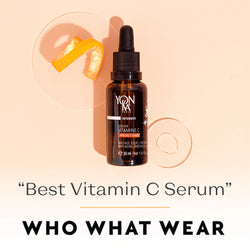
Vitamin C A powerhouse antioxidant, Vitamin C helps protect the delicate eye area from free radical damage caused by UV rays and pollution. It also helps brighten the appearance of dark circles and supports a more even skin tone. Our Serum C20 is an excellent example of how stable, high-concentration Vitamin C can revitalize the skin's radiance.
Rosemary Essential Oil A signature of our phyto-aromatic heritage, rosemary is highly revitalizing. In eye care, it helps to tone the appearance of the skin and provides a "draining" effect that minimizes the look of morning puffiness, which can stretch the skin and contribute to future wrinkles.
Fruit Acids (AHAs) In very gentle concentrations, acids like citric or malic acid can help dissolve the bonds between dead skin cells. This gentle exfoliation smooths the surface texture of the eye area without the need for harsh scrubbing, which is far too aggressive for such thin skin.
Note: Because the eye area is so sensitive and our formulas contain active essential oils, we always recommend a brief patch test on the inner forearm for 24 hours when introducing a new product. Introduce one new formula at a time to allow your skin to adjust. A slight, brief tingling can be normal due to the activity of the botanicals, but persistent redness indicates you should reduce frequency. You can also review our formulas page to see how we balance potency with tolerance.
The Yon-Ka Phyto-Aromatic Eye Ritual
We believe that skincare is a ritual, not a chore. The best results for eye wrinkles come from a consistent, layered approach that respects the skin’s natural rhythm.
Step 1: Gentle Cleansing
The first step is always to remove makeup and impurities without stripping the skin. Our Lait Nettoyant is a gentle cleansing milk that respects the delicate balance of the eye area. Never tug or pull at the skin when removing mascara; instead, soak a cotton pad and hold it against the eye for a few seconds to let the formula dissolve the pigment.
Step 2: The Essential Mist
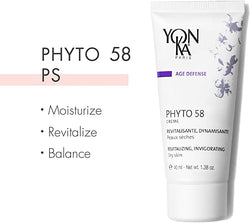
After cleansing, a mist of Lotion Yon-Ka PS prepares the skin. This phyto-aromatic mist, featuring our signature Quintessence (lavender, geranium, rosemary, cypress, and thyme), balances the skin and enhances the absorption of the targeted treatments that follow.
Step 3: Targeted Eye Treatment
This is where you address the specific appearance of wrinkles. Depending on your primary concern, you might choose one of our specialized contours:
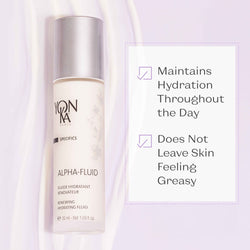
- Alpha-Contour: This is often the best choice for fine lines. It uses a blend of fruit acids to gently smooth the skin's surface and mimosa tenuiflora to help the skin feel regenerated. It provides a refreshing, hydrating feel that makes lines less noticeable.
- Phyto-Contour: If you struggle with puffiness and dark circles alongside wrinkles, this rosemary-infused cream is iconic. It has a visible "lifting" and firming effect on the eye area, helping it look more awake and toned.
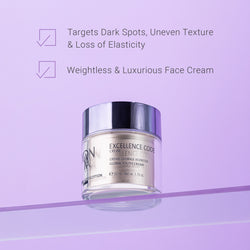
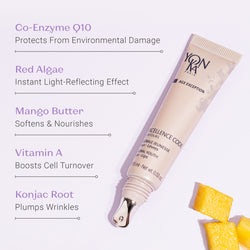
- Excellence Code Contours: For those addressing more advanced signs of aging, this cream targets deep wrinkles, sagging, and a loss of radiance. It includes ingredients like Persian Silk Tree to combat signs of fatigue.
Step 4: Moisturize and Protect
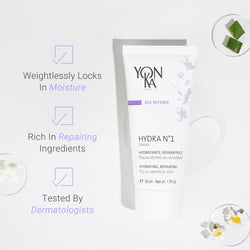
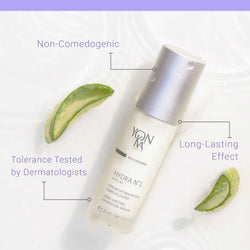
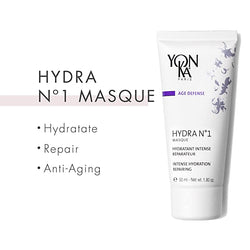
Follow with your appropriate face cream, such as Hydra N°1 Creme for intensive hydration.
Or choose Vital Defense to protect against environmental stressors. During the day, always finish with sun protection. UV damage is responsible for up to 80% of visible skin aging, especially in the thin eye area.
Professional Spa Treatments for the Eye Area
While home care is the foundation of eye health, professional treatments offer a deeper level of rejuvenation. Professional estheticians have access to specialized massage techniques and high-concentration professional formulas that can significantly boost the appearance of the eye contour.
Many of our partner spas offer the "Eclat Contour" treatment, a dedicated session for the eyes that focuses on smoothing, draining, and soothing. The use of professional-grade thermal masks and lymphatic drainage massage can provide immediate visible results that are difficult to achieve at home. If you are looking for an intensive boost, we recommend using our Spa Locator to find a professional Yon-Ka treatment center near you.
Lifestyle Habits to Support Eye Youthfulness
What you do outside of your skincare ritual matters just as much as what you apply to your skin. To maximize the effectiveness of your eye creams, consider these lifestyle adjustments:
- Sleep Positioning: Try to sleep on your back. Sleeping on your side or stomach can press your face into the pillow, creating "sleep lines" that eventually become permanent wrinkles. A silk or satin pillowcase can also reduce friction on the delicate eye area.
- Wear Sunglasses: This serves two purposes. First, it protects the skin from UV rays. Second, it prevents you from squinting in bright light, which reduces the formation of dynamic wrinkles.
- Hydrate from Within: No eye cream can fully compensate for systemic dehydration. Ensure you are drinking enough water throughout the day to keep your skin cells plump from the inside out.
- Manage Allergies: Chronic rubbing of the eyes due to seasonal allergies is a major contributor to skin laxity and wrinkles. If you suffer from allergies, consult a physician to manage your symptoms and prevent mechanical damage to the eye area. For more ways to support the eye area, read The Best Ways to Maintain Youthful Looking Eyes.
| Concern | Recommended Product Type | Key Benefit |
|---|---|---|
| Fine Lines / Texture | Alpha-Contour | Gently exfoliates and smooths surface lines. |
| Puffiness / Slackened Skin | Phyto-Contour | Revitalizes, firms, and decongests the eye area. |
| Deep Wrinkles / Global Aging | Excellence Code Contours | Targets volume loss and deep creases. |
| Dryness / Crêpiness | Nutri-Contour | Nourishes with vitamin-rich oils to soften skin. |
The Role of the Quintessence in Eye Care
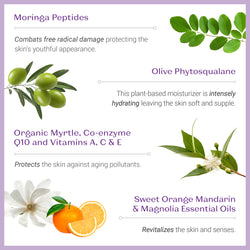
The heart of us lies in the Quintessence — our exclusive complex of five essential oils. While we have already mentioned the toning benefits of rosemary, the other four oils play a vital role in the overall health of the skin around the eyes. Lavender and geranium provide soothing and balancing properties, ensuring the active treatments do not cause irritation. Cypress and thyme offer further support for the skin’s appearance, helping it look revitalized and clear. This 100% natural and active foundation is what sets our phyto-aromatic approach apart from purely synthetic skincare, and you can read more about this heritage in our story.
How to Apply Eye Cream Correctly
Application technique is just as important as the formula itself. Because the skin is so thin, you must avoid any "tugging" motion.
- The "Ring Finger" Rule: Use your ring finger to apply eye products. It is naturally the weakest finger, which ensures you apply the least amount of pressure.
- The "Orbital Bone" Method: Dot the cream along the orbital bone (the hard ridge under your eye) and just under the eyebrow. You do not need to apply product directly to the eyelids or right up to the lash line, as the product will naturally "travel" through capillary action as your skin warms it.
- Gentle Patting: Use a light tapping or patting motion to blend the product until it is absorbed. This also helps stimulate local microcirculation, which can aid in depuffing.
Key Takeaway: Real results in reducing the appearance of eye wrinkles come from consistency and technique. A botanical ritual that emphasizes hydration, protection, and gentle application will always outperform an inconsistent "miracle" product.
Comparison: Eye Serums vs. Eye Creams
Many people ask if they should use a serum or a cream for their eyes. In a professional ritual, they often serve different purposes:
- Eye Serums: These are generally lighter in texture and formulated with smaller molecules to penetrate deeply. They are ideal for delivering high concentrations of active ingredients like peptides or Vitamin C.
- Eye Creams: These are richer and designed to sit on the surface longer, providing a protective barrier and immediate smoothing. They are essential for those with dry or mature skin.
For many, the "best thing" is actually a combination. You might apply a targeted booster or serum, followed by a cream like Phyto-Contour to seal in the moisture and provide a firming finish. For a deeper dive into the category, see our eye and lip contour collection.
Addressing Crepey Skin Under the Eyes
Crepey skin is characterized by a thin, finely wrinkled texture similar to crepe paper. This is usually a sign of both collagen loss and significant dehydration. To address this, look for products that provide intense lipid replenishment.
Our Nutri-Contour is specifically designed for this. Formulated with hazelnut oil and vitamins, it provides the essential fatty acids needed to repair the skin's moisture barrier. When the barrier is healthy, the skin looks significantly smoother and less "crepey." This is a perfect example of how nourishing the skin can have an immediate visual impact on the depth of wrinkles.
Conclusion
Finding the best thing for wrinkles around the eyes requires moving beyond quick fixes and embracing a holistic, plant-powered approach. By understanding the unique vulnerability of the eye contour and treating it with the respect it deserves, you can maintain a youthful, vibrant gaze for years to come. Whether you are smoothing fine lines with the fruit acids in Alpha-Contour or firming the area with the rosemary in Phyto-Contour, consistency is your greatest ally.
Yon-Ka Paris remains dedicated to the belief that skincare is a ritual worth savoring. Rooted in our 70-year heritage of phyto-aromatic expertise, our formulas bridge the gap between nature's potency and scientific precision. We invite you to explore our specialized Contours collection to find the perfect match for your needs.
- Identify your primary eye concern (lines, puffiness, or deep wrinkles).
- Incorporate a gentle cleanser and a targeted eye contour cream.
- Protect the area daily with sunglasses and SPF.
- If you're unsure where to start, take our Product Matcher on our website for a personalized recommendation.
"The eyes are not just the window to the soul; they are the reflection of the care we give ourselves. A dedicated ritual is the most powerful tool we have to preserve their brilliance."
FAQ
What age should I start using an eye cream?
While it is never too late to start, we recommend introducing a preventative eye treatment in your mid-20s. This is when natural collagen production begins to slow, and early hydration can prevent fine lines from becoming permanent static wrinkles.
Can I use my regular face moisturizer around my eyes?
While some moisturizers are safe, many are too heavy for the thin eye skin and can lead to milia (small white bumps) or puffiness. Specialized eye products are ophthalmologically tested and formulated with a specific molecular weight to safely and effectively treat this delicate area.
How long does it take to see results with an eye cream?
Hydration-based results, like plumping dehydration lines, can often be seen within days. However, addressing the appearance of deeper wrinkles and firmness requires consistency over time; most people see significant visible improvements after 4 to 8 weeks of twice-daily use.
Why does my eye cream sometimes make my eyes look puffier?
This often happens if you apply the product too close to the lash line or use too much. The product can migrate into the eye, causing mild irritation or fluid retention. Ensure you are applying the cream only along the orbital bone and using a pea-sized amount for both eyes.