Table of Contents
- Introduction
- The Unique Anatomy of the Under-Eye Area
- Identifying the Different Types of Under Eye Wrinkles
- The Primary Culprits: What Causes Eye Wrinkles?
- The Power of Phyto-Aromatic Ingredients
- Key Ingredients to Look For in Eye Treatments
- Building Your Yon-Ka Eye Ritual
- Professional Spa Treatments: Taking Results Further
- Lifestyle Habits to Support Smooth Skin
- Safety and Sensitivity
- Conclusion
- FAQ
Introduction
The eyes are often the first feature others notice, serving as the most expressive part of our face. However, the skin surrounding them is incredibly delicate—up to four times thinner than the skin on the rest of the body—making it susceptible to the first visible signs of aging. Whether you are noticing fine lines that appear only when you smile or deeper, permanent creases, seeking ways to support this fragile area is a common step in any sophisticated self-care journey. At Yon-Ka Paris, we believe that addressing under eye wrinkles is not about chasing an impossible standard of perfection, but about honoring the skin with a consistent, phyto-aromatic ritual that preserves its vitality and resilience. In this article, we will explore the biological causes of under eye wrinkles, the most effective botanical and clinical ingredients, and how a professional-grade home ritual can visibly smooth and brighten your gaze.
The Unique Anatomy of the Under-Eye Area
To understand how to address wrinkles under the eyes, one must first recognize that this skin is biologically different from the rest of the face. This region lacks the density of sebaceous (oil) glands found on the forehead or chin, which means it is naturally more prone to dryness and dehydration, one reason it responds well to our dry and dehydrated skin collection.
Beneath this thin layer of skin lies a complex network of muscles that are constantly in motion. We blink approximately 10,000 to 20,000 times a day, and our eyes are involved in every smile, squint, and frown. This repetitive mechanical stress, combined with a lack of structural support from fat and muscle as we age, creates a "perfect storm" for wrinkle formation. Furthermore, the under-eye area has a very fine capillary network, which is why issues like puffiness and dark circles often accompany wrinkles, making the overall appearance look more fatigued.
Identifying the Different Types of Under Eye Wrinkles
Not all lines around the eyes are the same, and identifying the type you have is the first step toward effective treatment. Skincare professionals generally categorize wrinkles into three distinct groups: dynamic wrinkles, static wrinkles, and wrinkle folds. Each has a different cause and requires a slightly different approach to care.
Dynamic Wrinkles
Dynamic wrinkles are the lines that appear only when you make an expression. These are often referred to as "smile lines" or "crow's feet." When you laugh or squint in the sun, the muscles contract, folding the skin. In younger skin, these lines disappear the moment the face relaxes. However, as collagen production slows down, the skin loses its "rebound" capacity, and these dynamic lines eventually begin to linger even when the face is at rest.
Static Wrinkles
Static wrinkles are visible lines that remain on the face even when your muscles are completely relaxed. These are caused by a combination of internal factors, like the natural loss of elastin and collagen, and external factors, such as UV damage. Static wrinkles represent a change in the actual structure of the dermis. While topical products can significantly soften their appearance and prevent them from deepening, they are more persistent than dynamic lines.
Wrinkle Folds
Wrinkle folds are deeper grooves that often result from a loss of underlying volume. As the natural fat pads in the cheeks and under the eyes shift or diminish with age, the skin may begin to sag or drape, creating a "hollow" look or a noticeable fold. These are often most prominent in the "tear trough" area, where the lower eyelid meets the cheek.
The Primary Culprits: What Causes Eye Wrinkles?
While the passage of time is a primary factor, several environmental and lifestyle elements accelerate the appearance of under eye wrinkles. Understanding these triggers allows you to make proactive changes to your daily environment.
- Ultraviolet (UV) Radiation: This is the leading cause of premature skin aging. UV rays generate free radicals that break down collagen fibers and inhibit the production of new ones. Since the eye area is so thin, it has very little natural defense against sun-induced damage.
- Environmental Pollutants: Microscopic particles from smog and smoke can penetrate the skin, causing oxidative stress. This triggers inflammation and degrades the skin’s structural proteins.
- Dehydration: Because the eye area has fewer oil glands, it relies heavily on external hydration. When the body is dehydrated, or the air is dry, the skin "shrinks," making fine lines look significantly deeper and more pronounced.
- Sleep Deposition and Position: Lack of sleep prevents the skin from entering its essential repair mode. Furthermore, sleeping with your face pressed into a pillow can create "sleep lines" that eventually become permanent.
- Repetitive Motions: Constant squinting—often due to uncorrected vision or lack of sunglasses—forces the muscles into a perpetual state of contraction, deepening creases.
The Power of Phyto-Aromatic Ingredients
At Yon-Ka, our philosophy is rooted in the synergy of plants and science to address these complex concerns. We utilize over 130 land and sea plants, but our foundation is always the Quintessence. This exclusive complex of five essential oils—lavender, geranium, rosemary, cypress, and thyme—is 100% natural and active. If you want to go deeper into that approach, explore our ingredients.
Rosemary, for example, is a key ingredient in our eye care because of its remarkable ability to support microcirculation. When applied to the under-eye area, it helps to firm the appearance of the skin and reduce the look of puffiness. Cypress and thyme offer toning benefits, while lavender and geranium soothe the delicate tissue, preventing the irritation that can often lead to further inflammation and aging.
Key Ingredients to Look For in Eye Treatments
When choosing a treatment for under eye wrinkles, certain "gold standard" ingredients should be part of your formula. These ingredients work through different pathways to hydrate, firm, and protect.
Hyaluronic Acid: The Moisture Magnet
Hyaluronic acid is a naturally occurring molecule in our skin that can hold up to 1,000 times its weight in water. In eye care, it acts as a topical "plumper." By drawing moisture into the surface layers of the skin, it immediately fills out fine lines, making the skin look smooth and supple. We use varying molecular weights of hyaluronic acid to ensure both surface hydration and deeper support.
Vitamin C: The Brightening Protector
Vitamin C is a potent antioxidant that neutralizes free radicals caused by the sun and pollution. It is also essential for the synthesis of collagen. Using a product like Serum C20 can help brighten the overall eye area, reducing the look of dark circles while supporting the skin's structural integrity.
Retinol and Phyto-Retinols: The Resurfacers
Retinol (Vitamin A) is renowned for its ability to speed up cell turnover and stimulate collagen. However, because the eye area is so sensitive, traditional retinols can sometimes cause redness or peeling. At Yon-Ka, we often utilize botanical alternatives or stabilized versions that provide the smoothing benefits of retinol without the irritation, making them suitable for the fragile under-eye tissue.
Peptides: The Messengers
Peptides are short chains of amino acids that act as messengers, telling the skin to produce more collagen and elastin. They are particularly effective at "firming" the appearance of the skin. Look for peptides in products designed for "lifting" or "age defense" to help support the skin against gravity and repetitive movement.
Building Your Yon-Ka Eye Ritual
Addressing under eye wrinkles requires more than just a single cream; it requires a dedicated ritual. A consistent sequence of steps ensures that the delicate skin is prepared, treated, and protected.
Step 1: Gentle Cleansing
Always start with a clean canvas using a barrier-respecting cleanser like Lait Nettoyant. This cleansing milk gently removes makeup and impurities without stripping the skin of its essential lipids. Never rub or pull the eye area during this step; instead, use soft, circular motions with your ring fingers.
Step 2: The Phyto-Aromatic Mist
Prepare the skin with Lotion Yon-Ka PS, our signature toning mist. This step is crucial because damp skin is more permeable than dry skin. By misting the face before applying eye cream, you enhance the absorption of the active botanical ingredients.
Step 3: Targeted Eye Treatment
Apply a specialized eye formula such as Phyto-Contour. This iconic cream is a favorite in professional treatment rooms. Formulated with rosemary, it specifically targets the appearance of under-eye "bags" and fine lines. The cooling sensation helps to "wake up" the eyes in the morning, while the botanical actives work to firm and smooth throughout the day.
Step 4: Intensive Support
For those concerned with deeper wrinkles and a loss of firmness, integrate a product from our Age Correction or Age Exception ranges.
Products like Advanced Optimizer Crème are designed to provide more intensive support for mature skin.
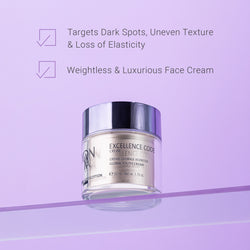
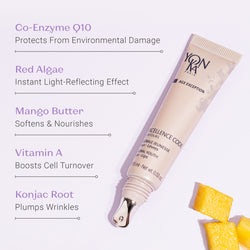
The premium Excellence Code Creme is designed to provide more intensive support for mature skin.
These formulas often contain higher concentrations of peptides and restructuring botanicals.
Step 5: Daytime Protection
During the day, always finish with a layer of protection. While your eye cream provides hydration, a product like Vital Defense helps shield the skin from environmental pollutants and oxidative stress.
Pair this with a broad-spectrum SPF to prevent UV rays from degrading the collagen you are working so hard to protect, and browse our Sun Care collection for daily UV defense.
Yon-Ka Tip: For an extra smoothing effect, keep your Phyto-Contour in the refrigerator. The cold temperature works synergistically with the rosemary to further constrict the appearance of puffiness and tighten the look of the skin.
Professional Spa Treatments: Taking Results Further
While a home ritual is the foundation of eye care, professional treatments can provide deeper, more immediate results. Our skincare professionals are trained in specific massage techniques—such as lymphatic drainage and acupressure—that cannot be easily replicated at home.
A Yon-Ka professional facial often includes specialized eye contours using concentrated serums and professional-only masks. These treatments help to deeply hydrate the tissue and stimulate the skin's natural renewal processes.
If you find that your home routine has reached a plateau, visiting a local spa using our Spa Locator can help you find a professional who can analyze your skin and provide a "reset" for your eye area.
For a closer look at what a targeted treatment can involve, read our Eye & Lip Perfection Treatment.
Lifestyle Habits to Support Smooth Skin
What you do outside of your bathroom also significantly impacts the appearance of under eye wrinkles. To see the best results from your skincare, consider these lifestyle adjustments:
- Prioritize Restorative Sleep: Aim for 7–9 hours of sleep. This is when your body produces the most growth hormone, which helps repair skin cells.
- Wear UV-Blocking Sunglasses: This prevents you from squinting (avoiding dynamic wrinkles) and provides a physical barrier against UV rays.
- Hydrate from Within: Drink at least 64 ounces of water daily. Topically applied hyaluronic acid works best when the body is internally hydrated.
- Manage Salt Intake: High sodium can lead to fluid retention, which causes under-eye puffiness. This puffiness stretches the skin, eventually leading to more wrinkles when the swelling subsides.
- Stop Smoking: Smoking severely depletes the skin of oxygen and Vitamin C, leading to a "gray" complexion and deep, premature wrinkles around the eyes and mouth.
Key Takeaway: Under eye wrinkles are caused by a combination of thin skin, repetitive motion, and environmental damage. A successful strategy must include high-quality hydration, collagen-supporting botanicals like those found in Phyto-Contour, and consistent sun protection.
Safety and Sensitivity
Because the eye area is so delicate, we always recommend a cautious approach when introducing new products. Even natural, plant-based formulas are highly active. To see how we balance efficacy and safety, explore our formulas.
Note: Perform a patch test on your inner forearm for 24 hours before applying a new eye treatment. Introduce one new product at a time so you can monitor how your skin responds. A slight, temporary tingling can be normal due to active essential oils, but if you experience persistent redness or itching, reduce the frequency of use or consult a professional.
Conclusion
What you can do for under eye wrinkles involves a blend of patience, professional-grade ingredients, and a commitment to a daily ritual. By understanding the unique needs of this fragile area and utilizing the power of phyto-aromatic therapy, you can significantly soften the look of lines and maintain a bright, youthful expression. At Yon-Ka Paris, we remain dedicated to our brand story of combining the best of nature with pharmaceutical rigor, ensuring that every drop of our Quintessence supports your skin’s journey toward lasting beauty.
If you are unsure which products are right for your specific eye concerns, we invite you to take our Skin Diagnosis quiz.
Embracing a consistent ritual today is the most effective way to ensure your skin remains as vibrant and expressive as you are.
If you are still comparing options, use the Product Matcher on our website.
"Skincare is not just a routine; it is a moment of connection with oneself, where the power of botanicals meets the wisdom of the senses."
FAQ
Can eye creams really remove wrinkles?
While no topical cream can permanently "erase" deep wrinkles like a medical procedure might, high-quality eye treatments can significantly soften their appearance. Ingredients like hyaluronic acid and peptides plump the skin and improve elasticity, making the eye area look much smoother and more refreshed with consistent use.
When should I start using an eye cream?
Prevention is the most effective strategy, so it is often recommended to start a dedicated eye ritual in your mid-20s. This is the period when natural collagen production begins to slow down. Starting early helps to keep the skin hydrated and resilient before static wrinkles have a chance to set in.
Is it okay to use my regular face moisturizer under my eyes?
While it is better than nothing, regular face creams are often too heavy or contain concentrations of actives that may irritate the thin under-eye skin. Specialized eye creams like Phyto-Contour are formulated with a specific molecular size and pH to ensure safety and efficacy for the delicate orbital area.
How long does it take to see results from an eye treatment?
Hydration-based results, such as a "plumping" effect from hyaluronic acid, can often be seen immediately or within a few days. However, for improvements in the appearance of fine lines and firmness, it typically takes 4 to 8 weeks of consistent, twice-daily application, as this aligns with the skin's natural renewal cycle.