Table of Contents
- Introduction
- Defining Periorbital Wrinkles and Their Specific Names
- The unique Physiology of the Eye Area
- Understanding the Causes: Why Do These Lines Form?
- The Phyto-Aromatic Approach to Eye Care
- Building a Restorative Eye Ritual with Yon-Ka
- Professional Spa Expertise for Advanced Concerns
- Essential Oil Safety and Sensible Skin Practices
- Lifestyle Adjustments for Brighter Eyes
- Conclusion
- FAQ
Introduction
Finding a new line in the mirror during your morning ritual can be a moment of quiet reflection. The skin around our eyes is often the first to tell the story of our lives—our laughter, our late nights, and our experiences in the sun. At Yon-Ka Paris, we believe that understanding the language of your skin is the foundation of caring for it with grace and precision, especially when you are exploring our anti-aging collection. If you have ever wondered exactly what those fine creases or radiating lines are called, you are not alone.
This post will define the specific names for different types of eye wrinkles, such as periorbital wrinkles, crow’s feet, and under-eye creases. We will explore why this delicate area is uniquely prone to aging and how a consistent, phyto-aromatic ritual can support a smoother, more radiant appearance. By combining professional spa expertise with botanical science, we help you navigate these changes with confidence and sensorial joy.
Defining Periorbital Wrinkles and Their Specific Names
In the world of professional skincare, the broad term for any lines or creases around the eye is periorbital wrinkles. This simply means "around the orbit" of the eye. However, because this area is complex, experts break these lines down into more specific categories based on where they appear and what causes them, especially within our eye and lip contour collection.
Crow’s Feet (Lateral Canthal Lines)
These are perhaps the most recognizable eye wrinkles. Crow’s feet are the fine lines that fan out from the outer corners of the eyes. Medically, they are known as lateral canthal lines. They are primarily caused by the contraction of the orbicularis oculi muscle when we smile, laugh, or squint. Because they are tied to our most frequent facial expressions, they are often referred to as "laugh lines."
Under-Eye Creases and Fine Lines
Lines that appear directly beneath the lower eyelid are generally called under-eye creases or infraorbital folds. These lines can vary from shallow, "crepey" textures to deeper, more established folds. Unlike crow’s feet, these are often influenced by skin thinning, volume loss, and gravity rather than just repetitive muscle movement.
Dennie-Morgan Lines
A specific type of under-eye fold that is not necessarily related to aging is the Dennie-Morgan line. These are small creases that form along the lower eyelids, often appearing as a double fold. Unlike standard wrinkles, these are frequently associated with a genetic predisposition to allergies, eczema, or asthma. If you notice these lines in early childhood or alongside seasonal allergies, they may be related to chronic inflammation or eye-rubbing rather than the natural aging process.
Dynamic vs. Static Wrinkles
It is also helpful to distinguish between the "state" of the wrinkle:
- Dynamic Lines: These are only visible when you make a facial expression, such as smiling or squinting.
- Static Lines: These remain visible even when your face is completely at rest. Over time, frequent dynamic movements combined with a loss of collagen can cause dynamic lines to become static.
Quick Answer: Wrinkles under and around the eyes are collectively called periorbital wrinkles. Specific types include crow’s feet (at the outer corners), under-eye creases (below the lower lid), and Dennie-Morgan lines (often allergy-related).
The unique Physiology of the Eye Area
To understand why these lines form, we must look at the anatomy of the eye contour. The skin in this region is the thinnest on the entire body—measuring roughly 0.2mm to 0.5mm, which is about one-fourth the thickness of the skin on your cheeks.
Because it is so thin, the eye area lacks the abundance of sebaceous (oil) glands found elsewhere on the face. This makes the skin prone to dehydration, which can make fine lines appear much deeper than they actually are. If you are supporting the rest of your routine, our face moisturizers are a helpful place to start.
Furthermore, the eye area is supported by very little subcutaneous fat. As we age and that tiny bit of "cushioning" diminishes, the skin can begin to look hollow or sunken, accentuating the look of wrinkles and dark circles.
We also blink upwards of 10,000 times a day. This constant mechanical stress, paired with the fragility of the skin barrier, creates a "perfect storm" for early signs of aging. This is why a dedicated eye treatment is a non-negotiable step in a holistic skincare ritual.
Understanding the Causes: Why Do These Lines Form?
While aging is an inevitable and beautiful part of life, several factors contribute to how and when these lines become visible.
The Decline of Collagen and Elastin
Collagen is the protein responsible for the skin's structure and "plumpness," while elastin provides the "snapback" or elasticity. Starting in our mid-20s, the natural production of these proteins begins to slow down. As the skin loses its structural support, it becomes less resistant to the mechanical stress of blinking and smiling, leading to the formation of permanent creases.
Ultraviolet (UV) Exposure
Sun damage is responsible for a significant percentage of external skin aging. UVA rays penetrate deep into the dermis, breaking down collagen fibers and damaging the DNA of skin cells. Because we often neglect to apply sunscreen right up to the orbital bone, the eye area frequently bears the brunt of UV damage, leading to a "crepey" texture and deepened wrinkles, which is why our sun care range matters so much.
Repetitive Facial Expressions
Our eyes are the center of our communication. Squinting at screens, laughing with friends, and even frowning all involve the contraction of muscles that fold the skin. Over thousands of repetitions, these "expression lines" etch themselves into the skin, eventually becoming static wrinkles.
Lifestyle and Environmental Factors
Several external factors can accelerate the appearance of periorbital wrinkles:
- Pollution: Urban environments expose the skin to free radicals, which cause oxidative stress and break down the skin barrier.
- Sleep Deposition: Lack of quality rest prevents the skin from undergoing its natural repair cycle.
- Dehydration: Both internal (not drinking enough water) and external (dry air or central heating) dehydration can cause the skin to shrivel slightly, making lines more prominent.
- Smoking: Chemicals in tobacco smoke impair circulation and damage collagen and elastin, often leading to premature "smoker’s lines" and deep eye wrinkles.
The Phyto-Aromatic Approach to Eye Care
At Yon-Ka, we believe that the most effective way to address the delicate eye area is through phyto-aromatic science—the fusion of aromatherapy, phytotherapy, and aromachology. To learn more about that philosophy, visit our ingredients. Our formulas are designed to respect the fragile nature of the eye contour while delivering potent botanical actives.
Our signature Quintessence—a blend of lavender, geranium, rosemary, cypress, and thyme—serves as the foundation of our philosophy. For the eye area, rosemary is a particularly vital ingredient. It is known for its ability to support the appearance of firmness and provide a "draining" effect that helps reduce the look of puffiness.
We prioritize ingredients of natural origin and pharmaceutical-grade testing to ensure that our products are as gentle as they are effective. By avoiding harsh synthetics and focusing on plant-based vitality, we provide a sensorial experience that encourages consistent use—the true secret to long-term skin health.
Building a Restorative Eye Ritual with Yon-Ka
Addressing wrinkles under the eyes is not about a "quick fix" but about a consistent, layered ritual. We recommend integrating eye-specific care into your morning and evening routine following our professional method.
Step 1: Gentle Cleansing
Never tug or pull at the eye area. Use a gentle cleansing milk like Lait Nettoyant. Apply it with your fingertips and massage in circular motions to dissolve makeup and pollution. Rinse or remove with a soft, damp cloth. This respects the skin's lipid barrier, preventing the dryness that leads to fine lines.
Step 2: Prepare with a Phyto-Aromatic Mist
Spritz Lotion Yon-Ka PS over your face and neck after cleansing. This alcohol-free mist hydrates and preps the skin to absorb the targeted treatments that follow.
If your skin is normal to oily, Lotion Yon-Ka PNG is the matching choice for a refreshing, purifying boost. The aromatic scent also helps ground your mind, turning your routine into a moment of wellness.
Step 3: Targeted Eye Treatment
This is the most critical step for addressing the appearance of wrinkles.
- For Firming and Puffiness: Apply Phyto-Contour. This iconic rosemary-based cream is designed to firm the appearance of the eye contour while visibly reducing dark circles and puffiness. It provides a refreshing, "awake" feeling that is perfect for tired eyes.
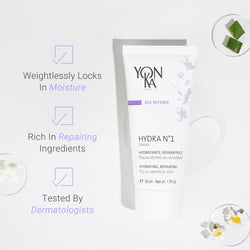
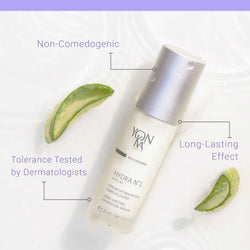
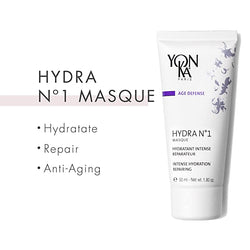
- For Intense Hydration: If your lines are primarily caused by dehydration, Hydra N°1 Creme uses hyaluronic acid to "plump" the look of the skin, smoothing out fine, crepey lines.
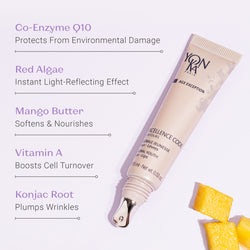
- For Advanced Aging: From our Age Exception range, Excellence Code Contours addresses deeper wrinkles, loss of firmness, and dullness using a comprehensive blend of botanical peptides and vitamins.
Step 4: Moisturize and Protect
Follow with your appropriate day or night cream from our face moisturizers. In the morning, never skip sun protection. Apply a broad-spectrum SPF to protect the delicate eye area from further UV-induced collagen breakdown.
Key Takeaway: The best defense against eye wrinkles is a combination of targeted hydration (hyaluronic acid), firming botanicals (rosemary and peptides), and daily UV protection. Consistency is more effective than any single high-strength treatment.
Professional Spa Expertise for Advanced Concerns
While home care is the foundation of your ritual, professional treatments can provide a "reset" for the skin. Our heritage is rooted in the treatment room, and over 7,000 skincare professionals worldwide trust us to deliver results. If you want a closer in-person experience, our Spa Locator can help you find a nearby partner.
If you find that your under-eye wrinkles are becoming more pronounced, a professional Yon-Ka treatment at a local spa can help. Estheticians use specialized massage techniques and high-concentration professional formulas to stimulate the skin and enhance the absorption of active ingredients.
Essential Oil Safety and Sensible Skin Practices
Because we use pure, active essential oils and botanical extracts, we want your experience to be as comfortable as it is effective. The eye area is particularly sensitive, so please keep these best practices in mind, especially when introducing a serum like Serum Vitamine C 20%.
- Patch Test: When introducing a new product like Phyto-Contour or Serum C20, apply a small amount to your inner forearm and wait 24 hours to ensure your skin welcomes the ingredients.
- Application Technique: Use your ring finger—it has the lightest touch. Gently "tap" or dab the product along the orbital bone (the hard ridge under your eye and below your brow). Avoid applying product too close to the lash line, as it will naturally migrate toward the eye as it warms up.
- Introduce Slowly: If you have highly sensitive skin, introduce one new product at a time. A slight tingling sensation can be normal due to the activity of the essential oils, but if you experience persistent redness or irritation, reduce the frequency of use or consult a professional.
Note: If you have persistent skin concerns such as severe eczema around the eyes or sudden, painful changes in your skin, please consult a physician or dermatologist.
Lifestyle Adjustments for Brighter Eyes
Topical products work best when supported by healthy daily habits. Small changes in your lifestyle can have a significant impact on the appearance of the eye area over time.
- Prioritize Sleep: Aim for 7–9 hours of quality rest. Try sleeping on your back with an extra pillow to prevent fluid from pooling under the eyes, which can stretch the skin and contribute to wrinkles.
- Wear Sunglasses: A pair of UV-protected sunglasses is your best friend for wrinkle prevention. Not only do they block harmful rays, but they also prevent you from squinting, which is a leading cause of crow’s feet.
- Hydrate Internally: Drinking enough water ensures that your skin cells remain plump from the inside out. Pair this with hydrating foods like cucumbers, watermelon, and leafy greens.
- Reduce Screen Strain: Follow the 20-20-20 rule: every 20 minutes, look at something 20 feet away for 20 seconds. This reduces the muscle tension and squinting associated with digital eye strain.
Conclusion
Understanding what the wrinkles under your eyes are called is the first step in creating a targeted, effective skincare ritual. Whether you are addressing dynamic crow's feet or static under-eye creases, the goal remains the same: to support the skin's natural resilience through high-quality, phyto-aromatic care.
At Yon-Ka Paris, we are proud to continue the 70-year legacy of the Mühlethaler family, bringing the power of the Quintessence and French botanical science to your daily routine. We believe that caring for your skin is an act of self-respect—a ritual to be savored every morning and evening, with guidance from our formulas.
To find the perfect products for your unique concerns, we invite you to take our Skin Diagnosis quiz.
Or use the Product Matcher on our website.
"Skincare is not just about the surface; it is a holistic ritual that honors the harmony between nature, science, and the spirit."
FAQ
Are wrinkles under the eyes called crow’s feet?
No, crow’s feet specifically refer to the lines that radiate from the outer corners of the eyes, often caused by smiling or squinting. Wrinkles located directly beneath the lower eyelid are usually called under-eye creases or infraorbital folds.
Can dehydration cause permanent lines under the eyes?
Dehydration often causes "dehydration lines," which are fine, crepey creases that appear when the skin lacks moisture. While these can be smoothed out with proper hydration, chronic dehydration can eventually lead to permanent static wrinkles if the skin remains compromised for too long.
What is the difference between dynamic and static eye wrinkles?
Dynamic wrinkles appear only when you make a facial expression, such as laughing or squinting. Static wrinkles are those that remain visible on your face even when your muscles are relaxed, usually due to a loss of collagen and elastin over time.
Why do lines under the eyes appear in your 20s?
The skin around the eyes is exceptionally thin and lacks oil glands, making it the first area to show signs of environmental stress and aging. Factors like sun exposure, lack of sleep, and repetitive expressions can cause fine lines to appear as early as your mid-20s.