Table of Contents
- Introduction
- Why the Eye Area Ages First
- What Age Do You Get Wrinkles Under Your Eyes?
- Understanding Dynamic vs. Static Wrinkles
- Environmental Factors That Accelerate Aging
- The Yon-Ka Phyto-Aromatic Eye Ritual
- Key Ingredients for Eye Rejuvenation
- Lifestyle Habits for Smoother Under-Eyes
- Professional Spa Expertise
- Essential Oil Safety and Sensitivity
- The Role of Glycation in Skin Aging
- How to Apply Eye Cream Correctly
- Conclusion
- FAQ
Introduction
There is a specific moment many of us recognize: catching a glimpse of your reflection in the soft, morning light and noticing a few faint, feathery lines that weren't there before. The skin around the eyes is often the first storyteller of our life’s experiences, reflecting our laughter, our late nights, and the passage of time. Because this area is uniquely delicate, it requires a bespoke approach to care that prioritizes both prevention and restoration. At Yon-Ka Paris, we believe that understanding the biology of your skin is the first step toward a proactive, ritual-led mindset rooted in our story that preserves your natural radiance. This guide explores the chronological milestones of skin changes and how a sophisticated, phyto-aromatic routine can support your skin’s longevity. While every individual is different, most people begin to see the first signs of under-eye changes between their late 20s and early 30s.
Why the Eye Area Ages First
To understand why we start noticing fine lines around the eyes before other areas of the face, we must look at the unique anatomy of the periorbital region. The skin here is approximately 40% thinner than the skin on the rest of the body. It lacks the same density of sebaceous (oil) glands and sweat glands found on the cheeks or forehead, which means the eye area has a naturally weaker hydrolipidic film. This makes it significantly more prone to dehydration and more vulnerable to external aggressors.
Beyond its physical structure, this area is under constant mechanical stress. We blink up to 15,000 times a day, and we frequently squint, laugh, and rub our eyes. This repetitive movement, combined with a lack of structural support, creates an environment where fine lines can easily take hold. Furthermore, the skin sits directly over the orbicularis oculi muscle with very little "padding" from fat or bone. As collagen production slows, this lack of volume makes even the slightest thinning of the dermis visible on the surface.
What Age Do You Get Wrinkles Under Your Eyes?
While the mid-20s to early 30s is the standard window for most, the appearance of wrinkles is a gradual evolution rather than a single event. Your personal timeline is influenced by a combination of "intrinsic" aging—your genetic blueprint—and "extrinsic" aging, which includes your environment and lifestyle choices.
The Mid-20s: The Invisible Shift
In your 20s, your skin is generally resilient and full of collagen. However, internally, the production of collagen—the protein responsible for skin firmness—begins to decline by about 1% each year. While you might not see deep furrows, you may notice dynamic lines. These are wrinkles that appear when you smile or squint but disappear once your face is at rest. This is the ideal time to introduce a preventative treatment to support the skin's microcirculation and tone.
The 30s: The Transition to Static Lines
As you move through your 30s, those dynamic lines may begin to become static. This means they remain visible even when your face is relaxed. This occurs because the skin’s "rebound" ability is compromised. The elastin fibers, which act like tiny springs within the dermis, start to lose their snap. If you find that your skin feels particularly tight by mid-afternoon, it is a sign that the barrier needs more intensive hydration and lipid support.
The 40s and Beyond: Volume and Texture
By the time we reach our 40s, hormonal shifts can further impact skin density. The skin may appear more "crepey" or translucent. Dark circles and puffiness can become more persistent as lymphatic drainage slows down. At this stage, the focus shifts from simple prevention to active age correction, and our serums and elixirs become especially relevant.
Key Takeaway: Aging is a cumulative process. The lines you see in your 30s are often the result of sun exposure and dehydration that occurred in your 20s. Consistency in your daily ritual is the most effective way to manage these changes.
Understanding Dynamic vs. Static Wrinkles
It is helpful to distinguish between the two types of lines that appear in the eye area. Dynamic wrinkles are caused by muscle movement. When you smile, the skin bunches together; when you stop smiling, a young, elastic dermis snaps back to a smooth state.
Static wrinkles are those that remain etched into the skin regardless of muscle activity. These form over time as the "groove" created by dynamic movement becomes permanent due to the breakdown of collagen and elastin. Our goal in skincare is to support the skin's elasticity so that dynamic lines take longer to transition into static ones.
Environmental Factors That Accelerate Aging
While we cannot stop the clock, we can mitigate the external factors that speed up the process. These extrinsic factors are often responsible for what we perceive as "premature" aging.
- UV Exposure: Unprotected sun exposure is the leading cause of fine lines. UVA rays penetrate deep into the dermis, where they dismantle the collagen and elastin fibers that keep skin smooth.
- Pollution: Microscopic pollutants can settle on the skin and trigger oxidative stress. This "silent aging" interferes with the skin's natural repair mechanisms.
- Digital Strain: Constant "tech-neck" and squinting at screens can contribute to the formation of lines. Additionally, blue light from devices may impact skin cell health over long periods.
- Smoking and Vaping: Nicotine constricts blood vessels, depriving the delicate eye skin of oxygen and essential nutrients. This leads to a dull, sallow complexion and deeper wrinkling.
The Yon-Ka Phyto-Aromatic Eye Ritual
At Yon-Ka, we believe in a layered, ritualistic approach to skincare. For the eye area, this means using specialized formulas that are ophthalmologically tested and designed for the unique needs of thin skin.
Step 1: Gentle Cleansing
The first rule of eye care is to never rub. Use a gentle, barrier-respecting cleanser like Lait Nettoyant. This cleansing milk allows you to dissolve makeup and impurities without tugging at the delicate skin. Apply it with your fingertips and rinse with lukewarm water.
Step 2: The Signature Mist
Prepare the skin with Lotion Yon-Ka PS. This phyto-aromatic mist, infused with our signature Quintessence (lavender, geranium, rosemary, cypress, and thyme), hydrates and balances the skin. It ensures that your subsequent eye treatments can absorb more effectively.
Step 3: Targeted Eye Treatment
This is the most critical step for addressing specific concerns. For those noticing puffiness and the first signs of fine lines, Phyto-Contour is a legendary choice. This cream features rosemary, which helps to visibly firm the eye contours and reduce the look of dark circles.
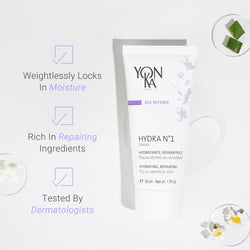
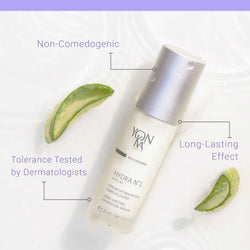
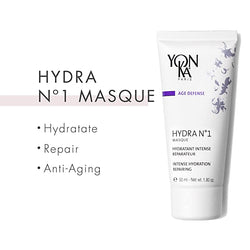
If your primary concern is deep hydration, look toward the Hydra N°1 Masque. The eye area thrives on hyaluronic acid, a molecule that can hold up to 1,000 times its weight in water. By "plumping" the skin with moisture, you can instantly reduce the appearance of fine lines caused by dehydration.
Step 4: Protection
During the day, you must protect the eye area from UV damage. Use a broad-spectrum SPF every single morning, even if it is cloudy. For added protection, browse our sun care collection and wear sunglasses with UV-rated lenses to prevent the mechanical stress of squinting.
Key Ingredients for Eye Rejuvenation
When browsing for eye care, focus on ingredients that offer both efficacy and gentleness. Because the eye area is sensitive, we prioritize botanical actives that work in harmony with the skin's natural chemistry. To see how this approach comes together across the line, explore our ingredients.
- Hyaluronic Acid: A gold-standard humectant that binds moisture to the skin, providing an immediate smoothing effect.
- Peptides: These small chains of amino acids act as messengers, encouraging the skin to maintain its structural integrity and look firmer.
- Vitamin C: A powerful antioxidant found in our Serum Vitamine C that helps brighten the appearance of the skin and defend against environmental damage.
- Rosemary: Used in our professional formulas to stimulate the appearance of the skin and provide a "lifting" and depuffing effect.
- Beech Bud Peptides: Known for their ability to smooth the look of the skin's surface and improve hydration levels.
Quick Answer: Most people start seeing fine lines under their eyes between ages 25 and 35. This is when collagen production slows and the effects of sun exposure and repeated facial expressions begin to manifest as visible creases.
Lifestyle Habits for Smoother Under-Eyes
Skincare is most effective when supported by healthy daily habits. Small changes in how you treat your body can have a visible impact on the clarity and smoothness of your eye area.
- Prioritize Sleep: During deep sleep, your body enters a repair mode. Lack of sleep increases cortisol, which can break down collagen over time and lead to persistent puffiness.
- Hydrate from Within: Drinking adequate water ensures that your skin cells remain plump. Dehydration makes the skin look "crepey" and emphasizes existing lines.
- Mind Your Sleeping Position: Sleeping on your stomach or side can press your face into the pillow, creating "sleep wrinkles." Try sleeping on your back to avoid mechanical compression of the eye area.
- Manage Allergies: Chronic rubbing of the eyes due to allergies can cause significant inflammation and skin stretching. Address allergies with a physician to minimize the need to touch the area.
- Dietary Antioxidants: Incorporate foods rich in Vitamins A, C, and E, such as berries, leafy greens, and nuts. These help neutralize the free radicals that contribute to aging.
Professional Spa Expertise
While a home ritual is the foundation of healthy skin, professional treatments offer a deeper level of care. Our heritage is rooted in the treatment room, and over 7,000 professionals worldwide trust our methods. A professional Yon-Ka treatment often includes specialized lymphatic drainage techniques and high-concentration professional-only masks that can revitalize the eye area in a way that home care alone cannot. If you are looking to take your results to the next level, use our Spa Locator to find a certified professional near you.
Essential Oil Safety and Sensitivity
Because our formulas utilize the power of essential oils and the Quintessence, we always recommend a mindful approach for those with sensitive skin. The eye area is particularly reactive.
Note: When introducing a new eye product, perform a patch test on your inner forearm for 24 hours. Introduce only one new product at a time. A very slight, brief tingling sensation can be normal with active essential oils, but if you experience persistent redness or irritation, reduce the frequency of use or discontinue.
The Role of Glycation in Skin Aging
A lesser-known cause of wrinkles is a process called glycation. This occurs when excess sugar molecules in the bloodstream attach to collagen and elastin fibers. This process causes these proteins to become stiff and brittle, losing their ability to keep the skin supple. This is especially noticeable in the thin skin around the eyes. Reducing your intake of refined sugars and processed foods can help maintain the flexibility of your skin’s support structure from the inside out.
How to Apply Eye Cream Correctly
Technique matters as much as the product itself. Most people apply too much product or use too much pressure, which can actually cause more harm than good.
- Step 1: Dispense a pea-sized amount of cream for both eyes.
- Step 2: Use your ring finger, which has the lightest touch.
- Step 3: Pat the product along the orbital bone (the hard ridge around your eye).
- Step 4: Avoid the lash line, as the product will naturally migrate toward the eye as it warms up.
- Step 5: Use a gentle "tapping" motion to encourage microcirculation and drainage.
Conclusion
At Yon-Ka Paris, we view aging not as something to be feared, but as a journey to be supported with grace and expertise. While the question of what age you get wrinkles under your eyes typically points to the late 20s or early 30s, your skin’s future is largely in your hands. By combining 70 years of phyto-aromatic heritage with a consistent, gentle ritual, you can maintain a vibrant and youthful appearance for decades to come.
- Commit to a daily ritual of cleansing, misting, and targeted treatment.
- Protect your skin from the sun and environmental stressors every day.
- Support your topical care with a balanced lifestyle and professional expertise.
"Skincare is not just a routine; it is a ritual of self-respect that bridges the power of nature with the science of longevity."
For a personalized recommendation on which eye treatments are right for your current skin stage, we invite you to take our Skin Diagnosis quiz. Exploring our specialized Contours collection is a wonderful next step in your journey toward radiant skin.
FAQ
Is it normal to have under-eye wrinkles at 20?
While deep wrinkles are uncommon at 20, "dynamic lines" caused by smiling or squinting are completely normal. If you notice persistent lines at this age, they are likely caused by dehydration or excessive sun exposure, both of which can be addressed with a consistent hydrating ritual and daily SPF. For the prevention-focused stage, our anti-aging collection is a useful place to start.
Can eye cream actually remove wrinkles?
Cosmetic eye creams are designed to improve the appearance of wrinkles by hydrating the skin and smoothing the surface texture. While they cannot permanently eliminate deep-set lines, they can significantly reduce their visibility and help prevent new lines from forming by supporting the skin's moisture barrier and elasticity.
Why did I suddenly get wrinkles under my eyes?
"Sudden" wrinkles are often the result of acute dehydration, lack of sleep, or environmental stress rather than true chronological aging. When the skin loses moisture, it shrivels slightly, making fine lines much more prominent; restoring hydration with a product like Hydra N°1 Masque can often smooth these lines quickly.
Should I use my regular face moisturizer around my eyes?
It is generally better to use a dedicated eye product, as regular moisturizers can be too heavy for the thin skin in this area. Heavy creams may lead to puffiness or the formation of milia (tiny white bumps), whereas specialized eye treatments are formulated with smaller molecules and tested for ocular safety. If you prefer a broader hydration option, explore our moisturizers.