Table of Contents
- Introduction
- The Typical Timeline: When Do Eye Wrinkles First Appear?
- Why the Eye Area Ages First
- Factors That Influence the Age of Appearance
- A Phyto-Aromatic Approach to Eye Care
- The Ritual: How to Address Eye Wrinkles at Any Age
- Application Techniques for the Eye Area
- Skincare Science: Key Ingredients to Look For
- Lifestyle Strategies for Eye Vitality
- Consistency Over Perfection
- Conclusion
- FAQ
Introduction
There is a certain quiet joy in the ritual of morning skincare—the cool touch of a botanical cream or the refreshing mist of a phyto-aromatic toner as you prepare to face the day. For many of us, the eyes are the first place we look in the mirror, searching for that spark of vitality and rest. As the window to our expressions and emotions, this delicate area is often where we first notice the subtle shifts in our skin’s texture and resilience. At Yon-Ka Paris, we believe that understanding the timeline and causes of these changes empowers you to care for your skin with intention and grace. In this article, we will explore the typical age when eye wrinkles appear, the biological reasons for this timing, and how a ritual-based approach can support a youthful gaze.
Quick Answer: Most individuals begin to notice the first fine lines around the eyes in their late 20s to early 30s. These usually start as dynamic lines visible only during facial expressions and gradually become static wrinkles over time due to natural collagen depletion and environmental factors.
The Typical Timeline: When Do Eye Wrinkles First Appear?
The journey of the skin is unique to every individual, yet biological patterns offer a general blueprint for when we might expect to see the first signs of maturity. For the majority of people, fine lines—often affectionately called "laughter lines" or "crow's feet"—begin to surface between the ages of 25 and 35. If you want to focus on that concern, explore our Fine Lines, Wrinkles & Firmness collection.
This period is significant because it marks the phase where the skin’s natural production of collagen and elastin begins a gradual deceleration. Collagen provides the structural scaffolding for the skin, while elastin allows it to "snap back" after an expression. From the age of about 25, the body typically loses approximately 1% of its collagen every year.
In your 20s, these lines are almost exclusively "dynamic." This means they only appear when you are actively smiling, squinting, or laughing. Because the skin still possesses a high degree of resilience, it smooths out once your face is at rest. However, as we move into our 30s, these dynamic lines may start to transition into "static" wrinkles, meaning they remain visible even when the face is neutral. This shift is a natural part of the skin's evolution, reflecting the life and emotions you have experienced.
By the time we reach our 40s and 50s, the skin around the eyes becomes noticeably thinner and may lose some of its underlying volume. This can lead to deeper creases and a change in the overall contour of the eye area. Understanding that this is a gradual process rather than an overnight change allows us to adapt our skincare rituals to meet the changing needs of our skin at every decade.
Why the Eye Area Ages First
It is no coincidence that the eyes are often the first area to show signs of aging. The skin surrounding our eyes is unique compared to the rest of the face, possessing specific anatomical characteristics that make it more vulnerable.
Exceptional Thinness
The skin around the eyes is significantly thinner—roughly three to five times thinner than the skin on your cheeks or forehead. This means it has less "cushion" and fewer layers of protection against environmental damage. Because it is so delicate, the breakdown of collagen and elastin in this area is more immediately visible on the surface.
Lack of Natural Moisture
Unlike the T-zone, which is often rich in sebaceous (oil) glands, the eye area has very few of these glands. Sebum is the skin’s natural moisturizer that helps maintain the lipid barrier and keep the surface supple. Without a robust supply of natural oils, the eye area is prone to dehydration. Dehydrated skin loses its plumpness, making fine lines appear much more prominent than they would on well-hydrated tissue.
Constant Mechanical Stress
The muscles around our eyes are among the most active in the body. We blink upwards of 10,000 times a day, not to mention the constant movement involved in expressing joy, confusion, or concentration. This repetitive mechanical stress, combined with the thinness of the skin, creates the perfect environment for the first signs of aging to take root earlier than they might on the rest of the face.
Factors That Influence the Age of Appearance
While biology provides the baseline, several external and internal factors can either accelerate or delay the appearance of wrinkles around the eyes. By recognizing these variables, we can make informed lifestyle and skincare choices.
UV Exposure and Photo-aging
Sun damage is the leading cause of premature skin aging, a process known as photo-aging. Ultraviolet (UV) rays break down collagen and elastin fibers at an accelerated rate. Because the skin around the eyes is so thin, it has less natural protection against these rays. Frequent sun exposure without protection can lead to "solar elastosis," where the skin becomes yellowish and deeply wrinkled earlier than expected. Daily sun protection is the most effective tool for slowing this process, and our Sun Care collection is designed to support that habit.
Lifestyle and Environment
Pollution, cigarette smoke, and even high-energy visible (HEV) light from digital screens can generate free radicals. These unstable molecules cause oxidative stress, damaging skin cells and hindering their ability to repair. Sleep deprivation also plays a significant role; during sleep, the body undergoes essential repair processes. A lack of rest can lead to poor circulation around the eyes, contributing to both dark circles and a loss of elasticity.
Genetics and Skin Type
Your genetic heritage dictates your skin's baseline thickness and how much collagen you naturally produce. Generally, those with darker skin tones may notice signs of aging later because they have more melanin, which provides some natural protection against UV damage. Conversely, those with very dry or fair skin may see fine lines appear slightly earlier.
Key Takeaway: While we cannot change our genetics, we can influence the appearance of aging by protecting the skin from environmental stressors and maintaining a consistent, nutrient-rich skincare ritual.
A Phyto-Aromatic Approach to Eye Care
At Yon-Ka, we approach eye care through the lens of phytotherapy (the power of plants) and aromatherapy (the use of essential oils). To learn more about the plant-based philosophy behind our formulas, visit our ingredients. We do not believe in harsh, aggressive treatments that can compromise the delicate eye barrier. Instead, we utilize the Quintessence—our signature complex of lavender, geranium, rosemary, cypress, and thyme—to revitalize and rebalance the skin.
This aromatic soul of our products does more than just provide a sensorial experience. Each oil serves a purpose: rosemary helps to firm and tone the appearance of the skin, while lavender and geranium provide soothing and regenerating benefits. For the eye area, this means delivering active botanical ingredients that support the skin’s structural integrity while respecting its fragility.
Note: When introducing any new product containing essential oils, we recommend a brief patch test on the inner forearm for 24 hours. Introduce one new product at a time to ensure your skin responds well to the active botanicals.
The Ritual: How to Address Eye Wrinkles at Any Age
A proactive routine is not just about correcting existing lines; it is about preserving the health of the skin for the future. Our ritual-based approach ensures each step prepares the skin for the next, maximizing the efficacy of our botanical formulas.
Step 1: Gentle Cleansing
The eye area should never be scrubbed or pulled. Using a gentle cleansing milk like Lait Nettoyant ensures that makeup and impurities are removed without stripping the skin’s delicate moisture barrier. This prepares the skin to receive the benefits of subsequent treatments.
Step 2: Prepare and Tone
After cleansing, a light mist of Lotion Yon-Ka PS helps to hydrate and prepare the skin. While you should avoid spraying directly into the eyes, the gentle aroma and hydrating properties of this phyto-aromatic mist create an ideal environment for your eye cream to absorb more effectively.
Step 3: Targeted Eye Treatment
The choice of eye treatment should depend on your specific concerns and age:
- For Puffiness and Fatigue: If you are in your 20s or 30s and your primary concern is tiredness, Phyto-Contour is an excellent choice. It uses the invigorating properties of rosemary to help reduce the appearance of puffiness and brighten the look of dark circles.
- For Fine Lines and Smoothing: If you are starting to see the first "static" lines, Alpha-Contour uses gentle fruit acids (AHAs) to refine the skin’s texture and promote renewal without irritation. AHAs are natural exfoliants that help smooth the appearance of the skin's surface.
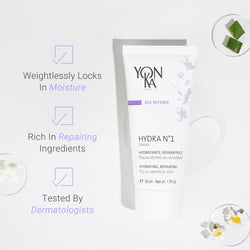
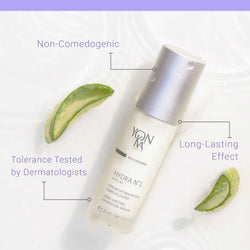
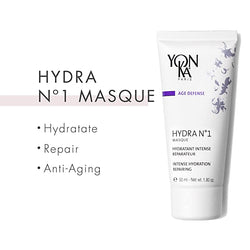
- For Intense Hydration: Hydra n°1 Crème provides long-lasting hydration with hyaluronic acid, a molecule that can hold up to 1,000 times its weight in water. This is perfect for those whose eye lines are worsened by dryness.
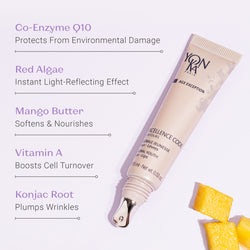
- For Mature Skin: For those in their 40s and beyond, the skin requires more comprehensive support. Excellence Code Contours is our premium solution from the Age Exception range. It is designed to address all signs of aging—wrinkles, sagging, puffiness, and dark circles—using a blend of botanical active ingredients like Persian silk tree and St. Paul's wort.
Step 4: Daily Protection
Never skip sun protection. Applying a broad-spectrum SPF daily is the single most effective way to prevent the deepening of wrinkles around the eyes. Look for formulas designed for sensitive skin to avoid stinging the eyes.
Application Techniques for the Eye Area
The way you apply your eye care is just as important as the product itself. Because the skin is so thin, excessive rubbing can contribute to the breakdown of elasticity and create unnecessary friction.
- Use your ring finger: This is your weakest finger, which ensures you apply the least amount of pressure.
- Dot the product: Place small dots of cream along the orbital bone (the hard ridge around your eye), starting from the inner corner and moving outward.
- Gently pat: Use a light tapping motion to help the product absorb. Avoid applying product too close to the lash line, as it will naturally migrate toward the eye area as it warms to your skin temperature.
- Morning and Evening: Consistency is the key to seeing a visible difference in the skin's appearance.
Bottom line: A gentle, consistent application technique prevents mechanical damage and ensures the skin remains resilient.
Skincare Science: Key Ingredients to Look For
When choosing products to address wrinkles around the eyes, it is helpful to understand the botanical and scientific ingredients that support the skin's appearance.
| Ingredient | Benefit | Found In |
|---|---|---|
| Hyaluronic Acid | A powerful humectant that attracts moisture to plump the skin's appearance. | Hydra n°1 Crème |
| Rosemary | Invigorating botanical that firms and tones the look of the eye area. | Phyto-Contour |
| AHAs (Fruit Acids) | Gently exfoliates to smooth the appearance of fine lines. | Alpha-Contour |
| Peptides | Chains of amino acids that support the appearance of skin firmness. | Advanced Optimizer Collection |
| Vitamin C | An antioxidant that brightens the look of the skin and protects against environmental stress. | Serum C20 |
Lifestyle Strategies for Eye Vitality
Skincare is a holistic endeavor. Beyond the products you apply, your daily habits significantly influence when you get wrinkles around the eyes.
- Prioritize Sunglasses: Quality sunglasses that block 100% of UV rays not only protect the thin skin from sun damage but also prevent you from squinting—a major cause of dynamic lines.
- Hydrate from Within: Drinking ample water throughout the day ensures that your skin cells remain hydrated, which helps maintain a plump, smooth appearance on the surface.
- Monitor Screen Time: The blue light emitted by phones and computers can contribute to skin fatigue. Furthermore, we often squint when looking at screens for long periods. Practice the "20-20-20 rule": every 20 minutes, look at something 20 feet away for 20 seconds.
- Silk Pillowcases: Sleeping on a silk or satin pillowcase reduces the friction and "tugging" on the eye area that can occur with cotton, helping to prevent sleep-induced creases.
For more practical prevention ideas, read our 7 Tips For Preventing Wrinkles.
Myth: "Eye wrinkles are only caused by getting older." Fact: While aging is a factor, extrinsic factors like UV exposure, dehydration, and repetitive movements (like squinting) play a massive role in how early and how deeply these lines form.
Consistency Over Perfection
At Yon-Ka Paris, we believe that beauty is not about the absence of lines, but about the health and vitality of the skin. Wrinkles are a record of our smiles and the lives we have lived. Our goal is to provide your skin with the botanical nutrients and hydration it needs to look its most radiant at every age. By building a ritual that prioritizes the delicate eye area, you are investing in your skin’s future. Real, visible results are the product of consistency and professional-grade botanical care.
Whether you are just beginning to see your first fine lines or are looking to address more established wrinkles, there is a path forward that honors your skin's natural heritage. If you are curious about the brand behind these formulas, explore our brand story. If you are unsure which products are right for your specific concerns, we invite you to take our Skin Diagnosis quiz or use the Product Matcher on our website to find your perfect botanical match. You can also visit our Spa Locator to find a professional partner near you for a deeper, expert-led treatment.
Conclusion
Understanding what age you get wrinkles around the eyes allows you to transition from a reactive mindset to a proactive, ritual-based approach. While the mid-20s often signal the start of these changes, the power to support your skin’s resilience lies in your daily choices. From the invigorating power of rosemary in our eye contours to the deep hydration of hyaluronic acid, botanical science offers effective ways to soften the appearance of aging. At Yon-Ka Paris, we remain dedicated to the belief that skincare is a ritual worth savoring, built on 70 years of phyto-aromatic expertise and a deep respect for the skin's natural balance.
- Start a preventative eye ritual in your 20s with hydration and SPF.
- Incorporate targeted botanical treatments like Alpha-Contour or Phyto-Contour as lines become visible.
- Practice gentle application techniques to protect the thin periorbital skin.
- Visit a professional spa for expert treatments that support long-term skin health.
"The eyes are the mirror of the soul, and the skin around them is the canvas of our expressions. Treat it with the gentleness and botanical richness it deserves."
FAQ
Is it normal to have eye wrinkles at 25?
Yes, it is perfectly normal. Many people notice the first dynamic fine lines around their eyes in their mid-20s as collagen production begins to slow down. Factors like genetics, high sun exposure, and frequent squinting can make these lines appear earlier for some than for others.
Can eye creams actually remove wrinkles?
Skincare products are designed to improve the appearance of the skin. While they cannot permanently "erase" deep wrinkles like a medical procedure might, botanical formulas can deeply hydrate, smooth, and firm the look of the skin. This makes existing lines appear much softer and less prominent while helping to prevent the formation of new ones.
What is the best ingredient for under-eye lines?
Hyaluronic acid is excellent for plumping the look of lines caused by dehydration, while AHAs (fruit acids) help smooth the appearance of the skin's texture. For those looking for firming benefits, botanical extracts like rosemary and peptides are highly effective at supporting a more youthful appearance.
How does sleep affect wrinkles around the eyes?
During deep sleep, your body enters a repair mode, producing growth hormones that help repair damaged cells and produce collagen. Lack of sleep raises cortisol levels, which can break down collagen over time. Poor rest also leads to fluid retention and puffiness, which stretches the delicate eye skin and can lead to a loss of elasticity.