Table of Contents
- Introduction
- Understanding the Vulnerability of the Eye Area
- What Exactly is Rosehip Oil?
- The Nutrient Profile: How Rosehip Oil Addresses Wrinkles
- Comparing Pure Oils to Targeted Eye Treatments
- How to Incorporate Rosehip Oil into Your Yon-Ka Ritual
- Essential Oil and Botanical Safety
- The Role of the Quintessence in Eye Care
- When to See a Professional
- Myth vs. Fact: Rosehip Oil for Eyes
- Realistic Expectations and Consistency
- The Yon-Ka Commitment to Your Skin
- Conclusion
- FAQ
Introduction
The skin around the eyes is often the first place to reveal our age, our stress levels, and even our hydration habits. This delicate area acts as a focal point of the face, capturing every smile and expression, yet its fragility makes it uniquely susceptible to fine lines and a loss of elasticity. When searching for natural solutions to maintain a youthful, rested appearance, many beauty enthusiasts turn to botanical elixirs. Specifically, the question arises: is rosehip oil good for under eye wrinkles? At Yon-Ka Paris, we have spent over 70 years perfecting the art of phyto-aromatic skincare, and our ingredients and formulation philosophy reflects that heritage.
In this article, we will explore the science behind rosehip oil, its nutrient profile, and how it can be integrated into a sophisticated skincare ritual to address the appearance of aging. We will also discuss how to balance the use of pure oils with professionally formulated treatments to achieve the best possible results for your unique skin.
Quick Answer: Yes, rosehip oil is an excellent natural option for under-eye wrinkles because it is rich in Vitamin A (natural retinoids), Vitamin C, and essential fatty acids. These components work together to support collagen production, brighten the appearance of the skin, and deeply moisturize the fragile eye area.
Understanding the Vulnerability of the Eye Area
To appreciate why certain ingredients like rosehip oil are so effective, we must first understand why the eye area is so prone to wrinkling. The skin surrounding the eyes is significantly thinner than the skin on the rest of your face. In fact, it can be up to ten times thinner than the skin on your chin or forehead. This thinness means the skin has less structural support from collagen and elastin, the proteins responsible for keeping skin firm and "bouncy."
Furthermore, the eye area lacks an abundance of sebaceous glands. These glands produce sebum, the skin’s natural oil that keeps the surface lubricated and protected. Without this built-in moisture, the eye contour can easily become dehydrated. Dehydration is a primary cause of fine lines, often referred to as "dehydration lines," which can eventually deepen into permanent wrinkles if not addressed. Because we blink thousands of times a day and express a wide range of emotions through our eyes, the mechanical stress on this thin tissue is constant. For concerns like puffiness, dark circles, and wrinkles, the Eye & Lip Contours collection is designed for this area.
What Exactly is Rosehip Oil?
Rosehip oil is a botanical oil extracted from the seeds and fruit of the Rosa canina rose bush. Unlike rose essential oil, which is distilled from rose petals and used primarily for its fragrance and soothing properties, rosehip oil is a "fixed" or carrier oil. It is often referred to as a "dry oil" because it has a low molecular weight that allows it to absorb into the skin almost instantly without leaving a heavy, greasy film.
At Yon-Ka, our formulation philosophy is rooted in the fusion of four plant sciences: aromatherapy, phytotherapy, aromachology, and marine biology. Rosehip oil fits perfectly into the realm of phytotherapy (the use of plant extracts for therapeutic benefits). It is prized for its high concentration of omega fatty acids and vitamins, making it a staple for those seeking to revitalize the appearance of mature or tired skin.
The Nutrient Profile: How Rosehip Oil Addresses Wrinkles
The efficacy of rosehip oil in addressing under-eye wrinkles is due to its impressive chemical composition. It is a natural cocktail of skin-loving nutrients that target aging from multiple angles.
Vitamin A and Natural Retinoids
Rosehip oil is naturally rich in trans-retinoic acid, a natural precursor to Vitamin A. You may be familiar with retinol, a popular synthetic version of Vitamin A used in many anti-aging products. Retinol works by encouraging cell turnover, the process where old, dull skin cells are shed and replaced by fresh, new ones. While synthetic retinoids can sometimes be too harsh for the sensitive eye area, causing redness or peeling, the natural form found in rosehip oil is generally much gentler. This makes it an ideal choice for smoothing the look of "crow’s feet" while respecting the skin’s sensitivity. While rosehip oil is not a replacement for a concentrated Vitamin C serum like our Serum C20, it does contain natural Vitamin C.
Essential Fatty Acids (Omega 3, 6, and 9)
The fatty acids found in rosehip oil—specifically linoleic acid and alpha-linolenic acid—are vital for maintaining the skin's moisture barrier. The skin barrier is the outermost layer of the skin that prevents moisture from escaping and keeps irritants from entering. When this barrier is strong, the skin looks plump and hydrated, which naturally minimizes the appearance of fine lines. For those experiencing dryness-induced wrinkles, the dry & dehydrated skin collection is a useful next stop.
Vitamin C and Antioxidant Protection
While rosehip oil is not a replacement for a concentrated Vitamin C serum like our Serum C20, it does contain natural Vitamin C. This vitamin is a potent antioxidant that helps protect the skin from environmental stressors like pollution and UV rays. These stressors generate free radicals—unstable molecules that break down collagen. By neutralizing these molecules, Vitamin C supports the skin’s structural integrity and helps brighten the appearance of dark circles that often accompany under-eye wrinkles.
Comparing Pure Oils to Targeted Eye Treatments
While using a pure, cold-pressed rosehip oil can be beneficial, there is a distinct difference between a single-ingredient oil and a professionally formulated eye treatment. In our professional spa heritage, we have found that the eye area often requires a more complex approach than an oil alone can provide.
Eye creams and gels are formulated with specific delivery systems that allow active ingredients to penetrate the thin skin of the eye contour more effectively. They also frequently contain ingredients that address concerns an oil cannot, such as drainage for puffiness or cooling agents for fatigue.
For example, our Advanced Optimizer Crème is a beloved staple in the Yon-Ka collection. It uses a powerful anti-aging approach to support the look of firmer, smoother skin. If your goal is specifically to address wrinkles and loss of firmness, you might choose a product like Advanced Optimizer Crème, which is designed to support the skin's natural lifting and firming processes.
Key Takeaway: Rosehip oil is a fantastic booster for nourishment and gentle renewal, but it works best when paired with targeted treatments that address structural concerns like puffiness and deep-set lines.
How to Incorporate Rosehip Oil into Your Yon-Ka Ritual
To see the best results, skincare should be viewed as a consistent ritual rather than a collection of "hacks." Here is how you can naturally weave the benefits of botanical oils into your routine.
Step 1: Gentle Cleansing
Always start with a clean canvas. Use a gentle, barrier-respecting cleanser like Lait Nettoyant. This cleansing milk removes makeup and impurities while maintaining the skin's natural pH and moisture balance. Avoiding harsh, foamy cleansers is especially important for the eye area, as they can strip away the very lipids we are trying to replenish.
Step 2: Prepare with the Mist
The most iconic step in our ritual is the application of Lotion Yon-Ka PS. This phyto-aromatic mist, infused with our signature Quintessence (essential oils of lavender, geranium, rosemary, cypress, and thyme), preps the skin. Damp skin is more permeable than dry skin, meaning your subsequent products—including rosehip oil—will absorb much more effectively.
Step 3: Targeted Eye Care
Apply a small amount of Phyto-Contour to the orbital bone. Use your ring finger to gently pat the product from the inner corner outward. This helps to address specific concerns like hydration or puffiness.
Step 4: The Oil Boost
If your skin is feeling particularly dry or you want to maximize the anti-wrinkle benefits of rosehip oil, this is the time to apply it. You do not need much—one or two drops is plenty for both eyes. Press the oil gently over your eye cream. This "seals in" the hydration from the cream and adds an extra layer of lipid protection. Alternatively, you can use our Booster Nutri +, which is a nourishing oil-based elixir designed specifically to be mixed into your moisturizer to provide a customized nutrient boost.
Step 5: Moisturize and Protect
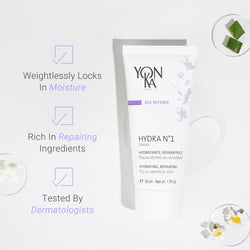
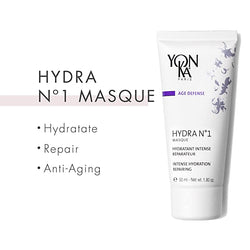
Finish your routine with a moisturizer appropriate for your skin type, such as Hydra N°1 Creme for deep hydration or Time Resist Jour for advanced wrinkle support. During the day, never skip sun protection. UV damage is responsible for the vast majority of skin aging, and even the best rosehip oil cannot undo the damage caused by unprotected sun exposure.
Essential Oil and Botanical Safety
Because we prioritize the use of pure, active botanical ingredients, it is important to follow sensible practices when introducing new products to your routine. Rosehip oil is generally considered safe for all skin types, but the eye area is notoriously sensitive.
- Perform a patch test: Before applying any new oil or product near your eyes, apply a small amount to your inner forearm and wait 24 hours to ensure no irritation occurs.
- Introduce one at a time: When building a ritual, introduce new products one by one so you can monitor how your skin responds.
- Avoid the lash line: When applying oils near the eyes, stay on the orbital bone (the hard area around the eye socket). The oil will naturally migrate slightly as it warms up on the skin. Applying it too close to the lash line can lead to the oil getting into the eyes, which may cause temporary blurring or irritation.
Note: If you experience persistent redness, itching, or swelling, discontinue use and consult your physician or a dermatologist.
The Role of the Quintessence in Eye Care
At the heart of Yon-Ka Paris is our Quintessence. While rosehip oil provides lipids and vitamins, the essential oils in the Quintessence provide a different type of aromatic and cellular support.
For instance, the lavender in our formulas provides a soothing effect, which is essential for skin that has been stressed by environmental factors. Rosemary is a key ingredient in many of our eye-specific products because of its ability to revitalize the appearance of the skin and support a more "awake" look. When you use a product that combines these high-quality essential oils with nourishing plant oils like rosehip, you are benefiting from the full spectrum of phyto-aromatic science. To explore the story behind this signature blend, visit our Quintessence ingredient profile.
When to See a Professional
While at-home rituals are the foundation of healthy skin, professional treatments can take your results to the next level. If you find that your under-eye wrinkles are not responding to topical oils and creams, or if you are dealing with significant puffiness and dark circles, a visit to a Yon-Ka partner spa can be incredibly beneficial.
Professional estheticians use specialized techniques, such as lymphatic drainage and targeted massage, to improve the appearance of the eye contour. They can also provide a more intensive analysis of your skin's needs. You can find a local professional who uses our methods by visiting our Spa Locator on our website.
Myth vs. Fact: Rosehip Oil for Eyes
Myth: Rosehip oil can permanently eliminate deep-set wrinkles overnight. Fact: No topical product can eliminate deep wrinkles instantly. Skincare is a game of consistency. Rosehip oil can help soften the appearance of fine lines and prevent new ones from forming by keeping the skin hydrated and nourished over time.
Myth: Oils will make the eye area puffy. Fact: While heavy, occlusive oils might cause issues for some, rosehip oil is a "dry oil." It absorbs quickly and is less likely to cause the fluid retention associated with puffiness, especially when applied correctly to the orbital bone.
Myth: You don't need eye cream if you use rosehip oil. Fact: They serve different purposes. Rosehip oil is excellent for lipids and Vitamin A, but it lacks the specialized ingredients found in eye creams (like the peptides or rosemary found in Yon-Ka products) that target specific issues like puffiness and dark circles.
Realistic Expectations and Consistency
Skincare is a journey, not a destination. When using botanical oils like rosehip for the appearance of wrinkles, it is important to have realistic expectations. You may notice an immediate improvement in the softness and hydration of your skin, but the benefits of Vitamin A and antioxidant protection take time to manifest.
Generally, it takes about 30 days for skin cells to turn over, and even longer to see the cumulative effects of collagen support. By committing to a daily ritual—cleansing, misting, treating, and moisturizing—you are providing your skin with the consistent environment it needs to thrive. For a deeper look at how the cleansing step supports the rest of the ritual, see our Product Spotlight: Lait Nettoyant. The goal is skin that looks healthy, radiant, and well-cared-for at every age.
The Yon-Ka Commitment to Your Skin
We believe that skincare is an act of self-care. Every product we create, from our iconic Lotion Yon-Ka PS to our advanced day creams like Time Resist Jour, is designed to be a sensorial experience. We prioritize natural origin ingredients and strictly exclude parabens, phthalates, and other known endocrine disruptors from our formulation charter.
Our formulas are born in the treatment room and refined through pharmaceutical rigor in our facility near Paris. This ensures that when you use a product recommended by us, you are receiving the benefit of 70 years of expertise and a deep respect for the power of nature. To learn more about that history, explore our journey since 1954.
Conclusion
Rosehip oil is a remarkable botanical ally in the pursuit of smoother, more vibrant-looking eyes. Its unique blend of natural retinoids, essential fatty acids, and antioxidants makes it a powerhouse for addressing the appearance of fine lines and maintaining skin elasticity. However, the most effective results come from a balanced approach—combining the raw power of botanical oils with the sophisticated, targeted delivery of professional skincare.
By integrating nourishing oils into a structured ritual that respects the delicate nature of the eye contour, you can support your skin's resilience against the passage of time. Whether you choose to boost your routine with a pure oil or prefer the curated blend of ingredients in a product like Serum Omega or Nutri + Booster, the key is consistency and care.
If you are unsure which products are right for your specific eye concerns, we invite you to take our Skin Diagnosis quiz or use the Product Matcher on our website. These tools are designed to help you find the perfect phyto-aromatic ritual for your unique skin needs. At Yon-Ka Paris, our mission remains the same as it was in 1954: to provide you with the most effective, sensorial, and natural skincare solutions, rooted in the timeless power of plants.
FAQ
Can I use rosehip oil every day under my eyes?
Yes, rosehip oil is gentle enough for daily use and is often applied both morning and night. For best results, apply it to slightly damp skin or over a hydrating eye cream to help seal in moisture and provide a continuous supply of fatty acids and vitamins to the delicate eye area.
Does rosehip oil cause milia?
Milia are small white bumps caused by trapped keratin, often linked to heavy, occlusive products. Because rosehip oil is a "dry oil" with a low molecular weight, it is generally less likely to cause milia than thicker, mineral-oil-based creams, but it is always best to apply it sparingly and keep it to the orbital bone.
How long does it take to see results for wrinkles?
While you may see an immediate improvement in skin hydration and "glow," the appearance of fine lines usually begins to improve after 4 to 8 weeks of consistent use. This timeline allows for the natural cell turnover process and the cumulative benefits of the oil's Vitamin A and C content to take effect.
Can I use rosehip oil with my current retinol cream?
While rosehip oil contains a natural form of Vitamin A, it is generally much milder than prescription or high-strength synthetic retinols. However, to avoid over-stimulating the sensitive eye area, it is best to introduce them at different times (e.g., oil in the morning and retinol at night) and always monitor your skin for any signs of sensitivity or redness.