Table of Contents
- Introduction
- The Unique Biology of the Eye Contour
- How Retinol Supports Age Correction
- The Phyto-Aromatic Approach to Eye Care
- Introducing Actives to Your Ritual: The "Low and Slow" Method
- Building a Resilient Eye Ritual
- Myth vs. Fact: Retinol and the Eyes
- Complementary Ingredients for Eye Health
- Lifestyle Factors for Youthful Eyes
- The Professional Touch
- Conclusion
- FAQ
Introduction
The skin surrounding our eyes often tells the story of our most vibrant moments—every laugh, squint, and expressive glance is etched into this delicate canvas. Because this area is significantly thinner and more sensitive than the rest of the face, it is usually the first to reveal fine lines, commonly known as crow's feet. If you are noticing these changes, you may be asking: is retinol good for wrinkles around eyes? At Yon-Ka Paris, we believe that addressing the eye contour requires a delicate balance of high-performance actives and soothing botanical care. Retinol is a powerful ally for visible age correction, but it must be used with a specific ritual to respect the fragility of the orbital zone. This article will explore how to safely use Vitamin A derivatives, the benefits of botanical alternatives, and how to build a resilient eye-care routine.
Quick Answer: Retinol is highly effective for reducing the appearance of wrinkles around the eyes by stimulating collagen and accelerating cell renewal. However, because eye-area skin is thin and lacks oil glands, it is best to use specialized formulas and introduce them gradually to avoid irritation.
The Unique Biology of the Eye Contour
To understand why we must be selective with active ingredients, we must first look at the unique anatomy of the eye area. The skin here is roughly three to five times thinner than the skin on the cheeks. This lack of "padding" means the underlying structures, like blood vessels and muscles, are more apparent, and the skin itself has very few sebaceous (oil) glands.
Without a robust supply of natural oils, the eye contour is prone to chronic dehydration. In skincare, dehydration is the fastest way to turn a temporary expression line into a permanent static wrinkle. Furthermore, we blink approximately 15,000 times a day. This constant mechanical motion, combined with environmental stressors like pollution and UV exposure, places immense strain on the collagen and elastin fibers that keep the skin firm.
Why the Eyes Age First
- Minimal Lipid Barrier: Fewer oil glands mean the skin cannot easily retain moisture or protect itself from irritants.
- Constant Movement: Smiling, squinting, and even side-sleeping create repetitive folds in the thin tissue.
- Vascularity: The proximity of blood vessels makes the area prone to puffiness and dark circles, which can emphasize the look of fine lines.
How Retinol Supports Age Correction
Retinol is a derivative of Vitamin A and is widely considered the gold standard in non-prescription age correction. Its primary function is "cell communication," meaning it encourages older skin cells to behave more like younger, more vibrant ones. When applied to the skin, it helps to transform the complexion through three specific pathways.
Collagen Stimulation
Collagen is the protein responsible for skin's structural integrity. As we age, our natural collagen production slows down, and existing fibers begin to fragment. Retinol is designed to support the skin's natural ability to produce collagen, which helps the under-eye area appear thicker, firmer, and more "plump" over time.
Accelerated Cell Turnover
Our skin naturally renews itself, but this cycle can take 40 to 50 days as we mature, compared to just 28 days in our youth. By speeding up this process, retinol helps shed dull, damaged surface cells, revealing a smoother texture and helping to fade the appearance of surface pigment or "sun spots."
Texture Refinement
Because it encourages the renewal of the skin's surface, retinol is exceptionally effective at smoothing the "crepey" texture that often develops on the lower lids. By refining the skin's grain, it helps light reflect more evenly off the surface, which can diminish the shadows caused by deep wrinkles.
Key Takeaway: Retinol works on a cellular level to help restore the look of thickness and elasticity to the eye area, making it a premier choice for those targeting established wrinkles and fine lines.
The Phyto-Aromatic Approach to Eye Care
While the benefits of retinol are undeniable, the traditional "harsh" approach to Vitamin A can be problematic for sensitive individuals. At Yon-Ka, we prioritize a phyto-aromatic philosophy that marries pharmaceutical-grade efficacy with botanical gentleness. Our heritage is rooted in the fusion of four plant sciences: aromatherapy, aromachology, phytotherapy, and marine biology.
For the eye area, we often look to plants that provide "retinol-like" benefits—firming, smoothing, and revitalizing—without the risk of redness or peeling. A cornerstone of our eye-care collection is the use of Rosemary. Found in our iconic Phyto-Contour, rosemary is known for its incredible toning and firming properties. It provides a "lifting" appearance to the skin and helps to visibly decongest the area, which is essential when wrinkles are accompanied by puffiness.
The Power of the Quintessence
Every Yon-Ka formula is built upon our signature Quintessence. This exclusive complex of five essential oils—lavender, geranium, rosemary, cypress, and thyme—is 100% natural and active. In eye care, these oils work synergistically to:
- Lavender: Soothe the delicate skin surface.
- Geranium: Balance and revitalize the appearance of the skin.
- Rosemary: Firm and provide an antioxidant shield.
- Cypress: Support the look of circulation to reduce dark circles.
- Thyme: Provide purifying properties for a clear complexion.
Introducing Actives to Your Ritual: The "Low and Slow" Method
If you choose to incorporate a potent active like retinol into your eye routine, the method of introduction is just as important as the product itself. The eye area does not respond well to aggressive "hacks." Instead, it requires a thoughtful, layered ritual.
Step 1: Patch Testing
Before applying any new active to your eyes, perform a patch test on your inner forearm for 24 hours. While a slight, fleeting tingling sensation can be normal with active ingredients and essential oils, persistent redness or itching means you should reduce the frequency of use.
Step 2: The Buffering Technique
For those with sensitive skin, we recommend the "buffering" method. Apply a very thin layer of a gentle, hydrating moisturizer first, followed by your active eye treatment. This slows down the absorption of the active, making it much more tolerable for the thin eyelid skin.
Step 3: Nighttime Application
Retinol and many essential oils are sensitive to light and can make your skin more susceptible to UV damage. Always use these treatments as part of your evening ritual. This allows the ingredients to work in harmony with your skin's natural nighttime repair cycle.
Note: When introducing a new active, start by using it only two or three nights a week. Gradually increase the frequency as your skin builds tolerance, a process often called "retinization."
Building a Resilient Eye Ritual
A single product cannot address all the needs of the eye contour. For real, lasting results, we recommend a consistent, layered program that focuses on hydration, protection, and revitalization.
Cleanse with Care
The first step is always a gentle, barrier-respecting cleanse. Avoid harsh foaming cleansers that strip the eye area of its meager oil supply. Lait Nettoyant, our gentle cleansing milk, is perfect for the eyes. It removes makeup and impurities while leaving the skin feeling soft and nourished.
Prepare with Lotion Yon-Ka
After cleansing, mist your face with our Lotion Yon-Ka ritual. This phyto-aromatic mist is the "heart" of our brand. It helps to balance the skin's pH and acts as a humectant, drawing moisture into the skin so that your subsequent eye cream can absorb more effectively.
Treat with Phyto-Contour
For the treat step, apply a small, pea-sized amount of Phyto-Contour. This cream is a favorite in professional treatment rooms because of its ability to visibly "wake up" the eyes. It uses rosemary to firm the appearance of wrinkles while addressing morning puffiness and dark circles. Gently pat it onto the orbital bone using your ring finger, avoiding the lash line.
Moisturize and Restore
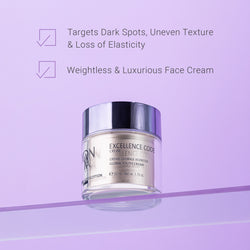
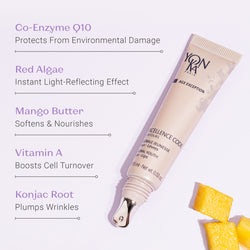
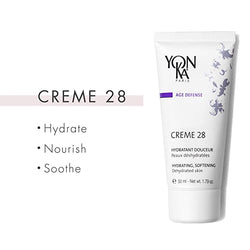
If your skin is very dry or mature, follow your eye treatment with a deep moisturizer. For global age correction, Excellence Code Crème from our Age Exception collection offers a sophisticated blend of peptides and botanical extracts to support thinning skin and loss of firmness.
Protect with Vital Defense
During the day, protection is non-negotiable. UV rays are the primary cause of collagen breakdown. Use Vital Defense to shield the skin from environmental pollutants and free radicals that accelerate the formation of eye wrinkles.
Myth vs. Fact: Retinol and the Eyes
Skincare can be confusing, especially when dealing with powerful ingredients. Let's clarify some common misconceptions about using Vitamin A derivatives around the eyes.
Myth: You shouldn't use retinol on your eyelids. Fact: While you should avoid getting product in your eyes, many specialized formulas are designed for the entire orbital area, including the upper lids, to help with the appearance of "hooding" or sagging.
Myth: Higher concentrations of retinol are always better. Fact: Because the eye skin is so thin, high concentrations can cause significant irritation. A lower, stabilized concentration used consistently will often yield better results than a high-strength product that causes the skin to peel.
Myth: If your skin tingles, it means it's working. Fact: A mild, temporary tingle is common with essential oils and actives. However, if the sensation turns into burning or leads to persistent redness, it is a sign of a compromised skin barrier.
Complementary Ingredients for Eye Health
To enhance the effects of retinol or botanical firming agents, look for these supportive ingredients in your routine:
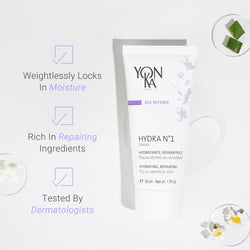
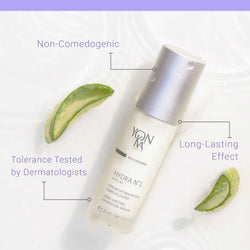
- Hyaluronic Acid: A powerful humectant that can hold up to 1,000 times its weight in water. It instantly "plumps" the appearance of fine lines by hydrating the surface layers. You can find this in our Hydra N°1 Crème.
- Peptides: These amino acid chains act as messengers, telling the skin to produce more collagen. They are excellent for supporting the results of a retinol-based routine.
- Caffeine: Often used in professional spa treatments to temporarily constrict blood vessels, reducing the appearance of puffiness.
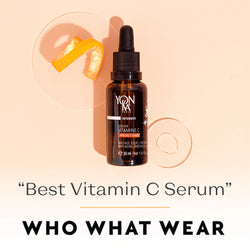
- Vitamin C: A potent antioxidant that brightens the look of dark circles and protects the skin from the oxidative stress that leads to wrinkles. Our Serum Vitamine C 20% is an excellent addition for those looking to boost radiance.
Lifestyle Factors for Youthful Eyes
Skincare is a holistic endeavor. While our 100% French-made formulas provide the external support your skin needs, lifestyle choices play a massive role in the health of your eye contour.
- Sleep Hygiene: Lack of sleep leads to fluid retention (puffiness) and increased cortisol, which can break down collagen.
- Hydration from Within: Drink plenty of water to help maintain the "plumpness" of the skin cells.
- Eye Protection: Always wear sunglasses with UV protection. Squinting in the sun is a primary cause of crow's feet, and UV rays penetrate even the thinnest clouds.
- Salt Intake: High-sodium diets can cause the body to retain water, leading to under-eye bags that stretch the delicate skin.
The Professional Touch
At Yon-Ka, our roots are in the professional spa. Nearly all our formulations were born in the treatment room before being adapted for home use. If you are struggling with persistent wrinkles or puffiness, we highly recommend visiting a certified professional.
A professional Yon-Ka treatment often involves specific drainage movements and concentrated botanical masques that provide results beyond what can be achieved at home. You can use our Spa Locator to find one of the 7,000 skincare professionals worldwide who trust our products. A licensed aesthetician can provide a personalized skin diagnosis and recommend the exact ritual for your concerns.
Conclusion
So, is retinol good for wrinkles around eyes? The answer is a resounding yes, provided it is approached with the respect and ritual that the delicate eye area demands. By combining the power of Vitamin A with the soothing, firming properties of botanicals like rosemary and the Yon-Ka Quintessence, you can effectively address the appearance of aging while maintaining skin health.
True skincare success is not found in "hacks" or overnight miracles, but in the consistent, sensorial practice of a well-crafted routine. Whether you are using the firming power of Phyto-Contour or the deep hydration of the Hydra n°1 collection, your eyes deserve the luxury of French phyto-aromatic expertise.
Key Takeaway: Real results come from a consistent, layered ritual—cleansing, misting, and treating with professional-grade formulas that balance potency with botanical comfort.
If you are unsure which products are right for your specific eye concerns, we invite you to take our Skin Diagnosis quiz or use our online Product Matcher. At Yon-Ka Paris, our mission is to provide you with a ritual worth savoring, built on over 70 years of pharmaceutical rigor and the transformative power of plants. Your journey to a more radiant, youthful eye contour begins with a single, mindful step.
FAQ
Can I use my regular face retinol around my eyes?
It is generally not recommended to use a standard face retinol around the eyes unless the packaging specifically states it is safe for that area. Face retinols are often formulated at higher concentrations that can be too aggressive for the thin, delicate skin of the eye contour, potentially causing redness, peeling, or dryness.
How long does it take to see results for eye wrinkles?
Skincare is a journey of consistency, and while some hydrating ingredients provide an immediate "plumping" effect, visible changes in wrinkles typically take 8 to 12 weeks of regular use. This timeline allows for the skin's natural turnover cycle and the gradual support of collagen production.
Should I apply eye cream before or after moisturizer?
In the Yon-Ka ritual, we recommend applying your targeted eye treatment, such as Phyto-Contour, after your mist but before your heavier face cream. Applying it to slightly damp skin helps with absorption, and following with a moisturizer helps to "seal" the active ingredients in.
Is it normal for my eye area to feel dry after starting retinol?
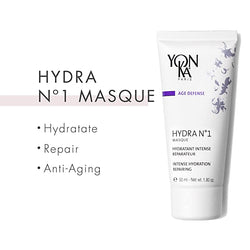
A slight increase in dryness can occur as the skin adjusts to an increase in cell turnover, a process known as retinization. To manage this, ensure you are using a nourishing, lipid-restoring product like Serum Omega or a dedicated hydrating mask like Hydra n°1 Masque to support the skin's moisture barrier.