Table of Contents
- Introduction
- The Science of Coconut Oil on the Skin
- Understanding the Delicate Eye Area
- The Pros and Cons of Using Coconut Oil for Eyes
- Moving Beyond the Kitchen: The Phyto-Aromatic Advantage
- Professional Ingredients for Eye Revitalization
- How to Incorporate an Eye Ritual
- Essential Oil Safety and Best Practices
- Myth vs. Fact: Natural Oils and Aging
- Lifestyle Factors for Youthful Eyes
- The Professional Advantage: Spa Expertise
- Finding Your Perfect Match
- Conclusion
- FAQ
Introduction
The delicate skin surrounding our eyes often tells the story of our lives—our smiles, our squinting in the sun, and the natural passage of time. When fine lines begin to emerge, it is only natural to seek solutions that feel pure, gentle, and effective. Many people turn to their kitchen pantries, wondering: is coconut oil good for wrinkles around the eyes? While this tropical oil is celebrated for its moisturizing properties, the answer for targeted age defense is nuanced. At Yon-Ka Paris, we believe that while botanical oils have their place, the thin, vulnerable eye area requires a more sophisticated, phyto-aromatic approach to achieve visible revitalization, rooted in our ingredients philosophy. This article explores how coconut oil performs on the skin, the unique needs of the eye contour, and how to build a professional-grade ritual for a more youthful appearance.
The Science of Coconut Oil on the Skin
Coconut oil has gained a reputation as a "miracle" multi-tasker in the beauty world. Extracted from the meat of mature coconuts, this oil is primarily composed of medium-chain fatty acids, most notably lauric acid. It also contains trace amounts of vitamin E and antioxidants. When applied to the skin, coconut oil acts as an occlusive, meaning it creates a physical barrier on the surface to trap moisture.
For many, this immediate boost in hydration makes the skin look temporarily smoother. By filling in the microscopic gaps between skin cells, coconut oil can reduce the look of "crepiness" or fine lines caused by dehydration. However, there is a distinct difference between moisturizing the surface and treating the structural causes of wrinkles. While coconut oil provides a lovely slip and basic barrier support, it lacks the concentrated bio-active molecules required to support collagen production or improve skin elasticity in a significant way.
Understanding the Delicate Eye Area
To determine if a product is truly effective for eye wrinkles, we must first understand the anatomy of the skin it is meant to treat. The skin around the eyes is the thinnest on the entire body—approximately ten times thinner than the skin on the rest of the face. This makes it exceptionally prone to external aggressors and the visible signs of aging, which is why a dedicated Eye & Lip Contour collection can be a smart next step.
Lack of Sebaceous Glands
Unlike the forehead or chin, the eye area has very few sebaceous glands. These glands produce the natural oils (sebum) that keep our skin supple and protected. Without this built-in lubrication, the eye area is perpetually at risk of dryness. This dryness often leads to the early appearance of "dehydration lines," which can eventually deepen into permanent wrinkles if not addressed with the right moisture balance.
Constant Motion and Stress
Think about how often you blink, squint, smile, or rub your eyes. It is estimated that we blink up to 20,000 times a day. This constant mechanical stress, combined with the lack of structural support in the thin dermis, means the eye area is usually the first place we notice crow's feet and fine lines.
Vulnerability to Heaviness
Because the skin here is so thin, it does not always respond well to heavy, greasy substances. Raw coconut oil is quite dense and has a high "comedogenic" rating, meaning it can clog pores. In the eye area, this often manifests as milia—small, hard white bumps that occur when keratin becomes trapped under the skin’s surface. Using an oil that is too heavy can also lead to morning puffiness, as the weight of the oil may interfere with natural lymphatic drainage.
The Pros and Cons of Using Coconut Oil for Eyes
When we weigh whether coconut oil is "good" for wrinkles, we have to look at both its immediate cosmetic effects and its long-term potential.
Potential Benefits
- Surface Hydration: It provides immediate relief for very dry skin, helping to soften the look of superficial lines.
- Antioxidant Support: The small amount of vitamin E and polyphenols can help neutralize free radicals that contribute to premature aging.
- Affordability and Accessibility: It is an easy-to-find option for those who prioritize a single-ingredient approach.
Significant Drawbacks
- Molecular Size: The molecules in coconut oil are relatively large. While they sit beautifully on the surface, they often cannot penetrate deep enough to reach the layers where collagen and elastin reside.
- Risk of Milia: As mentioned, the heavy nature of the oil is a common cause of those persistent white bumps around the eyes.
- Blurry Vision: Because it is a liquid oil at skin temperature, it can easily migrate into the eyes, causing irritation or temporary blurred vision.
- Lack of Target Actives: It does not contain the peptides, stabilized vitamin C, or firming botanical extracts found in professional eye treatments designed to lift and brighten the appearance of the skin.
Moving Beyond the Kitchen: The Phyto-Aromatic Advantage
At Yon-Ka, our approach to skincare is rooted in the fusion of aromatherapy, phytotherapy, and aromachology. We believe that plants hold incredible power, but that power must be refined and expertly formulated to be truly effective for the skin. While a kitchen oil like coconut oil is a "passive" ingredient, our phyto-aromatic formulas are "active," which is part of our formulas.
Our signature Quintessence—a blend of lavender, geranium, rosemary, cypress, and thyme—serves as the foundation for many of our treatments. This complex is 100% natural and active, designed to provide both physiological benefits and a sensorial experience. When treating the eye area, we move beyond simple hydration to address specific concerns like puffiness, dark circles, and loss of firmness.
Key Takeaway: While coconut oil can offer a quick fix for surface dryness, it does not provide the sophisticated botanical "communication" required to visibly firm the skin or reduce the depth of established wrinkles.
Professional Ingredients for Eye Revitalization
If your goal is to reduce the appearance of wrinkles, you should look for ingredients that are specifically "vectored" for the thin eye tissue. This means they are formulated to be absorbed efficiently without causing irritation or heaviness, such as the actives used in our Vitamin C serum.
Hyaluronic Acid
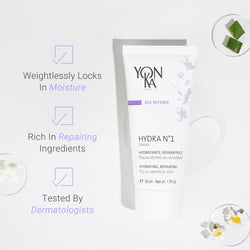
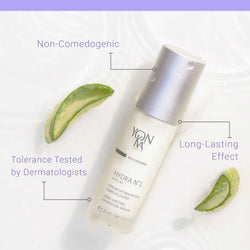
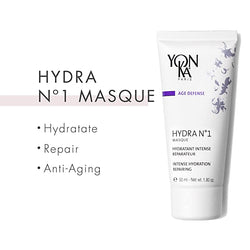
This humectant is a favorite in our Hydra n°1 collection. It can hold up to 1,000 times its weight in water. Unlike coconut oil, which creates a barrier on top, hyaluronic acid draws moisture into the skin, plumping the appearance of wrinkles from within.
Rosemary and Peptides
For those concerned with sagging or deep lines, rosemary is a potent botanical ally. It helps to visibly firm and "wake up" the eye area. Peptides, which are short chains of amino acids, act as messengers that support the skin's natural proteins, helping the eye contour look more resilient and lifted.
Vitamin C
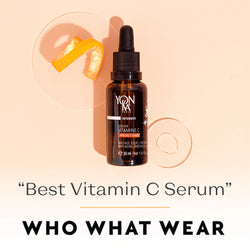
To brighten the appearance of the eye area and defend against environmental damage, stabilized vitamin C is essential. Our Serum C20 is an excellent example of how high-potency vitamin C can transform a dull complexion, and while the serum is for the face, the same principle of antioxidant protection is vital for the eyes.
How to Incorporate an Eye Ritual
At Yon-Ka, we don't believe in "hacks"—we believe in rituals. A consistent, layered approach ensures that the skin receives everything it needs to thrive. A gentle cleanse is a strong first step, and our Lait Nettoyant is made for exactly that kind of careful start.
Step 1: Gentle Cleansing
Never pull or tug at the eye area. Use a gentle milk cleanser like Lait Nettoyant to dissolve makeup and pollutants. This respects the skin's natural lipid barrier, preventing the dryness that leads to wrinkles.
Step 2: Prepare with a Mist
Our signature mist, Lotion Yon-Ka, is the heartbeat of our brand. Spritzing the skin before applying an eye cream helps to "prime" the tissue. Damp skin is more permeable than dry skin, allowing your eye treatment to work much more effectively than if it were applied alone. You can explore the skin-care ritual behind it in our Lotion Yon-Ka PS page.
Step 3: Targeted Treatment
Choose an eye cream based on your primary concern.
- For Puffiness and Firming: Phyto-Contour is our cult-favorite eye cream, and you can find it in our Eye & Lip Contour collection. Infused with rosemary, it provides a visible "lifting" effect and helps reduce the look of morning puffiness and dark circles.
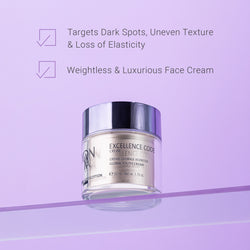
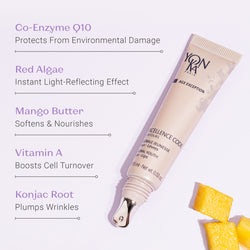
- For Deep Wrinkles: Look to the Age Exception range, specifically Excellence Code Contours, for a more comprehensive age-defense ritual.
Step 4: Moisture and Protection
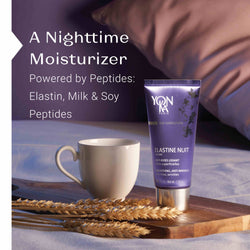
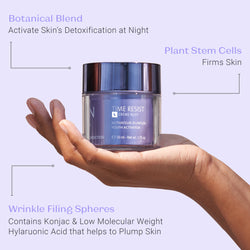
Follow with your facial moisturizer, such as Time Resist Jour, which utilizes plant stem cells to support the appearance of youthful skin. Finally, never skip sun protection. UV damage is the leading cause of collagen breakdown, so a dedicated SPF is non-negotiable for preventing further eye wrinkles.
Essential Oil Safety and Best Practices
Because many of our products contain pure essential oils, we always advocate for a mindful approach to new skincare, and you can read more about that in our ingredients page.
- Patch Test: Before applying a new product near your eyes, apply a small amount to your inner forearm for 24 hours.
- Introduction: Introduce one new product at a time to see how your skin responds.
- Sensation: A slight, brief tingling can be normal with active botanicals, especially with the stimulating properties of rosemary in Phyto-Contour. However, persistent redness or irritation is a sign to reduce usage or discontinue.
- Application: Always apply eye products to the orbital bone—the hard ridge around the eye. Use your ring finger to gently tap the product in, moving from the inner corner outward. Avoid getting product too close to the lash line.
Myth vs. Fact: Natural Oils and Aging
Myth: Since coconut oil is natural and "pure," it is better for my skin than lab-formulated products.
Fact: While purity is important, raw oils lack the delivery systems needed to penetrate the skin's barrier effectively. Professional skincare uses "active" botanical extracts that are concentrated and stabilized for safety and results.
Myth: You should apply a thick layer of oil at night to "erase" wrinkles by morning.
Fact: The skin can only absorb so much. Applying a heavy layer of coconut oil can lead to "edema" (swelling) and milia, making the eyes look more tired the next day.
Lifestyle Factors for Youthful Eyes
While a great eye cream is essential, it is only one piece of the puzzle. The appearance of our skin is a reflection of our overall well-being, and our wrinkle-free face guide offers more ways to support that daily ritual.
- Hydration: Drink plenty of water throughout the day. Topical products can only do so much if the body is dehydrated from within.
- Sleep: "Beauty sleep" is real. During sleep, our skin goes into repair mode. Lack of rest shows up instantly as dark circles and deepened lines around the eyes.
- Nutrition: A diet rich in antioxidants—like berries, leafy greens, and healthy fats—supports skin health from the inside out.
- Stress Management: High cortisol levels can break down collagen. Incorporating the aromatic benefits of our Quintessence into your ritual can help soothe the mind while you treat your skin.
The Professional Advantage: Spa Expertise
Our formulations were born in the treatment room. Since 1954, over 7,000 skincare professionals worldwide have trusted Yon-Ka for our expertise in phyto-aromatic care. If you find that your eye wrinkles are becoming a significant concern, we highly recommend visiting a partner spa. A professional esthetician can provide a deeper analysis of your skin and perform specialized drainage massages and treatments that simply cannot be replicated at home, and you can start by using our Spa Locator.
Finding Your Perfect Match
Every skin is unique, and what works for one person may not be the right choice for you. If you are still unsure if coconut oil or a specific Yon-Ka product is right for your eye concerns, we invite you to use our online tools. Our Skin Diagnosis quiz is designed to help you navigate our collections and build a routine that feels personal and effective.
Conclusion
While coconut oil may be a staple for your favorite recipes, its role in treating eye wrinkles is limited to basic, surface-level hydration. For the thin, delicate skin of the eye contour, a more refined approach is necessary to achieve a truly rejuvenated appearance. By moving from a single-ingredient DIY remedy to a professional phyto-aromatic ritual, you provide your skin with the active botanicals and pharmaceutical-grade rigor it deserves.
"Skincare is not just a routine; it is a ritual worth savoring—a moment of connection between the power of nature and the wisdom of the skin."
At Yon-Ka Paris, we remain committed to the belief that the most beautiful results come from the harmony of plant sciences and professional expertise. Whether you are beginning your anti-aging journey or seeking intensive "age exception" care, our goal is to help you age with grace and radiance. Explore our specialized eye and lip contour collections and learn more in our Product Spotlight: Phyto-Contour to find the targeted support your eyes have been waiting for.
FAQ
Can coconut oil cause bumps around the eyes?
Yes, using raw coconut oil around the eyes can lead to the formation of milia, which are small, hard white bumps. This happens because the oil is quite heavy and can trap keratin under the thin skin of the eye area.
Is it safe to put coconut oil near your eyes?
Generally, coconut oil is safe for the skin, but it can cause irritation or blurred vision if it migrates into the eyes. If you choose to use it, apply a very small amount and stay away from the immediate lash line.
How do I reduce the appearance of crow's feet naturally?
Beyond basic oils, look for botanical treatments containing rosemary, beech bud peptides, and hyaluronic acid. These natural ingredients provide more targeted support for firming and plumping the skin than kitchen oils alone.
When should I start using an eye cream?
It is often best to start a preventative eye ritual in your mid-20s. Since the eye area is the first to show signs of aging due to a lack of oil glands, early hydration and protection can help delay the appearance of fine lines and wrinkles.