Table of Contents
- Introduction
- The Botanical Power of Argan Oil
- Is Argan Oil Good for Face Wrinkles?
- Essential Nutrients: Why Argan Oil Works for Mature Skin
- Beyond the Single Ingredient: The Phyto-Aromatic Approach
- Building Your Age-Defense Ritual with Argan Oil
- Comparing Argan Oil to Other Botanical Oils
- Can Argan Oil Help with Acne-Prone Mature Skin?
- The Professional Difference: Why Quality Matters
- Beyond the Face: The Neck and Décolleté
- Conclusion: Embracing the Ritual
- FAQ
Introduction
There is a specific, quiet moment many of us recognize: standing before the mirror in the morning light and noticing that the fine lines around the eyes or mouth seem a little more permanent than they did a season ago. As our skin matures, it naturally loses its ability to retain moisture and bounce back, often leading to a search for nature’s most potent remedies. Argan oil, frequently called "liquid gold," has emerged as a celebrated botanical solution for those seeking to soften the appearance of aging. At Yon-Ka Paris, we have spent over 70 years perfecting the art of phyto-aromatic skincare, and our brand story reflects that heritage. This article explores whether argan oil is truly effective for face wrinkles, the science behind its restorative properties, and how to integrate it into a professional-grade routine. Argan oil is indeed a remarkable ally for aging skin, offering a unique blend of fatty acids and antioxidants that help restore a youthful, resilient glow.
The Botanical Power of Argan Oil
Argan oil is extracted from the kernels of the argan tree (Argania spinosa), a resilient species native to the arid landscapes of Morocco. For centuries, this oil has been a staple of Mediterranean beauty rituals, prized for its ability to protect the skin and hair from harsh environmental conditions. In the world of professional skincare, we categorize argan oil as a powerhouse emollient—a substance that softens and soothes the skin by filling in the tiny gaps between skin cells.
What makes argan oil "liquid gold" is not just its amber hue, but its complex chemical profile. It is exceptionally rich in essential fatty acids, specifically oleic acid (an omega-9) and linoleic acid (an omega-6). These lipids are fundamental to maintaining the skin’s moisture barrier, which acts as the first line of defense against the elements. When this barrier is strong, the skin looks plump and healthy; when it is weakened, we see the early signs of fine lines and a dull, "parched" complexion. For a deeper look at the botanicals we choose for skin health, explore our ingredients.
Is Argan Oil Good for Face Wrinkles?
When we address the question of whether argan oil is good for face wrinkles, we must look at how it influences three key pillars of skin health: hydration, elasticity, and protection.
1. Intense Hydration and Barrier Repair
Hydration is perhaps the single most important factor in how "ageless" our skin appears. As we age, our skin’s ability to retain water diminishes significantly. In fact, research suggests that older skin can lose water nearly 30% faster than younger skin. Argan oil acts as an occlusive layer, meaning it helps to seal in moisture and prevent transepidermal water loss (TEWL). By keeping the skin deeply hydrated, argan oil helps to "fill out" the appearance of fine lines that are often exacerbated by simple dehydration. If dryness is your primary concern, our dry & dehydrated skin collection is a smart place to continue your search.
2. Supporting Skin Elasticity
Elasticity refers to the skin’s ability to "snap back" into place. A loss of elasticity is what leads to sagging and deeper wrinkles. Clinical studies have indicated that the regular application of argan oil can help improve the appearance of skin firmness and elasticity, particularly in postmenopausal skin. The plant sterols found in the oil help support the skin’s natural regenerative processes, encouraging a smoother and more lifted look over time. For more targeted firmness support, our anti-aging collection brings together formulas designed to address visible signs of time.
3. Antioxidant Defense
Wrinkles are not just a result of time; they are often caused by external stressors like UV rays and pollution. These stressors create free radicals—unstable molecules that break down collagen and elastin. Argan oil is packed with Vitamin E (tocopherols) and polyphenols, which are potent antioxidants. These compounds help to neutralize free radicals, providing a protective "shield" that may help prevent the premature formation of new wrinkles while supporting the repair of existing ones. Daily UV defense is also why our sun care collection deserves a place in every anti-wrinkle routine.
Key Takeaway: Argan oil targets the visible signs of aging by reinforcing the skin's moisture barrier, boosting the appearance of elasticity, and providing a powerful antioxidant defense against environmental damage.
Essential Nutrients: Why Argan Oil Works for Mature Skin
To understand why argan oil is so effective, we must look closer at its specific ingredients. In our laboratories, we prioritize botanical chemistry that works in harmony with the skin's natural biology. To see how we formulate with that philosophy in mind, explore our formulas.
- Vitamin E: Argan oil contains significantly more Vitamin E than olive oil. This fat-soluble vitamin is essential for maintaining the health of skin cells and reducing the look of age spots and scars.
- Omega Fatty Acids: The balance of linoleic and oleic acids ensures that the oil is nourishing without being excessively heavy. Linoleic acid helps calm inflammation, while oleic acid allows the oil to penetrate deeper, carrying nutrients where they are needed most.
- Squalene: This naturally occurring lipid mimics the skin’s own sebum, making argan oil highly compatible with almost all skin types. It helps to soften the skin's texture and improve overall radiance.
- Ferulic Acid: A rare antioxidant that becomes even more effective when exposed to sunlight, helping to defend the skin against photo-aging.
Beyond the Single Ingredient: The Phyto-Aromatic Approach
While 100% pure argan oil is a wonderful ingredient, at Yon-Ka, we believe in the power of synergy. Our heritage is rooted in the fusion of aromatherapy and phytotherapy. We have found that when potent plant oils are combined with specific essential oils and professional formulations, the results are far more comprehensive.
For example, our Serum Omega is designed for those whose skin feels fragile and depleted. While it utilizes a variety of lipid-restoring botanical oils, it follows the same principle as argan oil: replenishing the skin with essential fatty acids to smooth the appearance of wrinkles.
Similarly, our Booster Nutri + can be added to any moisturizer to provide an extra "hit" of nourishment for dry, aging skin.
By combining these oils with our signature Quintessence—a blend of lavender, geranium, rosemary, cypress, and thyme—we create a sensorial experience that balances the skin while treating the visible signs of aging. This holistic approach ensures that the skin is not just "oiled," but truly revitalized.
Building Your Age-Defense Ritual with Argan Oil
To see the best results when using any oil for wrinkles, the order of application is critical. Skincare is a ritual of layers, and how to pair skincare products can make each step work harder.
Step 1: Gentle Cleansing
Always start with a clean canvas. A gentle, milk-based cleanser like Lait Nettoyant ensures that you remove impurities without stripping the very lipids you are trying to replace. This respects the skin's pH and prepares it for treatment.
Step 2: The Phyto-Aromatic Mist
Before applying any oil or serum, the skin should be damp. Our hydrating Lotion Yon-Ka PS is more than a toner; it is a healing mist that "primes" the skin. Applying oil to dry skin can sometimes lead to a greasy film, but applying it to skin misted with Lotion Yon-Ka allows for much better absorption.
Step 3: Target and Treat
This is where you apply your high-performance serums. If you are using a pure argan oil or an oil-based concentrate like Serum Omega, pat 2–3 drops into the skin while it is still damp from your mist. For a closer look at this category, explore our serums. Focus on areas prone to wrinkling, such as the forehead, "eleven" lines between the brows, and the neck.
Step 4: Moisturize and Seal
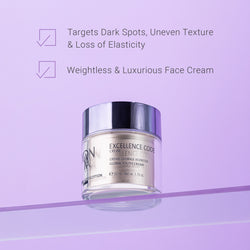
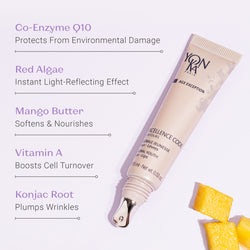
For mature skin, we often recommend following your oil or serum with a dedicated age-defense cream. Excellence Code Crème is our premium solution for global aging concerns. It helps to "seal in" the benefits of your oils while providing targeted peptides and hyaluronic acid to further plump the appearance of the skin.
Step 5: Daily Protection
No anti-wrinkle routine is complete without sun protection. Antioxidant oils like argan provide a great secondary defense, but they do not replace a broad-spectrum SPF. During the day, always finish your ritual with sun protection to prevent the UV damage that causes wrinkles in the first place.
Note: When introducing a new botanical oil or a product containing essential oils, we always recommend a simple patch test. Apply a small amount to your inner forearm and wait 24 hours to ensure your skin welcomes the new ingredient. A slight, brief tingling can be normal with active botanicals, but persistent redness is a sign to slow down.
Comparing Argan Oil to Other Botanical Oils
Not all oils are created equal, and choosing the right one depends on your specific skin concerns.
| Oil Type | Primary Benefit | Best For |
|---|---|---|
| Argan Oil | Deep hydration & elasticity | Dry, mature, or postmenopausal skin |
| Rosehip Oil | Brightening & Vitamin A | Dull skin, scars, and fine lines |
| Jojoba Oil | Balancing sebum | Oily or combination skin |
| Grape Seed Oil | Lightweight antioxidant | Sensitive or acne-prone skin |
Argan oil is particularly well-suited for those whose primary concern is the depth of wrinkles and a feeling of chronic dryness. Because it is rich in oleic acid, it feels slightly "richer" and more substantial than oils like rosehip, making it a favorite for evening rituals.
Can Argan Oil Help with Acne-Prone Mature Skin?
A common myth is that people with oily or acne-prone skin should avoid oils entirely. However, argan oil has a comedogenic rating of zero, meaning it is highly unlikely to clog pores.
In many cases, the skin overproduces oil because it is actually dehydrated and inflamed. By providing a clean, botanical source of linoleic acid, argan oil can help "signal" to the skin that it has enough moisture, potentially leading to a more balanced complexion. For those dealing with both "adult acne" and wrinkles, argan oil offers a soothing, non-greasy way to address both concerns simultaneously.
The Professional Difference: Why Quality Matters
When searching for argan oil, you may notice a wide range of prices and qualities. In the professional world of Yon-Ka, we emphasize the importance of how a botanical is sourced and processed.
- Cold-Pressed: To maintain the integrity of the fatty acids and Vitamin E, argan oil must be cold-pressed. Heat extraction can destroy the very nutrients that help with wrinkles.
- Organic and Pure: Look for 100% pure argan oil without added fragrances or fillers. Synthetic fragrances can often irritate mature skin, which tends to be more sensitive.
- Packaging: Because antioxidants are sensitive to light and air, high-quality oils should always be housed in dark glass bottles to prevent oxidation.
Our formulations at Yon-Ka are produced at our own facility near Paris, adhering to strict pharmaceutical standards (ISO 22716). We ensure that every botanical ingredient—whether it is the lipids in our serums or the essential oils in our Quintessence—meets the highest purity and potency requirements.
Beyond the Face: The Neck and Décolleté
When focusing on wrinkles, many people stop at the jawline. However, the skin on the neck and chest is thinner and has fewer oil glands than the face, making it one of the first places to show signs of aging and "creping."
Argan oil is an exceptional treatment for these areas. Its high fatty acid content helps to smooth the appearance of the neck and décolleté. We recommend extending your skincare ritual all the way down to the chest, using upward stroking motions to massage your oil and cream into the skin. This not only improves product absorption but also supports lymphatic drainage for a more "lifted" appearance.
Conclusion: Embracing the Ritual
Argan oil is much more than a beauty trend; it is a time-tested botanical treasure that offers genuine support for aging skin. By providing deep hydration, improving the look of elasticity, and defending against environmental damage, it serves as a powerful ally in any anti-wrinkle strategy.
At Yon-Ka Paris, we believe that true beauty is a reflection of consistent, mindful care. Skincare is not about "fixing" a problem overnight, but about creating a ritual that honors your skin's needs at every stage of life. Whether you are using a pure oil or a sophisticated, multi-active formula like Excellence Code Crème, the key is consistency and high-quality botanical synergy.
If you are unsure which products are right for your unique skin type, we invite you to use our Product Matcher to find your perfect phyto-aromatic routine.
Founded on 70 years of professional spa expertise, we remain dedicated to the belief that through the power of plants and the science of aromatherapy, every person can achieve a radiant, healthy glow that lasts. For a more hands-on next step, find a Yon-Ka spa near you.
FAQ
Is argan oil safe to use under the eyes for wrinkles?
Yes, argan oil is generally very safe for the delicate eye area because it is non-irritating and free from harsh chemicals. To use it, dab a tiny amount onto your ring finger and gently press it into the orbital bone. For an even more targeted treatment, you might follow it with Phyto-Contour, which is specifically designed to address puffiness and fine lines in that sensitive zone.
Will argan oil make my face look greasy during the day?
While argan oil is a "dry" oil that absorbs relatively quickly, those with oily or combination skin may prefer to use it primarily in their evening ritual. If you wish to use it during the day, try mixing a single drop into your daily moisturizer, such as Vital Defense, to give your skin an antioxidant boost without a shiny finish. Always apply it to damp skin to ensure it absorbs fully rather than sitting on the surface.
How long does it take to see results for wrinkles when using argan oil?
Skincare is a journey, not an overnight fix. While you may notice an immediate improvement in hydration and radiance (the "glow" factor), improvements in the appearance of wrinkles and elasticity typically take longer. Most clinical studies on botanical oils show visible changes after 60 to 90 days of consistent, daily use. This timeframe allows for the skin’s natural turnover process to reflect the improved nourishment. For more layered support, explore our face moisturizers.
Can I use argan oil if I am already using a retinol product?
Yes, argan oil can actually be a perfect companion to retinol or other active anti-aging treatments. Retinol can sometimes cause dryness or peeling as it speeds up cell turnover. Applying a lipid-rich oil like argan after your retinol treatment can help soothe the skin and reinforce the moisture barrier, reducing the risk of irritation. Always introduce one new product at a time to see how your skin responds.