Table of Contents
- Introduction
- Understanding the Delicate Eye Contour
- The Science of Aloe Vera
- Does Aloe Vera Actually Help with Eye Wrinkles?
- The Limitations of Raw Aloe Vera
- The Yon-Ka Phyto-Aromatic Ritual for Eyes
- Choosing the Right Eye Treatment
- Lifestyle Habits to Support Your Ritual
- The Professional Touch
- Conclusion
- FAQ
Introduction
The skin around our eyes is often the first to tell the story of our lives—the late nights, the laughter, and the quiet passage of time. When we notice fine lines etching their way into this delicate area, it is natural to seek out remedies that feel as gentle and restorative as the skin itself. For decades, the cooling, green leaf of the aloe vera plant has been a household staple for soothing sun-exposed skin, but many wonder if this botanical wonder holds the key to smoothing eye wrinkles.
At Yon-Ka Paris, we believe that nature provides the most potent solutions when refined by our ingredient philosophy. In this guide, we will explore the science of aloe vera, how it interacts with the unique anatomy of the eye contour, and why a professional ritual often yields more visible results than DIY remedies alone. We will examine the role of hydration in anti-aging and how to select formulas that truly support the skin's resilience.
Quick Answer: Aloe vera is excellent for smoothing the appearance of eye wrinkles caused by dehydration due to its high water and polysaccharide content. However, for deep, structural wrinkles, it is most effective when paired with professional actives like peptides, rosemary, or AHAs within a complete skincare ritual.
Understanding the Delicate Eye Contour
Before assessing if aloe vera is a viable solution for wrinkles, we must understand the "canvas" we are treating. The skin surrounding the eyes is roughly four to five times thinner than the skin on the rest of the face. It is also significantly lower in sebaceous (oil) glands, which means the eye area lacks the natural lipid barrier that keeps other parts of our face supple and protected.
This area is under constant mechanical stress. Between blinking roughly 10,000 times a day and our constant facial expressions—squinting, smiling, and frowning—the muscles around the eyes are some of the most active in the body. When this repetitive movement meets a naturally thin and dry skin barrier, "expression lines" begin to form.
Furthermore, environmental factors like UV radiation and blue light from digital screens accelerate the breakdown of collagen and elastin—the proteins responsible for skin firmness and "snap-back." Because the eye contour is so fragile, it is often the first place to show "dehydration lines," which are shallow wrinkles that appear when the skin’s moisture levels are depleted. This is where aloe vera begins to shine as a botanical ally.
The Science of Aloe Vera
Aloe vera, or Aloe barbadensis miller, is a succulent that has survived in harsh, arid climates for millennia by storing a vast reservoir of water and nutrients in its fleshy leaves. The clear gel inside these leaves is approximately 99% water, but the remaining 1% contains over 75 active constituents that are highly beneficial for the appearance of the skin.
For a deeper look at this botanical, see our 10 Benefits of Aloe Vera guide.
Essential Nutrients for the Eyes
Vitamins A, C, and E are present in aloe vera as potent antioxidants. Antioxidants are molecules that help to neutralize free radicals—unstable atoms that damage skin cells and accelerate the visible signs of aging. By shielding the skin from oxidative stress, these vitamins support a brighter, more youthful eye area.
Polysaccharides and Hydration
The gel is rich in polysaccharides, complex sugar molecules that act as humectants. A humectant is a substance that attracts moisture from the air and binds it to the skin's surface. These sugars, particularly acemannan, create a light, protective film that helps the skin retain its water content, which is critical for smoothing out the look of fine lines.
Minerals and Amino Acids
Aloe vera contains zinc, which helps to refine the appearance of pores and soothe the skin surface. It also provides 20 of the 22 human-required amino acids, including seven of the eight essential ones. These serve as the building blocks for skin proteins, supporting the skin's natural repair processes.
Does Aloe Vera Actually Help with Eye Wrinkles?
When we ask if aloe vera is "good" for eye wrinkles, we are really asking if it can improve the skin's texture and elasticity. The answer depends largely on the type of wrinkle you are seeing.
Addressing Dehydration Lines
Many of the lines we perceive as permanent aging are actually "creases" caused by a thirsty epidermis. When the skin lacks water, it loses its plumpness, much like a grape turning into a raisin. Because aloe vera is such a powerful humectant, it can immediately flood the stratum corneum (the top layer of skin) with moisture. This "plumping" effect can make fine lines virtually disappear in the short term, giving the eyes a refreshed, well-rested appearance.
Supporting Collagen Production
While aloe vera is not a replacement for medical treatments, research suggests it contains molecules called sterols. These plant steroids have been shown to support the fibroblasts—the cells in our dermis responsible for producing collagen and hyaluronic acid. By encouraging a more supportive environment for these cells, aloe vera may help the skin maintain its natural bounce and reduce the look of sagging over time.
Cooling and Decongesting
Eye wrinkles are often made more prominent by puffiness. When the skin under the eyes swells due to fluid retention, it stretches the tissue. When that swelling subsides, the skin may appear more wrinkled or "crepey." The natural anti-inflammatory compounds in aloe, such as salicylic acid and C-glucosyl chromone, provide a cooling effect that helps to visibly decongest the eye area, preventing the skin from being repeatedly over-stretched.
Key Takeaway: Aloe vera is a superior surface hydrator that excels at smoothing the appearance of fine dehydration lines. For deep-set wrinkles, it acts as a supportive base that enhances the efficacy of other anti-aging ingredients.
The Limitations of Raw Aloe Vera
While it might be tempting to use a fresh aloe plant from your windowsill, there are several reasons why a professionally formulated product is superior for the delicate eye area.
Raw aloe can be surprisingly drying. Because the gel is so high in water, as it evaporates from your skin, it can actually pull moisture out of the deeper layers—a process known as trans-epidermal water loss (TEWL). Professional formulas blend aloe with emollients (fats and oils) that seal that moisture into the skin, ensuring long-lasting hydration.
The risk of irritation. Raw aloe leaves contain a yellow substance called aloin or latex, located just under the skin of the leaf. Aloin is a known irritant that can cause redness or stinging, especially on the thin skin around the eyes. Professional skincare brands use purified aloe extracts where these allergens have been carefully removed.
Lack of depth. While aloe is a wonderful hydrator, it lacks the molecular weight or specific "messaging" capabilities to address deep, structural aging on its own. For meaningful results on "crow's feet" or significant sagging, aloe needs to be part of a synergistic formula that includes ingredients like peptides, fruit acids, or specialized botanical extracts.
The Yon-Ka Phyto-Aromatic Ritual for Eyes
At Yon-Ka, our approach to eye care is rooted in the belief that no single ingredient works in isolation. We utilize the power of phyto-aromatic science—the fusion of plant extracts and essential oils—to create rituals that address the "total" health of the eye contour.
The foundation of our formulas is the Quintessence, an exclusive complex of five essential oils: lavender, geranium, rosemary, cypress, and thyme. This 100% natural and active blend revitalizes the skin and enhances the benefits of hydrating ingredients like aloe.
A Layered Approach to Eye Care
We recommend a consistent, ritual-based approach rather than searching for a "miracle" single product.
- Cleanse: Use a gentle, barrier-respecting cleanser like Lait Nettoyant. This milk cleanser removes impurities without stripping the delicate oils from the eye area.
- Mist: Prepare the skin with Lotion Yon-Ka PS, our signature phyto-aromatic mist. This helps the subsequent eye treatments absorb more effectively.
- Treat: Apply a targeted eye treatment from our eye and lip contour collection using the ring finger, tapping gently onto the orbital bone.
- Protect: In the morning, always follow with sun protection to prevent UV-induced collagen breakdown.
Choosing the Right Eye Treatment
When selecting a product to address eye wrinkles, look for formulas that combine the hydrating power of botanicals with targeted actives from our specialized collections.
For Puffiness and Fine Lines: Phyto-Contour
If you wake up with "heavy" eyes or notice fine lines aggravated by puffiness, Phyto-Contour is our go-to recommendation. This refined, aromatic cream features a high concentration of rosemary, which helps to visibly firm the skin and "defrost" tired-looking eyes. It provides a cooling sensation similar to aloe but with the added benefit of lymphatic support to brighten the look of dark circles.
For Smoothing and Texture: Alpha-Contour
For those focused on the "crepey" texture and fine lines, Alpha-Contour is a non-greasy gel-cream that utilizes a precise blend of fruit acids (AHAs). These acids gently exfoliate and renew the skin surface, while hydrating agents mimic the plumping effects of aloe to smooth out the appearance of wrinkles around both the eyes and lips.
For Deep Wrinkles and Mature Skin: Excellence Code Contours
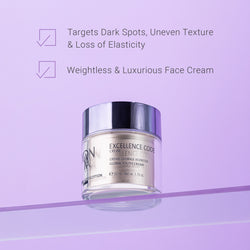
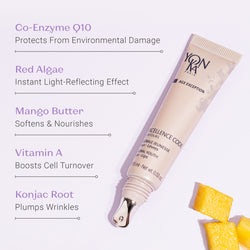
Part of our Age Exception range, Excellence Code Contours is designed for those seeking to address more advanced signs of aging. This premium cream targets the appearance of deep wrinkles and sagging by supporting the skin's natural architecture. It uses a patented complex to provide a visible "lifting" effect, helping the gaze appear more open and youthful.
Note: When introducing any new active product to the eye area, we recommend a patch test on the inner forearm for 24 hours. A slight, brief tingling sensation can be normal with highly active botanicals, but if persistent redness occurs, reduce the frequency of use.
Lifestyle Habits to Support Your Ritual
Skincare is most effective when supported by a lifestyle that protects the skin's integrity. To maximize the benefits of your hydrating eye treatments, consider these daily habits:
- Hydrate from within: Drink plenty of water throughout the day. Topical hydrators like aloe work best when the body's internal moisture levels are also supported.
- Wear UV protection: Sunglasses are not just a fashion choice; they are a mechanical barrier that prevents squinting and protects the thin eye skin from UV damage.
- Sleep on your back: Side-sleeping can cause "sleep wrinkles" by pressing the face into the pillow. A silk pillowcase can also help reduce friction on the eye area.
- Be gentle: Never rub your eyes. When removing makeup, use a saturated cotton pad and hold it over the eye for several seconds to dissolve the product before gently wiping away.
The Professional Touch
While home care is essential, many of our clients find that professional spa treatments provide a "reset" for the skin. In the treatment room, estheticians can use specialized techniques, such as manual lymphatic drainage or professional-grade masks, to drive hydration deeper into the tissue.
If you want a more targeted ritual, our Eye & Lip Perfection treatment brings those professional techniques to the delicate contour area.
If you are unsure which products or treatments are right for your specific concerns, we invite you to use our Skin Diagnosis tool.
For a truly transformative experience, you can find a local Yon-Ka treatment through our Spa Locator.
Conclusion
Is aloe vera good for eye wrinkles? It is certainly a valuable member of a high-performance skincare cabinet. Its ability to drench the skin in moisture and provide a soothing, antioxidant-rich environment makes it ideal for smoothing fine dehydration lines and supporting the skin's overall health. However, the most radiant results come from a consistent ritual that pairs these hydrating botanicals with the precision of phyto-aromatic science.
At Yon-Ka Paris, we remain committed to the belief that skincare is a ritual worth savoring. Our formulas, born in the treatment room and refined over 70 years, reflect our journey since 1954. By choosing professional-grade products and maintaining a consistent routine, you can support the natural beauty of your eyes and face the world with a refreshed, youthful gaze.
Bottom line: Use aloe vera for its hydrating and soothing benefits, but rely on a complete, professionally formulated ritual to address the structural signs of aging.
FAQ
Can I apply pure aloe vera gel directly to my eyelids?
While pure aloe is generally safe, it is not recommended for the eyelids or very close to the lash line, as it can cause stinging if it gets into the eyes. It is better to use a formulated eye cream like Alpha-Contour, which is specifically tested for safety in the ocular area.
How long does it take for aloe-based products to show results on wrinkles?
Hydration-based results, such as the plumping of fine lines, can often be seen within minutes of application. However, to see improvements in skin elasticity and the appearance of deeper wrinkles, consistent use over 8 to 12 weeks is typically required.
Is aloe vera better than retinol for eye wrinkles?
They serve different purposes. Aloe vera is primarily a hydrator and soother, excellent for fine lines and sensitive skin. Retinol is a powerful corrective that targets deep wrinkles and collagen production. Many people benefit from using both—aloe to hydrate and retinol (formulated for eyes) to treat. If your focus is deeper correction, explore our anti-aging collection.
Does aloe vera help with dark circles as well as wrinkles?
Aloe vera can help reduce the appearance of dark circles caused by dehydration or inflammation due to its cooling and plumping properties. For dark circles caused by circulation issues, a product with rosemary or cypress, such as Phyto-Contour, is often more effective.