Table of Contents
- Introduction
- Understanding the Roots of Hyperpigmentation
- The Power of Botanical Brighteners
- Building a Professional-Grade Ritual at Home
- The Phyto-Aromatic Edge: Why Quality Matters
- The Non-Negotiable Role of Sun Protection
- Professional Treatments for Faster Results
- Realistic Expectations and Consistency
- Conclusion
- FAQ
Introduction
The desire for a luminous, even complexion is a universal skincare goal, yet many find their path blocked by the appearance of stubborn dark spots. Whether these marks are memories of past breakouts or evidence of sunny afternoons spent outdoors, hyperpigmentation can feel like a persistent veil over your natural radiance. Addressing these concerns requires more than just a quick fix; it demands a dedicated ritual that respects the skin's delicate balance while effectively targeting discoloration. At Yon-Ka Paris, we believe that botanical expertise and professional-grade formulations, as explained on our Ingredients page, offer the most sensorial and effective route to a brighter look. In this article, we will explore the biological causes of discoloration, the most effective plant-based ingredients for brightening, and how to build a consistent routine to treat the appearance of dark spots.
Quick Answer: Treating dark spots involves a combination of consistent UV protection, targeted botanical brighteners like Vitamin C, and regular exfoliation with AHAs to promote surface cell turnover. Real results are achieved through a daily, layered ritual that inhibits the look of new pigment while fading the appearance of existing marks over several months.
Understanding the Roots of Hyperpigmentation
To effectively address the appearance of dark spots, we must first understand why they form. Dark spots, scientifically known as hyperpigmentation, occur when the skin produces an excess of melanin, the pigment responsible for our skin, hair, and eye color. This overproduction is usually a protective response triggered by various internal and external factors.
Sun Exposure and Age Spots
The most common culprit is ultraviolet (UV) radiation. When your skin is exposed to the sun, it produces melanin to shield itself from damage. Over years of exposure, this pigment can cluster together, forming what are commonly called "age spots," "liver spots," or "sunspots." These typically appear on areas most frequently exposed to the light, such as the face, hands, and décolleté. For a deeper overview of this concern, see our hyperpigmentation guide.
Post-Inflammatory Hyperpigmentation (PIH)
If you have ever noticed a dark mark left behind after a blemish has healed, you have experienced post-inflammatory hyperpigmentation. When the skin suffers from an injury or inflammation—such as acne, a cut, or even a harsh chemical burn—it can overproduce melanin during the healing process. While these spots may eventually fade on their own, the process can take many months without targeted skincare intervention.
Hormonal Shifts and Melasma
Hormonal fluctuations are another significant driver of pigment changes. Melasma is a specific type of hyperpigmentation often triggered by pregnancy, birth control, or hormonal replacement therapy. It typically presents as larger, symmetrical patches on the forehead, cheeks, and upper lip. Because it is tied to internal hormones, melasma can be more stubborn than sun-induced spots and often requires a very gentle, consistent approach to avoid further irritation.
The Power of Botanical Brighteners
Nature provides an incredible array of actives that can help manage the appearance of dark spots without the harshness often associated with synthetic bleaching agents. At Yon-Ka, we prioritize ingredients that support the skin’s health while delivering visible results.
Vitamin C: The Brightening Gold Standard
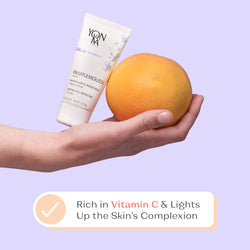
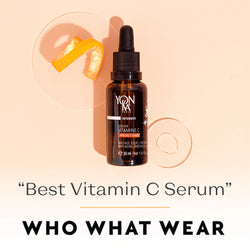
Vitamin C is perhaps the most celebrated ingredient for an even skin tone. As a potent antioxidant, it helps neutralize free radicals caused by UV exposure and pollution. More importantly, it is known to inhibit tyrosinase, the enzyme responsible for melanin production. This dual action helps prevent the look of new spots while brightening the overall complexion. Our Serum C20 utilizes a stable, highly concentrated form of Vitamin C to enhance radiance and support the appearance of firm, youthful skin.
Glycolic Acid and Alpha Hydroxy Acids (AHAs)
To treat existing dark spots, we must encourage the skin to shed its uppermost layers where excess pigment is trapped. Glycolic acid, an AHA derived from sugar cane, is prized for its small molecular size, allowing it to penetrate effectively and dissolve the "glue" holding dead skin cells together. Regular use of AHAs helps smooth the skin's texture and makes dark spots appear less prominent over time. For a closer look at this exfoliating ingredient, read What is Glycolic Acid?
Brown Algae and Peptides
In our pursuit of advanced phyto-aromatic solutions, we utilize specialized plant extracts like Brown Algae (Ascophyllum nodosum). This marine botanical helps support a targeted approach to uneven tone and pigmentation. For a more focused edit of solutions, explore our dark spot collection, which is designed for discoloration concerns.
Key Takeaway: Treating dark spots requires a two-pronged approach: inhibiting the appearance of future pigment with antioxidants like Vitamin C and removing existing surface pigment through regular, gentle exfoliation.
Building a Professional-Grade Ritual at Home
A single product is rarely enough to transform the appearance of hyperpigmentation. Instead, we recommend a layered ritual that prepares, treats, and protects the skin. This approach ensures that active ingredients can penetrate deeply and work synergistically.
Step 1: Respectful Cleansing
The foundation of any brightening routine is a clean canvas. However, many people make the mistake of using harsh scrubs on dark spots, which can actually cause more inflammation and worsen pigment. We recommend a gentle, barrier-respecting cleanser like Lait Nettoyant. This milk cleanser removes impurities while maintaining the skin's essential lipids, ensuring the skin is calm and receptive to the next steps.
Step 2: Prepare with Phyto-Aromatic Mist
The signature step in every Yon-Ka routine is the application of Lotion Yon-Ka PS. This phyto-aromatic mist, infused with our Quintessence of five essential oils (lavender, geranium, rosemary, cypress, and thyme), does more than just refresh. It acts as a "liquid bridge," hydrating the skin and helping subsequent serums and creams absorb more effectively. For those focusing on dark spots, it ensures the skin is perfectly balanced.
Step 3: Targeted Treatment
This is where you apply your most active formulas. If your primary goal is overall radiance and preventing new spots, a few drops of Serum C20 in the morning can provide powerful antioxidant protection. For more localized, persistent spots, you might look toward our serums collection, which brings together treatment options designed for targeted skin concerns.
Step 4: Overnight Renewal
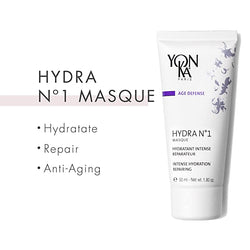
The skin does its most intensive repair work while you sleep. Incorporating a product like the Glyconight 10% Masque two to three times a week can be transformative. This high-concentration glycolic acid mask acts as a gentle peel, working overnight to reveal fresher, brighter-looking skin by morning. It is an excellent way to accelerate the fading of surface marks without the irritation of a physical scrub.
The Phyto-Aromatic Edge: Why Quality Matters
Skincare is as much about the experience as it is about the results. Yon-Ka Paris was founded on the principles of aromachology—the study of how scents influence our well-being—and phytotherapy, and our Formulas page explains how those ideas are translated into safe, rigorous products.
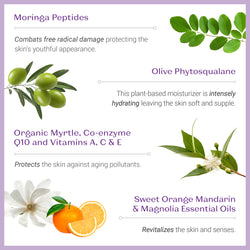
The Quintessence, our core complex of essential oils, provides a purifying and soothing foundation for all our treatments. When treating dark spots, this is crucial. Because many brightening actives (like acids and Vitamin C) can be stimulating, the soothing properties of lavender and geranium help keep the skin's appearance calm. This pharmaceutical-grade rigor ensures that even high-potency products remain a joy to use.
Note: When introducing high-activity products like those containing Vitamin C or glycolic acid, we always recommend a patch test. Apply a small amount to the inner forearm and wait 24 hours to ensure your skin responds well. Introduce one new active at a time to allow your skin to adapt.
The Non-Negotiable Role of Sun Protection
You cannot effectively treat dark spots without rigorous sun protection. It is often said that one day of unprotected sun exposure can undo months of brightening treatments. Because UV light is the primary trigger for melanin production, leaving the skin unprotected essentially tells your melanocytes to keep working overtime.
We recommend using a broad-spectrum sunscreen with at least SPF 30 every single day, regardless of the weather. For those concerned with dark spots, a physical blocker containing zinc oxide or titanium dioxide can be particularly helpful, as these minerals reflect UV rays away from the skin. Additionally, Vital Defense is enriched with antioxidants to provide an extra layer of protection against environmental stressors that contribute to a dull, uneven look.
Professional Treatments for Faster Results
While a home routine is the bedrock of skin health, professional intervention can often provide a significant boost. The heritage of our brand is rooted in the treatment room, and our professional-grade peels and brightening facials are designed to address the appearance of pigmentation more deeply than home products alone.
A professional esthetician can assess your specific type of hyperpigmentation and recommend a series of treatments tailored to your skin's needs. From intensive AHA peels to hydrating, brightening masks, these sessions can help jumpstart your results. We encourage you to use our Spa Locator to find a certified professional who can guide you on your journey to clearer skin.
Realistic Expectations and Consistency
It is important to remember that dark spots did not appear overnight, and they will not disappear overnight. The skin's natural turnover cycle takes about 28 to 40 days, and this process slows as we age. To see a significant change in the appearance of dark spots, you must commit to your ritual for at least three to six months.
Consistency is your most powerful tool. Skipping sunscreen for just one afternoon or forgetting your brightening serum for a week can slow your progress. Skincare is a marathon, not a sprint, and the most beautiful results belong to those who treat their skin with daily kindness and patience.
Bottom line: A successful brightening strategy combines prevention through SPF, correction through botanical actives like Vitamin C and AHAs, and professional guidance to ensure the skin remains healthy and balanced throughout the process.
Conclusion
Treating dark spots is a journey that requires a blend of scientific precision and botanical wisdom. By understanding the causes of hyperpigmentation—from UV damage to hormonal shifts—and addressing them with a layered, phyto-aromatic ritual, you can help your skin rediscover its natural luminosity. Whether you choose the intensive exfoliation of a glycolic mask or the daily antioxidant support of a Vitamin C serum, consistency remains the key to success.
- Always protect your skin with daily SPF 30 or higher.
- Incorporate brightening botanicals like Vitamin C and Brown Algae.
- Support skin renewal with gentle, non-physical exfoliation.
- Consult a professional for targeted, high-performance treatments.
If you are unsure which products are right for your specific skin type, we invite you to take our Skin Diagnosis quiz or use our Product Matcher. At Yon-Ka Paris, our mission is to provide you with a ritual worth savoring—one built on 70 years of expertise and the profound power of plants. Your journey to a clearer, more radiant complexion starts with a single, mindful step.
"The beauty of the skin is a reflection of the harmony between the body and nature." — The Yon-Ka Philosophy
FAQ
How long does it take to see results when treating dark spots?
Most individuals begin to see a more radiant complexion within four to six weeks, which aligns with the skin's natural renewal cycle. However, for significant fading of the appearance of deep-seated dark spots, consistent use of brightening products and sun protection is typically required for three to six months.
Can Vitamin C help with old sunspots?
Yes, Vitamin C is highly effective at improving the appearance of sunspots by inhibiting the enzyme responsible for melanin production and providing antioxidant protection. While it may not eliminate them entirely, regular use of a high-quality serum like Serum C20 can significantly brighten the look of the area and prevent new spots from forming. For more detail, see How Vitamin C Can Help Your Skin.
Why do my dark spots seem darker after using exfoliants?
Sometimes, as chemical exfoliants like glycolic acid begin to work, they bring pigmented cells to the surface before they are shed. This can make spots appear slightly darker temporarily. However, if the darkening is accompanied by significant redness or irritation, you should reduce the frequency of use and ensure you are applying ample sun protection. If you want to learn more about the ingredient itself, visit What is Glycolic Acid?.
Is it possible to treat dark spots if I have sensitive skin?
Absolutely, but it requires a gentler approach. Avoid harsh physical scrubs and instead opt for soothing botanical brighteners and low-concentration AHAs. Starting with a "slow and low" approach—introducing active products only twice a week—allows your skin to build tolerance without triggering the inflammation that can lead to further pigment.
Should I use a different product for acne marks versus age spots?
While both are forms of hyperpigmentation, acne marks (PIH) often respond well to a combination of soothing botanicals and AHAs that clear pores. Age spots, which are deeper, benefit significantly from high-potency antioxidants like Vitamin C. Using a comprehensive ritual that includes both exfoliation and brightening actives will generally address both concerns effectively, and our blemish-prone collection is a useful place to compare options.