Table of Contents
- Introduction
- The Science of Face Taping and Skin Longevity
- The Importance of Phyto-Aromatic Preparation
- Step-by-Step: How to Tape Face for Wrinkles Overnight
- Maximizing Results with the Age Exception Collection
- Safety, Sensitivity, and Essential Oils
- Integrating the Ritual into Your Lifestyle
- Conclusion
- FAQ
Introduction
Waking up to find "sleep lines" etched across your forehead or cheeks can be a frustrating start to the morning. These creases often occur when the skin is compressed against a pillow for hours, combined with the natural loss of elasticity as we age. Recently, a technique known as face taping has resurfaced as a popular method to address these concerns while you rest. At Yon-Ka Paris, our brand story reflects a belief that skincare is a ritual of both mechanical support and botanical nourishment. By understanding how to tape face for wrinkles overnight, you can supplement your nightly routine with a physical tool that encourages muscle relaxation and smoother-looking skin. This article covers the science behind the practice, the essential preparation steps, and how to integrate this method into a professional-grade phyto-aromatic ritual for a revitalized morning complexion.
The Science of Face Taping and Skin Longevity
To understand how face taping works, we must first look at the two primary types of facial lines. Dynamic wrinkles are those caused by repetitive muscle movements, such as frowning, squinting, or smiling. Static wrinkles, on the other hand, remain visible even when the face is at rest, often resulting from a decline in collagen and elastin—the structural proteins that keep skin firm and "bouncy."
Overnight face taping acts as a gentle, mechanical "splint" for the skin. By applying a specialized adhesive, such as medical-grade kinesiology tape, you provide a physical barrier that prevents the skin from folding or scrunching during sleep. This is particularly beneficial for side and stomach sleepers who often experience deep sleep creases due to facial compression.
Beyond preventing physical folds, the tape provides a subtle sensory feedback to the facial muscles. When the tape is in place, the brain receives signals that encourage these muscles to remain in a relaxed state rather than tensing up during the night. While this does not permanently eliminate wrinkles, it can significantly reduce the appearance of morning lines and, with consistent use, help train the face to carry less tension.
For a deeper look at the trend itself, read Does Face Taping Prevent Wrinkles? Expert Pros and Cons.
Key Takeaway: Face taping provides a physical scaffolding that prevents the skin from folding against your pillow, while simultaneously encouraging facial muscles to relax throughout the night.
The Importance of Phyto-Aromatic Preparation
You should never apply adhesive tape to "day skin." Throughout the day, the skin accumulates environmental pollutants, excess sebum, and layers of SPF or makeup. Trapping these impurities under tape for eight hours can lead to irritation, clogged pores, or even localized breakouts. A clean, balanced foundation is the non-negotiable first step of the Yon-Ka ritual, and our ingredients explain why.
Cleanse and Rebalance
A gentle, barrier-respecting cleanse is essential. We recommend starting with Lait Nettoyant, a silk-textured cleansing milk that removes impurities while maintaining the skin's delicate moisture balance. Once the skin is clean, it must be prepared with a phyto-aromatic mist.
Our signature Lotion Yon-Ka PS is the heart of every dry, sensitive routine. This mist is infused with our exclusive Quintessence—a blend of five essential oils: lavender, geranium, rosemary, cypress, and thyme. This 100% natural complex does more than just smell divine; it rebalances and prepares the skin to absorb subsequent treatments. Proper hydration from the mist ensures the skin is supple, which makes the adhesive of the tape less likely to cause irritation upon removal.
Layering Your Treatments
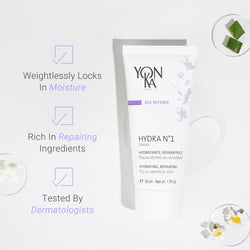
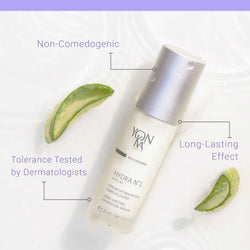
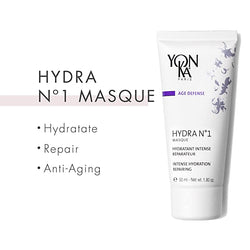
Before the tape is applied, the skin should be treated with high-performance botanicals. If you are targeting the appearance of fine lines, applying a serum like Serum C20 can provide potent antioxidant support and brightening benefits. For those needing intense hydration, the Hydra n°1 Crème provides a moisture-locking layer that ensures the skin remains plump under the tape.
Note: It is vital to let your moisturizer or serum absorb for at least 5 to 10 minutes before applying tape. The skin should feel "tacky" or soft, not slippery, to ensure the tape adheres properly without sliding or losing its corrective tension.
Step-by-Step: How to Tape Face for Wrinkles Overnight
Applying tape to the delicate skin of the face requires a precise and gentle touch. For best results, use a high-quality kinesiology tape or a specific beauty tape designed for sensitive skin. These tapes are designed to mimic the skin's own elasticity, allowing for a comfortable fit that doesn't feel overly restrictive.
Step 1: Measure and Cut Your Strips. Cut the tape into small, manageable pieces. Common shapes include horizontal strips for the forehead, small "V" shapes for the "11 lines" between the brows, and thin, diagonal strips for the nasolabial folds (smile lines).
Step 2: Anchor the Tape. Choose an "anchor point" where the muscle movement begins. For the forehead, this is usually near the hairline. For the area between the brows, start at the bridge of the nose. Apply the first half-inch of the tape without any tension.
Step 3: Smooth the Skin. Using your opposite hand, gently smooth the skin of the target area. You are not pulling the skin tight; you are simply ensuring it is in a relaxed, flat position.
Step 4: Lay the Tape with Zero Stretch. One of the most common mistakes is stretching the tape. This can create "tension blisters" or skin irritation. Lay the tape over the smoothed skin with 0% to 5% stretch. The goal is for the tape to hold the skin in its natural, relaxed state, not to "pull" the face into a different shape.
Step 5: Activate the Adhesive. Gently rub the tape with your finger once it is applied. The heat from your hand helps the medical-grade adhesive bond safely to the skin.
Step 6: Target Specific Concerns.
- Forehead: Place 2–3 horizontal strips across the mid-forehead to prevent horizontal lines.
- The "11s": Place a small "X" or "V" shape directly over the glabellar lines between the eyebrows.
- Smile Lines: Apply a strip diagonally from the corner of the nose toward the outer corner of the mouth, ensuring you aren't pulling the lip upward.
Step 7: Gentle Removal. In the morning, do not rip the tape off like a bandage. Use a small amount of facial oil to saturate the tape, which helps dissolve the adhesive. Peel the tape back slowly and horizontally, keeping it close to the skin surface to minimize pulling.
Maximizing Results with the Age Exception Collection
Face taping is a supportive mechanical tool, but the long-term appearance of youthful skin depends on the ingredients you feed it. For those focusing on deep wrinkle correction and firmness, we recommend the Excellence Code collection.
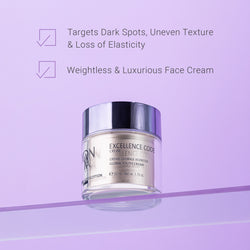
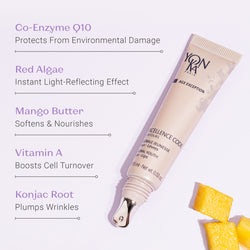
Excellence Code Crème is our premium youth-restoring treatment, designed for mature skin. It features botanical actives like silk tree and red algae that target the appearance of sagging and dullness. When you apply this cream before taping, the tape creates a mild occlusive effect, which can help the cream’s active ingredients penetrate more effectively.
By combining the manual "stillness" provided by the tape with the cellular support of our phyto-aromatic formulas, you are addressing wrinkles from both a physical and a biological perspective. This synergy is a hallmark of the professional spa expertise we have cultivated since 1954.
Myth: Face taping is a permanent alternative to clinical procedures like Botox. Fact: While taping helps relax muscles and prevents sleep creases, the effects are temporary. It is a fantastic preventative and maintenance tool, but it does not "paralyze" muscles in the way a neuromodulator does.
Safety, Sensitivity, and Essential Oils
Because Yon-Ka products are rich in active botanicals and essential oils, safety is always our priority. Most of our formulas are designed to be both effective and sensorial, but every skin type is unique.
Note: If you are new to using essential oils or adhesive tapes, we recommend a patch test. Apply a small piece of tape over a layer of your usual Yon-Ka moisturizer on your inner forearm and leave it for 24 hours. If you notice persistent redness or itching, discontinue the use of that specific tape.
A slight tingling sensation can be normal when using our phyto-aromatic mists like Lotion Yon-Ka PS, but your skin should never feel "hot" or irritated under the tape. If you have extremely sensitive skin or a known allergy to adhesives, you may prefer to skip the tape and instead focus on a deeper nightly massage with Serum Omega, which helps restore the skin's lipid barrier and provides a naturally smoothed appearance without the need for adhesive.
Integrating the Ritual into Your Lifestyle
Skincare should never feel like a chore; it is a moment of self-care. The process of applying tape can be a meditative end to your day. As you smooth the tape over your forehead or jawline, take a moment to breathe in the aromatic scents of lavender and rosemary from your routine.
While overnight taping is excellent for prevention, don't forget the power of professional touch. At Yon-Ka, our heritage is rooted in the treatment room. A professional facial at one of our 7,000 partner spas worldwide can provide deep connective tissue massage and lymphatic drainage that tape alone cannot replicate. You can use our Spa Locator to find a professional near you who can recommend the perfect combination of home care and professional treatments for your specific skin goals.
If you are unsure which products to layer beneath your tape, we invite you to take our Skin Diagnosis quiz. This tool will help you identify whether your skin needs more hydration, nourishment, or targeted age-correction actives to achieve the best results from your taping practice.
Conclusion
Face taping is a time-tested technique that offers a non-invasive way to support the skin's appearance overnight. By preventing sleep creases and encouraging facial muscles to relax, it serves as a valuable mechanical addition to a consistent skincare routine. However, the true "magic" happens when this practice is paired with high-performance, phyto-aromatic skincare. Using a gentle cleanser, a restorative mist, and a targeted moisturizer ensures that your skin is being nourished at a cellular level while the tape provides external support.
The Yon-Ka Paris mission has always been to harmonize the power of nature with scientific rigor. Whether you are using our iconic Quintessence or exploring the advanced actives in our Age Exception collection, remember that consistency is the key to any successful ritual. Savor the process, respect your skin's needs, and enjoy the refreshed, smoothed appearance that comes from a dedicated nightly program.
"Skincare is not just about correcting the past; it is about protecting the future of your skin through daily rituals that honor its natural rhythm."
- Step 1: Cleanse with a milk-based formula like Lait Nettoyant from our Face Cleansers & Makeup Removers collection.
- Step 2: Mist with Lotion Yon-Ka PS from our Toners & mists collection to hydrate and rebalance.
- Step 3: Apply a youth-restoring cream like Excellence Code Crème.
- Step 4: Apply tape with zero stretch to smoothed skin.
- Step 5: Remove gently in the morning using a facial oil.
FAQ
Can I use regular household tape for face taping?
No, you should never use office tape, duct tape, or any household adhesive on your face, as these are not designed for skin and can cause severe irritation, allergic reactions, or even "tear" the top layer of the skin. Always use medical-grade kinesiology tape or specialized beauty tapes that are breathable, hypoallergenic, and designed to move with the skin.
How often should I tape my face for wrinkles?
For the best results, consistency is key; many people find that taping 3 to 4 nights a week provides a noticeable difference in the appearance of morning sleep lines. However, it is important to listen to your skin and give it "rest nights" to ensure the skin barrier remains healthy and is not over-exfoliated by the adhesive.
Can face taping replace Botox or fillers?
Face taping is a mechanical support tool that helps prevent sleep creases and encourages muscle relaxation, but it does not provide the long-term muscle-paralyzing effects of Botox or the volume-filling effects of dermal fillers. It is best viewed as a natural, preventative maintenance step in a holistic skincare routine rather than a direct medical replacement.
Is face taping safe for people with sensitive skin?
Face taping can be safe for sensitive skin if you use a tape specifically designed for sensitivity and perform a 24-hour patch test first. It is also crucial to apply a barrier-supporting moisturizer like Hydra n°1 Crème before taping and to remove the tape very gently using a facial oil; if you are unsure which products fit your skin, try the Skin Diagnosis quiz.