Table of Contents
- Introduction
- The Science of Sleep Wrinkles vs. Expression Lines
- The Role of Sleep Positions
- Choosing the Right Materials
- The Power of Phyto-Aromatic Care
- A Targeted Nighttime Ritual for Resilience
- Key Ingredients for Nocturnal Restoration
- Addressing the Delicate Eye Area
- Professional Spa Support
- Conclusion
- FAQ
Introduction
Waking up to find deep, vertical creases etched across your cheeks or forehead can be a startling start to the morning. Unlike the "expression lines" that reflect a life full of laughter and emotion, these sleep-induced marks are the mechanical result of our skin being compressed and folded against a pillow for eight hours. At Yon-Ka Paris, we view the night as the most critical window for skin recovery, a time when the body shifts from protection to intensive repair. Understanding how to stop face wrinkles while sleeping involves a blend of physical adjustments and high-performance botanical care. This post covers the science behind sleep lines, the impact of sleep positions, and the phyto-aromatic rituals that support skin resilience. By aligning your evening routine with your skin's natural nocturnal rhythms, you can maintain a smooth, refreshed appearance long after the sun rises.
The Science of Sleep Wrinkles vs. Expression Lines
To effectively address morning creases, we must first understand what they are—and what they are not. Most of the wrinkles we discuss in skincare are "dynamic" lines, caused by the repetitive contraction of facial muscles when we smile, squint, or frown. Over time, these become "static" wrinkles that remain visible even when the face is at rest.
Sleep wrinkles are different. They are caused by "shear force"—the mechanical tension created when the skin is pushed, pulled, and folded against a surface. When you press your face into a pillow, gravity exerts a constant pressure that distorts the skin's dermal structure. In younger skin, high levels of collagen and elastin allow the tissue to "bounce back" quickly. However, as we age, our structural proteins diminish and the skin loses its snap, causing those temporary "pillow marks" to eventually become permanent indentations.
If you want to explore formulas built for this concern, our wrinkles and firmness collection is a practical next stop.
Key Takeaway: Sleep wrinkles are typically vertical or diagonal and appear on the forehead, cheeks, and chin. Because they are caused by external pressure rather than muscle movement, they often require different preventative strategies than traditional expression lines.
The Role of Sleep Positions
The most significant contributor to sleep wrinkles is your chosen sleeping position. While comfort is paramount for a good night's rest, certain habits can accelerate the appearance of aging.
The Side-Sleeper’s Dilemma
Side-sleeping is the most common position, but it is also the most likely to cause facial distortion. When you lie on your side, the weight of your head (which is surprisingly heavy) presses the skin of your cheek and eye area into the pillow. This creates vertical folds along the nasolabial folds (the lines from the nose to the corners of the mouth) and around the eyes. If you favor one side, you may notice that wrinkles appear deeper or more numerous on that specific half of your face.
For the eye area in particular, Phyto-Contour is a targeted option to keep in mind.
The Impact of Stomach Sleeping
Sleeping face-down is generally considered the most detrimental position for wrinkle prevention. It applies direct, even pressure across the entire face, often forcing the skin into unnatural folds for hours at a time. It also inhibits the skin’s ability to "breathe" and can lead to morning puffiness by obstructing lymphatic drainage.
The Gold Standard: Back Sleeping
Training yourself to sleep on your back is the single most effective physical change you can make. By keeping your face completely away from the pillow, you eliminate the mechanical stress that causes sleep lines. If you find it difficult to stay in this position, try placing a pillow under your knees to take pressure off your lower back, or use a U-shaped travel pillow to cradle your head and prevent rolling over during the night.
Choosing the Right Materials
If switching to back-sleeping feels impossible, the materials your face rests upon become your next line of defense. Standard cotton pillowcases, while breathable, have a relatively rough texture on a microscopic level. This creates friction, "grabbing" the skin and holding it in a folded position.
Silk and satin pillowcases allow the skin to glide across the surface rather than being tugged by it. These materials are also less absorbent than cotton. Cotton tends to soak up the moisture-rich creams and serums you apply before bed, whereas silk keeps those active ingredients on your skin where they belong.
Additionally, be mindful of your hand placement. Many people sleep with their hands tucked under their cheeks, which adds firm, bone-on-skin pressure that deepens creases. Try to keep your hands at chest level or away from the face entirely.
The Power of Phyto-Aromatic Care
At Yon-Ka, our approach to preventing sleep wrinkles combines pharmaceutical rigor with the sensorial power of plants. To stop face wrinkles while sleeping, the goal is to increase the skin's elasticity and "cushioning" effect. The more hydrated and resilient the skin is, the better it can withstand the pressure of a pillow.
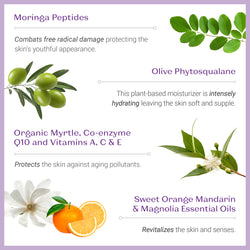
Our foundation is the Quintessence—an exclusive complex of five essential oils: lavender, geranium, rosemary, cypress, and thyme. This 100% natural and active core works to balance and revitalizing the skin. When used in a nighttime ritual, these botanicals support the skin’s nocturnal regeneration process while providing an aromachological benefit that promotes a sense of calm and better sleep quality.
Learn more about the brand’s botanical philosophy in our ingredients guide.
Note: When introducing new products containing essential oils, we always recommend a brief patch test on the inner forearm for 24 hours. Introduce one new formula at a time to allow your skin to adjust to the active botanical ingredients.
A Targeted Nighttime Ritual for Resilience
A consistent, layered routine is more effective than any single "miracle" product. To protect your skin against mechanical aging, follow this ritual designed to plump and reinforce the skin barrier.
Cleanse and Prepare
Begin with a gentle, barrier-respecting cleanser like Lait Nettoyant. This cleansing milk removes the day's impurities without stripping away essential lipids. Follow with a generous mist of Lotion Yon-Ka. This phyto-aromatic toner is alcohol-free and hydrates the skin while preparing it to absorb subsequent treatments. For nighttime, we recommend massaging the mist into the skin to stimulate microcirculation.
For more background on this classic step, visit the Lotion Yon-Ka spotlight.
Treat with Intensive Actives
Night is the ideal time for "resurfacing" and "rebuilding" ingredients.
- For smoothing texture: Use a product like Glyconight 10% Masque. This high-concentration glycolic acid mask works while you sleep to gently exfoliate and boost cell turnover, helping to reduce the appearance of existing sleep lines.
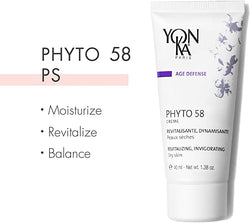
- For firming: Phyto 52 is a refined, fast-absorbing cream featuring rosemary. It provides a visible firming effect and helps "tighten" the look of the skin, making it more resistant to folding.
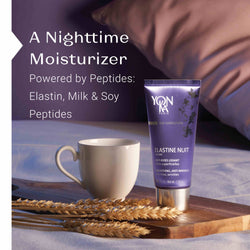
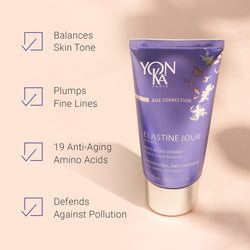
- For first wrinkles: Elastine Nuit uses peptides to support the skin’s natural elasticity, specifically targeting the appearance of emerging lines.
If you are building a broader anti-aging routine, the anti-aging collection and the best sellers collection are both helpful places to browse.
Moisturize and Seal
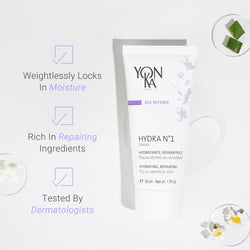
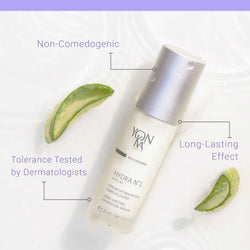
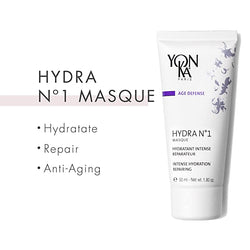
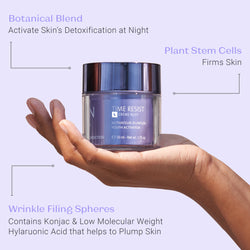
Deep hydration is your primary defense. Dehydrated skin is like dry paper; once folded, the crease remains. Hydrated skin is like a sponge—it bounces back. Finish your ritual with a rich moisturizer like Hydra n°1 Crème or Time Resist Nuit. These formulas provide the "slip" and volume necessary to keep the skin supple throughout the night.
If dehydration is a recurring issue, the dry and dehydrated skin collection can help narrow your options.
Key Ingredients for Nocturnal Restoration
When looking for products to stop face wrinkles while sleeping, focus on ingredients that improve "skin memory" and thickness.
- Hyaluronic Acid: A powerful humectant that draws moisture into the skin. In formulas like the Hydra n°1 range, it plumps the epidermis, creating a "cushion" that resists compression.
- Peptides: These chains of amino acids act as messengers, signaling the skin to support its natural collagen and elastin production. This reinforces the skin's internal architecture.
- Vitamin C: Found in our Serum C20, this potent antioxidant helps the skin recover from oxidative stress and supports a brighter, firmer appearance.
- Rosemary Oil: A key component in many of our firming formulas, it provides a revitalizing and "lifting" effect on the appearance of the skin's contours.
To go deeper on antioxidant care, the best Yon-Ka products for dry and dehydrated skin article is a useful companion read.
Addressing the Delicate Eye Area
The skin around the eyes is the thinnest on the body and often the first place sleep wrinkles appear. Side-sleeping frequently causes "crow's feet" to extend further toward the cheek. To protect this area, use a targeted treatment like Phyto-Contour. This rosemary-based cream is specifically designed to address puffiness and the appearance of dark circles, but its firming properties also help the delicate eye tissue resist the "scrunching" effect of a pillow.
For an extra layer of protection, consider a silk sleep mask. A high-quality silk mask provides a physical barrier between the eye area and the pillow, while also ensuring that your eye creams aren't absorbed by your bedding.
Professional Spa Support
While a home ritual is the foundation of healthy skin, professional treatments can take your results to the next level. In the treatment room, skincare professionals use specialized massage techniques and high-concentration professional formulas to deeply stimulate the skin.
Treatments like the Yon-Ka "Le Grand Classique" or targeted anti-aging facials help to maintain the skin’s elasticity and clear out the "stagnation" that can lead to morning puffiness. You can find a certified professional near you by using our Spa Locator.
Bottom line: Preventing sleep wrinkles requires a two-pronged approach: physical protection (back sleeping and silk surfaces) and chemical reinforcement (hyaluronic acid, peptides, and phyto-aromatic oils).
Conclusion
How to stop face wrinkles while sleeping is a question of both habit and hydration. By prioritizing back sleeping and switching to a friction-reducing silk pillowcase, you remove the mechanical causes of creases. Simultaneously, a dedicated nighttime ritual built on 70 years of French phyto-aromatic expertise ensures your skin is plump, resilient, and ready to repair itself while you rest. At Yon-Ka Paris, we believe that every evening is an opportunity to savor a ritual that honors your skin’s health and your overall wellbeing.
- Switch to your back: Use pillows to stay positioned and prevent facial compression.
- Hydrate deeply: Use humectant-rich serums and creams to keep skin "plump."
- Use silk: Reduce friction with silk pillowcases or sleep masks.
- Consistency is key: Results in skin elasticity and appearance are built over time through daily rituals.
If you are unsure which nocturnal treatments are best for your specific skin type, we invite you to take our Skin Diagnosis quiz or use the Product Matcher on our website.
"Skincare is not just a routine; it is a moment of connection between the power of nature and the wisdom of the body."
FAQ
Can silk pillowcases really prevent wrinkles?
Yes, silk pillowcases help reduce the appearance of sleep wrinkles by providing a smooth surface that allows the skin to glide rather than pull. Unlike cotton, silk creates less friction and does not absorb the moisture or skincare products from your face, keeping your skin better hydrated throughout the night.
How long does it take for sleep wrinkles to become permanent?
In younger skin, sleep lines are temporary and usually disappear within an hour of waking. However, as collagen and elastin levels decline with age (typically starting in the late 20s or 30s), the skin loses its ability to bounce back, and these repeated mechanical folds can eventually become permanent deep creases.
Is it possible to train myself to sleep on my back?
Yes, although it takes persistence. You can use a U-shaped travel pillow to keep your head centered or place a long "body pillow" or rolled-up towels along your sides to prevent you from rolling onto your stomach or side during the night.
Does hyaluronic acid help with sleep wrinkles?
Hyaluronic acid is excellent for sleep wrinkle prevention because it is a humectant that plumps the skin with moisture. By increasing the skin's volume and "cushion," it makes the tissue more resilient against the mechanical pressure of the pillow, helping it resist folding.