Table of Contents
- Introduction
- Understanding the Fragility of the Eye Contour
- Kitchen Remedies vs. Botanical Science
- The Power of Phyto-Aromatic Science
- Building a Natural Eye Ritual at Home
- Natural Massage Techniques for Eye Rejuvenation
- Lifestyle Foundations for Smoother Eyes
- Myth vs. Fact: Natural Eye Care
- Protecting Your Progress
- Safety and Sensitivity
- Conclusion
- FAQ
Introduction
The skin surrounding your eyes is often the first to whisper the stories of a life well-lived, reflecting every smile, squint, and late-night conversation. Because this delicate tissue is significantly thinner than the rest of the face, it requires a unique, gentle approach to maintain its youthful vibrancy. Many individuals seek ways to address these fine lines and "smile lines" using botanical wisdom and non-invasive methods that respect the skin’s natural balance. At Yon-Ka Paris, we have spent seven decades perfecting the fusion of aromatherapy and phytotherapy to support the skin's longevity. This guide explores how to remove eye wrinkles naturally at home by combining traditional botanical remedies with professional-grade phyto-aromatic rituals. We will cover the science of eye aging, effective natural ingredients, and the lifestyle habits that sustain a smoothed, rested appearance.
Quick Answer: To address eye wrinkles naturally at home, focus on deep hydration and antioxidant protection. Use botanical extracts like rosemary and beech bud to firm the appearance of the skin, and implement a consistent ritual of gentle cleansing, toning mists, and targeted phyto-aromatic eye creams.
Understanding the Fragility of the Eye Contour
Before exploring treatments, it is essential to understand why the eye area is so prone to wrinkling. The skin here is approximately 0.04 millimeters thick—roughly the thickness of three or four sheets of tissue paper. Unlike the skin on your forehead or cheeks, the eye contour has very few sebaceous glands (oil glands), meaning it cannot easily lubricate itself. This lack of natural moisture makes the area highly susceptible to dehydration, which causes fine lines to look deeper and more permanent.
The muscles around the eyes, known as the orbicularis oculi, are also some of the most active in the human body. We blink upwards of 10,000 times a day and use these muscles for every facial expression. This constant mechanical stress leads to "dynamic wrinkles"—lines that appear during movement. Over time, as our natural production of collagen (the protein that provides structure) and elastin (the protein that provides snap-back) slows down, these dynamic lines can settle into "static wrinkles," which remain visible even when the face is at rest.
Environmental factors also play a critical role. Exposure to UV rays, blue light from digital screens, and pollution creates oxidative stress. This process releases free radicals—unstable molecules that break down the healthy proteins in your skin. Because the eye area is so thin, this environmental damage occurs more rapidly here than anywhere else on the face.
Kitchen Remedies vs. Botanical Science
When researching how to remove eye wrinkles naturally at home, you will often find suggestions involving common household items. While these can offer temporary relief, it is helpful to distinguish between a "quick fix" and a long-term botanical strategy.
The Role of Cooling Compresses
Cucumber slices and chilled green tea bags are classic home remedies for a reason. The cold temperature helps constrict blood vessels, which can temporarily reduce puffiness and give the skin a tighter look. Green tea specifically contains polyphenols and a small amount of caffeine, which provides antioxidant protection. While these are excellent for a Sunday morning refresh, they do not provide the concentrated active ingredients needed to support the skin's deeper structural integrity over time.
Aloe Vera and Botanical Hydration
Aloe vera is a powerhouse of vitamins C and E. Applied topically, it can help bind moisture to the skin's surface, softening the look of dehydration lines. However, for significant results, the skin often requires more sophisticated delivery systems. This is where phytotherapy (plant-based therapy) excels. By using professional-grade botanical extracts—such as those found in our Age Correction collection—you can deliver the benefits of plants like beech buds or soy peptides in formulas designed to penetrate and support the skin barrier effectively.
Natural Oils and Lipids
Ingredients like coconut oil or almond oil are frequently recommended for their fatty acid content. While these are nourishing, they can sometimes be too heavy for the thin eye area, occasionally leading to "milia"—tiny white bumps caused by trapped keratin. A more refined approach involves using targeted oils like rosehip or the essential oils found in the Yon-Ka Quintessence, which provide the benefits of lipids without the heaviness that leads to congestion.
The Power of Phyto-Aromatic Science
Our approach to eye care is rooted in the belief that plants hold the most potent solutions for skin longevity. We utilize a precise combination of plant sciences to address the appearance of wrinkles without harsh chemicals.
The Quintessence Foundation
At the heart of our formulations is our Quintessence, an exclusive complex of five essential oils: lavender, geranium, rosemary, cypress, and thyme. This 100% natural and active blend does more than just provide a sensorial experience. For the eye area, rosemary is a hero ingredient. It is known for its ability to support microcirculation and provide a "firming" sensation to the skin. When you use a product like Phyto-Contour, the high concentration of rosemary helps to drain and decongest the tissue, reducing the look of morning puffiness and smoothing the appearance of fine lines.
Beech Bud Extracts and Peptides
To address the look of deeper wrinkles, we look to "the tree of eternal youth"—the beech tree. Beech bud extracts are rich in flavonoids and amino acids that help to smooth the skin’s micro-relief. When combined with soy peptides, which support the appearance of skin firmness, these botanicals offer a powerful natural alternative to synthetic anti-aging ingredients. You can find these actives in our Advanced Optimizer collection, which is designed to provide a "lifting" effect for the eye and neck areas.
Key Takeaway: While kitchen remedies like cucumbers offer temporary soothing, long-term eye rejuvenation requires concentrated botanical actives like rosemary, beech bud, and peptides to support the skin's structure and micro-relief.
Building a Natural Eye Ritual at Home
A consistent, layered ritual is far more effective than an occasional "hero" product. By following a structured approach, you ensure the delicate eye tissue is prepared to receive and retain the benefits of your botanical treatments.
Step 1: Respectful Cleansing
The eye area should never be scrubbed. Use a gentle, barrier-respecting cleansing milk like Lait Nettoyant. Apply it with your ring fingers—your weakest fingers—using light, circular motions. This removes impurities and makeup without tugging on the fragile skin. Rinse with lukewarm water, as hot water can strip the few natural oils the eye area possesses.
Step 2: Phyto-Aromatic Preparation
After cleansing, mist your face with Lotion Yon-Ka PS. This iconic phyto-aromatic mist, featuring our signature Quintessence, hydrates and energizes the skin. It acts as a "carrier," helping subsequent serums and creams absorb more deeply. Never skip this step; a damp skin surface is significantly more permeable than a dry one.
Step 3: Targeted Eye Treatment
Select an eye cream that addresses your specific concern.
- For Puffiness and Fine Lines: Use Phyto-Contour. This rosemary-rich cream is a favorite for its "anti-fatigue" effect.
- For First Signs of Aging: Try Alpha-Contour, which uses fruit acids (AHAs) to gently exfoliate and smooth the skin's surface.
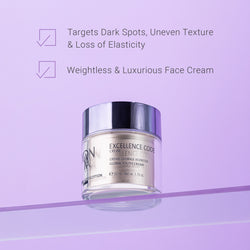
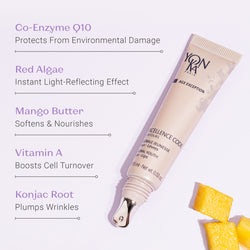
- For Mature Skin: Excellence Code Contours offers a comprehensive approach to wrinkles, dark circles, and loss of firmness using organic ingredients.
Step 4: The Application Technique
Place a small, pea-sized amount of product on your ring finger. Gently dab the cream along the orbital bone—the bony ridge around your eye. Start from the inner corner and move outward toward the temples. Avoid applying product too close to the lash line, as the natural warmth of your skin will cause the product to migrate toward the eye itself.
Natural Massage Techniques for Eye Rejuvenation
Facial massage is a centuries-old practice that can significantly enhance your at-home eye care. For a professional version of this ritual, explore our Eye & Lip Perfection Treatment. By improving blood flow and encouraging lymphatic drainage, you can reduce the appearance of fluid retention and "lift" the look of the brow.
- The Piano Touch: After applying your eye cream, use your fingertips to gently "play the piano" around the eye area. This light tapping sensation stimulates the skin and helps with product absorption.
- The Brow Lift: Using your index and middle fingers, gently "pinch" your eyebrows, starting at the bridge of the nose and moving outward. This helps release tension in the muscles that cause scowling lines.
- The Drainage Stroke: Using the pads of your ring fingers, sweep very gently from the inner corner of the under-eye area out toward the ears. This encourages the drainage of excess fluid that can stretch the skin and cause "bags."
Note: Always perform these movements on skin that has "slip" from an eye cream or oil. Never tug or pull on dry skin, as this can create more fine lines than it prevents.
Lifestyle Foundations for Smoother Eyes
External treatments are only half of the equation. To truly remove the appearance of eye wrinkles naturally at home, you must support your skin from the inside out.
The Power of Hydration and Diet
Dehydration is the most common cause of "crepey" skin. Ensure you are drinking at least eight glasses of water a day. Additionally, incorporate "water-rich" foods into your diet, such as cucumber, watermelon, and celery. Foods rich in Omega-3 fatty acids—like walnuts, flaxseeds, and wild-caught fish—help to fortify the skin’s lipid barrier, keeping moisture locked in. For more hydration support, revisit 5 Tips to Always Keep Your Skin Hydrated.
Sleeping Habits
The way you sleep can contribute to "sleep wrinkles." If you sleep on your side or stomach, your face is pressed against the pillow for hours, creating folds that eventually become permanent. Try to sleep on your back. To further reduce friction, switch to a silk or satin pillowcase. Silk does not absorb your skin's natural oils (or your expensive eye cream) the way cotton does, and it allows the skin to glide rather than bunch up.
Digital Eye Strain
We spend a significant portion of our lives looking at screens. "Computer vision syndrome" often leads to constant squinting, which accelerates the formation of crow's feet. Follow the 20-20-20 rule: every 20 minutes, look at something 20 feet away for 20 seconds. This relaxes the eye muscles and prevents the repetitive movements that lead to deep lines.
Myth vs. Fact: Natural Eye Care
Myth: "Eye creams are just expensive face moisturizers." Fact: Eye creams are formulated with smaller molecules to penetrate the thin eye tissue and exclude ingredients that might migrate and irritate the sensitive ocular membrane. Using a heavy face cream near the eyes can actually cause puffiness.
Myth: "I don’t need eye care until I see wrinkles." Fact: Prevention is the most effective form of eye care. Starting a hydrating, antioxidant-rich eye ritual in your 20s can significantly delay the appearance of static wrinkles later in life.
Myth: "Essential oils are too strong for the eyes." Fact: When professionally formulated in the correct concentrations—like the rosemary in Phyto-Contour—essential oils are both safe and highly effective at addressing specific concerns like drainage and firming.
Protecting Your Progress
Even the most meticulous eye care routine can be undone by sun exposure. The sun's UVA rays are present year-round and can penetrate clouds and glass. These rays break down collagen and elastin, leading to premature aging.
In addition to using a daily SPF, wear high-quality sunglasses that offer 100% UV protection. Not only do they protect the skin from direct damage, but they also prevent the squinting that creates lateral canthal lines (crow's feet). If you spend a lot of time outdoors, consider a wide-brimmed hat as an extra layer of "natural" protection for the delicate eye zone.
If you are unsure which botanical ritual is right for your specific needs, we invite you to take our Skin Diagnosis quiz or use our Product Matcher on our website. This will help you identify the precise plant-based formulas to target your concerns.
For a deeper, professional experience, you can find a Yon-Ka professional at a spa near you using our Spa Locator.
Safety and Sensitivity
When introducing any new botanical product to your routine, we recommend a simple patch test. Apply a small amount of the product to your inner forearm and wait 24 hours to ensure your skin is comfortable with the active ingredients.
Because we use pure essential oils and active plant extracts, you may feel a slight, brief tingling sensation—this is often a sign of the botanicals "waking up" the skin's microcirculation. However, if you experience persistent redness or irritation, reduce the frequency of use or consult your skincare professional. If you have a history of severe allergies or chronic skin conditions, always check with a physician or dermatologist before beginning a new regimen.
Conclusion
Addressing eye wrinkles naturally at home is a journey of consistency, patience, and respect for your skin's unique biology. By moving away from aggressive "fixes" and toward a ritual rooted in phyto-aromatic science, you can support a complexion that looks as vibrant and expressive as you feel. Whether it is the decongesting power of rosemary or the deep hydration of beech bud, the plant world offers everything necessary to maintain a smooth, rested appearance.
At Yon-Ka Paris, our mission remains what it was in 1954: to provide the most effective, plant-based skincare that honors both the skin and the senses. For more on that heritage, see our story. We believe that beauty is found in balance, and through the power of the Quintessence, we help you achieve a radiant, youthful look that stands the test of time.
Key Takeaway: The most effective way to address eye wrinkles naturally is a holistic approach combining professional botanical formulas like Phyto-Contour, mindful massage techniques, and lifestyle habits like back-sleeping and sun protection.
To begin your journey toward a smoother eye contour, we encourage you to explore our Age Correction and Age Defense collection.
FAQ
Can natural remedies really remove deep eye wrinkles?
While natural home remedies and botanical products can significantly soften the appearance of fine lines and improve skin texture, "removing" deep, permanent wrinkles usually requires professional intervention. However, consistent use of phyto-aromatic treatments can prevent lines from deepening and provide a visible "plumping" and firming effect that makes wrinkles much less noticeable. For a more targeted next step, browse our Eye & Lip Contours collection.
How long does it take to see results from a natural eye routine?
Skincare is a marathon, not a sprint. While ingredients like rosemary can provide an immediate decongesting and tightening effect, structural changes in the skin typically take 28 to 40 days—the length of a full skin cell turnover cycle. You will likely see improved hydration within days, but significant smoothing of lines usually requires 4 to 8 weeks of consistent use.
Is coconut oil good for under-eye wrinkles?
Coconut oil is a natural emollient that can help moisturize the skin, but it may not be the best choice for the eye area. Its molecular structure is relatively large, meaning it sits on the surface rather than penetrating the thin eye tissue, and its comedogenic nature can lead to milia (small white bumps). It is generally better to use a formulated eye cream that contains refined plant oils and active botanical extracts.
Does facial massage really help with eye wrinkles?
Yes, when done correctly and gently. Facial massage improves blood circulation, which brings fresh oxygen and nutrients to the skin cells. It also encourages lymphatic drainage, which reduces the puffiness that can stretch and weaken the skin over time. The key is to use very light pressure and always apply a product first to avoid pulling the skin.
What is the best age to start using an eye cream?
We recommend starting a preventative eye care routine in your early to mid-20s. This is the stage when the skin's natural collagen production begins to slow down. Starting early with hydrating and antioxidant-rich botanicals helps to build a strong skin barrier and delays the onset of visible aging.