Table of Contents
- Introduction
- Why the Eye Area Shows Aging First
- The Essential Foundation: Skincare as a Primer
- Step-by-Step: How to Cover Eye Wrinkles with Makeup
- Comparison: Skincare Prep vs. Makeup Application
- Advanced Ingredients for Long-Term Smoothing
- The Yon-Ka Ritual for Age Defense
- Essential Oil Safety and Sensitivity
- Professional Treatments for Next-Level Results
- Common Myths About Covering Eye Wrinkles
- Lifestyle Choices That Support Smooth Skin
- Conclusion
- FAQ
Introduction
Waking up to a refreshed, bright-eyed appearance is a goal many of us share, yet the delicate skin around our eyes often tells a different story. Whether it is the result of a late night, years of joyful laughter, or the natural progression of time, fine lines and wrinkles in this area are a common concern. While these marks are a beautiful testament to a life well-lived, there are moments when we want to refine our look and achieve a smoother canvas for our daily rituals. At Yon-Ka Paris, we believe that the secret to successfully concealing these lines lies in the harmony between professional-grade skincare and mindful makeup application. This post explores how to cover eye wrinkles by addressing the root causes and mastering the art of the perfect, crease-free finish.
Quick Answer: To cover eye wrinkles effectively, prioritize deep hydration with a targeted eye cream before applying a lightweight, serum-based concealer. Use a "less is more" approach, blending with a damp sponge and setting only the inner corners with a minimal amount of translucent powder to prevent creasing.
Why the Eye Area Shows Aging First
To understand how to cover eye wrinkles, we must first recognize why this specific area is so prone to texture and fine lines. The skin surrounding our eyes is significantly thinner and more fragile than the skin on our cheeks or forehead. It contains fewer oil glands and less fatty tissue, meaning it lacks the built-in cushioning and natural moisture found elsewhere on the face.
The Role of Collagen and Elastin
Collagen and elastin are the structural proteins that give our skin its bounce and firmness. As we age, our natural production of these proteins slows down. Because the eye area is already delicate, this loss of support becomes visible here first. This often manifests as "crow’s feet" at the outer corners or fine "crinkle" lines directly underneath the eye.
Repetitive Movement and Expression
Our eyes are the most expressive part of our face. Every time we smile, squint, or blink, the muscles around the eyes contract, folding the skin. Over thousands of repetitions, these dynamic lines—which appear only during movement—gradually become static lines that remain visible even when the face is at rest.
Environmental Stressors
The eye area is frequently exposed to environmental aggressors like UV radiation and blue light from digital screens. These factors can accelerate the breakdown of healthy skin cells, leading to a duller appearance and more pronounced texture. Furthermore, dehydration can make existing lines look much deeper than they actually are, similar to how a dry sponge looks shriveled until it is soaked in water.
The Essential Foundation: Skincare as a Primer
The most common mistake when trying to cover eye wrinkles is reaching for a heavy concealer before properly preparing the skin. If the canvas is dry or uneven, any makeup applied on top will inevitably settle into lines, emphasizing the very texture you are trying to hide. At Yon-Ka, we view skincare as the non-negotiable first step of your makeup routine.
Gentle Cleansing and Toning
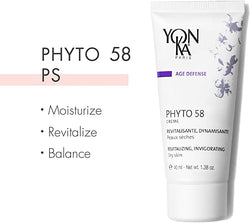
A smooth finish starts with a clean surface. Using a gentle, barrier-respecting cleanser like Lait Nettoyant ensures that you remove impurities without stripping the delicate eye area of its essential lipids. Following your cleanse, a mist of Lotion Yon-Ka PS—our signature phyto-aromatic toner—prepares the skin to better absorb subsequent treatments. This "misting" step is vital because damp skin is more permeable than dry skin.
Targeted Eye Treatments
When selecting a product to prep the eyes for makeup, look for formulas that offer both immediate smoothing and long-term support.
- For Puffiness and Dark Circles: If your wrinkles are accompanied by morning puffiness, Phyto-Contour is a professional favorite. This rosemary-infused cream provides a "drainage" effect that helps the eyes look more awake and firm.
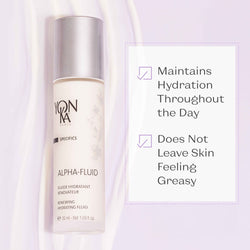
- For Fine Lines and Smoothing: Alpha-Contour uses fruit acids (AHAs) and beech bud peptides to gently resurface the skin’s appearance. It acts as a natural "blurring" treatment, making it an excellent base for concealer.
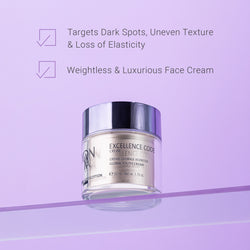
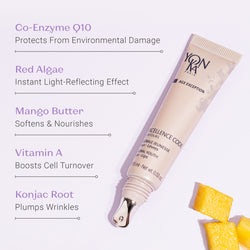
- For Mature Skin: For those seeking to address more pronounced signs of aging, Excellence Code Contours offers a rich, lifting effect that helps the eye and lip areas look redefined and plumped.
Key Takeaway: You cannot successfully cover wrinkles on dehydrated skin. A targeted eye treatment provides the necessary slip and hydration to keep makeup from cracking or settling into creases throughout the day.
Step-by-Step: How to Cover Eye Wrinkles with Makeup
Once the skin is properly hydrated and prepped, the goal of makeup is to unify the skin tone without adding heavy weight. The "less is more" philosophy is the golden rule for mature eyes.
Step 1: Choosing the Right Formula
Avoid heavy, "full coverage" matte concealers. These formulas are often high in pigment and low in moisture, which causes them to dry down into a mask-like finish that highlights every fine line. Instead, opt for a creamy, serum-based concealer with light-to-medium buildable coverage. Look for ingredients like glycerin or hyaluronic acid within the makeup formula to maintain a dewy appearance.
Step 2: Strategic Placement
Do not apply concealer in a large triangle shape under the whole eye. This adds too much product to the outer corners where crow’s feet are most active. Instead, place a small dot of concealer at the inner corner (where darkness is usually deepest) and another tiny dot at the very outer corner, angled slightly upward toward the temple. This creates a "lifted" look while keeping the center of the under-eye area clear of heavy product.
Step 3: The Blending Technique
Avoid rubbing the product in, as this can irritate the thin skin and shift your skincare base. Instead, use a damp beauty sponge or the tip of your ring finger to gently "stipple" or press the concealer into the skin. The warmth of your finger helps the product melt into the skin, while a damp sponge ensures any excess product is lifted away, leaving only the necessary coverage behind.
Step 4: The Minimalist Set
Powder is often the enemy of eye wrinkles, but it is necessary to prevent the concealer from sliding. The trick is to use a translucent, finely milled loose powder and a small, fluffy brush. Tap off almost all the powder until the brush looks nearly empty, then lightly press it only on the inner half of the under-eye area. Avoid powdering the outer corners where wrinkles are more likely to move and "crack" the powder.
Comparison: Skincare Prep vs. Makeup Application
| Feature | Skincare Prep (The Foundation) | Makeup Application (The Coverage) |
|---|---|---|
| Primary Goal | Plump and smooth skin texture. | Even out skin tone and discoloration. |
| Key Products | Hydra n°1 Crème, Phyto-Contour. | Serum-based concealer, translucent powder. |
| Application Tool | Clean fingertips (ring finger). | Damp sponge or soft blending brush. |
| The Result | Prevents makeup from "sinking" into lines. | Masks the shadow cast by the wrinkle. |
Advanced Ingredients for Long-Term Smoothing
While makeup provides an immediate solution, consistent use of high-performance botanical ingredients can improve the appearance of skin texture over time, making it easier to cover eye wrinkles with less makeup.
Hyaluronic Acid for Plumping
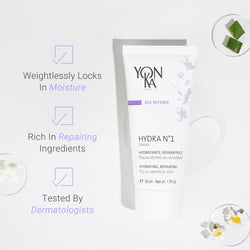
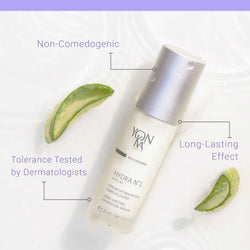
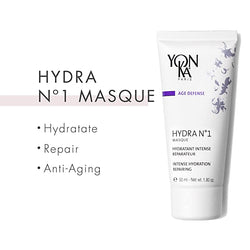
Hyaluronic acid is a powerhouse humectant that can hold many times its weight in water. When applied to the eye area, it helps to "fill in" the look of fine lines from the inside out. Our Hydra N°1 Creme prioritizes this deep hydration, ensuring the skin remains supple and resistant to creasing.
For drier complexions, the Dry & Dehydrated Skin collection is a logical next step.
Vitamin C for Brightening
Darkness under the eyes can often make wrinkles look deeper because of the shadows they create. Using a stable Vitamin C treatment, such as Serum C20, helps to brighten the overall tone of the skin. A brighter under-eye area reflects more light, naturally "blurring" the appearance of wrinkles even before concealer is applied.
Peptides and Beech Buds
Peptides act as messengers to the skin, encouraging a firmer and more resilient appearance. Beech bud extracts help to smooth the skin's surface. For a deeper look at the botanical base behind these formulas, see our ingredients.
The Yon-Ka Ritual for Age Defense
We believe that skincare is a ritual, not a chore. To address eye wrinkles comprehensively, your routine should flow logically to maximize the efficacy of each plant-based ingredient.
- Cleanse: Use Lait Nettoyant to gently remove debris and makeup without tugging at the eyes.
- Mist: Apply Lotion Yon-Ka PS to hydrate and revitalize. The aromatic scents of lavender, geranium, rosemary, cypress, and thyme provide a sensorial experience that calms the mind.
- Treat: Apply your chosen eye contour cream. Remember to use your ring finger and tap gently along the orbital bone, moving from the inner corner outward.
- Boost: If the skin is exceptionally dry, add a drop of Serum Omega to your moisturizer to reinforce the skin’s lipid barrier.
- Moisturize: Apply a day cream like Vital Defense to protect against environmental pollution, which can exacerbate the appearance of aging.
Essential Oil Safety and Sensitivity
Because our formulas are powered by the Quintessence—our exclusive complex of five essential oils—and other potent botanicals, they are both active and effective. If you are introducing a new product to your eye ritual, we recommend a simple patch test on your inner forearm for 24 hours to ensure compatibility.
Note: When applying products near the eyes, stay on the orbital bone (the firm bone surrounding the eye socket). The product will naturally "travel" slightly as it warms to your skin temperature, ensuring the delicate tissue is treated without the product getting directly into the eyes.
A slight tingling sensation can be normal when using active botanical ingredients, especially those containing rosemary or fruit acids. However, if you experience persistent redness or irritation, reduce the frequency of use or consult with a skincare professional.
Professional Treatments for Next-Level Results
While a dedicated home routine is the foundation of healthy skin, professional intervention can provide a significant boost. At Yon-Ka, our roots are firmly planted in the professional spa environment. Over 7,000 skincare professionals worldwide trust our methods to deliver visible results.
A professional eye treatment at a Yon-Ka partner spa often includes Spa Treatments that encourage lymphatic drainage and the application of professional-only masks that provide intensive hydration.
If you find that home products are not giving you the "lift" you desire, visiting our Spa Locator to find a certified professional in your area can be a transformative step in your skincare journey.
Common Myths About Covering Eye Wrinkles
Myth: Using a thicker, full-coverage concealer is the best way to hide deep wrinkles. Fact: Heavy products actually emphasize texture. As the face moves throughout the day, thick makeup migrates into the folds of the wrinkles, making them appear more prominent. A lightweight, hydrating formula is always the better choice for mature skin.
Myth: You should skip moisturizer under your eyes if you have oily skin to prevent makeup from sliding. Fact: Even oily skin can be dehydrated, especially around the eyes. Skipping moisture causes the skin to "drink" the water out of your concealer, leaving the dry pigment behind to settle into lines. Use a gel-based hydrator like Alpha-Contour for a non-greasy finish.
Lifestyle Choices That Support Smooth Skin
How we live impacts how we age. To complement your skincare and makeup efforts, consider these practical adjustments:
- Hydration: Drinking adequate water ensures your skin cells are hydrated from the inner layers.
- Sleep: During deep sleep, the body undergoes its most intensive repair processes. Elevating your head slightly with an extra pillow can also prevent fluid from pooling under the eyes, which stretches the skin over time.
- Sun Protection: Always wear sunglasses with UV protection. This prevents you from squinting (which causes lines) and protects the thin skin from sun damage.
- Diet: Incorporate foods rich in Omega-3 fatty acids and antioxidants to support the skin's natural barrier and defense mechanisms.
Bottom line: Covering eye wrinkles is a two-part process—skincare provides the smooth surface and hydration, while mindful, minimalist makeup application provides the finishing touch of color and light.
Conclusion
Mastering how to cover eye wrinkles is less about "hiding" and more about "enhancing." By prioritizing the health and hydration of the delicate eye area with professional-grade botanicals, you create a canvas that requires far less makeup to look its best. Whether you are using the rosemary-powered Phyto-Contour to awaken the eyes or the peptide-rich Alpha-Contour to smooth the appearance of fine lines, consistency is the key to lasting results.
Since 1954, Yon-Ka Paris has been a pioneer in phyto-aromatic skincare, blending the rigorous science of pharmaceutical-grade production with the soul-soothing benefits of aromatherapy. Our family-founded brand remains dedicated to the belief that every person deserves a skincare ritual that is as effective as it is pleasurable. We invite you to explore our collection and discover the power of our signature Quintessence. Read more in About Us.
- Prioritize hydration with a targeted eye cream before makeup.
- Use a lightweight, serum-based concealer only where needed.
- Avoid heavy powder on the outer corners of the eyes.
- Support your results with consistent lifestyle habits and professional treatments.
"Skincare is not just a routine; it is a moment of connection with oneself. When we treat the delicate areas of our face with respect and high-quality botanicals, we are honoring our journey and our beauty at every age." — The Yon-Ka Paris Philosophy
To find the perfect products for your unique skin needs, we invite you to take our Product Matcher on our website.
You can also explore our full range of Eye & Lip Contours collection to find your new favorite ritual essential.
FAQ
What is the best type of concealer for eye wrinkles?
The best concealer for covering eye wrinkles is a lightweight, serum-based formula with light-to-medium coverage. Avoid matte or "all-day wear" heavy creams, as these tend to dry out and settle into fine lines. Look for hydrating ingredients like glycerin or hyaluronic acid within the makeup to maintain a smooth, skin-like finish.
How can I stop my concealer from creasing in my wrinkles?
Creasing usually happens because too much product was applied or the skin was dehydrated. To prevent this, apply a thin layer of eye cream like Alpha-Contour first, use only a tiny amount of concealer, and blend thoroughly with a damp sponge. Finish by lightly setting only the areas prone to movement with a minimal amount of translucent powder.
Should I use an eye cream in the morning if I am wearing makeup?
Yes, using an eye cream in the morning is essential for a smooth makeup application. It provides the hydration and "slip" needed for concealer to blend seamlessly without tugging. For daytime, choose a formula that absorbs quickly and doesn't leave a greasy residue, such as Phyto-Contour or Alpha-Contour, which are designed to work well under cosmetics.
Can eye wrinkles be permanently removed with skincare?
Skincare products are designed to improve the appearance of wrinkles, but they cannot permanently remove them or stop the natural aging process. Consistent use of products containing peptides, hyaluronic acid, and antioxidants can significantly smooth the look of lines and prevent new ones from appearing prematurely. For more dramatic changes, you may wish to consult a dermatologist about professional procedures.