Table of Contents
- Introduction
- Why the Under-Eye Area is Unique
- The Leading Causes of Under-Eye Creasing
- Essential Habits for Prevention
- The Power of Phyto-Aromatic Ingredients
- Building Your Yon-Ka Eye Ritual
- Nutrition and Lifestyle for Radiant Eyes
- Professional Treatments and the Spa Connection
- Maintaining Realistic Expectations
- Conclusion
- FAQ
Introduction
The skin surrounding our eyes is often the first to whisper the story of our lives, reflecting every shared laugh, late-night conversation, and sunny afternoon spent outdoors. This area is naturally delicate and thin, making it prone to showing early signs of aging such as fine lines and creases. While aging is a beautiful, natural progression, many of us seek to preserve the smooth, vibrant appearance of our gaze for as long as possible. At Yon-Ka Paris, we believe that the journey to resilient skin is rooted in a blend of consistent rituals, high-performance botanicals, and a deep respect for the skin’s physiology. This article will explore why under-eye wrinkles form, how to adjust your daily habits for prevention, and which phyto-aromatic ingredients provide the most effective support. By understanding the unique needs of this fragile area, you can build a lifestyle and a ritual that maintains a youthful, refreshed look.
Quick Answer: To avoid wrinkles under the eyes, prioritize broad-spectrum sun protection, maintain deep hydration with hyaluronic acid and peptides, and adopt a gentle "tapping" application technique. Consistent sleep, a nutrient-dense diet, and targeted botanical eye treatments can further support the skin’s appearance and resilience over time.
Why the Under-Eye Area is Unique
To understand how to avoid wrinkles under the eyes, we must first look at the anatomy of the skin in this specific region. The skin here is roughly four times thinner than the skin on the rest of your body. Because it lacks a significant number of sebaceous glands (the glands that produce oil to keep skin moisturized) and has very little subcutaneous fat, it is naturally more susceptible to dryness and environmental damage.
The structural integrity of this skin relies on two primary proteins: collagen and elastin. Collagen provides the skin with its strength and firmness, acting like the scaffolding of a building. Elastin, as the name suggests, gives the skin its "snap back" quality, allowing it to return to its original shape after a facial expression. In the under-eye area, these proteins are present in lower concentrations, meaning that once damage occurs, it becomes visible much faster than it might on the forehead or cheeks.
Understanding Static and Dynamic Wrinkles
Not all wrinkles are created equal. When focusing on prevention, it helps to distinguish between the two main types of lines you may encounter.
- Dynamic Wrinkles: These are the lines that appear only when you are making a facial expression. When you smile, squint, or laugh, the muscles contract and fold the skin. In younger skin, these lines disappear as soon as the face is at rest.
- Static Wrinkles: Over time, repeated muscle contractions, combined with the loss of collagen and elastin, cause these lines to remain visible even when your face is completely relaxed. These are often the result of environmental damage and the natural aging process.
By addressing both the movement of the face and the structural health of the skin, you can effectively manage the appearance of both types of lines.
The Leading Causes of Under-Eye Creasing
While aging is the most obvious factor, several external and internal influences contribute to the formation of lines under the eyes. Recognizing these triggers is the first step in a successful prevention strategy.
1. UV Exposure and Photoaging The sun is the primary cause of premature aging. UV rays penetrate the skin and break down the collagen fibers in the dermis (the deeper layer of the skin). This process, known as photoaging, leads to a "crepey" texture and the formation of deep-set lines. Since many people avoid applying heavy sunscreen too close to their lash line to prevent stinging, the eye area often remains under-protected.
2. Repetitive Facial Movements Expressions are a vital part of communication, but constant squinting—whether due to bright sunlight or straining to see a computer screen—accelerates the breakdown of elastin. Over years, these micro-movements etch lines into the skin.
3. Blue Light and Digital Strain Modern life involves significant time in front of digital devices. The high-energy visible (HEV) light, or "blue light," emitted by phones and laptops can contribute to oxidative stress in the skin. Furthermore, "tech neck" and the habit of squinting at small text create a physical environment where eye wrinkles can flourish.
4. Dehydration When the skin is dehydrated, it loses its plumpness, and existing fine lines become far more pronounced. Dehydration can be caused by external factors like cold weather or harsh soaps, as well as internal factors like not drinking enough water or consuming too much caffeine.
Essential Habits for Prevention
Prevention is a holistic endeavor. It is not just about what you apply to your skin, but how you live your life. Adopting these habits can significantly reduce the environmental stress placed on your eye area.
Sun Protection and Sunglasses
Applying a mineral-based sunscreen around the orbital bone is essential. To supplement this, always wear UV-protected sunglasses. Large, wraparound styles are particularly effective because they prevent you from squinting and physically block the sun from reaching the delicate corners of your eyes.
Sleep Hygiene
The way you sleep can impact your skin. Sleeping on your stomach or side can press the face into the pillow, creating "sleep lines" that may eventually become permanent. Try to sleep on your back, and consider using a silk or satin pillowcase. These materials create less friction and do not "tug" at the skin as much as traditional cotton.
Gentle Removal of Makeup
One of the most common ways people damage their under-eye skin is by rubbing it too hard when removing mascara or eyeliner. Never scrub this area. Instead, soak a cotton pad in a gentle cleanser like Lait Nettoyant, our cleansing milk, and hold it over the eye for several seconds to dissolve the makeup before gently wiping it away.
Key Takeaway: Prevention is more effective than correction. Protecting the eye area from UV rays and mechanical stress (like rubbing or squinting) is the most important step in maintaining a smooth appearance.
The Power of Phyto-Aromatic Ingredients
At Yon-Ka, we prioritize the use of botanicals that are backed by science. When looking for products to avoid wrinkles under the eyes, certain ingredients stand out for their ability to support the skin's appearance and health.
Hyaluronic Acid for Plumping
Hyaluronic acid is a powerful humectant, which is a substance that attracts and holds onto water. It can hold up to 1,000 times its weight in moisture. When applied topically, it helps to "plump" the skin from the inside out, making fine lines look less visible almost immediately.
Peptides for Structural Support
Peptides are short chains of amino acids that serve as the building blocks for proteins like collagen and elastin. They act as messengers, "telling" the skin to support its own structural integrity. Including peptides in your eye care ritual is a proactive way to maintain the look of firmness.
Vitamin C for Brightening and Defense
Vitamin C is a renowned antioxidant. It helps to neutralize free radicals—unstable molecules caused by pollution and UV light that damage skin cells. Vitamin C also helps to brighten the appearance of the under-eye area, reducing the look of dark circles that can often make wrinkles look more prominent.
Essential Oils and the Quintessence
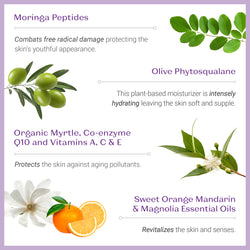
Our signature Quintessence (a blend of lavender, geranium, rosemary, cypress, and thyme) provides a multi-sensorial and functional foundation for our formulas. For the eyes, rosemary is particularly beneficial. It has a natural ability to support the appearance of toned and refreshed skin, making it a key ingredient in products designed to address puffiness and tired-looking eyes. To learn more about how we formulate with botanicals, visit our ingredients page.
Building Your Yon-Ka Eye Ritual
A consistent ritual is the most effective way to see long-term results. We recommend a layered approach that respects the delicate nature of the eyes while delivering active botanical benefits.
Step 1: Cleanse and Prep
Start with a gentle cleanse using Lait Nettoyant. This maintains the skin's natural pH and moisture barrier. Follow this with a light mist of Lotion Yon-Ka PS. While you usually mist the entire face, the aromatic benefits of the Quintessence help to create a moment of calm, preparing the skin to absorb the targeted treatments that follow.
Step 2: Targeted Treatment
Depending on your primary concern, choose a specialized eye product.
- For Early Lines and Smoothing: Alpha-Contour is a non-greasy gel enriched with fruit acids (AHAs). AHAs, or Alpha Hydroxy Acids, are gentle exfoliants that help to smooth the surface of the skin and refine its texture. This is excellent for those noticing the first signs of fine lines.
- For Puffiness and Dark Circles: Phyto-Contour is a beloved staple in our collection. This rosemary-infused cream provides a "freshening" effect that is perfect for the morning. It helps to firm the appearance of the eye contours and reduce the look of morning puffiness.
- For Dryness and Comfort: If your under-eye area feels tight or parched, Nutri-Contour provides a cocoon of moisture. Formulated with hazelnut oil, it nourishes the skin and protects against dehydration, which is a major contributor to fine lines.
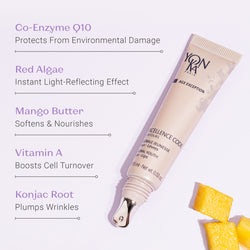
- For Mature Skin: Excellence Code Contours is part of our Age Exception collection. It addresses multiple signs of aging, including the appearance of deeper wrinkles and a loss of firmness, using a targeted blend of peptides and botanical extracts.
Step 3: Proper Application Technique
How you apply your eye cream is just as important as the cream itself.
- Dispense a pea-sized amount of product onto your ring finger (this finger has the lightest touch).
- Dot the product along the orbital bone, starting from the inner corner and moving outward toward the temples.
- Gently tap the product into the skin. Do not pull or drag the skin.
- Follow the orbital bone up toward the brow for a complete eye-area treatment.
Note: Because our products contain active essential oils, we always recommend a patch test when introducing a new formula. Apply a small amount to your inner forearm and wait 24 hours. A slight, brief tingling sensation can be normal, but if you experience persistent redness, discontinue use or reduce the frequency of application.
Nutrition and Lifestyle for Radiant Eyes
What you put into your body is just as important as what you put on it. A "skin-friendly" diet focuses on anti-inflammatory foods and antioxidants.
- Omega-3 Fatty Acids: Found in salmon, walnuts, and flaxseeds, these healthy fats help to maintain the skin’s lipid barrier, keeping moisture locked in.
- Vitamin E: Found in almonds and avocados, this vitamin helps protect cell membranes from oxidative damage.
- Hydration: Drink plenty of water throughout the day. If you find plain water boring, herbal teas or water infused with cucumber and mint can provide hydration along with a small boost of plant nutrients.
- Limit Salt and Alcohol: Both can lead to fluid retention and dehydration, which manifests as puffiness and more visible lines around the eyes the next morning.
| Habit | Benefit for Eyes |
|---|---|
| Wear Polarized Sunglasses | Reduces squinting and blocks 100% of UV rays. |
| Apply Eye Cream Twice Daily | Maintains hydration and delivers active botanicals. |
| Sleep 7-9 Hours | Allows the body to perform natural cellular repair. |
| Use a Silk Pillowcase | Minimizes friction and skin "folding" during the night. |
Professional Treatments and the Spa Connection
While a home ritual is the foundation of eye care, professional treatments can provide deeper results. Our heritage is rooted in the professional spa world, and over 7,000 professionals globally trust our methods.
A professional esthetician can perform specialized eye contours treatments that involve specific massage techniques and professional-grade masks that aren't available for home use. These sessions focus on lymphatic drainage to reduce the look of puffiness and use concentrated versions of actives to boost the appearance of smoothness. If you are looking to take your results to the next level, we encourage you to use our Spa Locator to find a certified Yon-Ka professional near you.
Key Takeaway: Combining professional spa treatments with a consistent home ritual creates a comprehensive approach to skin longevity.
Maintaining Realistic Expectations
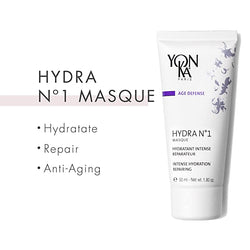
It is important to remember that skincare is a marathon, not a sprint. While some products like Alpha-Contour or Hydra N°1 Masque can provide an immediate boost in the appearance of hydration and smoothness, long-term prevention of wrinkles takes consistency.
The goal of a phyto-aromatic ritual is not to stop time, but to allow your skin to age with grace and health. By providing the thin under-eye skin with the moisture and protection it needs, you ensure that it remains resilient. If you are unsure which specific eye product is right for your current skin state, our Skin Diagnosis quiz or the eye and lip contours collection on the website can help guide you to the perfect botanical match.
Conclusion
Avoiding the appearance of wrinkles under the eyes is a journey of small, mindful choices. From the way you remove your makeup to the botanical ingredients you choose, every step in your ritual contributes to the health and vitality of your gaze. By prioritizing hydration, protecting against the sun, and utilizing the power of plant-based science, you can support your skin’s natural resilience.
At Yon-Ka Paris, we remain dedicated to the belief that skincare is more than a routine—it is a ritual worth savoring. Rooted in 70 years of French phyto-aromatic expertise, our formulas are designed to bring the professional spa experience into your home, helping you feel as vibrant as you look. For a broader view of our approach to aging skin, explore our anti-aging collection.
FAQ
Can I use my regular face moisturizer under my eyes?
While you can, it is often not ideal. Face moisturizers are frequently formulated for thicker skin and may contain ingredients or concentrations that are too heavy or irritating for the thin under-eye area. Eye creams are specifically ophthalmologically tested and designed with a texture that prevents the product from "migrating" into the eye itself.
At what age should I start using an eye cream?
It is never too early to begin hydrating and protecting the eye area. Most experts recommend starting a preventative eye ritual in your early 20s. At this stage, the focus should be on hydration and antioxidant protection to ward off the first signs of environmental damage.
Does blue light from my phone really cause eye wrinkles?
Emerging research suggests that HEV (blue) light can contribute to oxidative stress, which may accelerate the visible signs of aging. More importantly, the physical act of squinting at small screens or bright displays contributes to the formation of dynamic wrinkles that can become static over time.
How long does it take to see results from an eye cream?
Immediate hydration benefits can often be seen within minutes, making the skin look plumper. However, for improvements in the appearance of fine lines and skin texture, consistency is key. You should typically expect to see visible progress after 4 to 8 weeks of twice-daily use, coinciding with the skin's natural renewal cycle.