Table of Contents
- Introduction
- The Science of the "Retinol Paradox"
- Why the Under-Eye Area is Uniquely Sensitive
- Common Mistakes When Applying Retinol to the Eyes
- The Phyto-Aromatic Alternative: Phyto-Contour
- Building a Restorative Eye Ritual
- Managing Sensitivities and Essential Oil Safety
- Beyond the Bottle: Holistic Support for the Eyes
- Understanding the "Purge" vs. Irritation
- Professional Treatments for Eye Rejuvenation
- Conclusion
- FAQ
Introduction
Standing before the mirror, you might notice something unexpected: those fine lines around your eyes look more pronounced, and the skin appears parched or "crepey" despite your new anti-aging regimen. This startling moment often leads to a single, anxious question: can retinol make eye wrinkles worse? At Yon-Ka Paris, we understand that the pursuit of radiant, youthful-looking skin should feel like a luxurious ritual, not a source of stress. While retinol is celebrated for its ability to support the appearance of smoother skin, its initial effects on the delicate eye area can be deceptive.
In this article, we will explore the biological reasons why retinol may temporarily accentuate wrinkles, the unique anatomy of the eye area, and how to balance potent actives with botanical soothing. We will also outline a gentle, professional-grade ritual to help you navigate the "retinization" phase with confidence. By shifting from aggressive "hacks" to a balanced, phyto-aromatic approach, you can achieve the appearance of a revitalized gaze without compromising the integrity of your skin barrier, and our anti-aging collection is a natural place to begin.
Quick Answer: Retinol can make eye wrinkles look worse initially because it often causes temporary surface dehydration and "retinization," a phase where skin becomes dry and flaky. This lack of moisture makes fine lines more visible, but with proper hydration and professional guidance, this effect usually subsides to reveal a smoother appearance.
The Science of the "Retinol Paradox"
When you introduce a retinoid—the family of Vitamin A derivatives that includes retinol—to your skincare routine, you are encouraging the skin to accelerate its natural renewal process. This process, known as cell turnover, involves the shedding of old, surface-level cells to make way for fresh ones. While this is the foundation of effective Age Correction, it can lead to a phenomenon often called the "retinol paradox."
Retinization is the technical term for the period during which your skin adapts to Vitamin A. During this time, the skin’s moisture barrier can become temporarily compromised. This leads to transepidermal water loss (TEWL), where essential moisture evaporates from the skin's surface. Because the skin around the eyes is significantly thinner than the skin on the rest of the face, it is the first to show signs of this dehydration.
When the skin lacks water, it loses its "plumpness." Much like a grape transitioning into a raisin, the skin begins to crinkle and show texture that wasn't as obvious before. This is not structural damage to the collagen; rather, it is a superficial reaction to dryness. To learn more about the phyto-aromatic approach behind this kind of skin support, explore our ingredients. Inflammation can also play a role; if the retinol is too strong, the skin may experience low-grade swelling or redness, which can further distort the appearance of fine lines and "crow’s feet."
Why the Under-Eye Area is Uniquely Sensitive
To understand why your eye area might be reacting poorly to retinol, it is helpful to look at the unique anatomy of this region. The skin surrounding our eyes is roughly ten times thinner than the skin on our cheeks or chin. This lack of thickness means there is less of a natural "cushion" to protect against potent active ingredients.
Furthermore, the eye area contains significantly fewer sebaceous glands (oil glands). These glands produce the sebum necessary to maintain a healthy acid mantle, the protective film on the skin’s surface that wards off irritation and seals in moisture. Without this natural oil buffer, the eye area is inherently prone to dryness. That is why our eye and lip contour range is designed for this delicate zone.
Mechanical stress also contributes to the appearance of wrinkles. We blink approximately 15,000 times a day, squint against the sun, and express a wide range of emotions through our eyes. When retinol-induced dryness meets this constant movement, the skin can't "snap back" as easily, making wrinkles appear deeper than they truly are. At Yon-Ka, we prioritize formulas that respect this delicate biology, ensuring that professional-grade results are achieved through harmony rather than harshness.
Common Mistakes When Applying Retinol to the Eyes
Often, it is not the ingredient itself that causes the look of "worse" wrinkles, but how it is integrated into your routine. Because the eye area is so reactive, even small errors in application can lead to visible irritation and dehydration.
- Using Face-Strength Retinol on the Eyes: Many people apply their standard facial retinol too close to the lash line. These products are often formulated at concentrations intended for the thicker skin of the forehead or chin and are far too aggressive for the periocular region.
- Neglecting the "Buffer" Method: Applying a high-potency active directly to bare skin can overwhelm the barrier. Without a hydrating base, the retinol may cause excessive flaking.
- Over-Cleansing Before Application: Using harsh, sulfate-based cleansers can strip the skin of its limited lipids, leaving it defenseless before you even apply your treatment.
- Inconsistency: Skipping days and then "over-applying" to make up for lost time keeps the skin in a perpetual state of irritation without ever allowing it to adapt.
- Skipping Sun Protection: Retinol increases photosensitivity, making the skin more susceptible to UV damage. Without daily SPF, the sun can break down the very collagen the retinol is trying to support.
Key Takeaway: The appearance of deeper wrinkles during retinol use is usually a sign of a compromised moisture barrier, not permanent aging. Restoring hydration is the first step toward correcting the "crepey" look.
The Phyto-Aromatic Alternative: Phyto-Contour
At the heart of our eye-care philosophy is the belief that the eye area requires vascular support and intense nourishment rather than just stimulation. For those who find traditional synthetic retinols too irritating, we often recommend looking toward botanical alternatives that offer similar smoothing benefits without the inflammatory side effects.
Phyto-Contour is our iconic eye treatment designed to address the appearance of puffiness, dark circles, and fine lines through the power of rosemary. While synthetic retinol can leave skin feeling stripped, the rosemary in this formula helps to stimulate microcirculation, naturally brightening the look of the eyes. This decongesting action is essential for those whose wrinkles are accentuated by "tired" or puffy skin.
This formula also features beech bud peptides, sometimes called "botanical retinol." These plant-derived peptides help to smooth the appearance of the skin by supporting protein synthesis, providing an Age Defense benefit that is gentle enough for even the most sensitive skin types. By using plant sciences like phytotherapy and aromachology, we provide a sensorial experience that encourages the skin to look its best over time, rather than demanding an overnight miracle.
Building a Restorative Eye Ritual
If you have experienced the "crinkling" effect of retinol, it is time to return to a structured, barrier-respecting ritual. This method is designed to "reset" the eye area while continuing to deliver age-defying botanical actives.
Step 1: Gentle, Barrier-Respecting Cleansing
Avoid foaming cleansers that leave your skin feeling "squeaky clean." Instead, use a milk-based cleanser like Lait Nettoyant. This gentle formula removes impurities and makeup while leaving the skin’s protective film intact. When cleansing the eyes, use your ring fingers to avoid pulling at the delicate tissue.
Step 2: The Phyto-Aromatic Prep
Mist your face and neck with Lotion Yon-Ka PS. This is not a traditional toner but a healing, aromatic mist infused with our signature Quintessence. This exclusive complex of five essential oils—lavender, geranium, rosemary, cypress, and thyme—works to soothe the skin and prepare it to absorb subsequent treatments more effectively.
Step 3: Targeted Eye Care
Apply a pea-sized amount of Phyto-Contour or a specialized eye treatment like Advanced Optimizer Gel Lift. Focus your application on the orbital bone, gently patting the product inward. This allows the formula to naturally migrate toward the eye area without getting too close to the sensitive lash line.
Step 4: Layered Hydration
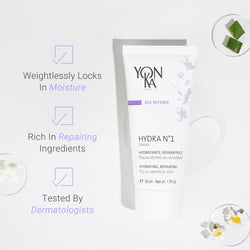
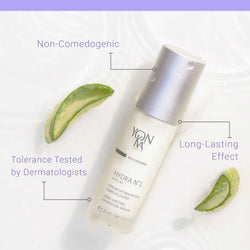
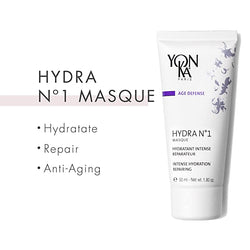
To combat the dehydration caused by actives, follow with an intense moisturizer. Hydra n°1 Crème is an excellent choice, as it uses hyaluronic acid and aloe vera to pull moisture into the skin and lock it there. This "sandwich" technique—applying moisture before and after actives—can significantly reduce the appearance of surface wrinkles.
Step 5: Sun Protection
UV rays are the primary cause of collagen degradation. Even if it is a cloudy day, apply a broad-spectrum sunscreen to protect the skin that has been sensitized by your treatment routine.
Managing Sensitivities and Essential Oil Safety
Because our formulas are rooted in the power of plants and essential oils, we believe in a mindful approach to introduction. Most of our products contain the Quintessence, which is 100% natural and active. While highly effective, the potency of essential oils means you should treat your skin with care.
Note: When introducing a new eye treatment, we always recommend a patch test. Apply a small amount of the product to your inner forearm and wait 24 hours to ensure your skin is comfortable with the botanical actives.
A slight tingling sensation can be a normal sign of the essential oils working to stimulate circulation, particularly with rosemary-rich products like Phyto-Contour. However, if you experience persistent redness, itching, or a burning sensation, this is a sign to reduce the frequency of application or consult with a skincare professional. For those with severe skin conditions or suspected medical issues like rosacea or eczema around the eyes, we advise consulting a dermatologist before beginning any active treatment.
Beyond the Bottle: Holistic Support for the Eyes
Skincare is a ritual that extends beyond the products you apply. Because the eye area is so thin, it is highly reflective of your internal health and environment. If you are struggling with "worse" wrinkles while using retinol, consider these holistic factors:
- Hydration from Within: Retinol increases the skin's demand for moisture. Ensure you are drinking enough water to support the skin's internal hydration levels.
- The Power of Sleep: During deep sleep, the body undergoes a repair process. Lack of rest can lead to puffiness, which stretches the skin and makes fine lines look more prominent.
- Humidity Levels: If you live in a dry climate or spend your days in an air-conditioned office, the air will "pull" moisture from your skin. Using a humidifier can help maintain the moisture levels of the eye area.
- Gentle Movement: Avoid rubbing your eyes throughout the day. This mechanical friction can break down the delicate fibers of the skin, exacerbating the appearance of sagginess.
At Yon-Ka, we believe that true beauty is a result of wellbeing. Our professional treatments, which you can experience by using our Spa Locator, combine these holistic principles with high-performance plant extracts to deliver visible, long-lasting results.
Understanding the "Purge" vs. Irritation
It is important to distinguish between a temporary "purge" or adjustment period and genuine irritation. A purge typically lasts for one full skin cycle—about 28 to 40 days. During this time, you might see minor flaking or a temporary increase in texture. This is a sign that the retinol is effectively accelerating cell turnover.
However, if your skin feels raw, stings when you apply a simple moisturizer, or looks chronically red, you are likely experiencing irritation. This means your skin barrier is "leaking" moisture faster than you can replace it.
Myth: "If it burns, it’s working." Fact: Professional skincare should never cause pain. While some actives may cause a mild, temporary tingle, persistent burning or stinging is a sign of barrier damage and can lead to post-inflammatory hyperpigmentation or deeper wrinkles.
If you suspect irritation, the best course of action is to "pause and repair." Stop using all actives for several days and focus solely on the Lait Nettoyant, Lotion Yon-Ka, and Hydra n°1 ritual until the skin feels comfortable again. Once the barrier is restored, you can reintroduce your treatment products more slowly, perhaps starting with just two evenings a week.
Professional Treatments for Eye Rejuvenation
For those who want to see a significant improvement in the appearance of eye wrinkles without the risks of "DIY" retinol experimentation, a professional spa treatment is an excellent investment. A certified Yon-Ka esthetician can analyze your skin using our Skin Diagnosis tools to determine exactly why your wrinkles are appearing more visible.
In a professional setting, we use concentrated botanical extracts and specific massage techniques designed to drain the lymph nodes and stimulate the facial muscles. These treatments provide a level of exfoliation and hydration that is difficult to achieve at home. If you are unsure which products are right for your eye concerns, we invite you to use the Product Matcher on our website or visit our Spa Locator to find a professional near you.
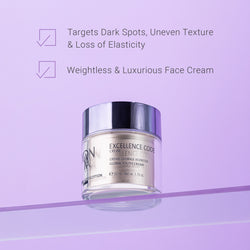
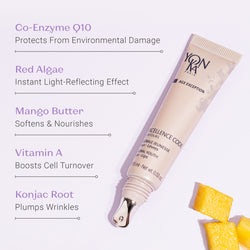
Professional treatments often utilize our Age Exception range, including Excellence Code Crème, which are designed for more mature skin that requires a higher concentration of restructuring ingredients. These treatments are a perfect way to "boost" your home ritual and ensure you are on the right path toward your skincare goals.
Conclusion
The journey to a younger-looking gaze is a marathon, not a sprint. While it can be discouraging to see wrinkles appear more prominent when you first start a retinol or active treatment, remember that this is often a temporary stage of retinization and surface dehydration. By respecting the delicate anatomy of the eye area and supporting it with botanical-rich formulas like Phyto-Contour, you can move past the "crinkled" phase and toward a look of lasting radiance.
At Yon-Ka Paris, our mission is to provide you with the tools for a skin-transforming ritual that honors your biology. Founded by the Mühlethaler family 70 years ago, we remain dedicated to the fusion of science and nature, ensuring that every product—from our signature Lotion Yon-Ka to our advanced serums—delivers a moment of pure, French phyto-aromatic luxury. Learn more about our brand story.
Bottom line: Consistent, gentle care with a focus on hydration and botanical peptides is more effective for the eye area than aggressive, high-strength actives that compromise the skin barrier.
To find the perfect ritual for your unique skin type, we encourage you to take our Skin Diagnosis quiz or browse our Age Correction collection to discover how plant power can revitalize your appearance.
FAQ
Does retinol permanently damage the skin under the eyes?
No, retinol does not cause permanent structural damage when used as a cosmetic product. The appearance of "worse" wrinkles is usually a temporary result of surface dehydration and flaking during the adjustment period. Once the skin adapts and moisture levels are restored, the skin typically looks smoother and more refined.
How can I stop retinol from making my eyes look crepey?
The best way to prevent a crepey appearance is to use the "sandwich" technique: apply a hydrating serum or light moisturizer first, then a very small amount of your eye treatment, and follow with another layer of rich cream. This creates a buffer that limits transepidermal water loss and keeps the thin eye skin plump.
Can I use retinol on my upper eyelids?
We generally advise against applying strong retinols to the upper eyelids, as this skin is the thinnest on the body and extremely prone to irritation. Instead, use a specifically formulated eye product like Phyto-Contour or Advanced Optimizer Gel Lift on the orbital bone, which provides the appearance of firming and smoothing without risking eyelid dermatitis.
How long does the "retinol wrinkle" phase last?
The period of initial dryness and visible texture usually lasts between two to four weeks as the skin acclimates to the increased cell turnover. If the appearance of your wrinkles does not improve after six weeks of consistent use and proper hydration, you may need to switch to a gentler botanical alternative or consult a skincare professional.