Table of Contents
- Introduction
- The Difference Between Dry and Dehydrated Skin
- Common Reasons for Facial Dryness
- How to Address Facial Dryness with a Phyto-Aromatic Ritual
- Essential Oil Safety and Sensitivity
- Lifestyle Adjustments for Lasting Hydration
- When to Consult a Professional
- Conclusion
- FAQ
Introduction
That uncomfortable, pulling sensation across your cheeks or the sight of fine, flaky patches in the mirror can be more than just a seasonal nuisance. When you find yourself asking, "Why is my skin dry on my face?" you are likely looking for more than just a quick fix; you are seeking a return to the soft, supple, and radiant complexion you know is possible. Facial dryness can affect your confidence and the way your makeup sits, but it is also a signal from your skin that its delicate equilibrium has been disrupted.
At Yon-Ka Paris, we believe that understanding the "why" is the first step toward a restorative ritual, and our phyto-aromatic skincare philosophy is built around that approach. This article will explore the biological, environmental, and lifestyle factors that contribute to facial dryness. We will also provide a roadmap for restoring your skin’s moisture barrier using the power of phyto-aromatic skincare. By the end, you will have a clear understanding of how to transform your daily routine into a healing experience that supports long-term skin health.
The Difference Between Dry and Dehydrated Skin
Before we can address why your face feels dry, it is essential to distinguish between two terms that are often used interchangeably: dry skin and dehydrated skin. While they may look and feel similar, their causes and solutions are quite different.
Dry skin is a skin type, much like oily or combination skin. If you have a dry skin type, your skin naturally produces less sebum—the natural oil that keeps the skin lubricated and protected. This is often a genetic trait. Without enough oil, the skin lacks the "glue" needed to keep skin cells lying flat and the moisture barrier intact. This often results in a rough texture, small pores, and a matte appearance.
Dehydrated skin, on the other hand, is a temporary skin condition that can affect any skin type, including oily skin. It refers to a lack of water (not oil) in the outermost layer of the skin. Dehydrated skin often feels tight and may show fine "crepe-like" lines when pinched, but it can still produce oil and may even experience breakouts.
Understanding which one you are experiencing—or if you are dealing with both—is the foundation of choosing the right products, and the Dry & Dehydrated Skin collection is a smart place to begin.
Common Reasons for Facial Dryness
If you have recently noticed a change in your skin’s texture, several factors could be at play. Your face is particularly vulnerable because the skin is thinner than on the rest of your body and is constantly exposed to the elements.
Environmental and Lifestyle Factors
The world around you can act like a sponge, sapping moisture from your skin. In the winter, cold air holds less moisture, and the transition to indoor heating creates a low-humidity environment that accelerates water loss from the skin’s surface. Conversely, in the summer, excessive air conditioning and sun exposure can lead to significant dehydration. If you want a practical next step, how to treat dry skin on face for lasting hydration breaks down the core ritual.
Lifestyle habits also play a role. Long, hot showers might feel relaxing, but they can strip away the natural oils that protect your facial skin. Similarly, a diet lacking in healthy fats or a general lack of water intake can manifest as a dull, parched complexion. Even the chlorine in swimming pools or the salt in ocean water can contribute to that "sandpaper" feeling if not properly rinsed away and followed by a moisturizing ritual.
Aging and Sebum Production
As we age, the skin's biological processes naturally slow down. One of the most significant changes is the decrease in sebum production. Sebum is vital for maintaining the skin’s protective barrier; without it, moisture evaporates more quickly—a process known as Transepidermal Water Loss (TEWL).
For many, this decline becomes noticeable in their 40s. Additionally, the skin's ability to produce hyaluronic acid—a naturally occurring humectant that can hold 1,000 times its weight in water—also diminishes over time. This dual loss of oil and water makes the appearance of wrinkles more prominent and contributes to persistent dryness, which is why our anti-aging collection can be a helpful reference point.
Harsh Skincare and Over-Exfoliation
Sometimes, the products we use to improve our skin are the very things causing it to feel dry. Many conventional cleansers use sulfates (like SLS) to create a foaming action, which can be far too aggressive for the delicate skin on the face. Alcohol-based toners and astringents can also disrupt the skin's natural pH and strip away essential lipids.
Over-exfoliation is another common culprit. While removing dead skin cells is necessary for a glow, doing it too frequently or using abrasive physical scrubs can create micro-tears in the skin barrier. This compromised barrier allows moisture to leak out and irritants to get in, leading to redness, stinging, and flakiness. For a gentler option, our exfoliators can help keep skin smooth without abrasion.
How to Address Facial Dryness with a Phyto-Aromatic Ritual
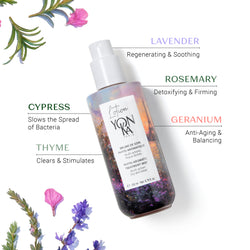
At Yon-Ka, we do not believe in "hacks" or overnight miracles. Instead, we champion a consistent, layered ritual that respects the skin’s natural biology. Our formulas are rooted in our signature Quintessence—a proprietary blend of lavender, geranium, rosemary, cypress, and thyme essential oils—which provides both efficacy and a sensorial experience.
Step 1: Barrier-Respecting Cleansing
The first step in addressing dry skin is to stop stripping it. If your skin feels tight immediately after washing, your cleanser is likely too harsh. Switch to a gentle milk cleanser like Lait Nettoyant. This botanical milk gently lifts away makeup and impurities while maintaining the skin's delicate lipid balance. It leaves the face feeling soft and refreshed rather than "squeaky clean," which is a sign of a stripped barrier.
Key Takeaway: Always use lukewarm water when cleansing. Hot water dissolves the natural oils your skin needs to stay hydrated.
Step 2: The Power of Phyto-Aromatic Mists
Traditional toners are often designed to remove excess oil, but a phyto-aromatic mist is better understood through our face mist guide. This misting step is designed to provide the skin with a "drink" of water and essential oils.
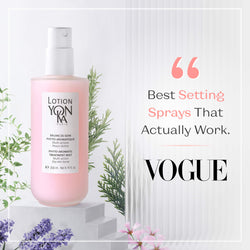
Our Lotion Yon-Ka PS is specifically for dry skin. It is alcohol-free and enriched with the Quintessence, helping to soothe and rebalance the appearance of parched skin. Simply mist it over your face and neck after cleansing, and while the skin is still damp, move to your next step.
Step 3: Targeted Treatment with Boosters
When skin is severely dry, a standard moisturizer might not be enough. This is where boosters and serums come in. They are designed to deliver a high concentration of active ingredients to the deeper layers of the epidermis.
For those lacking lipids, Serum Omega is an excellent addition. This "oil-in-serum" is rich in essential fatty acids (Omegas 3, 6, and 9) from cold-pressed plant oils. It helps to repair the appearance of a damaged barrier and provides immediate comfort.
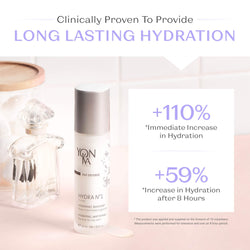
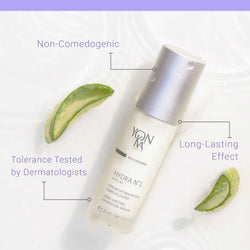
If your skin is more dehydrated than dry, consider the Hydra n°1 collection. The Hydra N°1 Serum uses two types of hyaluronic acid to provide both immediate and long-lasting hydration.
Step 4: Moisturize and Protect
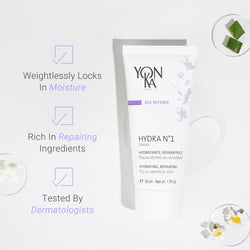
The final step in your morning and evening ritual is to seal in all that goodness. For dry skin, you need a cream that offers a "cocoon" effect. Hydra N°1 Creme is an intensive moisturizer that combines hyaluronic acid with shea butter and hazelnut oil to nourish and protect.
In the evening, you might choose a more revitalizing option like Phyto 52. This firming cream uses the power of rosemary to visibly tighten the skin while you sleep, ensuring you wake up with a refreshed, well-rested look. During the day, never skip protection. Sun damage can exacerbate dryness and lead to premature aging, so a broad-spectrum protection step is non-negotiable.
Essential Oil Safety and Sensitivity
Because our products are active and botanical, we recommend a few simple practices when introducing them to your routine. Our Formulas page explains how Yon-Ka keeps efficacy, safety, and natural origin in balance.
If you have sensitive skin, it is always wise to perform a patch test on your inner forearm for 24 hours before full-face application.
Introduce one new product at a time so you can accurately monitor how your skin responds. A slight, brief tingling sensation can be normal with active essential oils, as they support the skin’s natural functions. However, if you experience persistent redness or irritation, reduce the frequency of use or consult your aesthetician.
Note: If you experience a severe reaction such as facial swelling or difficulty breathing, seek urgent medical care immediately.
Lifestyle Adjustments for Lasting Hydration
While a consistent skincare ritual is the most effective way to address facial dryness, your environment and habits play a significant supporting role.
- Use a Humidifier: Especially during the winter months or if you live in a desert climate, a humidifier can help maintain an ideal moisture level in your home (ideally around 50-60%).
- Stay Hydrated from Within: While drinking water doesn't replace the need for topical moisturizer, staying hydrated supports your body's overall ability to maintain skin health.
- Choose Soft Fabrics: Avoid wearing wool or rough synthetic scarves that can rub against the delicate skin of your face and neck, causing mechanical irritation and dryness.
- Gentle Exfoliation: Instead of harsh scrubs, use a grain-free exfoliator like Gommage Yon-Ka. This plant-based "peel" gently lifts away dead skin cells without friction, which is much kinder to dry or sensitive skin.
When to Consult a Professional
While most cases of dry skin can be managed with a proper ritual, sometimes the issue is more than cosmetic. If your skin is persistently cracked, bleeding, or extremely itchy, or if you notice sudden, dramatic changes in your skin's texture, it is important to consult a physician or a dermatologist.
Conditions such as eczema, psoriasis, or rosacea require medical diagnosis and treatment plans that may include prescription topicals. Skincare products are designed to support the appearance and comfort of the skin, but they do not replace medical intervention for chronic skin diseases.
Furthermore, a visit to a Yon-Ka partner spa can provide you with a professional analysis of your skin's needs. A professional hydration treatment can jump-start your skin's recovery, offering a level of deep nourishment that is difficult to achieve at home alone. You can find a professional near you by using our Spa Locator on our website.
Conclusion
Addressing why your skin is dry on your face is a journey that combines the best of botanical science with mindful daily habits. By shifting from a "quick-fix" mindset to a dedicated ritual, you allow your skin the time and ingredients it needs to repair its natural defenses.
At Yon-Ka Paris, we remain committed to our 70-year heritage of phyto-aromatic excellence. We believe that every time you apply your skincare, it should be a moment of wellness—a sensorial experience that nourishes both your skin and your spirit.
- Identify if you are truly dry (lacking oil) or dehydrated (lacking water).
- Switch to a gentle, milk-based cleanser to preserve your moisture barrier.
- Layer your hydration by using a mist followed by a targeted serum.
- Protect your skin from environmental stressors and hot water.
"Skincare is not just a routine; it is a ritual of self-care that connects us to the healing power of nature."
If you are still unsure which products are right for your unique needs, we invite you to take our Skin Diagnosis quiz. Taking this small step today can lead to a lifetime of healthy, glowing skin.
FAQ
Why is my face dry even though I use moisturizer?
If your skin remains dry, you may be using a product that doesn't match your skin’s specific needs—for example, using a light lotion when your skin needs a lipid-rich cream. Additionally, if you aren't exfoliating gently or using a mist like Lotion Yon-Ka PS, your moisturizer may not be absorbing effectively through the layer of dead skin cells.
Can drinking more water fix my dry facial skin?
While systemic hydration is important for overall health, drinking water alone cannot "fix" a compromised skin barrier or a genetic lack of oil production. You must use topical products that contain both humectants to draw moisture in and emollients to lock it in, and how moisturizing works explains why that matters.
Is it okay to exfoliate my face if it feels dry and flaky?
Yes, but you must be extremely gentle. Using a harsh scrub on dry skin can cause more damage; instead, use a grain-free exfoliator like Gommage Yon-Ka. This allows you to remove the dead, flaky cells that block absorption without irritating the vulnerable skin underneath.
Why does my skin feel tighter in the winter?
In the winter, the humidity levels in the air drop significantly, both outdoors and indoors due to central heating. This causes moisture to evaporate from your skin much faster than in the summer, leading to increased tightness and a higher likelihood of flaking.
Piel seca y deshidratada