Table of Contents
- Introduction
- The Science of the Skin Barrier
- Distinguishing Between Dry and Dehydrated Skin
- Common Causes of Dry Skin on the Face
- Identifying Symptoms of Dryness
- The Phyto-Aromatic Approach to Restoring Moisture
- Building a Ritual for Dry Facial Skin
- Myths vs. Facts About Facial Dryness
- Lifestyle Adjustments for Long-Term Relief
- Professional Care and Expert Guidance
- Conclusion
- FAQ
Introduction
That unmistakable sensation of a tight, parched complexion is a common concern that transcends age and season. Whether it manifests as a rough texture, fine flaking, or a persistent dullness, understanding why dry skin on the face occurs is the first step toward restoring a radiant, supple glow. This discomfort is often more than just a surface-level issue; it is a signal from your skin that its protective barrier is struggling to retain essential moisture and lipids.
At Yon-Ka Paris, we believe that effective skincare begins with education and a respect for the skin's natural physiology. In this article, we will explore the biological and environmental factors that contribute to facial dryness, identify the symptoms that differentiate dry skin from dehydration, and outline a phyto-aromatic ritual designed to fortify your skin barrier. By bridging the gap between professional spa expertise and daily home care, we can help you transition from a state of discomfort to one of lasting botanical wellness.
Quick Answer: Dry skin on the face is primarily caused by a lack of natural oils (sebum) or a compromised skin barrier that allows moisture to escape. Common triggers include harsh weather, hot water, aging, and using skincare products with aggressive surfactants or alcohols.
The Science of the Skin Barrier
To understand why the face is particularly prone to dryness, we must first look at the hydrolipidic film. This is a delicate layer of water and oils (sebum) that sits on the surface of the skin, acting as a primary defense mechanism. It serves two critical functions: keeping moisture in and keeping environmental irritants out.
When this barrier is healthy, the skin feels soft and resilient. However, when the production of sebum slows down or the structural lipids (like ceramides) are stripped away, the skin enters a state of Transepidermal Water Loss (TEWL). This is a process where water evaporates from the deeper layers of the skin into the atmosphere, leading to the parched, tight feeling we associate with dryness.
The skin on our face is thinner than the skin on our bodies and is constantly exposed to the elements. This makes the facial barrier more vulnerable to disruption. Unlike the skin on your arms or legs, which is often protected by clothing, your face must withstand wind, sun, and pollution every single day.
Distinguishing Between Dry and Dehydrated Skin
It is common to use the terms "dry" and "dehydrated" interchangeably, but in the world of professional skincare, they describe two very different issues. Recognizing which one you are experiencing is vital for choosing the right products.
- Dry Skin (Skin Type): This is a genetic predisposition where your skin naturally produces less oil. Dry skin lacks lipids and often has a rough texture, small pores, and a tendency toward premature fine lines. It requires oil-rich products to replenish the missing sebum.
- Dehydrated Skin (Skin Condition): This is a temporary state where the skin lacks water. Even oily skin can be dehydrated. Dehydrated skin often looks dull, feels tight after cleansing, and may show "crepe-like" fine lines that disappear once moisture is restored. It requires humectants like hyaluronic acid to bind water to the cells.
Key Takeaway: Dry skin is a lack of oil; dehydrated skin is a lack of water. Most people experiencing facial dryness benefit from a combination of water-based hydration and oil-based nourishment.
Common Causes of Dry Skin on the Face
There is rarely a single reason for facial dryness. Usually, it is a combination of internal biology and external stressors that eventually overwhelms the skin’s ability to self-regulate.
Environmental Stressors
Weather and Humidity: During the winter months, cold air holds significantly less moisture than warm air. When you move from the freezing outdoors into a heated home, the "artificial" dry heat from radiators and fireplaces further saps moisture from your skin. This constant transition can leave the barrier brittle and prone to flaking.
UV Exposure: While we often associate sun damage with burns or dark spots, chronic UV exposure also degrades the skin's structural proteins and lipid levels. Over time, sun-damaged skin loses its ability to hold onto moisture, resulting in a chronically rough, leathery texture.
Lifestyle and Habitual Factors
Hot Water Exposure: Many of us enjoy a steaming hot shower, but hot water is one of the quickest ways to dissolve the natural oils that protect your face. This "stripping" effect leaves the skin vulnerable to the atmosphere immediately after you step out of the shower.
Aggressive Cleansing: Using traditional bar soaps or cleansers formulated with harsh sulfates (like SLS) can disrupt the skin’s pH balance. A pH that is too alkaline prevents the skin’s natural enzymes from repairing the barrier, leading to persistent dryness and sensitivity.
The Biological Impact of Aging
As we age, our skin’s natural functions begin to slow down. Starting in our 40s, the sebaceous glands produce significantly less oil. Additionally, the skin’s natural renewal process—the time it takes for new cells to reach the surface—slows down. This can lead to a buildup of dead skin cells that look like dry, ashy flakes, preventing your moisturizers from penetrating effectively. For skin that is also showing early signs of firmness loss, Yon-Ka’s anti-aging collection is a natural next step.
Identifying Symptoms of Dryness
Dryness doesn't always look the same on everyone. Depending on your skin tone and the severity of the barrier disruption, you may notice different signs:
- Tightness: A feeling that the skin is "too small" for the face, especially after washing.
- Rough Texture: When you run your fingers over your cheeks or forehead, the skin feels uneven or sand-paper like rather than smooth.
- Flaking and Peeling: Small white or translucent flakes that may become more visible when you apply makeup or foundation.
- Itching and Redness: On lighter skin tones, dry patches may appear red; on darker skin tones, they may appear ashy or gray.
- Exacerbated Lines: Fine lines around the eyes and mouth that seem deeper or more pronounced than usual.
The Phyto-Aromatic Approach to Restoring Moisture
For over 70 years, the French heritage of Yon-Ka has focused on the power of phyto-aromatic therapy—the use of plant extracts and essential oils to bring the skin back into balance. We don't believe in "quick fixes" or harsh chemicals that might provide temporary relief while causing long-term irritation. Instead, we use a pharmaceutical-grade approach to botanical formulation.
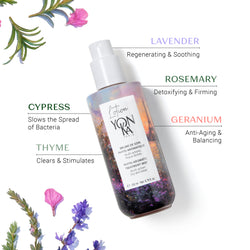
Our signature is the Quintessence, a unique complex of five essential oils: lavender, geranium, rosemary, cypress, and thyme. This 100% natural, active foundation is used across our collections to provide both therapeutic benefits for the skin and a sensorial experience for the mind. For dry skin, these oils help to revitalize the complexion and support the skin's natural repair processes. You can learn more about this philosophy on our ingredients page.
Note: When introducing products containing essential oils, we always recommend a patch test on the inner forearm for 24 hours. While these botanical actives are highly beneficial, introducing one new product at a time is the best way to monitor your skin's response.
Building a Ritual for Dry Facial Skin
A consistent, layered routine is the most effective way to address the question of why dry skin on the face persists. By following a specific order of application, you can ensure that each product enhances the absorption and efficacy of the next.
Step 1: Gentle, Barrier-Respecting Cleansing
The goal of cleansing dry skin is to remove impurities without disturbing the hydrolipidic film. Avoid foaming cleansers that leave your skin feeling "squeaky clean," as this is often a sign that your natural oils have been stripped.
Instead, opt for a milk-based cleanser like Lait Nettoyant. This gentle, silk-textured milk cleanses and removes makeup while maintaining the skin’s moisture levels. It contains plant-based cleansing agents and nourishing oils that leave the skin feeling soft and refreshed, rather than tight.
Step 2: Prepare with a Phyto-Aromatic Mist
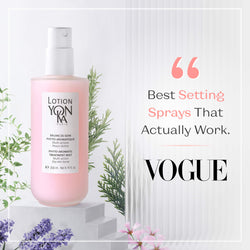
In the Yon-Ka ritual, toning is not about "stripping" the skin; it is about saturating it with hydration. Lotion Yon-Ka PS is an alcohol-free mist infused with our signature Quintessence.
Spraying this mist onto the skin immediately after cleansing prepares the face to better absorb the active ingredients in your serums and moisturizers. It acts as a "delivery vehicle," ensuring that your next steps go deeper into the surface layers of the skin.
Step 3: Targeted Treatment with Serums and Boosters
When skin is exceptionally dry, a moisturizer alone may not be enough. You need targeted actives that can penetrate and repair. If you want to browse more options in this category, explore our serums.
- Serum Omega: This is an "oil-in-serum" designed specifically for skin that lacks lipids. Rich in Omega 3, 6, and 9 fatty acids from plant oils like Inca Inchi and Raspberry seed, it helps to reconstruct the skin barrier and restore suppleness.
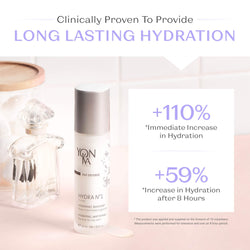
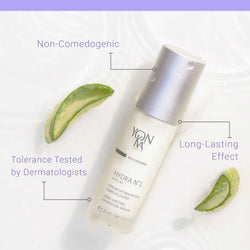
- Hydra n°1 Serum: If your dryness is accompanied by dehydration, this serum uses long-lasting hydration boosters like hyaluronic acid and aloe vera to "flood" the skin with water.
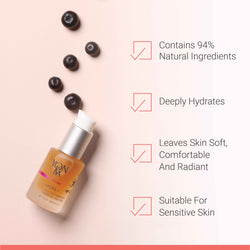
- Nutri + Booster: For those who want to customize their existing routine, a few drops of this nourishing oil booster added to your cream can provide an extra layer of protection against cold weather or dry air.
Step 4: Moisturize and Protect
The final step in your ritual is to seal in all the previous layers with a high-quality cream. If your skin leans dry or dehydrated, start with our dry and dehydrated skin collection.
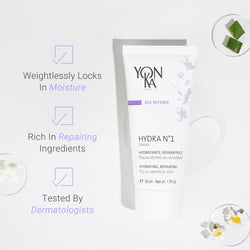
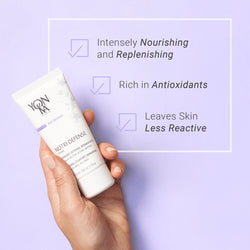
Hydra n°1 Crème is an excellent choice for those with dry to very dry skin. It provides a "shield" effect, preventing water from evaporating while delivering soothing ingredients like shea butter and grape seed oil. For those concerned with the first signs of aging alongside dryness, the anti-aging collection offers a broader option set.
Step 5: Weekly Deep Conditioning
Once or twice a week, give your skin an intensive hydration "bath." Gommage Yon-Ka is a gel exfoliant that can be used to help lift away buildup before applying your leave-on care. It provides an immediate "plumping" effect and helps to refresh the look of a damaged barrier.
Myths vs. Facts About Facial Dryness
Myth: Drinking more water will automatically fix dry skin on your face. Fact: While internal hydration is essential for overall health, "dry skin" is often a topical issue related to a lack of oil or a damaged barrier. You can be perfectly hydrated internally but still have dry facial skin due to environmental factors or harsh products.
Myth: Exfoliating more often will get rid of dry flakes. Fact: Over-exfoliating dry skin can actually damage the barrier further, leading to more dryness and sensitivity. Instead of harsh scrubs, use a gentle, grain-free exfoliator like Gommage Yon-Ka, which uses carob and lime to hydrate and clarify without irritation.
Lifestyle Adjustments for Long-Term Relief
Beyond your skincare products, small changes in your daily environment can make a significant difference in how your skin feels.
- Use a Humidifier: Especially during the winter, adding moisture back into the air in your bedroom can prevent the "morning-after" tightness that comes from sleeping in a heated room.
- Shorten Your Showers: Keep your showers to under 10 minutes and use lukewarm water. If your skin turns red in the shower, the water is too hot.
- Moisturize on Damp Skin: Apply your Lotion Yon-Ka and subsequent products while your skin is still slightly damp. This helps to "trap" the moisture on the surface of the skin.
- Protect from the Wind: In cold climates, use a scarf to physically protect your face from wind-burn, which can cause immediate and painful dryness.
Professional Care and Expert Guidance
Sometimes, the skin requires a professional "reset." Visiting a Yon-Ka partner spa allows a licensed esthetician to analyze your skin and provide a deep-conditioning treatment that goes beyond what can be achieved at home. If you want help finding a location, use the Spa Locator to find a nearby Yon-Ka spa.
If you are unsure which products are right for your specific concerns, we invite you to take our Skin Diagnosis or use the Product Matcher on our website. These tools are designed to provide personalized recommendations based on our 70 years of phyto-aromatic expertise.
Bottom line: Solving facial dryness is about more than just applying a heavy cream; it's about respecting the skin's barrier, choosing botanical ingredients that mimic natural lipids, and maintaining a consistent, layered ritual.
Conclusion
Understanding why dry skin on the face occurs empowers you to make better choices for your long-term skin health. Whether the cause is the biting winter wind, the natural progression of aging, or an overly enthusiastic cleansing routine, the solution lies in restoring the delicate balance of moisture and lipids. By adopting a ritual-based approach and utilizing the power of phyto-aromatic ingredients, you can transform a tight, uncomfortable complexion into one that feels soft, resilient, and deeply nourished.
At Yon-Ka Paris, our mission is to provide professional-grade, botanical skincare that honors both the efficacy of science and the wisdom of nature. We believe that caring for your skin is a daily ritual worth savoring—an opportunity to pause, breathe in the therapeutic scents of the Quintessence, and provide your skin with the botanical support it deserves. To learn more about our approach, explore our formulas.
- Identify your primary concern: Is it a lack of oil (dry) or a lack of water (dehydrated)?
- Audit your routine: Remove harsh soaps and hot water.
- Layer for success: Cleanse, mist, treat, and moisturize.
- Be consistent: Real botanical results are seen over weeks of dedicated care.
To find the perfect products for your journey toward radiant skin, explore our Dry & Dehydrated Skin collection or find a professional treatment near you using our Spa Locator.
FAQ
Is dry skin the same thing as eczema or psoriasis?
No, while dry skin can be a symptom of conditions like eczema or psoriasis, these are chronic medical inflammatory conditions that require a diagnosis from a dermatologist. General dry skin is typically a cosmetic concern that can be managed with lifestyle changes and proper skincare rituals. If your dry skin is accompanied by intense pain, oozing, or persistent thick scales, consult a medical professional.
Why does my skin feel dry even after I apply moisturizer?
This often happens if you have a buildup of dead skin cells on the surface that prevents the moisturizer from penetrating, or if you are using a moisturizer that lacks the necessary lipids to "seal" the barrier. Try using a gentle exfoliator like Gommage Yon-Ka twice a week and layering a lipid-rich serum like Serum Omega under your cream to ensure lasting comfort.
Can I have dry skin and acne at the same time?
Yes, this is often referred to as a "compromised barrier." When the skin is excessively dry, it can develop tiny cracks that allow bacteria to enter, leading to breakouts. Additionally, using harsh acne treatments can dry out the skin, creating a cycle of irritation. Focus on repairing the barrier with soothing, non-comedogenic products like Hydra n°1 Crème to balance both concerns.
Does the weather really affect my skin that much?
Absolutely. The skin is your body's primary interface with the environment. Low humidity levels in both summer (due to air conditioning) and winter (due to heaters) significantly increase the rate of water evaporation from your skin. Adjusting your routine seasonally—such as switching to a richer cream in the winter—is essential for maintaining a healthy barrier year-round.
Piel seca y deshidratada