Table of Contents
- Introduction
- The Unique Biology of Facial Skin
- Environmental Triggers of Facial Dryness
- How Your Skincare Ritual May Be Drying You Out
- The Difference Between Dry and Dehydrated Skin
- Phyto-Aromatic Solutions for Facial Dryness
- Designing a Ritual for Lasting Hydration
- Internal and Biological Factors
- Lifestyle Adjustments for Supple Skin
- When to See a Professional
- Conclusion
- FAQ
Introduction
Waking up to a face that feels two sizes too small is a frustrating experience. Whether it is a persistent tightness after cleansing or visible flaking around the nose and mouth, facial dryness can make even the most luxurious skincare feel like a chore. The skin on our face is uniquely communicative; it is often the first area to signal that our internal or external environment has shifted. At Yon-Ka Paris, we understand that addressing facial dryness requires more than just a heavy cream—it requires a ritual that respects the skin’s delicate ecology. This article will explore the biological and environmental reasons why your face may be struggling to retain moisture and how a phyto-aromatic approach can restore a supple, radiant appearance. Understanding these triggers is the first step toward reclaiming your glow.
The Unique Biology of Facial Skin
To understand why your face is the primary site of dryness, we must look at its specific anatomy. Compared to the skin on your arms or legs, facial skin is significantly thinner and more delicate. It contains a higher concentration of sebaceous glands, which produce sebum—the skin's natural oil. While this might suggest the face should be naturally oily, these glands are also highly sensitive to hormonal fluctuations, stress, and environmental changes.
The face is also one of the few areas of the body that is almost constantly exposed to the elements. Unlike your torso or limbs, which are protected by clothing, your face bears the brunt of wind, UV radiation, and pollution. This constant exposure can lead to a compromised "acid mantle." The acid mantle is a very fine, slightly acidic film on the surface of the skin that acts as a barrier to bacteria and moisture loss. When this barrier is disrupted, water evaporates from the skin more quickly, a process known as Transepidermal Water Loss (TEWL).
Furthermore, the facial skin barrier is dense with sensory nerves. This is why dryness on the face often feels more uncomfortable or even "itchy" compared to dry skin on the shins. Because the face is the focal point of our identity and expression, the visible signs of dryness—such as dullness or fine lines—often feel more urgent to address.
Environmental Triggers of Facial Dryness
Our surroundings play a monumental role in how our skin behaves. Because the face is rarely covered, it acts as a literal interface between our bodies and the world.
The Impact of Climate and Seasonality
In the winter, humidity levels plummet. Cold air holds less moisture, and as that air moves across your face, it pulls water out of your skin. This is exacerbated by the "wind chill" factor, which can physically abrade the skin’s protective lipid layer. Conversely, in the summer, excessive sun exposure can damage the skin’s barrier, leading to a leathery texture and chronic dehydration.
Indoor Heating and Cooling
We often seek refuge from the weather indoors, but our climate-controlled environments can be just as drying. Central heating and air conditioning units act as giant dehumidifiers. If you spend eight hours a day in an office with recirculated air, your skin is effectively being "air-dried" all day long. This is why many people notice their skin feels particularly tight by mid-afternoon.
Hard Water and Chlorine
The water you use to wash your face matters. "Hard water" contains high levels of minerals like calcium and magnesium. These minerals can react with your cleansers to create a residue that irritates the skin. Similarly, frequent swimming in chlorinated pools can strip away the natural oils that keep the facial skin supple.
Key Takeaway: Facial skin is thinner and more exposed than body skin, making it highly susceptible to Transepidermal Water Loss (TEWL) triggered by weather and indoor climate control.
How Your Skincare Ritual May Be Drying You Out
Ironically, the very habits we adopt to care for our skin can sometimes be the cause of its distress. If you find yourself asking why your face is dry despite a multi-step routine, it may be time to audit your products and techniques.
Over-Cleansing and Harsh Surfactants
Many traditional foaming cleansers use harsh surfactants like Sodium Lauryl Sulfate (SLS). While these are effective at removing oil, they are often too aggressive for the delicate facial barrier. They strip away the "good" lipids along with the dirt. If your skin feels "squeaky clean" after washing, it is actually a sign that you have over-cleansed and damaged your acid mantle.
The Danger of Hot Water
There is nothing quite as relaxing as a steaming hot shower, but your face does not share that sentiment. Hot water dilates the capillaries and strips away the sebum that acts as your skin’s natural moisturizer. At our house, we always recommend using lukewarm water for the face to preserve the integrity of the skin’s lipid barrier.
Over-Exfoliation
In an attempt to remove flaky skin, many people turn to aggressive scrubs or high-strength acids. While exfoliation is necessary for cellular turnover, doing it too often can create "micro-tears" or thin the skin to a point where it can no longer hold moisture. This leads to a vicious cycle: the skin becomes dry and flaky due to irritation, leading the user to exfoliate more, which further damages the barrier.
The Difference Between Dry and Dehydrated Skin
In the world of professional skincare, we make a critical distinction between "dry" skin and "dehydrated" skin. Knowing which one you have is essential for choosing the right products.
- Dry Skin (Alipidic): This is a skin type. It means your skin naturally lacks oil (lipids). People with dry skin often have small pores and a complexion that looks matte or dull. This skin type requires oil-based nourishment to supplement what the sebaceous glands are not producing.
- Dehydrated Skin: This is a skin condition that can affect any skin type, including oily skin. It means your skin lacks water. Dehydrated skin often feels tight but may still look oily or experience breakouts. It may show fine, crepey lines when you gently pinch the surface.
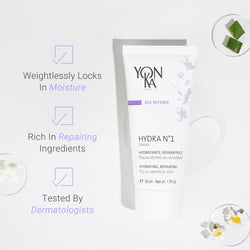
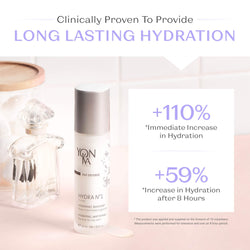
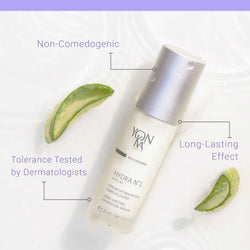
If your face is dry because it lacks oil, you need lipids like those found in our Serum Omega. If your face is dry because it is dehydrated, you need moisture-binding ingredients like hyaluronic acid, which is the star of our Hydra N°1 Crème.
Myth: Oily skin can't be dry.
Fact: Oily skin can absolutely be dehydrated. When oily skin lacks water, it often over-compensates by producing even more oil, leading to a complexion that is simultaneously greasy and flaky.
Phyto-Aromatic Solutions for Facial Dryness
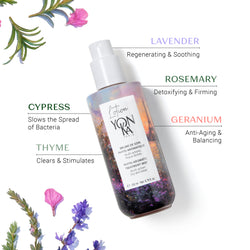
Our approach to skincare is rooted in the power of nature and the science of aromatherapy. We believe that the skin is a living organ that responds best to ingredients it recognizes. The heart of our formulations is the Quintessence, an exclusive complex of five essential oils: lavender, geranium, rosemary, cypress, and thyme.
This 100% natural complex does more than just provide a sensorial experience. Each oil serves a purpose:
- Lavender soothes and repairs the appearance of irritated skin.
- Geranium provides balancing benefits.
- Rosemary helps detoxify and revitalize the complexion.
- Cypress supports circulation and firming.
- Thyme provides potent purifying properties.
When your face is dry, it is often in a state of "stress." The aromatic molecules in our products work through aromachology to calm the senses while the phytotherapy ingredients work to support the skin’s appearance.
Designing a Ritual for Lasting Hydration
To address facial dryness effectively, we recommend a consistent, layered ritual. This is not about a single "miracle product" but about supporting the skin through every step of its daily cycle.
Step 1: Gentle, Barrier-Respecting Cleansing
Stop using soaps or foaming gels that leave your face feeling tight. Instead, opt for a milk-based cleanser like Lait Nettoyant. This gentle cleansing milk removes makeup and impurities while maintaining the skin's natural balance. It leaves the skin feeling soft and comforted rather than stripped.
Step 2: The Phyto-Aromatic Mist
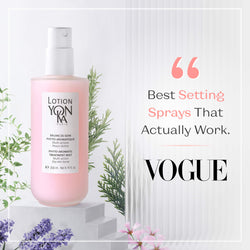
After cleansing, your skin is like a dry sponge. It needs a "primer" to help it absorb subsequent treatments. Lotion Yon-Ka PS is our refreshing toning mist for dry skin. Alcohol-free and infused with the Quintessence, it rehydrates the skin and prepares the upper layers for serums and creams.
Step 3: Targeted Treatment
If your skin is severely parched, a serum is your best friend. Serums can deliver active ingredients more effectively.
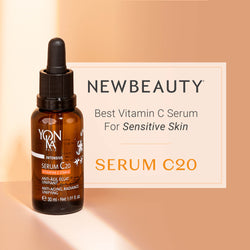
- Serum C20: For skin that looks dull and dry, Serum Vitamine C 20% can brighten the appearance while providing antioxidant support.
- Serum Omega: This is essential for the dry skin type that lacks oil. Serum Omega is an oil-in-serum that helps support the skin barrier.
Step 4: Deep Moisturizing
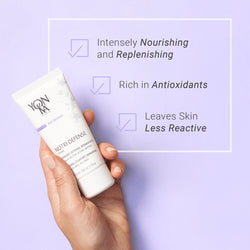
The final step is to "seal" everything in. Our Hydra N°1 Crème is an intensive moisturizer designed for those struggling with chronic dehydration. If your dryness is accompanied by signs of aging, Excellence Code Crème provides more robust support for mature skin.
Note: When introducing these aromatic products, we recommend a simple patch test on your inner forearm for 24 hours. While our essential oils are pure and active, every skin is unique. A slight, brief tingling can be normal as the botanicals begin to work, but persistent redness is a sign to consult your skincare professional.
Internal and Biological Factors
Sometimes the answer to "why is my face dry" lies beneath the surface. Our skin is a reflection of our internal health and the passage of time.
The Aging Process
As we age, our skin’s natural processes slow down. The production of hyaluronic acid—the molecule that holds water—also begins to decline. This is why many women notice their skin type "changes" from combination to dry as they enter menopause.
Hormonal Shifts
Estrogen plays a key role in skin hydration. When estrogen levels drop during the menstrual cycle or menopause, the skin’s ability to retain moisture decreases. This can lead to sudden "patches" of dryness on the cheeks or around the jawline.
Diet and Hydration
While drinking water alone won't "cure" dry skin, chronic dehydration can certainly make the skin look less plump. We also emphasize the importance of Essential Fatty Acids (EFAs). A diet rich in Omega-3s—found in walnuts, flaxseeds, and fatty fish—supports the skin’s lipid barrier from the inside out. If you find your skin is chronically dry, our Nutri + Booster can be added to your moisturizer to provide an extra dose of support.
Lifestyle Adjustments for Supple Skin
Beyond products, a few lifestyle shifts can significantly reduce the frequency of dry skin flares on your face.
- Sleep with a Humidifier: Especially during the winter, running a cool-mist humidifier in your bedroom can help prevent the air from stealing moisture from your face while you sleep.
- Pat, Don’t Rub: When drying your face after washing, use a soft bamboo or cotton towel and gently pat the skin. Rubbing can cause micro-friction that irritates dry patches.
- Apply Products to Damp Skin: Never wait for your face to fully dry before applying your serum or moisturizer. Applying products while the skin is still slightly damp from your lotion helps trap that extra moisture in the skin.
- Sun Protection is Non-Negotiable: Sun damage thins the skin and damages the barrier. Use a daily SPF like Vital Defense Mist to protect your skin from environmental stressors.
When to See a Professional
While most cases of facial dryness can be managed with a consistent botanical ritual, some situations require expert intervention. If your skin is persistently inflamed, painful, or if you notice deep cracks that bleed, it is important to consult a dermatologist.
Conditions like atopic dermatitis (eczema), seborrheic dermatitis, or psoriasis often present as extreme dryness on the face. These may require medical-grade treatments that work in tandem with your cosmetic ritual. Additionally, for a "reset" of your skin’s hydration levels, we recommend visiting one of the professional spas that offer Yon-Ka treatments. A professional facial can provide deep, professional-level exfoliation and hydration that is difficult to achieve at home. You can find a nearby partner using our Spa Locator.
Conclusion
Dry skin on the face is a common but manageable challenge. By understanding that your facial skin is a delicate, exposed ecosystem, you can move away from "quick fixes" and toward a respectful, effective ritual. At Yon-Ka Paris, we believe that skincare should be a moment of wellness—a time to reconnect with yourself through the scents and textures of the plant world. Whether your dryness is caused by the cold winter wind or the natural shifts of aging, there is a botanical solution waiting to restore your skin's harmony.
Key Takeaway: Effective hydration requires a two-pronged approach: adding water to the skin and strengthening the lipid barrier to keep that water from escaping.
To find the perfect products for your specific concerns, we invite you to explore our Face Moisturizers collection. It is a simple way to build a personalized routine tailored to your skin’s unique needs. Remember, beautiful skin is a journey of consistency, built on 70 years of phyto-aromatic expertise.
FAQ
Why is my face dry even though I use a heavy moisturizer?
A heavy cream may only be sitting on the surface of your skin without actually penetrating. If you have a layer of dead skin cells or a compromised barrier, the moisture cannot get in. Try incorporating a gentle exfoliator like Gommage Yon-Ka and a hydrating mist like Lotion Yon-Ka PS to help your moisturizer work more effectively.
Can drinking more water fix my dry face?
While staying hydrated is essential for overall health, "drinking your water" is rarely enough to fix dry skin on its own. Skincare is needed to support the skin's external barrier and prevent water from evaporating. Think of internal hydration as the "source" and your skincare ritual as the "seal."
How often should I exfoliate if I have dry patches on my face?
When the face is dry, it is tempting to scrub away the flakes, but this often makes the problem worse. We recommend using a non-grain exfoliator like Gommage Yon-Ka no more than once or twice a week. This allows you to remove dead cells without the friction that can damage a fragile skin barrier.
Is facial dryness a sign of aging?
It can be, as the skin naturally loses its ability to produce oils and retain water over time. However, dryness can also be purely environmental or a result of using the wrong products. By using a supportive ritual that includes ingredients like the Quintessence and hyaluronic acid, you can maintain a hydrated appearance at any age.
Piel seca y deshidratada