Table of Contents
- Introduction
- Understanding the Dry Skin Barrier
- Why Texture Matters for Dry Skin
- Key Ingredients to Look For
- The Role of Phyto-Aromatic Skincare
- Recommended Yon-Ka Ritual for Dry Skin
- Common Myths About Cleansing Dry Skin
- Seasonal Adjustments for Dry Skin
- The Importance of Professional Guidance
- Expert Tips for Maximizing Your Cleanser
- Conclusion
- FAQ
Introduction
Finding the perfect face wash often feels like a balancing act, especially when your skin tends toward dryness. That uncomfortable, tight sensation after rinsing is more than just a nuisance; it is a sign that your skin barrier has been stripped of its essential lipids. When considering which face cleanser is best for dry skin, the goal is to shift away from the "squeaky clean" ideal and toward a ritual that nourishes while it purifies.
At Yon-Ka Paris, we believe that cleansing should be the most comforting part of your day, acting as a restorative treatment rather than a harsh chore. Choosing the right formula involves understanding how specific botanical ingredients support the moisture barrier and which textures provide the most relief to parched complexions. This article explores the science of dry skin cleansing, the ingredients that make a difference, and how to build a phyto-aromatic routine that leaves your skin feeling supple, soft, and thoroughly respected.
Understanding the Dry Skin Barrier
To understand why certain cleansers fail dry skin, we must first look at the biology of the skin barrier, or the stratum corneum. This outermost layer is often described using a "brick and mortar" analogy. The skin cells are the bricks, and the mortar consists of lipids like ceramides, cholesterol, and fatty acids.
Dry skin is primarily a lipid deficiency. Unlike dehydrated skin, which lacks water, true dry skin lacks the oil necessary to "seal" the bricks together. When this lipid mortar is depleted, moisture evaporates more quickly—a process known as transepidermal water loss (TEWL)—and external irritants can penetrate more easily.
If you use a high-foaming cleanser with aggressive surfactants, you are essentially "power-washing" that already fragile mortar away. This leads to the characteristic flaking, redness, and itching associated with dry types. The best cleanser for this condition is one that mimics the skin’s natural composition, replenishing lipids even as it lifts away daily impurities. For a closer look at the options, start with our Cleansers & Makeup Removers collection.
Why Texture Matters for Dry Skin
When browsing for a new face wash, the texture of the product is often the first indicator of its suitability for dry skin. While oily or combination types might benefit from gels or foams, dry skin thrives on richer, more emollient formulations.
Cleansing Milks and Creams
Cleansing milks, such as our iconic Lait Nettoyant, are widely considered the gold standard for dry and sensitive complexions. These formulas are typically water-based but infused with high concentrations of plant oils and emollients. They do not rely on traditional suds to clean; instead, they emulsify dirt and makeup, allowing them to be wiped or rinsed away without disturbing the protective acid mantle.
Cleansing Oils and Balms
Oils and balms operate on the principle that "like dissolves like." Plant-based oils can break down sebum, sunscreen, and waterproof makeup while leaving a thin, protective film of moisture behind. For those with extremely dry skin, an oil-based cleanser can provide an immediate sense of relief from tightness.
Avoid High-Foam Formulas
Most traditional foaming cleansers use sulfates like Sodium Lauryl Sulfate (SLS) to create a rich lather. While satisfying, these surfactants are often too alkaline for dry skin. A healthy skin pH is slightly acidic (around 5.5). Disrupting this pH balance with harsh cleansers can impair the skin's ability to repair itself, making dryness even more persistent.
Key Ingredients to Look For
The efficacy of a cleanser for dry skin is determined by its active botanical and scientific components. When reading a label, look for ingredients that offer both humectant (water-binding) and emollient (skin-smoothing) properties.
- Glycerin: A powerhouse humectant that draws moisture from the air into the skin. It is exceptionally gentle and helps maintain the skin’s hydration levels during the rinsing process.
- Hyaluronic Acid: This molecule can hold up to 1,000 times its weight in water. In a cleanser, it helps provide a "plumping" effect, ensuring the skin does not feel parched once dried.
- Plant-Based Squale / Squalane: Often derived from olives, squalane is a stable lipid that mimics the skin's natural sebum. It helps to soften the skin's texture and prevent moisture loss.
- Aloe Vera: Known for its soothing properties, aloe vera provides a cooling sensation and helps reduce the appearance of redness, which is common in dry, irritated skin.
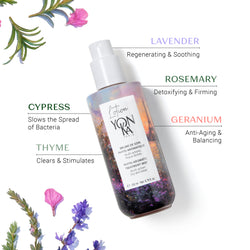
- Essential Oils: In our phyto-aromatic approach, essential oils like those found in the Yon-Ka Quintessence (lavender, geranium, rosemary, cypress, and thyme) provide more than just a beautiful scent. They help to revitalize and balance the skin’s appearance, turning a basic step into a sensory experience.
The Role of Phyto-Aromatic Skincare
The French approach to beauty has long prioritized the "phyto-aromatic" method—a fusion of plant extracts (phytotherapy) and essential oils (aromatherapy). For dry skin, this is particularly beneficial because botanical extracts are often more bio-compatible with our skin than synthetic alternatives.
Essential oils act as catalysts, helping other hydrating ingredients work more effectively. For example, lavender is known for its calming properties, while geranium helps to balance the look of the skin. When these are combined with nourishing bases like vegetable glycerin or brown seaweed, the cleanser does more than just remove surface debris; it begins the process of skin recovery. You can learn more about this approach in Our Formulas.
Quick Answer: The best cleanser for dry skin is a non-foaming cleansing milk or cream. Look for formulas rich in plant oils, glycerin, and soothing botanicals that cleanse without stripping the skin's natural lipid barrier.
Recommended Yon-Ka Ritual for Dry Skin
At Yon-Ka, we believe skincare is a ritual, not a checklist. For dry skin, the order of operations is vital to ensuring moisture is locked in at every stage.
Step 1: The Gentle Cleanse
Begin with a milk-textured cleanser like Lait Nettoyant. This formula is a favorite in professional treatment rooms because it is silk-like and incredibly gentle. It is designed to respect the skin’s natural balance and is even safe for use on the delicate eye and lip areas.
- How to use: Apply with your fingertips using light, circular motions. You can rinse with lukewarm water or use a soft, damp cloth to remove it.
Step 2: The Phyto-Aromatic Mist
After cleansing, dry skin needs an immediate infusion of moisture. Traditional toners can be drying, but a phyto-aromatic mist like Lotion Yon-Ka PS (formulated specifically for dry skin) is different. It is alcohol-free and saturated with our signature Quintessence.
- Why it works: This mist rehydrates the upper layers of the skin and prepares it to better absorb your serum and moisturizer. It is a cornerstone of our ritual-based approach.
Step 3: Targeted Treatment
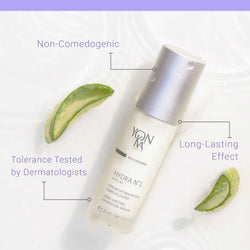
If your skin feels particularly tight, adding a booster or serum is essential. Our Hydra N°1 Serum is an intensive hydrating serum that uses hyaluronic acid and vitamins to deeply hydrate.
Step 4: Deep Moisture
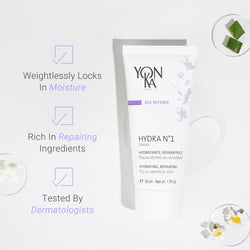
Finish with a rich cream like Hydra N°1 Crème. For dry skin, a cream that provides long-lasting hydration is non-negotiable. Look for ingredients like shea butter and grape seed oil to provide that final layer of protection.
Common Myths About Cleansing Dry Skin
There are several misconceptions that can lead those with dry skin to make the wrong product choices.
Myth: If a cleanser doesn't foam, it isn't cleaning my skin.
Fact: Suds are not a requirement for cleanliness. Emulsifying milks and oils are highly effective at attracting and lifting dirt, oil, and makeup without the need for harsh surfactants.
Myth: People with dry skin don't need to wash their face in the morning.
Fact: While you may not have excess oil in the morning, your skin still accumulates dust, sweat, and the residue of your nighttime products. Using a gentle milk cleanser in the morning ensures a clean canvas for your daytime protection and makeup.
Myth: Hot water helps open pores for a better clean.
Fact: Hot water is one of the worst enemies of dry skin. It strips away natural oils even faster. Always use lukewarm water to preserve your skin's integrity.
Seasonal Adjustments for Dry Skin
Dry skin is rarely static; it changes with the environment. In the winter, low humidity and indoor heating can turn mildly dry skin into a flaky, irritated mess. During these months, you might consider "slugging" or adding a richer balm to your routine.
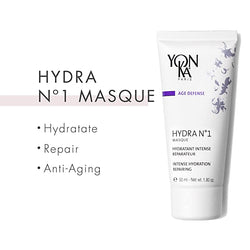
In the summer, though the air is more humid, increased sun exposure and chlorine from pools can still lead to surface dryness. We often recommend incorporating a hydrating mask, such as Hydra N°1 Masque, twice a week during seasonal transitions to give the skin an extra reservoir of moisture.
The Importance of Professional Guidance
While home care is the foundation of healthy skin, professional treatments can provide a "reset" for chronically dry complexions. Estheticians trained in Yon-Ka techniques use specialized massage movements and professional-grade concentrations of active ingredients to deeply nourish the skin.
A professional "Le Grand Classique" facial, for example, includes a deep but gentle cleansing process that most people cannot replicate at home. If you are struggling to manage persistent flaking or dullness, visiting a local spa via our Spa Locator can provide the personalized insights needed to refine your routine.
Expert Tips for Maximizing Your Cleanser
To get the most out of your chosen face wash, consider these professional application tips:
- Apply to Dry Skin: For milk and oil cleansers, try applying them to dry skin first. This allows the oils in the product to better bond with the oils and makeup on your face before water is introduced.
- Take Your Time: Spend at least sixty seconds massaging the cleanser into your skin. This ensures that all impurities are fully emulsified.
- Use Soft Tools: If you prefer using a cloth to remove your cleanser, choose microfiber or a very soft muslin. Traditional terry cloth towels can be too abrasive for dry, sensitive skin.
- The 24-Hour Rule: When introducing a new phyto-aromatic product, we always recommend a patch test on your inner forearm for 24 hours to ensure your skin welcomes the new botanical actives.
Conclusion
Determining which face cleanser is best for dry skin requires moving beyond the surface and looking at how a formula supports the skin's long-term health. By choosing creamy, lipid-rich textures and avoiding harsh sulfates, you can transform the simple act of washing your face into a nourishing, spa-like experience.
At Yon-Ka Paris, we remain dedicated to the belief that botanical science and sensorial ritual should go hand in hand. Our 70-year heritage is rooted in the idea that your skincare should not only improve the appearance of your skin but also provide a moment of daily well-being. If you are still unsure which of our professional-grade formulas is right for your unique needs, we invite you to take our Skin Diagnosis quiz for a personalized recommendation.
Key Takeaway: Cleansing dry skin is not about removal, but about replenishment. By using a gentle milk like Lait Nettoyant followed by a hydrating mist, you preserve the skin's delicate moisture barrier and set the stage for a radiant, supple complexion.
FAQ
Should I use a foaming cleanser if I have dry skin?
Generally, no. Most foaming cleansers use surfactants that can strip away the natural oils dry skin already lacks. It is much better to use a creamy milk or an oil-based cleanser that preserves the skin's lipid barrier while still removing impurities. If you want a broader view of texture options, explore our Face Toners & Mists collection.
How often should someone with dry skin wash their face?
You should wash your face twice a day: once in the morning and once at night. Even if your skin doesn't feel "dirty" in the morning, a gentle cleanse removes overnight metabolic waste and prepares your skin to absorb your morning skincare products more effectively. For more hydrating routine ideas, browse our Serums & Elixirs collection.
Is it normal for my skin to feel tingly when using botanical cleansers?
A slight, brief tingling sensation can sometimes occur when using products with high concentrations of active essential oils, such as our Quintessence. However, if you experience persistent redness, burning, or itching, you should reduce the frequency of use or consult a skincare professional. You can also read more about our approach in Our Ingredients.
Can a cleanser actually help with anti-aging for dry skin?
Yes, indirectly. Dry skin often shows fine lines and wrinkles more prominently. By using a hydrating cleanser that prevents moisture loss and supports the skin barrier, you keep the skin looking "plumped" and smoother, which can reduce the visible signs of premature aging. If this is a priority for you, see our Anti-Aging collection.
Piel seca y deshidratada