Table of Contents
- Introduction
- Understanding Dry Skin: More Than a Surface Issue
- The Essential Ingredients for Dry Facial Skin
- Building a Phyto-Aromatic Ritual for Dryness
- Advanced Solutions for Seasonal and Severe Dryness
- What to Avoid When Treating Dry Skin
- Lifestyle Habits That Support Skin Hydration
- The Role of Professional Expertise
- Conclusion
- FAQ
Introduction
Few things are as disruptive to your morning as the feeling of skin that is two sizes too small. When your complexion feels tight, parched, or shows signs of flaking, it is more than a cosmetic nuisance; it is a signal that your skin’s protective barrier is struggling to retain its vital resources. At Yon-Ka Paris, we believe that addressing dryness requires a move away from heavy, suffocating creams and toward a sophisticated, layered ritual that respects the skin's natural physiology. This guide will explore the botanical actives, essential lipids, and aromatic treatments necessary to restore a supple, glowing appearance to even the most dehydrated face. By understanding the synergy between humectants and emollients, you can transform your daily routine into a sanctuary of hydration. We will detail exactly which formulas and habits provide lasting comfort and resilience.
Understanding Dry Skin: More Than a Surface Issue
Before deciding what to put on your face, it is essential to understand why skin becomes dry in the first place. Skincare professionals often distinguish between "dry" skin and "dehydrated" skin. Dry skin is a skin type—meaning your pores naturally produce less sebum (the skin’s natural oil). Dehydrated skin is a temporary condition where the skin lacks water.
Both concerns involve a compromised acid mantle or skin barrier. Think of your skin cells as bricks and your natural lipids (fats) as the mortar. When this "mortar" is thin or damaged, moisture escapes through a process called Transepidermal Water Loss (TEWL). Environmental factors like cold winter air, indoor heating, and harsh cleansers accelerate this evaporation, leaving the surface rough and dull.
Quick Answer: To effectively treat dry skin, you must apply a combination of humectants (to draw water in) and emollients or occlusives (to seal that water in). A ritual that includes a gentle milk cleanser, a hydrating mist, and a lipid-rich moisturizer is the most effective way to restore a healthy-looking glow. If you want to start with a gentle first cleanse, try Lait Nettoyant.
The Essential Ingredients for Dry Facial Skin
When scanning an ingredient label, you should look for specific plant-based actives that mimic or support the skin’s natural functions. We prioritize ingredients that offer both immediate relief and long-term support for the appearance of the skin barrier.
Humectants: The Water Magnets
Humectants are ingredients that attract water molecules like a sponge. They pull moisture from the air or from the deeper layers of the dermis up to the surface.
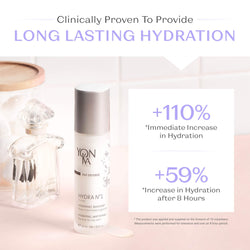
- Hyaluronic Acid: A superstar molecule that can hold many times its weight in water. In our Hydra n°1 range, we use multiple weights of hyaluronic acid to provide multi-level hydration.
- Glycerin: A classic, reliable humectant that helps the skin feel soft and supple while preventing irritation.
- Aloe Vera: Known for its soothing properties, aloe provides a burst of moisture while calming the look of redness often associated with dryness.
Emollients: The Smoothing Agents
Emollients fill in the tiny gaps between skin cells, smoothing out the appearance of flakes and restoring flexibility to the skin.
- Squalane: A plant-derived lipid that mimics the skin's natural sebum. It provides deep nourishment without a greasy after-feel.
- Shea Butter: Rich in fatty acids, shea butter is an excellent emollient for very dry skin types that need an extra layer of protection.
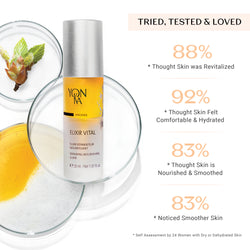
- Vegetable Oils: Oils like jojoba, hazelnut, and grape seed (found in many of our elixirs) provide the essential fatty acids required for a resilient-looking barrier. For more on our formulas and plant-based approach, explore our phyto-aromatic formulations.
Occlusives: The Protective Seal
Occlusives create a physical barrier on the surface of the skin to prevent water from evaporating. While some synthetic occlusives can feel heavy, botanical waxes and certain plant oils provide this "seal" while allowing the skin to breathe.
Building a Phyto-Aromatic Ritual for Dryness
We believe that skincare is a ritual, not a chore. For dry skin, the order of application is just as important as the products themselves. By layering your products correctly, you ensure that every drop of moisture is captured and held within the skin. If you want a hydrating toner designed for this step, see Lotion Yon-Ka PS.
Step 1: Gentle, Barrier-Respecting Cleansing
The most common mistake for those with dry skin is using a foaming or "squeaky clean" cleanser. Harsh surfactants (cleansing agents) like SLS can strip away the very lipids your skin is already lacking.
Instead, look for a milk-based cleanser like Lait Nettoyant. This gentle formula removes makeup and impurities while maintaining the skin's natural pH and moisture balance. When washing, always use lukewarm water; hot water can further dissolve the skin's protective oils.
Step 2: The Critical Hydration Mist
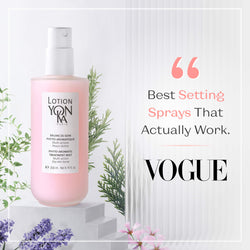
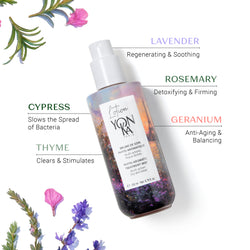
Immediately after cleansing and lightly patting the skin dry, use a phyto-aromatic mist. Lotion Yon-Ka PS is the heartbeat of our ritual. It contains our signature Quintessence—an exclusive complex of lavender, geranium, rosemary, cypress, and thyme essential oils.
This mist does more than just smell divine; it rehydrates the upper layers of the skin and acts as a "carrier," helping the serums and creams you apply next to absorb more effectively. Never let your face "air dry" after washing; apply your mist while the skin is still slightly damp to lock in that extra water.
Step 3: Targeted Serum or Booster
If your skin feels chronically tight, a moisturizer alone might not be enough. This is where a targeted treatment comes in.
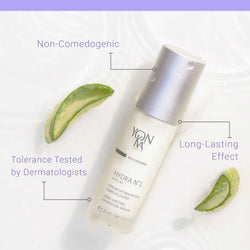
- Hydra n°1 Serum: This is an intense hydration "recharger." It uses a high concentration of hyaluronic acid to quench parched skin.
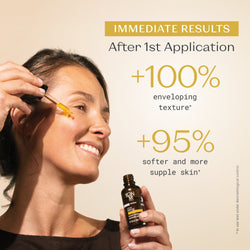
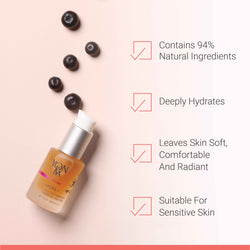
- Nutri+ Booster: For skin that feels "thin" or lacks oil, adding a few drops of this oil-based booster to your cream provides a surge of vitamins and nourishing plant oils.
Step 4: Moisturize and Protect
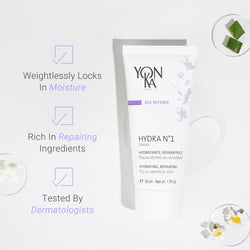
The final step in your morning and evening routine should be a cream that provides long-lasting comfort. Hydra n°1 Crème is specifically designed for dry or sensitive skin, providing both repair and protection. During the day, always finish with sun protection, as UV damage can weaken the skin barrier and lead to further dryness.
Key Takeaway: The "damp skin" rule is the most effective way to boost hydration. Applying your toner, serum, and moisturizer to slightly moist skin traps significantly more water than applying products to a completely dry face.
Advanced Solutions for Seasonal and Severe Dryness
Sometimes, the change in seasons or a period of high stress requires more intensive care. If you notice your usual routine isn't quite cutting it, consider these professional-level additions. If you want to extend an in-spa hydration ritual at home, explore Hydra Yon-Ka.
The Power of the Overnight Mask
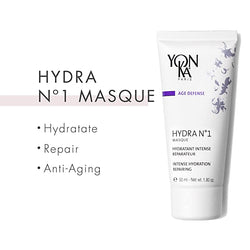
While you sleep, your skin goes into "repair mode," making it the perfect time to apply a high-concentration treatment. Hydra n°1 Masque can be applied in a thin layer and left on overnight. This allows the botanical extracts and oils to deeply penetrate the skin, so you wake up with a visibly plumped and refreshed complexion.
Gentle Exfoliation (Yes, Even for Dry Skin)
It may seem counterintuitive to exfoliate dry skin, but a buildup of dead skin cells can actually prevent your moisturizers from absorbing. However, you must avoid harsh physical scrubs.
Gommage Yon-Ka is a professional-grade, grain-free exfoliator. It uses plant extracts to gently "peel" away dead skin without any scratching or irritation. Using this once or twice a week ensures your skin remains smooth and receptive to hydration.
Boosting Lipids with Omega Acids
For mature skin or those in extremely cold climates, the skin often loses its ability to produce essential fats. Serum Omega is a lipid-restoring oil-in-serum that helps to reinforce the skin's architecture. It provides the "mortar" your skin needs to feel resilient and bouncy again.
What to Avoid When Treating Dry Skin
Knowing what not to put on your face is just as important as knowing what to include. Certain ingredients, while effective for other skin types, can be disastrous for a dry complexion.
- Drying Alcohols: Ingredients like SD Alcohol 40 or Isopropyl Alcohol evaporate quickly, taking your skin’s internal moisture with them. (Note: "Fatty alcohols" like Cetyl or Stearyl alcohol are actually beneficial and moisturizing).
- Harsh Sulfates: Avoid Sodium Lauryl Sulfate (SLS), which is a powerful degreaser that can damage the skin barrier.
- Synthetic Fragrances: These are a common cause of irritation and "stinging" on dry, compromised skin. We use only natural essential oils for their aromatic and therapeutic benefits.
- Over-Exfoliation: Using strong acids (AHAs/BHAs) or retinoids too frequently can cause "peeling" and increased sensitivity. If you use these actives, always "sandwich" them between layers of moisture and introduce them slowly.
Note: When introducing any new product, especially those containing active botanicals or essential oils, we recommend a patch test on your inner forearm for 24 hours. Introduce one new formula at a time to see how your skin responds. A slight, fleeting tingling can be normal, but persistent redness means you should reduce frequency.
Lifestyle Habits That Support Skin Hydration
What you put on your face works best when supported by how you treat your body. Skincare is a holistic endeavor.
- Use a Humidifier: Especially in the winter or in desert climates, a humidifier adds moisture back into the air, reducing the amount of water that evaporates from your skin while you sleep.
- Stay Hydrated from Within: While drinking water doesn't "cure" dry skin directly, a hydrated body provides a better foundation for healthy skin cells.
- Eat Healthy Fats: Incorporating Omega-3 fatty acids (found in walnuts, flaxseeds, and fatty fish) helps support your skin's natural lipid production.
- Temperature Control: Keep your showers short and use lukewarm water. High heat strips the skin of its natural protective oils instantly.
The Role of Professional Expertise
While a home ritual is the foundation of healthy skin, professional treatments can provide a "reset" for the complexion. Our heritage at Yon-Ka is rooted in the treatment room. Professional estheticians have access to higher-concentration formulas and specialized techniques—like aromatic compressions and lymphatic drainage—that can deeply infuse the skin with moisture. Learn more about our spa heritage and professional approach through our story.
If your skin remains persistently dry, itchy, or red despite your best efforts, it is always wise to consult a dermatologist or a professional physician to rule out underlying medical conditions like eczema or rosacea. You can find a certified professional near you using our Spa Locator to experience a personalized hydration treatment.
Myth: Oils are the only thing you need for dry skin. Fact: Oils provide lipids (emollients), but they do not provide water. For truly hydrated skin, you need humectants (like Hyaluronic Acid) to provide water, and then oils to seal that water in. Using an oil alone on dehydrated skin can actually leave it feeling parched underneath.
Conclusion
Managing dry skin is an art of balance. By combining high-performance botanicals like hyaluronic acid and squalane with the sensorial power of the Quintessence, you can move beyond simple "moisturizing" and into the realm of true skin health. A consistent ritual—cleansing with a gentle milk, misting with a phyto-aromatic toner, and layering targeted serums with rich creams—will help restore the appearance of a luminous, comfortable complexion.
"Skincare is not just about the surface; it is a moment of connection with yourself. When we nourish the skin with the finest elements of nature, we are honoring the body's natural resilience."
We invite you to discover your perfect match by taking our Skin Diagnosis quiz or exploring our dedicated collection for dry and dehydrated skin through our collections page. At Yon-Ka Paris, our 70-year legacy of phyto-aromatic expertise is dedicated to helping you achieve skin that feels as beautiful as it looks. For a broader range of hydration-first formulas, you can also browse our serums and elixirs.
FAQ
What is the best way to apply moisturizer for dry skin?
Apply your moisturizer while your skin is still slightly damp from your toner or mist. This "traps" the water on the surface of the skin, allowing the humectants in your cream to bind that moisture to your cells more effectively than applying to a dry face.
Can I use retinol if I have dry skin?
Yes, but you must be cautious. Retinol can increase dryness and flaking, so it is best to "buffer" it by applying a moisturizer first, or by mixing it with a nourishing oil like Serum Omega. Start with a low frequency—once or twice a week—and prioritize hydration on your "off" nights.
Why does my face still feel dry after I put on lotion?
If your lotion is too thin or contains mostly water without enough "occlusives" (like shea butter or oils), the moisture will simply evaporate. You likely need a richer cream like Hydra n°1 Crème or the addition of a booster like Nutri+ Booster to provide the lipids necessary to seal moisture into the skin.
Is a face oil better than a cream for dry skin?
Neither is "better" on its own; they serve different purposes. Creams usually contain a mix of water (to hydrate) and oil (to protect), while face oils provide only lipids. For the best results, use a hydrating serum or cream first, then press a few drops of oil on top to act as a protective barrier.
Piel seca y deshidratada