Table of Contents
- Introduction
- The Science of Inner Hydration
- Essential Fatty Acids: The Foundation of Suppleness
- The Role of Vitamins in Dermal Integrity
- Minerals That Support Repair and Protection
- Hydrating from Within: Beyond the Water Glass
- Creating a Holistic Phyto-Aromatic Ritual
- Foods and Habits to Avoid
- Lifestyle Factors for Lasting Moisture
- Summary of Skincare Superfoods
- Conclusion
- FAQ
Introduction
Dry skin can feel like a constant tug-of-war with your own comfort. Whether it is the seasonal tightness of winter or a persistent, flaky texture that disrupts your makeup, the search for a supple, luminous complexion often leads us to the vanity mirror. However, at Yon-Ka Paris, we have spent seven decades learning that the most resilient skin is nurtured from two directions: the professional phyto-aromatic treatments applied to the surface and the nutrient-dense fuel provided from within.
This post explores the biological connection between your plate and your pores, identifying the specific vitamins, minerals, and healthy fats that support a strong moisture barrier. We will discuss how to choose foods that act as internal moisturizers and how to pair them with a targeted skincare ritual. Understanding what to eat for dry skin on face is the first step toward a holistic transformation that radiates health from the inside out, and our Dry & Dehydrated Skin collection can help support that goal.
Quick Answer: To support dry skin from within, focus on foods rich in Omega-3 fatty acids (like salmon and walnuts), Vitamin E (avocados and sunflower seeds), and Vitamin C (red peppers and citrus). These nutrients help fortify the skin's lipid barrier, preventing moisture from evaporating and keeping the complexion looking plump and hydrated.
The Science of Inner Hydration
To understand how food impacts the face, we must first look at the skin barrier, known scientifically as the stratum corneum. Often described using a "brick and mortar" analogy, this outermost layer consists of skin cells (the bricks) held together by a rich matrix of lipids (the mortar). These lipids, which include ceramides, cholesterol, and fatty acids, are responsible for keeping irritants out and vital moisture in.
When this barrier is compromised, a process called Transepidermal Water Loss (TEWL) accelerates. This means the water inside your skin simply evaporates into the air, leaving the surface feeling rough, itchy, and parched. While topical creams provide essential protection, the raw materials your body needs to "manufacture" that high-quality mortar come directly from your diet, and you can explore the same ingredient philosophy in Our Ingredients.
Because the skin is the body’s largest organ but often the last to receive systemic nutrients, a consistent intake of skin-supporting elements is necessary. If your diet is lacking in essential fats or vitamins, your skin is often the first place to show signs of depletion.
Essential Fatty Acids: The Foundation of Suppleness
If you want to know what to eat for dry skin on face, the conversation must begin with essential fatty acids (EFAs). These are fats that your body cannot produce on its own, meaning they must be sourced from your diet. They are the primary building blocks of the skin’s natural oils. For a deeper look at how moisturizers help hold water in the skin, see How Moisturizing Works & Why Your Skin Needs It.
Omega-3 Fatty Acids for Deep Comfort
Omega-3s are famous for their ability to soothe inflammation. For individuals dealing with dry skin that also appears red or feels sensitive, these fats are transformative. They help regulate the skin's oil production and improve the integrity of the cell membrane, allowing each cell to hold onto more water.
- Fatty Fish: Salmon, mackerel, and sardines are premier sources of EPA and DHA, the most bioavailable forms of Omega-3. Aim for at least two servings per week to support a more resilient skin texture.
- Plant-Based Seeds: Chia seeds, flaxseeds, and walnuts provide ALA, a plant-based Omega-3. While the body must convert ALA into a usable form, these seeds also offer fiber and antioxidants that support overall skin health.
Omega-6 and the Lipid Barrier
While often viewed as less "glamorous" than Omega-3, Omega-6 fatty acids, particularly linoleic acid, are vital for preventing scaly, parched skin. A deficiency in linoleic acid is one of the most common dietary links to chronic dryness.
- Sunflower Seeds: These are an easy, crunchy addition to salads and are packed with the fats needed to "fill in the gaps" of a thinning moisture barrier.
- Evening Primrose Oil: Though often taken as a supplement, this oil is a potent source of GLA (Gamma-Linolenic Acid), which has been studied for its ability to improve the appearance of skin smoothness and hydration.
Key Takeaway: Essential fatty acids act as the "mortar" for your skin barrier. Increasing your intake of oily fish and seeds can help reduce the appearance of flakiness by slowing down moisture evaporation.
The Role of Vitamins in Dermal Integrity
Vitamins act as the biological catalysts that allow your skin to repair itself and produce the proteins—like collagen and elastin—that keep it looking youthful. To learn more about the botanical rigor behind our formulas, visit Our Formulas.
Vitamin A: The Cellular Architect
Vitamin A is essential for cellular turnover. It ensures that new, healthy skin cells are constantly moving to the surface, replacing the old, dry, and damaged ones. Without enough Vitamin A, the skin can become thick, rough, and prone to "follicular hyperkeratosis," or tiny dry bumps.
- Sweet Potatoes and Carrots: These contain high levels of beta-carotene, which the body converts into Vitamin A. They are also rich in antioxidants that protect the skin from environmental stressors.
- Beef Liver: For those who consume animal products, beef liver is the most concentrated source of preformed Vitamin A (retinol), offering a significant boost to the skin's repair mechanisms.
Vitamin C: The Collagen Catalyst
You likely know Vitamin C for its immune-boosting properties, but it is also a mandatory co-factor for collagen synthesis. Collagen provides the structural "scaffold" for your skin. When this scaffold is strong, the skin appears plump; when it weakens, fine lines become more apparent—a common side effect of dehydration.
- Sweet Red Peppers: Remarkably, red peppers contain more Vitamin C per serving than most citrus fruits. Eating them raw ensures you get the full benefit, as heat can break down this delicate vitamin.
- Kiwi and Citrus: Oranges, grapefruits, and kiwi provide a refreshing dose of Vitamin C along with bioflavonoids, which help the body utilize the vitamin more effectively.
Vitamin E: The Invisible Shield
Vitamin E is a fat-soluble antioxidant that travels through your skin's sebum (oil) to the surface. Its primary job is to protect the skin’s natural fats from "oxidizing," or becoming damaged by the sun and pollution. When your natural oils are healthy and protected, they do a better job of lubricating the skin.
- Almonds: Just a handful of almonds provides a substantial portion of your daily Vitamin E requirement.
- Avocados: This creamy fruit is a dry-skin powerhouse. It provides Vitamin E alongside monounsaturated fats that help the skin look "dewy" and feel soft to the touch.
Bottom line: Focusing on a "rainbow" of produce ensures you receive the Vitamin A, C, and E necessary to support cellular renewal and collagen production, both of which are essential for combating the look of dry, aging skin.
Minerals That Support Repair and Protection
While vitamins often get the spotlight, trace minerals are the unsung heroes of skin health, particularly when it comes to repairing damage caused by extreme dryness.
Zinc for Barrier Repair
Zinc is essential for protein synthesis and the healing of tissues. If your dry skin has reached the point of being cracked, irritated, or "raw," zinc is the mineral you need. It helps the skin repair these micro-tears and regulates the production of oil, ensuring the surface remains protected without being overly greasy.
- Oysters: These are the most zinc-dense food on the planet. Even a small serving occasionally can provide a significant boost to skin health.
- Pumpkin Seeds: A great plant-based alternative, pumpkin seeds are also rich in magnesium, which supports the skin’s ability to manage stress.
Selenium for Elasticity
Selenium works alongside Vitamin E to protect cell membranes. It plays a role in maintaining skin elasticity, which is often the first thing to go when the skin is chronically dehydrated.
- Brazil Nuts: This is the most efficient way to get your selenium. Consuming just two Brazil nuts a day is typically enough to meet your entire daily requirement.
Hydrating from Within: Beyond the Water Glass
We are often told that drinking eight glasses of water is the "cure" for dry skin. However, if your skin barrier is "leaky" due to a lack of fats and vitamins, that water will simply pass through your system without reaching the epidermis. The key is to support your body's ability to hold onto that water. For more practical hydration tips, read 5 Tips to Always Keep Your Skin Hydrated.
Eating Your Water
One of the most effective ways to hydrate is by eating foods with high water content. These "structured" waters found in plants are often bundled with minerals and electrolytes that help the water move into your cells more efficiently.
- Cucumbers: At 96% water, cucumbers also contain silica, a trace element that strengthens the connective tissues in the skin.
- Watermelon and Celery: These provide a refreshing way to hydrate while delivering antioxidants like lycopene, which helps the skin defend itself against UV-induced dryness.
The Power of Green Tea
Green tea is rich in polyphenols—antioxidants that have been shown to improve the appearance of skin smoothness and hydration. It can help reduce the redness often associated with dry, irritated complexions. Try replacing a second or third cup of coffee with green tea to avoid the dehydrating effects of excessive caffeine.
Creating a Holistic Phyto-Aromatic Ritual
At Yon-Ka Paris, we believe that nature is the most sophisticated laboratory. Our founders, the Mühlethaler family, pioneered the use of essential oils and botanical extracts to support the skin's natural functions. If you want to explore that heritage, start with our brand story. While your diet builds the internal foundation, a consistent topical ritual is necessary to seal in that moisture and protect the surface from the elements.
The Foundation: Gentle Cleansing
The biggest mistake people with dry skin make is using harsh, foaming cleansers that strip away the very lipids you are trying to build through your diet. We recommend a gentle, barrier-respecting milk like Lait Nettoyant. It cleanses the skin without disrupting the delicate acid mantle, leaving the face feeling soft and balanced.
The Preparation: Phyto-Aromatic Mist
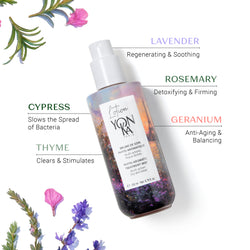
After cleansing, it is vital to rehydrate the surface immediately. Our signature Lotion Yon-Ka PS is much more than a toner. This phyto-aromatic mist, infused with our core Quintessence—lavender, geranium, rosemary, cypress, and thyme—prepares the skin to absorb the active ingredients in your serums and moisturizers.
The Treatment: Targeted Hydration
When your skin feels particularly depleted, look for formulas that mirror the nutrients found in a healthy diet.
- Serum Omega: This is our "lipid-restoring" powerhouse. Just as you eat Omega-3s for your heart and skin, this serum provides those same essential fatty acids topically to immediately reinforce the skin barrier.
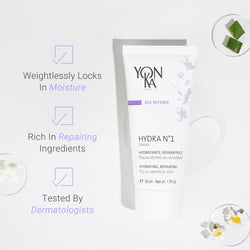
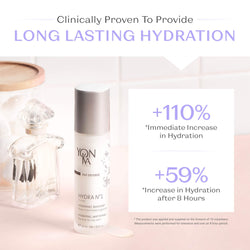
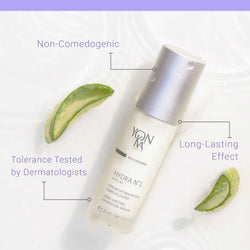
- Hydra N°1 Creme: For deep, long-lasting hydration, this cream uses hyaluronic acid and aloe vera to pull moisture into the skin, while shea butter and hazelnut oil lock it in.
Note: When introducing a new botanical product into your ritual, we always recommend a simple patch test. Apply a small amount to your inner forearm and wait 24 hours. While our essential oils are expertly blended for safety and efficacy, every individual's skin is unique.
Foods and Habits to Avoid
Just as certain foods can help the appearance of dry skin, others can actively undermine your efforts.
Myth: "Oily foods cause oily skin, so I should avoid all fats." Fact: This is a widespread misconception. High-quality fats (like those in avocados and fish) are essential for a healthy skin barrier. It is actually high-sugar foods and refined carbohydrates that are more likely to cause skin issues by triggering inflammation and glycation, which breaks down collagen.
- Alcohol: Alcohol is a known diuretic, meaning it forces water out of the body. It also depletes Vitamin A levels, which are crucial for skin repair.
- Excessive Salt: Too much sodium can cause the body to pull water from its cells to balance the bloodstream, leading to a "puffy" yet dehydrated appearance.
- High-Sugar Diets: Sugar triggers systemic inflammation, which can exacerbate conditions like eczema or general dryness.
Lifestyle Factors for Lasting Moisture
Beyond what you eat, how you live impacts your skin's ability to stay hydrated.
- Use a Humidifier: Especially in the winter months when indoor heating strips the air of moisture, a humidifier can help prevent your skin from drying out overnight.
- Short, Lukewarm Showers: Hot water dissolves the natural oils on your skin's surface. Keep your showers under 10 minutes and use lukewarm water to preserve your lipid barrier.
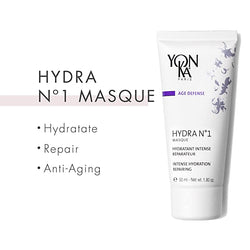
- Moisturize While Damp: The best time to apply your Hydra N°1 Masque or moisturizer is within three minutes of exiting the shower. This helps "trap" the residual water on your skin's surface before it evaporates.
Summary of Skincare Superfoods
For a broader look at hydrating options, explore our face moisturizers.
| Nutrient | Source | Benefit for Dry Skin |
|---|---|---|
| Omega-3 | Salmon, Chia Seeds | Reduces inflammation; strengthens cell membranes. |
| Vitamin E | Avocados, Almonds | Protects skin lipids from oxidative damage. |
| Vitamin A | Sweet Potatoes, Liver | Supports cellular turnover and barrier repair. |
| Vitamin C | Red Peppers, Kiwi | Essential for collagen synthesis and barrier lipids. |
| Zinc | Oysters, Pumpkin Seeds | Heals micro-tears; regulates natural oil production. |
| Silica | Cucumber, Celery | Improves water retention and tissue strength. |
Conclusion
Nourishing dry skin is a dual-layered process. By incorporating essential fatty acids, skin-supporting vitamins, and hydrating minerals into your daily meals, you provide your body with the tools it needs to maintain a healthy, resilient barrier. When you pair this internal support with the botanical expertise of Yon-Ka, you create an environment where your skin can truly thrive.
Skincare is more than a series of steps; it is a ritual of self-care that acknowledges the deep connection between how we treat our bodies and how we face the world. For 70 years, Yon-Ka Paris has remained committed to this holistic vision, blending pharmaceutical rigor with the sensorial power of plant sciences.
If you are unsure which topical products will best complement your new skin-focused diet, we invite you to take our Skin Diagnosis quiz.
You can also use our Product Matcher tool on our website.
You can also visit our Spa Locator to find a certified professional who can provide a personalized phyto-aromatic treatment tailored to your specific needs.
"True beauty is a reflection of harmony—between the science of nature, the nutrition we choose, and the rituals we keep."
FAQ
Can drinking more water fix dry skin on my face?
While staying hydrated is important for overall health, drinking water alone won't fix dry skin if your skin barrier is compromised. You must also consume healthy fats and vitamins to help your skin "trap" and retain that moisture.
How long does it take for dietary changes to show on my skin?
Skin cells typically take about 28 to 40 days to renew. You may start to feel a difference in skin comfort within a few weeks, but significant visible changes in texture and glow usually require consistent nutritional changes for at least one to two months.
Are there any specific fruits that help with dry skin?
Yes, avocados are excellent for their healthy fats and Vitamin E, while citrus fruits and kiwis provide the Vitamin C necessary for collagen production. Cucumbers and watermelons are also great for providing "structured" hydration through their high water content.
Do I still need moisturizer if I eat a skin-healthy diet?
Yes, topical moisturizer is essential for protecting the skin from environmental factors like wind, pollution, and indoor heating. A diet provides the building blocks, but a moisturizer like those from Yon-Ka acts as a protective shield to prevent the moisture you've built from escaping.
Piel seca y deshidratada