Table of Contents
- Introduction
- Identifying Sudden Dry Skin on the Face
- Primary Causes of Sudden Facial Dryness
- How to Restore Your Skin’s Moisture Barrier
- Target Ingredients for Dryness
- Myth vs. Fact: Understanding Dryness
- Essential Oil Safety and Sensitivity
- When to See a Professional
- Conclusion
- FAQ
Introduction
Waking up to a complexion that feels tight, looks flaky, or appears unusually dull can be a frustrating experience, especially when your routine hasn’t changed. This abrupt shift in your skin’s texture and comfort level is often a signal that your moisture barrier has been compromised. At Yon-Ka Paris, we believe that understanding the "why" behind your skin's behavior is the first step toward restoring its natural radiance and resilience. Sudden facial dryness is rarely a mystery; it is typically the result of specific environmental triggers, lifestyle shifts, or internal biological changes that disrupt the delicate balance of oils and water in your skin. In this article, we will explore the common culprits behind this condition and provide professional, phyto-aromatic solutions to help you regain a soft, supple, and healthy-looking glow.
Quick Answer: Sudden dry skin on the face is often caused by a combination of environmental factors like cold weather or low humidity, lifestyle habits such as hot showers, or using harsh skincare products that strip the natural moisture barrier. Addressing it requires a consistent ritual of gentle cleansing, intense hydration, and lipid-rich protection.
Identifying Sudden Dry Skin on the Face
Before diving into the causes, it is essential to recognize what sudden dryness looks like. Unlike a naturally dry skin type, which someone may have had since birth, sudden dryness is often a temporary condition or a state of "dehydration."
While people often use these terms interchangeably, there is a distinct difference in the world of professional skincare. Dry skin lacks oil (sebum), whereas dehydrated skin lacks water. When dryness appears suddenly, you may notice:
- Visible flaking or peeling, especially around the nose and mouth.
- A "crinkled" texture or fine lines that seem to appear overnight.
- A persistent feeling of tightness, especially after cleansing.
- Redness or increased sensitivity to products that usually feel fine.
- An ashy or gray cast on deeper skin tones.
Understanding these symptoms helps us narrow down whether your skin is reacting to a temporary stressor or if your moisture barrier needs a deeper, long-term intervention.
Primary Causes of Sudden Facial Dryness
Environmental Shifts and Climate
The environment is perhaps the most common trigger for sudden changes in skin hydration. Your skin acts as a living interface between you and the world, and it is highly reactive to the air around it.
The Winter Effect: In many regions, the transition to winter brings a sharp drop in humidity. Cold air holds less moisture than warm air, and this "thirsty" air pulls water out of your skin through a process called transepidermal water loss (TEWL). When you move from the freezing outdoors to a heated indoor environment, the problem is compounded.
Indoor Heating and Air Conditioning: Central heating, space heaters, and wood-burning stoves create a very dry indoor climate. This parched air saps the moisture from the uppermost layers of the epidermis, leading to that familiar winter "itch" and tightness. Similarly, constant air conditioning in the summer months can have a dehydrating effect, stripping the skin of the humidity it needs to remain supple.
The Impact of Hot Water and Cleansing Habits
While a steaming hot shower might feel like the perfect way to unwind, it is often a primary cause of sudden facial dryness.
Thermal Damage: Hot water effectively melts the natural lipids (oils) that keep your skin barrier intact. When these lipids are washed away, your skin loses its ability to seal in moisture. If you find your face feels tight or looks red immediately after bathing, the temperature is likely too high.
Over-Cleansing: Washing your face too frequently or using water that is too hot can disrupt the acid mantle—a thin, slightly acidic film on the skin's surface that acts as a barrier to bacteria and moisture loss. We recommend using lukewarm water and limiting facial cleansing to twice a day to preserve this essential protective layer. For a gentler start to your routine, the Face Cleansers & Makeup Removers collection offers options designed to cleanse without over-stripping.
Harsh Ingredients and Over-Exfoliation
Sometimes, the very products we use to improve our skin can lead to sudden dryness if they are too aggressive or used incorrectly.
Drying Alcohols and Sulfates: Many conventional toners and cleansers contain high concentrations of denatured alcohol or harsh surfactants like sodium lauryl sulfate (SLS). These ingredients are designed to "degrease" the skin, but they often go too far, stripping away the essential oils required for a healthy barrier.
The Trap of Over-Exfoliation: It is tempting to scrub away flakes when your skin looks dry. However, mechanical exfoliants (like grainy scrubs) or high concentrations of chemical exfoliants (like AHAs and BHAs) can cause micro-tears or chemical burns if overused. This damages the skin barrier further, creating a cycle of more dryness and more irritation.
Active Ingredients: Starting a new high-potency treatment, such as a prescription retinoid or a strong Vitamin C serum, can cause a temporary "purge" or adjustment period characterized by dryness and peeling. This is often a sign that the skin's cellular turnover is accelerating faster than the barrier can keep up with.
Biological Changes and Aging
As we move through different stages of life, our skin’s internal chemistry changes. These shifts can sometimes manifest as sudden dryness.
Hormonal Fluctuations: Changes in estrogen and progesterone levels—during pregnancy, the postpartum period, or menopause—can significantly impact sebum production. A drop in estrogen, in particular, is linked to a decrease in skin thickness and moisture retention.
Natural Aging Processes: Starting in our 40s, the skin naturally begins to produce less sebum. The sweat and sebaceous glands become less active, and the skin’s ability to synthesize hyaluronic acid (a natural humectant that holds 1,000 times its weight in water) declines. While this is a gradual process, certain milestones can make it feel like your skin became dry "all of a sudden."
Underlying Health and Lifestyle Factors
Your skin is a reflection of your internal health. If you are experiencing sudden, persistent dryness that doesn't respond to topical treatments, it may be worth looking at your lifestyle or consulting a physician.
- Dehydration: If you aren't drinking enough water, your skin is often the last organ to receive hydration.
- Dietary Deficiencies: A lack of essential fatty acids (Omega-3 and Omega-6) can weaken the skin's lipid barrier. Vitamins A, D, and E are also crucial for maintaining skin health.
- Medications: Certain drugs, including those for high blood pressure, cholesterol, and acne (like isotretinoin), list dry skin as a common side effect.
- Smoking: Tobacco smoke narrows the tiny blood vessels in the outermost layers of the skin, which depletes oxygen and nutrients like Vitamin A. This results in a dull, dry, and prematurely aged appearance.
How to Restore Your Skin’s Moisture Barrier
The hallmark of Yon-Ka formulations is the focus on balance and restoration. When facing sudden dryness, your ritual should shift away from "correction" and toward "nourishment."
Step 1: Gentle, Barrier-Respecting Cleansing
The first rule of treating dry skin is to stop stripping it. Switch to a creamy, non-foaming cleanser like Lait Nettoyant. This cleansing milk gently lifts away impurities and makeup while maintaining the skin's natural pH and lipid balance. It leaves the skin feeling soft and comforted rather than "squeaky clean," which is often a sign of damage.
Step 2: Prepare with a Phyto-Aromatic Mist
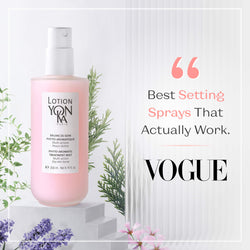
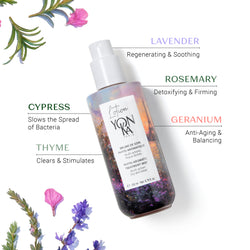
After cleansing, skip the harsh, alcohol-based toners. Instead, use a hydrating mist like Lotion Yon-Ka PS. This signature mist, infused with our solar-charged Quintessence (lavender, geranium, rosemary, cypress, and thyme), rehydrates the skin and prepares it to better absorb the active ingredients in your serums and moisturizers. For more on this type of ritual, see the Face Toners & Mists collection.
Step 3: Layer Intense Hydration and Lipids
For sudden dryness, a "layered" approach is most effective.
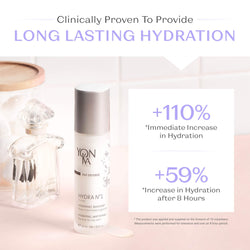
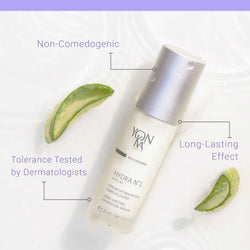
- The Serum: Use a targeted treatment like Hydra N°1 Serum. This formula uses long-lasting rehydrating agents to reach the deeper layers of the epidermis.
- The Oil: If your skin is lacking oil specifically, introducing a lipid-restoring product like Serum Omega can be transformative. It is rich in essential fatty acids that help "glue" skin cells back together, repairing the barrier.
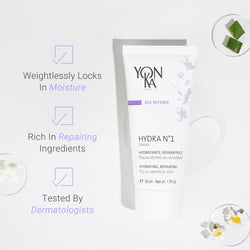
- The Cream: Seal everything in with a rich moisturizer. Hydra N°1 Creme is specifically designed for very dry or dehydrated skin, utilizing hyaluronic acid and shea butter to provide both immediate and long-term comfort.
Step 4: Protect and Repair
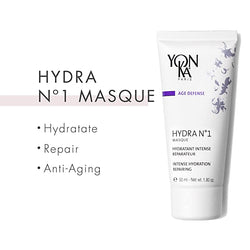
During the day, always finish with sun protection. Sun damage further degrades the skin's ability to hold moisture. At night, consider a deep-repair mask once or twice a week. Hydra N°1 Masque can be applied in a thin layer and left on overnight for an intensive "moisture bath" that repairs the appearance of the skin while you sleep. If you want to browse supportive options, the Face Masks collection is a natural next step.
Key Takeaway: Restoring dry skin is not about applying the heaviest cream possible; it is about a layered ritual that replenishes both water and oil while protecting the skin from further environmental stress.
Target Ingredients for Dryness
When reading labels to address sudden dryness, look for these key plant-based and scientifically proven ingredients:
| Ingredient Type | Examples | Function |
|---|---|---|
| Humectants | Hyaluronic Acid, Aloe Vera, Glycerin | Attracts water into the skin's surface layers. |
| Emollients | Shea Butter, Jojoba Oil, Squalane | Fills in the gaps between skin cells to smooth and soften. |
| Occlusives | Beeswax, Plant Oils | Creates a protective seal to prevent water evaporation (TEWL). |
| Restoratives | Ceramides, Essential Fatty Acids | Rebuilds the actual structure of the skin's moisture barrier. |
For a closer look at the botanical side of the brand, you can also learn about our ingredients.
Myth vs. Fact: Understanding Dryness
Myth: Oily skin cannot be dry or dehydrated. Fact: Oily skin can actually become dehydrated (lacking water), which often causes it to produce more oil to compensate for the lack of moisture. This leads to a complexion that is both oily and flaky at the same time.
Myth: You should exfoliate more to get rid of dry flakes. Fact: While gentle exfoliation helps, over-scrubbing dry skin can worsen the damage to the moisture barrier, leading to more flaking. It is better to hydrate the flakes back into place first. If that is a concern, the Face Moisturizers collection is a helpful place to start.
Essential Oil Safety and Sensitivity
Most Yon-Ka products feature our proprietary Quintessence, a blend of five essential oils. While essential oils provide incredible benefits for the skin’s appearance and your overall sense of wellbeing, they are active botanical ingredients.
When introducing a new product to address sudden dryness, we recommend a simple patch test on your inner forearm for 24 hours. Introduce only one new product at a time so you can monitor how your skin responds. A slight, fleeting tingling can be normal as the botanicals work, but persistent redness or heat suggests you should reduce the frequency of use. If you experience a severe reaction, such as facial swelling, seek medical attention immediately.
When to See a Professional
While most cases of sudden dry skin can be managed with a dedicated at-home ritual and lifestyle changes, some situations require expert intervention.
If your dry skin is accompanied by intense itching, oozing, persistent crusting, or large patches of painful redness, you may be dealing with a medical condition like atopic dermatitis (eczema), psoriasis, or a fungal infection. In these cases, we advise consulting a dermatologist or your primary physician for a diagnosis.
Furthermore, if you are looking for an intensive professional-grade "reset," visiting a Yon-Ka spa professional can provide immediate relief. Treatments like our "Le Grand Classique" or a deep-hydration facial use professional-only concentrations of botanicals to deeply nourish the skin in a way that is difficult to achieve at home alone. You can find a nearby professional using our Spa Locator or explore professional treatments on our website.
Conclusion
Sudden dry skin on the face is a common but manageable concern that often serves as a wake-up call to reassess your environment and skincare habits. By identifying the triggers—whether they are seasonal shifts, lifestyle choices, or the products in your cabinet—you can take decisive steps to support your skin’s health. A consistent, phyto-aromatic ritual that prioritizes gentle cleansing and layered hydration is the most effective path back to comfort.
If you are unsure which products are right for your specific needs, we invite you to take our Skin Diagnosis quiz or use our Product Matcher tool. At Yon-Ka Paris, we believe skincare is more than a routine; it is a ritual of self-care rooted in seventy years of French botanical expertise. Embracing the power of nature allows you to not only treat the appearance of dryness but to fundamentally support the long-term vitality of your skin.
Bottom line: Sudden dryness is usually a sign of a compromised barrier; healing it requires removing irritants and replenishing essential moisture and lipids.
FAQ
Why is my face suddenly so dry even when I moisturize?
If you are moisturizing but still feel dry, you might be using a product that only sits on the surface without actually repairing the barrier. You may also need to add a humectant (like a hyaluronic acid serum) underneath your cream to pull moisture into the skin, or exfoliate gently with Gommage Yon-Ka to remove dead skin cells that are blocking your moisturizer from absorbing.
Can stress cause sudden dry skin on my face?
Yes, high stress levels trigger the production of cortisol, which can disrupt the skin’s natural barrier function and its ability to retain water. Stress can also exacerbate existing conditions like eczema or psoriasis, both of which manifest as extreme dryness and irritation.
Is it better to apply moisturizer to wet or dry skin?
It is always best to apply your treatments and moisturizers to slightly damp skin. This helps "trap" the moisture on the surface and allows for better penetration of active ingredients. Using a mist like Lotion Yon-Ka PS immediately before your serum is an excellent way to ensure your skin is perfectly prepared.
How long does it take for sudden dry skin to improve?
With a consistent and appropriate ritual, you should feel an improvement in skin comfort almost immediately. However, it typically takes about 28 days—the length of a full skin-cell turnover cycle—to see a significant improvement in the skin's overall texture and barrier resilience. Consistency is the key to lasting results.
Piel seca y deshidratada