Table of Contents
- Introduction
- Understanding Why Dry Patches Appear
- Dry vs. Dehydrated: Knowing the Difference
- The Yon-Ka Ritual for Smoothing Dry Patches
- How to Exfoliate Dry Patches Safely
- Essential Ingredients for Dry Skin
- Lifestyle Adjustments for Lasting Smoothness
- Morning vs. Night: Tailoring Your Ritual
- Common Myths About Dry Skin
- Advanced Solutions for Stubborn Dryness
- Conclusion
- FAQ
Introduction
Finding a rough, flaky patch of skin on your face can be frustrating, especially when it disrupts your makeup or leaves your complexion looking dull. Whether it is a result of a biting winter wind, a change in your environment, or simply a shift in your skin’s natural oil production, these dry areas require a specific, nurturing touch. At Yon-Ka Paris, we believe that treating dry patches is not just about a quick fix; it is about restoring the skin’s delicate ecosystem through professional-grade botanical care. If you are looking for a curated starting point, explore our Dry & Dehydrated Skin collection. In this article, we will explore the common causes of facial dryness, the difference between skin that lacks water and skin that lacks oil, and a targeted ritual to help you achieve a smooth, glowing appearance. By understanding the science of your skin barrier, you can transform these dry spots into a resilient, hydrated canvas.
Quick Answer: To treat dry patches on the face, switch to a creamy, non-foaming cleanser, use a grain-free exfoliator to remove flakes, and layer a hydrating serum under a lipid-rich moisturizer. Consistent use of humectants like hyaluronic acid and barrier-repairing oils will help restore smoothness and comfort.
Understanding Why Dry Patches Appear
Before we can effectively treat the appearance of dry skin, we must understand why these patches occur in the first place. The skin on our face is thinner and more exposed than the skin on much of our body, making it susceptible to various internal and external stressors. For a broader look at formulas designed to support the barrier, you can also browse our face care collection.
The Role of the Skin Barrier
The outermost layer of your skin, often called the moisture barrier or acid mantle, acts as a protective shield. It is composed of skin cells held together by lipids (fats), including ceramides, cholesterol, and fatty acids. When this barrier is healthy, it prevents moisture from evaporating and keeps irritants out. However, when the barrier is compromised, water escapes—a process known as transepidermal water loss (TEWL)—leaving the skin vulnerable to dryness, flakiness, and irritation.
Environmental and Lifestyle Triggers
Seasonal shifts are perhaps the most common culprits. During winter, the air holds less moisture, and indoor heating further parches the skin. Conversely, excessive sun exposure in the summer can damage the skin’s surface, leading to a "leaky" barrier.
Lifestyle habits also play a significant role. If you are fond of long, steaming hot showers, you may be unintentionally stripping your face of its natural protective oils. Similarly, using harsh soaps or over-exfoliating with gritty scrubs can create micro-tears and chronic dryness. As we age, our skin’s natural production of sebum (oil) slows down, making dry patches more common after the age of 40.
When to Consult a Professional
While most dry patches can be managed with a consistent skincare ritual, persistent or painful areas may require a specialist's eye. If you notice patches that are intensely itchy, weeping, or accompanied by a spreading rash, it is important to consult a physician or a dermatologist. Conditions such as eczema, psoriasis, or seborrheic dermatitis can mimic simple dryness but require medical diagnosis and specific treatments beyond cosmetic skincare.
Dry vs. Dehydrated: Knowing the Difference
One of the most important lessons in skincare education is distinguishing between dry skin and dehydrated skin. While they may look similar—both can present as rough or tight—they have very different causes and solutions.
- Dry Skin is a Skin Type: If you have a dry skin type, your skin lacks oil (lipids). Your pores are likely small, and your skin may feel tight all over, regardless of the season.
- Dehydrated Skin is a Condition: Dehydration means your skin lacks water. This can happen to anyone, even those with oily or acne-prone skin. Dehydrated skin often looks dull, shows fine lines more prominently, and may feel "tight but oily" at the same time.
Treating patches of dry skin usually requires a two-pronged approach: adding water (hydration) and sealing it in with oil (moisturization). If you only apply oil to dehydrated skin, it will still feel tight underneath. If you only apply water to dry skin, it will evaporate quickly, leaving you right back where you started.
The Yon-Ka Ritual for Smoothing Dry Patches
At Yon-Ka, we prioritize a ritual-based approach that respects the skin’s natural pH and focuses on progressive, long-term health. To treat the appearance of dry patches, we recommend a layered strategy that cleanses, prepares, treats, and protects. If you want to follow a full routine built around this skin need, the Lotion Yon-Ka PS page is a good place to start.
Step 1: Gentle, Barrier-Respecting Cleansing
The first mistake many people make when they see dry flakes is trying to "scrub" them away with a harsh cleanser. This only further damages the skin barrier. Instead, opt for a creamy, milk-based cleanser like Lait Nettoyant.
Lait Nettoyant is a gentle cleansing milk that removes makeup and impurities while maintaining the skin’s hydro-lipidic film. It contains borneol, a plant extract known for its purifying and soothing properties. When using this, apply it with your fingertips in circular motions and rinse with lukewarm—never hot—water. This ensures your skin stays soft and comfortable before you even reach for your moisturizer.
Step 2: The Phyto-Aromatic Mist
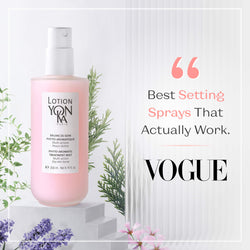
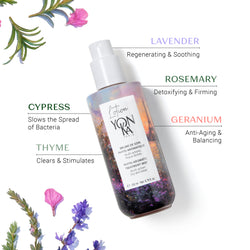
After cleansing, it is essential to prepare the skin for the treatments to follow. Most traditional toners contain alcohol, which can be incredibly drying. Our signature mist, Lotion Yon-Ka PS, is alcohol-free and provides an immediate surge of hydration.
Lotion Yon-Ka PS (specifically formulated for dry skin) features our iconic Quintessence—a blend of lavender, geranium, rosemary, cypress, and thyme essential oils. This mist does more than just refresh; it helps to rebalance the skin and enhances the absorption of subsequent serums and creams. By applying your moisturizer while the skin is still slightly damp from the mist, you lock in that extra layer of hydration.
Step 3: Targeted Treatment with Serums
To address stubborn patches, you need concentrated ingredients that can penetrate the surface layers. Depending on whether your skin is lacking water or oil, we recommend two different approaches:
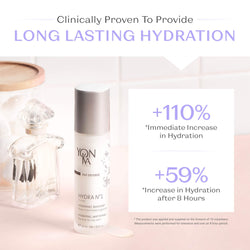
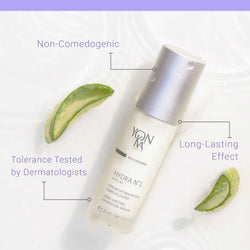
- For Dehydration (Lack of Water): Use Hydra n°1 Serum. This creamy, non-oily serum contains a high concentration of hyaluronic acid, a powerful humectant that can hold up to 1,000 times its weight in water. It acts like a "moisture magnet" for the skin.
- For True Dryness (Lack of Oil): Use Serum Omega. This ultra-nourishing oil-in-serum is rich in Omega 3, 6, and 9 fatty acids derived from botanical oils like blackcurrant and raspberry seed. It is designed to repair the appearance of a damaged barrier and provide the lipids that dry skin desperately needs.
Step 4: Deep Moisturization and Protection
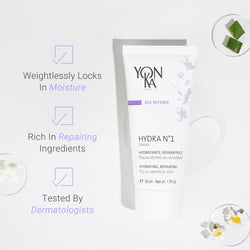
The final step in your daily ritual is applying a moisturizer that acts as a protective "blanket" for your skin. For those struggling with dry patches, Hydra n°1 Crème is an excellent choice. It provides long-lasting hydration and uses shea butter and hazelnut oil to soften the appearance of rough texture.
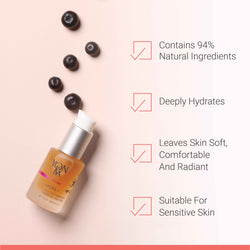
In the evening, you can enhance your cream by adding a few drops of a booster. Our Nutri+ Booster is a nutrient-dense oil that can be mixed directly into your moisturizer to provide an extra dose of antioxidants and essential fatty acids, helping your skin recover while you sleep.
Key Takeaway: Treating dry patches is most effective when you layer products. Start with a water-based mist or serum to hydrate the skin cells, then follow with an oil-rich cream to seal that moisture inside and repair the barrier.
How to Exfoliate Dry Patches Safely
It is tempting to reach for a gritty face scrub when you see flaky skin, but mechanical exfoliation can often aggravate dry patches and cause redness. For dry, sensitive, or reactive skin, we advocate for "grain-free" exfoliation. If you want to see a gentle exfoliating option in context, take a look at Gommage Yon-Ka.
Gommage Yon-Ka is a unique, four-in-one botanical peel that contains no abrasive grains. Instead, it uses carob and white nettle extracts to gently lift away dead skin cells through a rolling effect.
How to use Gommage Yon-Ka for dry patches:
- Apply a thick layer to the face and neck after cleansing.
- Let it sit for 1–2 minutes (it should remain slightly damp).
- Using your fingertips, gently "rub" the product away. It will pill up and take dead skin cells with it.
- Rinse with lukewarm water and follow immediately with Lotion Yon-Ka.
This method allows you to smooth the skin’s surface without the friction that can lead to further inflammation. Consistent, gentle exfoliation (1–2 times per week) ensures that your hydrating products can actually reach the fresh skin underneath, rather than just sitting on top of a layer of dead cells.
Essential Ingredients for Dry Skin
When reading labels to find the best solutions for dry patches, look for these key botanical and scientific ingredients. Each serves a specific purpose in restoring a healthy, comfortable complexion. For more on the brand’s formulation philosophy, you can visit Our Ingredients.
Humectants (The Hydrators)
- Hyaluronic Acid: As mentioned, this is the gold standard for drawing water into the skin. It helps to plump the appearance of fine lines caused by dehydration.
- Glycerin: A classic but highly effective humectant that mimics the skin's natural moisturizing factor.
- Aloe Vera: Known for its soothing properties, it provides immediate relief to parched skin.
Emollients and Occlusives (The Softeners and Protectors)
- Shea Butter: Rich in vitamins and fatty acids, it is incredibly nourishing and helps to smooth rough patches.
- Grape Seed Oil: A lightweight oil high in vitamin E and linoleic acid, perfect for repairing the barrier without feeling overly heavy.
- Ceramides: These are the "glue" between your skin cells. Adding them via skincare helps to rebuild a leaky barrier.
The Phyto-Aromatic Advantage
At Yon-Ka Paris, we integrate aromachology—the study of how scents affect our well-being—into our formulations. Our Quintessence complex (lavender, geranium, rosemary, cypress, and thyme) does more than just provide a beautiful scent. These oils have been used for centuries for their ability to support the skin's natural healing processes and provide a sense of calm, making your skincare routine a true ritual of self-care.
Note: Because our products contain active essential oils, we always recommend a simple patch test when introducing a new formula. Apply a small amount to your inner forearm and wait 24 hours to ensure your skin welcomes the botanical blend. A slight, temporary tingling can be normal, but persistent redness is a sign to reduce frequency.
Lifestyle Adjustments for Lasting Smoothness
Treating dry patches is not just about what you put on your face; it is also about how you treat your body and your environment.
| Factor | Impact on Dry Patches | Recommended Adjustment |
|---|---|---|
| Water Temperature | Hot water strips natural oils. | Use lukewarm water for face and body. |
| Indoor Humidity | Dry air pulls moisture from skin. | Use a humidifier in your bedroom at night. |
| Dietary Fats | Healthy fats support the skin barrier from within. | Incorporate avocados, walnuts, and flaxseeds. |
| Fabric Choices | Rough pillowcases can irritate dry skin. | Switch to silk or high-quality cotton pillowcases. |
Hydration from within is also vital. While drinking water doesn't automatically translate to hydrated skin (your internal organs get first dibs), chronic dehydration can certainly make your skin look more sallow and dry. Aim for consistent water intake throughout the day.
Morning vs. Night: Tailoring Your Ritual
Your skin has different needs depending on the time of day. Your morning routine should focus on protection and preparation for the day ahead, while your evening routine should focus on repair and deep nourishment.
The Morning Ritual
- Cleanse: Use a gentle milk or even just a splash of lukewarm water followed by a mist.
- Hydrate: Apply a hyaluronic acid-based serum like Hydra n°1 Serum.
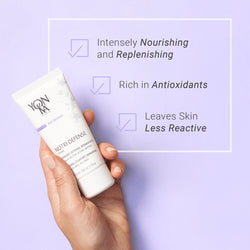
- Protect: Use a moisturizer that includes antioxidants to fight environmental stressors. Vital Defense is an excellent choice as it protects against pollution and oxidative stress.
- Sunscreen: This is non-negotiable. UV damage weakens the skin barrier, making dry patches worse over time.
The Evening Ritual
- Double Cleanse: Use Lait Nettoyant to ensure all makeup and pollution are removed.
- Mist: Saturate the skin with Lotion Yon-Ka.
- Repair: This is the time for your richer oils. Apply Serum Omega or mix Nutri+ Booster into your night cream.
- Specialty Mask: Once or twice a week, apply Glyconight 10% Masque. You can even leave it on overnight as an intensive "sleeping mask" to wake up with incredibly soft skin.
Common Myths About Dry Skin
There is a lot of misinformation regarding how to treat dry patches. Let's clear up some of the most common misconceptions.
Myth: "Oily skin cannot have dry patches." Fact: Oily skin often experiences dehydration. If you use harsh acne treatments, you can strip the surface oil and water, leading to flaky patches on top of oily skin.
Myth: "Drinking more water will fix dry skin." Fact: Dry skin is often a lack of oil (genetics/aging) or a damaged barrier. While water is good for your health, it cannot fix a barrier that is "leaking" moisture due to a lack of lipids.
Myth: "You should scrub away the flakes." Fact: Scrubbing a dry patch is like scratching a wound. It irritates the skin further. Gentle, grain-free exfoliation and deep hydration are the only ways to safely remove flakes.
Advanced Solutions for Stubborn Dryness
If your dry patches seem resistant to standard moisturizers, you may need to look into professional-level treatments or more intensive home care.
For those who want a "reset" for their skin, our Glyconight 10% Masque can be a game-changer. This night mask uses glycolic acid to gently dissolve the bonds between dead skin cells while you sleep, revealing smoother skin by morning. Because it is a chemical exfoliant (AHA), it is often much kinder to dry patches than a physical scrub.
However, the most effective way to address chronic dryness is to visit a professional. Our network of over 7,000 skincare professionals worldwide can provide tailored treatments that go deeper than home care. A professional facial at a Yon-Ka spa involves specialized techniques, like aromatic compresses and professional-strength serums, to deeply infuse the skin with moisture. You can use our Spa Locator to find an authorized partner near you.
Conclusion
Treating patches of dry skin on the face requires a blend of patience, the right botanical ingredients, and a consistent ritual. By moving away from harsh cleansers and abrasive scrubs, and instead embracing a layered approach of hydration and lipid-rich nourishment, you can restore your skin’s natural radiance. Remember that your skin is a living organ that responds to changes in your environment, diet, and stress levels.
At Yon-Ka Paris, we are proud to continue the 70-year legacy of the Mühlethaler family, combining the best of nature and science to help you achieve your most beautiful skin. Whether you are dealing with seasonal dryness or a lifelong dry skin type, there is a phyto-aromatic solution waiting for you.
-
Key Action Items:
- Switch to a non-foaming cleansing milk like Lait Nettoyant.
- Stop using physical scrubs and try the grain-free Gommage Yon-Ka.
- Layer a hydrating serum under a lipid-rich moisturizer every morning and night.
- Use a humidifier in your home to combat dry indoor air.
If you are unsure which products are right for your specific concerns, we invite you to take our Skin Diagnosis quiz or use our Product Matcher tool available on our website. For a quick, guided starting point, you can also browse our best sellers.
Bottom line: Smooth, comfortable skin is a journey, not an overnight fix. Consistency with high-quality, plant-based formulas is the secret to a resilient barrier and a glowing complexion.
FAQ
What is the fastest way to get rid of dry patches on my face?
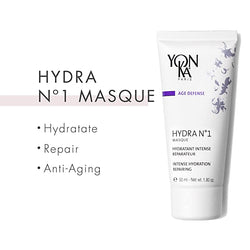
The fastest way to improve the appearance of dry patches is to gently exfoliate with a grain-free product like Gommage Yon-Ka, followed immediately by a moisture-boosting mask. Applying a rich, hyaluronic-acid-based cream while the skin is still damp will provide immediate relief and smoothing. For an intensive overnight treatment, apply Hydra n°1 Masque and leave it on until morning.
Can I use face oil if I have dry patches?
Yes, face oils are excellent for treating dry patches because they provide the essential fatty acids and lipids that dry skin often lacks. However, for best results, apply your oil or an oil-based serum like Serum Omega over a water-based mist or serum. This ensures you are providing both the hydration (water) and the moisturization (oil) your skin needs.
Why do I have dry patches even though I moisturize every day?
If your moisturizer isn't working, it may be because you have a layer of dead skin cells preventing the product from absorbing, or your moisturizer lacks the right balance of humectants and occlusives. Ensure you are exfoliating gently once or twice a week and using a "booster" like Nutri+ to add more nutritive power to your daily cream. Additionally, check if your cleanser is too harsh, as it may be stripping your skin faster than your cream can repair it.
Are essential oils safe for very dry, sensitive skin?
When formulated correctly by professionals, essential oils can be highly beneficial for dry skin. The Yon-Ka Quintessence is designed to be active yet balanced to support the skin's natural functions. However, if you have extremely sensitive skin or a diagnosed condition like rosacea, always perform a patch test on your inner arm and introduce only one new product at a time to monitor your skin’s reaction.
Piel seca y deshidratada