Table of Contents
- Introduction
- The Science Behind Newborn Skin Dryness
- Common Causes of Facial Dryness in Infants
- Differentiating Normal Dryness from Skin Conditions
- How to Treat Dry Skin on Newborns Face: A Gentle Ritual
- The Importance of Ingredient Purity
- Practical Lifestyle Adjustments for Baby's Comfort
- The Yon-Ka Phyto-Aromatic Philosophy
- When to Consult a Pediatrician
- Conclusion
- FAQ
Introduction
There is nothing quite like the soft, delicate feel of a newborn’s skin, but many new parents are surprised to find that "baby soft" often comes with a side of flakiness, peeling, and dry patches. If you have noticed rough spots or "lizard-like" peeling on your infant’s forehead, cheeks, or nose, it is natural to feel a sense of concern. However, in most cases, this dryness is a perfectly normal part of a baby’s transition from the womb to the outside world. At Yon-Ka Paris, we believe that understanding the biology of the skin is the first step toward effective care. This article will explore why newborn facial skin becomes dry, how to distinguish between normal peeling and conditions like eczema, and the most gentle, effective ways to support your little one’s developing skin barrier. By focusing on botanical purity and professional-grade wisdom, you can help restore your baby’s comfort and glow.
For a closer look at the ingredient philosophy that guides our formulas, you can explore our ingredients.
The Science Behind Newborn Skin Dryness
To understand how to treat dry skin on a newborn's face, we must first look at the unique structure of their skin. While it appears perfect, infant skin is actually a work in progress. It is functionally and structurally different from adult skin, and it takes several years to fully mature into the robust protective barrier we have as adults.
The Transition from the Womb
For nine months, your baby lived in a warm, liquid environment, protected by amniotic fluid. During the third trimester, their skin was coated in a thick, waxy substance called vernix caseosa. This "bio-film" acts as a natural moisturizer and antimicrobial barrier. Once born, the baby moves into a dry, air-filled environment. The lack of constant hydration from amniotic fluid, combined with the removal or absorption of the vernix, leads to the top layer of skin drying out and eventually peeling away. This is often referred to as the "newborn molt," and it is a sign that the skin is beginning to renew itself in its new environment.
A Barrier in Development
Research shows that a newborn's skin barrier is roughly 30% thinner than an adult's. This thinness means that moisture evaporates much more quickly—a process known as transepidermal water loss (TEWL). Additionally, the skin cells (corneocytes) are smaller and the "mortar" holding them together—essential lipids like ceramides—is not yet fully developed. Because of this, infant skin is more permeable, meaning it is more sensitive to environmental changes, irritants, and fluctuations in temperature.
The pH Factor
Healthy adult skin is slightly acidic, which helps inhibit the growth of harmful bacteria. Newborns are born with a more neutral skin pH, which gradually becomes more acidic over the first few weeks. This shifting pH level can leave the skin temporarily vulnerable to dryness and sensitivity as the "acid mantle" (the skin's protective film) finds its balance.
If you are interested in the broader formulation principles behind this approach, take a look at our formulas.
Common Causes of Facial Dryness in Infants
Beyond the natural transition following birth, several external factors can exacerbate dryness on a baby’s face. Because the face is constantly exposed to the air, it is often the first place parents notice changes.
Environmental Triggers
The air in our homes can be remarkably drying. During the winter, indoor heating systems strip moisture from the air, leading to low humidity that pulls hydration directly out of the skin. Conversely, in the summer, air conditioning can have a similar dehydrating effect. Outdoors, wind and cold temperatures can cause "windburn," leading to red, chapped cheeks.
Bathing Habits and Water Temperature
While bath time is a precious bonding ritual, it can be a primary culprit for dry skin. Water that is too hot can strip away the natural oils (sebum) that a baby’s skin worked so hard to produce. Furthermore, frequent bathing—especially more than three times a week—can disrupt the delicate balance of the skin barrier before it has a chance to stabilize.
For gentle face care options, browse our cleansers collection.
Contact Irritants
Because babies are often cuddled and held, their facial skin frequently comes into contact with the clothing of their caregivers. Harsh laundry detergents, fabric softeners, or even the perfumes and lotions worn by parents can transfer to the baby’s face, causing localized irritation and dryness. This is known as contact dermatitis, where the skin reacts to a specific external substance.
Differentiating Normal Dryness from Skin Conditions
Not all dry skin is created equal. Being able to identify what you are seeing is essential for determining the right course of action.
Newborn Skin Peeling
This is the most common form of "dryness" seen in the first two weeks of life. It usually looks like thin, translucent flakes of skin peeling away, similar to a very mild sunburn. It is typically not red, itchy, or painful.
Quick Answer: Newborn skin peeling is a natural process that typically resolves on its own within one to two weeks as the baby adjusts to the air. No intensive treatment is usually required other than gentle handling.
Infantile Eczema (Atopic Dermatitis)
Eczema is an inflammatory skin condition that affects a significant percentage of infants. Unlike normal peeling, eczema usually involves:
- Intense redness and inflammation.
- Extreme itchiness (the baby may try to rub their face against bedding).
- Skin that feels very rough or "sandpapery."
- Potential weeping or crusting if the area becomes irritated.
If you suspect eczema, it is important to consult a pediatrician, as this condition often requires a specific management plan to prevent flare-ups.
Cradle Cap (Seborrheic Dermatitis)
While cradle cap is most famous for appearing on the scalp, it can also manifest on the face, particularly around the eyebrows, behind the ears, or on the sides of the nose. It appears as yellowish, oily, or crusty scales. While it may look alarming, it is generally not uncomfortable for the baby and is caused by overactive oil glands rather than true dryness.
How to Treat Dry Skin on Newborns Face: A Gentle Ritual
When addressing dryness on a baby's face, the goal is to support the skin's natural healing process without overwhelming it with heavy chemicals. We recommend a "less is more" approach that mirrors our philosophy of respecting the skin's integrity.
Step 1: Refining the Bathing Experience
Limit facial washing to once a day using only lukewarm water and a soft cotton cloth. If a cleanser is necessary due to milk residue or spit-up, ensure it is soap-free and pH-balanced. Avoid rubbing the skin; instead, use a gentle "patting" motion to dry the face. Leaving the skin slightly damp can actually help the next step of the ritual be more effective.
Step 2: Selecting the Right Moisturizer
For newborns, the best moisturizers are often thick creams or ointments rather than thin lotions. Look for formulas that are fragrance-free and hypoallergenic. Ingredients like hyaluronic acid—a powerful humectant that can hold many times its weight in water—are excellent for drawing moisture into the skin.
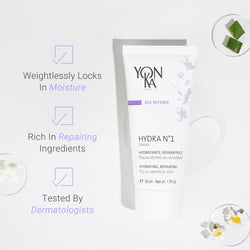
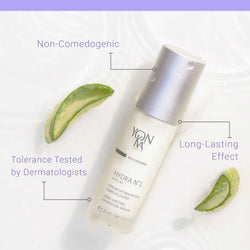
While our advanced treatments like Hydra n°1 Crème are designed for adult skin concerns, the principle of using high-grade hyaluronic acid and essential fatty acids is universal. For a newborn, ensure any product used is specifically formulated for infant safety and lacks strong essential oil concentrations until they are older.
Step 3: Protecting the Delicate Skin Barrier
If you are heading outdoors, apply a thin layer of a "barrier" cream to the baby’s cheeks. This acts as a physical shield against wind and cold. Look for ingredients like vegetable squalane or shea butter, which mimic the skin's natural lipids.
Key Takeaway: Treatment for newborn facial dryness focuses on "locking in" existing moisture and "shielding" the skin from environmental stressors rather than trying to "fix" the skin with harsh actives.
The Importance of Ingredient Purity
At Yon-Ka, we have spent over 70 years perfecting the science of phyto-aromatic skincare. We know that what you put on the skin matters deeply, especially when that skin is as thin and absorbent as a newborn’s.
What to Avoid
When shopping for products to treat your baby’s dry face, read the labels carefully. Avoid the following:
- Parabens and Phthalates: Known endocrine disruptors that have no place in a baby’s routine.
- Synthetic Fragrances: The leading cause of skin allergies and irritation in infants.
- Sodium Lauryl Sulfate (SLS): A harsh foaming agent that strips the skin barrier.
- Alcohol-based products: These can cause immediate stinging and further dehydration.
Botanical Support
Plants offer incredible healing properties that are often gentler than synthetic alternatives. For example, aloe vera is exceptionally soothing for minor irritation, while vegetable oils like jojoba or sunflower seed oil are rich in the fatty acids that baby skin may be lacking. Our brand is rooted in the use of these land and sea plants, ensuring that every formula is as close to nature as possible while meeting the highest pharmaceutical standards.
To explore more about the science behind this philosophy, visit Our Story.
Practical Lifestyle Adjustments for Baby's Comfort
Sometimes the best way to treat dry skin is to change the environment surrounding the skin.
Humidity and Air Quality
Investing in a cool-mist humidifier for the baby’s nursery can be a game-changer. By increasing the moisture levels in the room to roughly 40-50%, you significantly reduce the amount of water the air "steals" from your baby’s face while they sleep. Be sure to clean the humidifier regularly to prevent the growth of mold or bacteria.
Clothing and Laundry Choices
Even if your baby is only wearing a diaper, they are likely resting their face against your shoulder or their bedding. Switch to a fragrance-free, dye-free laundry detergent for the entire household. Avoid dryer sheets, which leave a chemical film on fabrics that can easily irritate a newborn's face. Choose breathable, natural fabrics like organic cotton or bamboo for sheets and clothing.
Hydration from Within
For newborns, skin hydration is also tied to their intake of fluids. Ensure your baby is feeding frequently. Whether breastfeeding or formula-feeding, the water content in their milk is essential for keeping their skin cells plump and hydrated from the inside out. If you notice a decrease in wet diapers along with very dry skin, consult your physician to rule out dehydration.
If you’re not sure which options fit your own skin needs, our Product Matcher can help guide you.
The Yon-Ka Phyto-Aromatic Philosophy
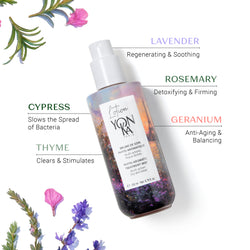
While your newborn’s skin is currently in a state of rapid change, this is the beginning of their lifelong relationship with their skin. Our heritage as a French phyto-aromatic house is built on the Quintessence—a unique blend of lavender, geranium, rosemary, cypress, and thyme. While these active essential oils are powerful and effective for adult skin, they represent our broader commitment to using nature’s most potent elements to achieve balance.
For parents who appreciate this high-standard botanical approach, you may find that as your child grows, incorporating gentle, professional-grade products into their routine becomes a natural extension of your own self-care. For now, the focus remains on the most stripped-back, pure versions of these principles: hydration, protection, and patience.
If you want to understand our ingredient standards in more detail, you can also read Our Ingredients.
When to Consult a Pediatrician
While most cases of dry skin on a newborn's face are cosmetic and temporary, there are moments when professional medical advice is necessary. You should contact your pediatrician or a dermatologist if you notice:
- Signs of Infection: Such as yellow crusting, pus, or the skin feeling hot to the touch.
- Extreme Discomfort: If the dryness seems to be making the baby fussy or preventing them from sleeping.
- Bleeding or Cracking: If the skin is so dry that it begins to crack or bleed.
- Persistent Rash: If the dryness does not improve after two weeks of home care or appears to be spreading.
Note: Always perform a patch test when introducing any new skincare product to your infant. Apply a small amount to the inner forearm and wait 24 hours to ensure there is no adverse reaction before applying it to the face.
For guidance from a professional, you can use the Spa Locator to find a Yon-Ka location near you.
Conclusion
Treating dry skin on a newborn's face is largely an exercise in gentle observation and minimal intervention. By understanding that their skin is currently navigating a major environmental shift, you can provide the support they need without the use of harsh chemicals or unnecessary additives. Focus on lukewarm water, high-quality hypoallergenic moisturizers, and a humidified environment to help your baby's skin find its natural balance.
The journey of caring for your child's skin is a beautiful opportunity for ritual and connection. As you pat their face dry or gently apply a soothing cream, you are not just treating a symptom—you are teaching them that their skin is a precious part of their wellbeing. If you are ever unsure which path to take for your own skin or that of your family, we invite you to take our Skin Diagnosis quiz.
At Yon-Ka Paris, we remain dedicated to the belief that the fusion of plant science and professional expertise creates the foundation for healthy skin at every stage of life. From our 1954 roots in the Mühlethaler family laboratory to the modern spa treatments trusted worldwide, our mission is to bring the healing power of nature to your home.
"Skincare is not just a routine; it is a ritual of care and a celebration of the botanical world’s ability to heal and protect."
FAQ
How long does newborn skin peeling usually last?
Most newborns will experience some degree of skin peeling within the first one to three weeks of life. This is a natural process as they shed the top layer of skin that was developed in the womb, and it typically resolves on its own without medical intervention as the skin adjusts to the air.
Can I use regular baby lotion on my newborn’s face?
It is best to use a product specifically labeled as "fragrance-free" and "hypallergic" for a newborn’s face. Many standard baby lotions contain synthetic scents that can be irritating to the thin, sensitive skin of the face; a thicker cream or ointment is often more effective at locking in moisture.
Is it safe to use essential oils on a newborn's dry skin?
While aromatherapy and phyto-aromatics are the foundation of our work at Yon-Ka, we advise extreme caution with newborns. Their skin is much more permeable than adult skin, so it is best to avoid high concentrations of essential oils until they are older, always sticking to pediatrician-approved, infant-specific formulas. If you want to compare adult-friendly hydration options later on, you can browse our moisturizers collection.
Does breast milk help with dry skin on a baby’s face?
Yes, many parents find success applying a few drops of breast milk to dry patches or minor skin irritations. Breast milk contains natural antibodies and healthy fats that can help soothe the skin and provide a gentle layer of moisture, though it should not replace a dedicated barrier cream for severe dryness. If you want a broader selection of hydrating routines, explore our serums and elixirs or our face masks collection.
Piel seca y deshidratada