Table of Contents
- Introduction
- Understanding the Difference Between Dry and Dehydrated Skin
- The Foundation of Gentle Cleansing
- The Power of Phyto-Aromatic Mists
- Using Targeted Serums and Botanical Oils
- Natural and Home-Inspired Alternatives
- Environmental Adjustments for Skin Comfort
- Dietary Habits for Supple Skin
- The Role of Gentle Exfoliation
- When to Consult a Professional
- Safety and Best Practices with Essential Oils
- Conclusion
- FAQ
Introduction
There is a unique, comforting pleasure in the feeling of soft, supple skin that moves easily with every expression. However, when the air turns crisp or the indoor heating rises, that suppleness can quickly give way to a frustrating sensation of tightness and visible flaking. While a rich cream is often the first thing we reach for, many people find themselves searching for how to treat dry skin on face without moisturizer—perhaps because they have run out of their favorite product, are seeking a minimalist approach, or want to address the lifestyle factors that influence skin hydration from the inside out.
At Yon-Ka Paris, we have spent seven decades mastering the art of phyto-aromatic skincare, rooted in the belief that healthy skin is a reflection of a balanced lifestyle and a refined ritual. Treating dryness is not solely about the thickness of a cream; it is about respecting the skin’s delicate barrier and providing it with the specific botanical nutrients it craves. This article covers internal hydration, environmental shifts, and high-performance alternatives like serums and botanical oils. We will guide you through a holistic approach to skin health that prioritizes long-term vitality over temporary fixes.
Quick Answer: Treating dry skin without a traditional moisturizer involves a multi-layered approach including gentle, barrier-respecting cleansing, the use of humectant-rich mists and serums, and the application of botanical oils to seal in hydration. Supporting the skin from within through diet and managing your environment with humidifiers also plays a critical role.
Understanding the Difference Between Dry and Dehydrated Skin
Before choosing a treatment, it is essential to recognize what your skin is actually asking for. In the professional skincare world, we distinguish between skin that is "dry" and skin that is "dehydrated."
Dry skin is a skin type characterized by a lack of oil (lipids). Your sebaceous glands do not produce enough sebum to keep the skin lubricated, which can lead to a compromised barrier. This often results in a rough texture, flaking, and a dull appearance.
Dehydrated skin is a skin condition that can affect any skin type, including oily skin. It refers to a lack of water in the stratum corneum (the outermost layer of the skin). This often manifests as fine lines, a "papery" texture, and a sudden loss of elasticity.
When you seek to treat dry skin without a moisturizer, you are essentially looking for other ways to replenish that "mortar" between your skin cells or prevent water from evaporating in the first place. This process is known as reducing Transepidermal Water Loss (TEWL). By focusing on the skin’s biological needs rather than just a product category, you can achieve a hydrated, radiant complexion through alternative means.
The Foundation of Gentle Cleansing
Many people exacerbate dry skin through the way they wash their faces. If your skin feels tight immediately after cleansing, your cleanser is likely too aggressive. To treat dry skin without a moisturizer, you must first stop stripping away the precious oils your skin already produces.
Avoid hot water at all costs. It is a common habit, especially during colder months, to use hot water in the shower or at the sink. However, hot water is a solvent that effectively dissolves the skin’s natural lipids. Switch to lukewarm water to preserve your skin’s integrity.
Soap-free and gentle formulas are non-negotiable. Traditional soaps often have a high pH, which can alkaline the skin and damage the acid mantle, the protective film on the skin’s surface that guards against dehydration. Instead, look for milk-based or oil-based cleansers. Our Lait Nettoyant is a professional favorite for a reason; this cleansing milk is designed to respect the skin’s pH while gently removing impurities. It leaves a delicate, protective veil on the skin, which can sometimes provide enough comfort that the skin feels less "thirsty" immediately after drying.
The "Damp Skin" Rule is perhaps the simplest way to boost hydration without a cream. Never let your face air-dry completely after washing. When water evaporates from the skin’s surface, it can take internal moisture with it. Instead, gently pat your face with a soft towel until it is slightly damp, then immediately apply your next step, such as a mist or a botanical oil.
The Power of Phyto-Aromatic Mists
In the Yon-Ka ritual, we do not view toners as "astringents" meant to strip the skin. Instead, we pioneered the use of phyto-aromatic mists as a fundamental hydration step. If you are avoiding heavy creams, a high-quality mist can be your most valuable tool.
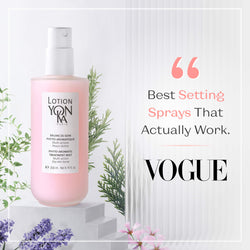
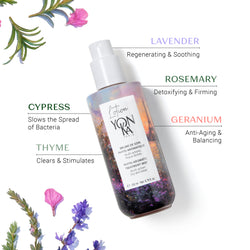
Our signature Lotion Yon-Ka PS is a phyto-aromatic healing water that contains our exclusive Quintessence—a complex of lavender, geranium, rosemary, cypress, and thyme essential oils. This mist does more than just dampen the skin; it helps to rebalance and prepare the skin to absorb the nutrients in your subsequent treatments.
For those with dry skin, it is alcohol-free and enriched with vegetal glycerin to help attract moisture. Spritzing this throughout the day can provide a "hydration reset" that prevents the skin from reaching that point of uncomfortable tightness. This is a perfect example of how to treat dry skin on face without moisturizer by using a different delivery system for hydration.
Using Targeted Serums and Botanical Oils
A serum or a facial oil is not technically a "moisturizer" in the traditional sense of a water-in-oil emulsion (cream), but they are incredibly potent for treating dryness. Oils are lipophilic, meaning they can pass through the skin’s lipid layer quickly, delivering concentrated nutrients where they are needed most.
The Benefits of Facial Oils
Pure botanical oils like jojoba, squalane, and argan oil mimic the skin’s natural sebum. If you find creams too heavy, a few drops of a high-quality oil can seal in moisture effectively.
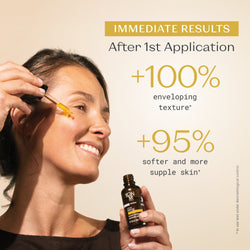
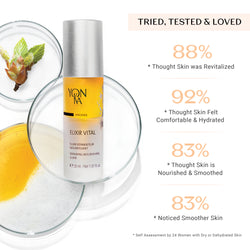
Serum Omega is designed to restore lipids and provide intense comfort to dry, devitalized skin. It uses cold-pressed plant oils to nourish without a greasy finish.
Nutri + Booster is an antioxidant-rich oil concentrate that can be applied directly to dry patches. It contains vitamin E and soy oil to help support the skin’s natural repair processes.
Humectant Serums
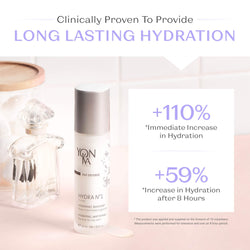
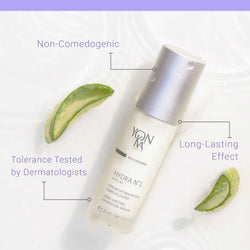
If your skin is dehydrated rather than just dry, a serum containing hyaluronic acid is essential. Hyaluronic acid is a humectant—a substance that acts like a magnet for moisture—that can hold up to 1,000 times its weight in water. By applying a hyaluronic acid serum like Hydra N°1 Serum to damp skin, you can "plump" the appearance of fine lines and provide a deep reservoir of moisture that lasts throughout the day.
Note: When introducing a new botanical oil or serum, we recommend a patch test on your inner forearm for 24 hours. Introduce one new product at a time to ensure your skin responds well to the active essential oils.
Natural and Home-Inspired Alternatives
When you are away from your regular routine, you may look to the kitchen for help. While we always recommend professional formulations for their stability and precise pH balance, certain natural ingredients can offer temporary relief.
Honey and Aloe Vera
Honey is a natural humectant and antimicrobial agent. Applying a thin layer of medical-grade honey to the face for ten minutes can help attract moisture to the surface. Similarly, Aloe vera gel is famous for its soothing properties. It contains mucopolysaccharides which help bind moisture to the skin. However, be cautious: Aloe vera can sometimes feel "tight" as it dries, so it is often best followed by a drop of oil.
Colloidal Oatmeal
If your dry skin is also itchy or irritated, an oatmeal mask can be incredibly soothing. Oatmeal contains fats and sugars that help protect the skin barrier. Simply grind plain oats into a fine powder, mix with a little water or honey to form a paste, and apply for 15 minutes.
Key Takeaway: While DIY remedies can offer temporary relief, professional-grade botanical oils and serums provide a more consistent, bioavailable delivery of nutrients to the deeper layers of the skin.
Environmental Adjustments for Skin Comfort
Often, the reason our skin feels dry is that the environment is literally pulling moisture out of our cells. You can treat dry skin without moisturizer by simply changing the air around you.
- Invest in a Humidifier: During the winter, indoor heating can drop humidity levels to below 20%. A humidifier in your bedroom can keep the air at a skin-friendly 40-60%, significantly reducing nighttime moisture loss.
- Mind Your Laundry: Harsh detergents and fabric softeners can leave residues on pillowcases that irritate the skin and strip away oils. Switch to fragrance-free, hypoallergenic detergents.
- Protect Against the Wind: If you are outdoors, use a silk or cotton scarf to shield your face from the wind. Mechanical irritation from windburn can damage the barrier just as much as chemical irritation.
Dietary Habits for Supple Skin
One of the most effective ways to treat dry skin without relying on topical creams is to support the skin’s structure from the inside. Your skin is often the last organ to receive the nutrients and water you consume, so ensuring a surplus is vital.
The Power of Essential Fatty Acids
If your skin feels chronically dry and "thin," it may be lacking in essential fatty acids. Omega-3 and Omega-6 fatty acids are the building blocks of healthy cell membranes. They help the skin produce the natural oil barrier that is essential for keeping skin hydrated. Incorporating foods such as walnuts, flaxseeds, chia seeds, and oily fish can support your skin’s lipid levels from within.
Strategic Hydration
While "drinking more water" is common advice, the way you hydrate matters. Simply chugging water may not be enough if your body lacks the electrolytes needed to pull that hydration into the cells. Focus on eating water-rich foods like cucumbers, celery, and watermelon, which provide hydration alongside minerals and vitamins.
| Dietary Factor | Benefit to Skin |
|---|---|
| Omega-3 Fats | Strengthens the lipid barrier to prevent water loss. |
| Vitamin E | A powerful antioxidant that protects skin cell membranes. |
| Water-Rich Foods | Provides "structured water" that is easily absorbed by cells. |
| Zinc | Supports the skin’s natural healing and repair processes. |
The Role of Gentle Exfoliation
It may seem counterintuitive to exfoliate dry skin, but if you have a layer of dead, flaky cells sitting on the surface, any mist or oil you apply will struggle to penetrate. Treating dry skin without moisturizer requires ensuring that the "living" layers of your skin are actually receiving the hydration you provide.
However, you must avoid harsh physical scrubs. At Yon-Ka, we prefer a "grain-free" approach. Our Gommage Yon-Ka is a botanical peel that uses citrus extracts to gently dissolve the bonds between dead skin cells. This allows you to remove flakes without causing micro-tears or further drying out the skin. Once these dead cells are removed, your skin will look more radiant and feel significantly smoother, even without a heavy cream.
When to Consult a Professional
While most cases of dry skin can be managed through a refined ritual and lifestyle changes, some situations require expert intervention. If your skin is persistently red, cracked, bleeding, or shows signs of an infection (such as yellow crusting or extreme heat), it is time to consult a physician or a dermatologist.
Conditions like eczema, psoriasis, or rosacea are medical concerns that may require prescription treatments. Our aesthetic professionals at partner spas are also an excellent resource for a deep-dive analysis. You can use our Spa Locator to find a professional who can provide a customized treatment, such as a deep-hydration facial, to reset your skin’s moisture levels.
Myth: "Drinking water is enough to fix dry skin."
Fact: While hydration is essential, dry skin is often a lack of oil (lipids), not just water. You must provide topical lipids (like botanical oils) to prevent the water you drink from simply evaporating through a broken barrier.
Safety and Best Practices with Essential Oils
Because Yon-Ka products are powered by highly active essential oils and plant extracts, we advocate for a mindful approach to application.
- Introduce Gradually: When moving away from a traditional moisturizer to a routine of mists and oils, introduce one new product at a time.
- Monitor Sensation: A slight, fleeting tingling can be normal with active botanicals like those found in the Quintessence. However, persistent redness, burning, or itching is a sign to reduce frequency or discontinue use.
- The Inner Arm Test: Always test a new oil or serum on the inner forearm first.
- Professional Guidance: If you are unsure which botanical oil is right for your specific concerns, use our Skin Diagnosis quiz or the Product Matcher available on our website.
Conclusion
Treating dry skin on your face without a traditional moisturizer is entirely possible when you understand the science of the skin barrier. By shifting your focus toward gentle, non-stripping cleansers like Lait Nettoyant, layering hydration with mists like Lotion Yon-Ka PS, and sealing that moisture in with nutrient-dense oils like Serum Omega, you can achieve a glowing, comfortable complexion. Skincare is not just about a single product; it is a holistic ritual that encompasses your environment, your diet, and the way you treat your skin every single day.
At Yon-Ka Paris, we remain dedicated to the belief that the most effective skincare comes from the synergy of nature and science. For over 70 years, we have championed the power of phyto-aromatic ingredients to support the skin’s natural ability to heal and hydrate itself. Whether you are simplifying your routine or seeking deeper botanical support, your path to radiant skin begins with respecting your unique biology.
- Explore our Booster collection to find a targeted oil for your skin.
- Take the Skin Diagnosis quiz to find your perfect routine.
- Find a local professional using our Spa Locator.
"The secret to lasting hydration lies in the layers. When we stop stripping the skin and start nourishing its natural defenses, the glow follows naturally." — The Yon-Ka Philosophy
FAQ
Can I use honey as a substitute for moisturizer?
Honey is an excellent natural humectant, meaning it attracts moisture to the skin. While it can be used as a mask to boost hydration, it doesn't provide the lipid (oil) barrier needed to prevent that moisture from evaporating, so it is often best used in conjunction with a botanical oil.
Will facial oils make my skin break out?
Not necessarily; many botanical oils, such as jojoba or squalane, are non-comedogenic and mimic the skin's natural sebum. These oils can actually help balance oil production and provide the hydration your skin needs without clogging pores, provided you choose high-quality, cold-pressed versions.
How often should I use a hydrating mist?
You can use a phyto-aromatic mist like Lotion Yon-Ka PS as often as needed throughout the day. It is especially helpful to spritz your face after cleansing, during a flight, or in an air-conditioned office to prevent the skin from becoming tight and dehydrated.
Is drinking more water the best way to fix dry skin?
Drinking water helps hydrate your cells from within, but if your skin's external barrier is damaged, that water will quickly evaporate (TEWL). To truly treat dry skin, you must combine internal hydration with topical treatments like serums or oils that reinforce the skin’s protective lipid layer.
Piel seca y deshidratada