Table of Contents
- Introduction
- Understanding Why Your Skin Feels Rough
- Common Culprits of Facial Roughness
- The Phyto-Aromatic Approach to Smoothness
- A Step-by-Step Ritual for Texture Recovery
- Exfoliation: The Secret to Smoothness (Done Correct)
- Essential Ingredients for Smooth Skin
- Lifestyle Adjustments to Support Your Routine
- Advanced Care: When to Professional Help
- Finding Your Perfect Match
- Conclusion
- FAQ
Introduction
Waking up to a complexion that feels more like parchment than velvet can be a frustrating start to the day. When your skin loses its natural suppleness, becoming rough, flaky, or tight, it often affects more than just your appearance—it impacts your comfort and how your makeup sits on your skin. Addressing these texture concerns requires moving beyond quick fixes and embracing a holistic approach to skin health. At Yon-Ka Paris, we believe that restoring smoothness is an art form rooted in botanical science and consistent care. This guide will explore the underlying causes of facial roughness and provide a professional framework for restoring a soft, radiant glow. By understanding how to nurture your moisture barrier, you can transform the look and feel of your skin through a dedicated phyto-aromatic ritual.
Understanding Why Your Skin Feels Rough
Before we can address how to treat dry rough skin on face, we must understand the biological mechanisms at play. The outermost layer of your skin, the stratum corneum, acts as a protective shield. When this barrier is healthy, it retains moisture and keeps irritants out. However, when it becomes compromised, the skin's "bricks and mortar" structure—composed of skin cells and lipids—begins to crumble.
Roughness is typically the result of an accumulation of dead skin cells that haven't shed properly, combined with a lack of essential moisture. There is also a distinction between "dry" and "dehydrated" skin. Dry skin is a skin type characterized by a lack of oil (lipids), while dehydrated skin is a temporary condition caused by a lack of water. Both can lead to a rough texture, but they require slightly different approaches to treatment.
Quick Answer: Treating dry, rough skin involves a two-prong approach: gently exfoliating dead cell buildup and replenishing the skin barrier with humectants and emollients. A consistent ritual of gentle cleansing, aromatic toning, and deep hydration is essential for long-term smoothness.
The Role of the Skin Barrier
Think of your skin barrier as a delicate ecosystem. It relies on natural moisturizing factors (NMFs) like amino acids and lactic acid, as well as lipids like ceramides and fatty acids. When these are depleted, moisture evaporates into the air—a process called transepidermal water loss (TEWL). As the water content drops, the enzymes responsible for natural exfoliation stop working correctly, leading to the "sandpaper" feel many experience.
Common Culprits of Facial Roughness
Identifying the external and internal factors that contribute to dryness is the first step in reclaiming a smooth texture. While genetics play a role, many environmental habits can inadvertently strip the skin of its vitality.
- Environmental Extremes: Cold, windy weather and low humidity levels are notorious for siphoning moisture from the skin. Conversely, indoor heating and air conditioning create a dry environment that can leave the face feeling tight and parched.
- Harsh Cleansing Habits: Using soaps or cleansers with high pH levels or aggressive sulfates can disrupt the acid mantle. If your skin feels "squeaky clean" after washing, it is likely a sign that your natural oils have been over-stripped.
- Hot Water Exposure: While a steaming shower may feel relaxing, hot water can dissolve the protective lipids on the skin's surface, leading to immediate dehydration and eventual roughness.
- Natural Aging Processes: As we age, the skin's production of sebum (oil) naturally declines. Additionally, the rate of cellular turnover slows down, meaning dead skin cells linger longer on the surface, creating a dull, uneven look.
The Phyto-Aromatic Approach to Smoothness
Our philosophy is rooted in the belief that nature provides the most effective tools for skin recovery. We utilize four plant sciences—aromatherapy, aromachology, phytotherapy, and marine biology—to create formulas that treat the skin while providing a sensorial experience. For a deeper look at that approach, explore our ingredient philosophy.
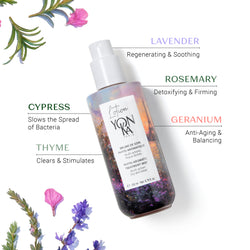
The foundation of our expertise is the Quintessence, an exclusive complex of five essential oils: lavender, geranium, rosemary, cypress, and thyme. This 100% natural and active blend does more than provide a beautiful scent; it helps to balance, revitalize, and support the skin's natural healing processes. When treating rough skin, these botanicals work in harmony with advanced hydrating ingredients to restore the appearance of health and vitality.
Note: Because our formulas contain active essential oils, we always recommend a patch test when introducing a new product. Apply a small amount to your inner forearm and wait 24 hours to ensure compatibility.
A Step-by-Step Ritual for Texture Recovery
To effectively treat dry, rough skin, you must replace aggressive "hacks" with a consistent, layered ritual. This approach ensures the skin is prepared, treated, and protected without causing further irritation. If you want help building that routine, start with the Dry & Dehydrated Skin collection.
Step 1: Barrier-Respecting Cleansing
The goal of cleansing should be to remove impurities while leaving the moisture barrier intact. For those with rough or dry skin, a milk-based cleanser is often the best choice. Lait Nettoyant is a gentle cleansing milk that removes makeup and pollutants while maintaining the skin's natural balance. It leaves the skin feeling supple rather than stripped.
Step 2: Prepare with a Phyto-Aromatic Mist
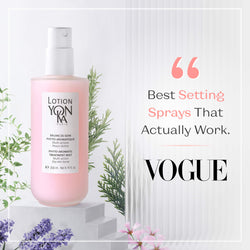
After cleansing, it is vital to rebalance the skin's pH and prepare it for treatment. Lotion Yon-Ka is more than just a toner; it is a healing mist infused with the Quintessence. For dry skin, Lotion Yon-Ka PS provides an immediate cooling and hydrating sensation. Applying your subsequent serums while the skin is still damp from this mist helps to enhance absorption.
Step 3: Deep Hydration and Repair
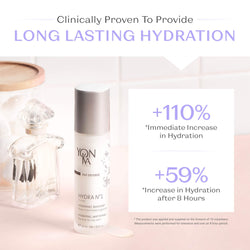
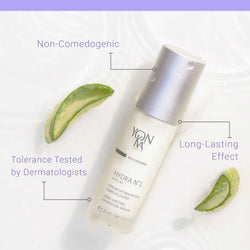
This is the "treat" phase where you address the root cause of the roughness. If your skin feels parched, look for a serum rich in hyaluronic acid—a powerful humectant that can hold up to 1,000 times its weight in water. Hydra N°1 Serum is designed for intense dehydration, delivering moisture deep into the skin's surface.
If your skin feels dry and brittle rather than just thirsty, it may need lipids. Serum Omega is a lipid-restoring oil-in-serum that provides essential fatty acids to repair the look of a compromised barrier.
Step 4: Seal in Moisture
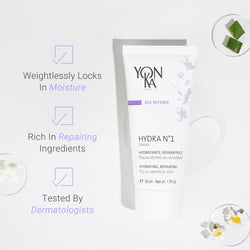
A moisturizer acts as the "occlusive" layer that keeps your treatment products from evaporating. For those struggling with significant roughness, Hydra N°1 Crème provides long-lasting hydration and comfort. It helps to smooth the appearance of fine lines caused by dehydration and reinforces the skin's protective shield.
Step 5: Daytime Protection
Sun damage is a major contributor to skin roughness and premature aging. Even on cloudy days, UV rays can degrade the collagen and elastin that keep skin smooth. Use a broad-spectrum protection product as the final step in your morning routine to safeguard your progress.
Exfoliation: The Secret to Smoothness (Done Correct)
One of the most common mistakes when dealing with rough skin is over-exfoliating. It is tempting to try and "scrub away" the dry patches with harsh physical grains, but this often leads to micro-tears and increased inflammation.
Instead, we advocate for "grain-free" or chemical exfoliation. Gommage Yon-Ka is a botanical, grain-free exfoliator that uses citrus extracts and carob to gently lift away dead skin cells without any abrasive friction. It acts like a soft peel, revealing the smoother skin underneath without the redness associated with traditional scrubs.
For a more intensive overnight treatment, Glyconight 10% Masque uses glycolic acid—an alpha hydroxy acid (AHA) derived from sugar cane—to dissolve the "glue" that holds dead skin cells together. This encourages faster cellular turnover and helps to eliminate the appearance of rough, uneven patches over time.
| Exfoliation Type | Best For | Yon-Ka Recommendation |
|---|---|---|
| Grain-Free Peel | Sensitive or very dry skin | Gommage Yon-Ka |
| AHA (Glycolic Acid) | Stubborn roughness & dullness | Glyconight 10% Masque |
| Enzymatic | Congested but dry skin | Active Micro-Peel |
Essential Ingredients for Smooth Skin
When reading labels, it helps to know which ingredients are actually doing the heavy lifting for your texture concerns. At Yon-Ka, we prioritize ingredients of natural origin, averaging 92% across our formulations. You can read more in our formulas overview.
Humectants (The Water-Binders)
Humectants are ingredients that attract water to the skin. They are essential for treating the "dehydration" aspect of rough skin.
- Hyaluronic Acid: A gold-standard ingredient for its ability to plump the appearance of the skin and provide deep moisture.
- Glycerin: A simple but effective humectant that helps to maintain the skin's moisture balance.
- Aloe Vera: Known for its soothing properties, it also provides a burst of hydration.
Emollients and Occlusives (The Softeners)
These ingredients fill in the gaps between skin cells and seal moisture in.
- Squalane: A plant-derived lipid that mimics the skin's natural sebum, making it highly compatible and non-greasy.
- Shea Butter: Found in many of our richer creams, it provides intense nourishment and a protective barrier.
- Omega Fatty Acids: Essential for repairing the look of the skin barrier and reducing the sensation of tightness.
Lifestyle Adjustments to Support Your Routine
What you do outside the bathroom also impacts how to treat dry rough skin on face. Skincare is a holistic endeavor, and small changes in your environment can significantly improve your results. If you are looking for more educational content, browse our blog.
- Use a Humidifier: Especially during the winter months, a humidifier adds moisture back into the air, preventing your skin from drying out while you sleep.
- Stay Hydrated from Within: While drinking water isn't a direct "cure" for dry skin, systemic dehydration can make your complexion look dull and sunken. Aim for consistent water intake throughout the day.
- Eat Healthy Fats: Incorporating omega-3 fatty acids (found in salmon, walnuts, and flaxseeds) into your diet supports your skin’s lipid production from the inside out.
- Lower the Water Temperature: Switch from hot to lukewarm water when washing your face. Your skin barrier will thank you.
Key Takeaway: Treating rough skin is not about aggressive scrubbing; it is about restoring the delicate balance of water and oil while protecting the barrier from environmental stress.
Advanced Care: When to Professional Help
Sometimes, home care needs a boost from a professional. If you find that your skin remains stubbornly rough or if you experience persistent redness, itching, or cracking, it may be time to see a specialist.
Professional Spa Treatments
Our heritage is rooted in the professional spa environment. A professional facial can provide deep exfoliation and hydration that is difficult to achieve at home. Treatments like "Le Grand Classique" or a specialized "Hydralessence" facial use professional-grade concentrations and techniques to resurface and drench the skin in moisture. You can find a certified partner near you using our Spa Locator.
When to See a Dermatologist
While cosmetic products can significantly improve the appearance of dry, rough skin, they are not a substitute for medical treatment. If you suspect your roughness is caused by a medical condition such as eczema, rosacea, or psoriasis, consult a dermatologist. They can provide a clinical diagnosis and prescribe medical-grade treatments if necessary. Always seek medical attention if your skin shows signs of infection, such as oozing, extreme swelling, or spreading warmth.
Finding Your Perfect Match
Because every individual’s skin is unique, we offer tools to help you navigate our collections. Whether you are dealing with the first signs of aging or chronic dryness, our Skin Diagnosis quiz and Product Matcher on our website can help you build a customized program.
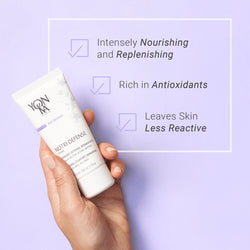
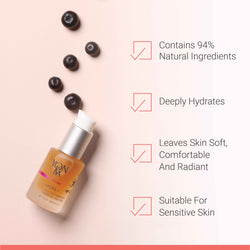
If you are unsure where to start, the Hydra N°1 collection is our premier range for intense hydration. It is designed specifically to address the discomfort and texture issues associated with dry, thirsty skin. For those needing extra nourishment, the Nutri + Booster can be added to any moisturizer to provide an extra dose of vitamins and oils.
Conclusion
Treating dry, rough skin on the face is a journey of restoration and patience. By choosing gentle, botanical-based products and committing to a consistent ritual, you can move away from the frustration of a dull, textured complexion toward one that feels soft, supple, and healthy. True beauty stems from skin that is nurtured and balanced, rather than forced into submission.
Yon-Ka Paris remains dedicated to the belief that skincare is a ritual worth savoring. Built on 70 years of phyto-aromatic expertise and a deep respect for the power of plants, our formulas are designed to bring the professional spa experience into your daily life. We invite you to explore our collections and discover the transformative power of the Quintessence.
"Skincare is not just a routine; it is an act of self-care that harmonizes the body and mind through the power of nature."
To take the next step in your journey toward smoother skin, we encourage you to explore the Hydra N°1 Collection or take our Skin Diagnosis quiz to find your ideal botanical ritual.
FAQ
Why does my face feel rough even though I moisturize daily?
Roughness can persist if you are only applying moisture without addressing dead skin cell buildup. If you don't gently exfoliate, your moisturizer may be sitting on top of a layer of dead cells rather than reaching the living skin beneath. Additionally, make sure your moisturizer contains both humectants to attract water and emollients to seal it in.
Can I treat rough skin if I have oily skin?
Yes, oily skin can still experience a rough texture, often due to dehydration or the use of harsh acne treatments that strip the skin. In this case, look for lightweight, non-comedogenic hydrators like Hydra N°1 Fluide or our face moisturizers collection, which provide moisture without adding heavy oils that might clog pores.
How long does it take to see results when treating dry, rough skin?
While you may feel an immediate sense of comfort after one application of a high-quality cream like Hydra N°1 Crème, structural changes in skin texture usually take about 28 to 30 days. This is the typical timeframe for a full cellular turnover cycle. Consistency is key to maintaining a smooth appearance.
Is hot water really that bad for dry skin?
Yes, hot water is quite damaging to the skin's lipid barrier. It emulsifies and washes away the natural oils that your skin needs to stay hydrated. Always use lukewarm water for your face and try to keep your showers under ten minutes to prevent excessive moisture loss.
Piel seca y deshidratada