Table of Contents
- Introduction
- Understanding the Nature of Dark, Dry Buildup
- The Primary Causes of Black Dry Skin on the Face
- Identifying Your Skin Type for Targeted Treatment
- The Phyto-Aromatic Approach to Resurfacing
- How to Remove Black Dry Skin From Face: A Step-by-Step Ritual
- Key Ingredients to Look For
- Lifestyle Adjustments to Prevent Recurrence
- The Importance of Professional Guidance
- Conclusion
- FAQ
Introduction
Discovering rough, dark, or flaky patches on your face can be a source of significant frustration, often making the skin appear dull, tired, and uneven. These "black" or darkened dry patches are typically the result of a buildup of dead skin cells that have oxidized or become densely packed, masking your natural glow. At Yon-Ka Paris, we believe that restoring your complexion requires a respectful, ritual-based approach rather than harsh scrubbing. By understanding the underlying causes of this accumulation and implementing a targeted phyto-aromatic routine, you can gently sweep away debris and support the emergence of fresh, luminous skin. This article explores professional techniques and botanical solutions to help you effectively manage and prevent the appearance of dark, dry patches for a revitalized look.
Quick Answer: To remove dark, dry skin buildup, use a grain-free botanical exfoliator like Gommage Yon-Ka to gently lift dead cells without irritation. Follow with intensive hydration using hyaluronic acid and protect the skin with daily SPF to prevent further discoloration and dryness.
Understanding the Nature of Dark, Dry Buildup
The skin on your face is a dynamic organ that undergoes a natural renewal process roughly every 28 to 42 days. During this cycle, new cells are born in the deeper layers and travel toward the surface, while old, dead cells should naturally shed. However, this process is not always seamless. When dead skin cells fail to slough off, they can accumulate in dense clusters.
When these patches are described as "black" or dark, it is usually due to one of three factors. First, the sheer density of the dry skin can cause light to be absorbed rather than reflected, creating a shadow-like effect. Second, the lipids and cellular debris within those dry patches can oxidize when exposed to oxygen, much like an apple turns brown. Finally, these areas often coincide with post-inflammatory hyperpigmentation, where the skin produces excess melanin in response to the irritation of chronic dryness.
Boldly addressing these patches requires a balance of resurfacing and nourishment. If you attempt to "scrub" them away with aggressive physical exfoliants, you risk creating micro-tears in the skin barrier. This can lead to further inflammation, which ironically causes the skin to produce more dark pigment as a protective measure. A more sophisticated approach involves dissolving the "glue" that holds these dead cells together while simultaneously flooding the area with moisture.
The Primary Causes of Black Dry Skin on the Face
Before you can effectively treat dark, dry skin, you must recognize the environmental and biological triggers that lead to its formation. Identifying the "why" behind your skin concern allows you to adjust your lifestyle and ritual for long-term results.
Natural Aging and Cellular Sluggishness
As we age, the rate at which our skin replaces its cells begins to slow significantly. In our youth, the turnover happens quickly, keeping the surface smooth. By our 40s and 50s, dead cells linger much longer on the surface. This prolonged exposure leads to the dry, leathery texture and darkened appearance often associated with mature skin.
Environmental Stressors and Dehydration
Modern life presents constant challenges to the skin's moisture barrier. Central heating, air conditioning, and low-humidity climates strip the skin of its essential water content. When the skin is dehydrated, the enzymes responsible for shedding dead cells cannot function properly. This leads to a "stuck" layer of cells that eventually becomes flaky and discolored.
For skin that feels chronically depleted, our Dry & Dehydrated Skin collection is a focused place to start.
Sun Damage and UV Exposure
Chronic exposure to ultraviolet (UV) rays does more than just cause sunburn; it damages the DNA of skin cells and thickens the outermost layer of the skin (the stratum corneum). This thickening is a defense mechanism, but it results in a rough, uneven texture. Furthermore, UV rays trigger melanin production, turning dry patches into darker, more visible spots.
Inadequate or Harsh Cleansing
Using soaps or cleansers that contain harsh sulfates can strip the skin of its natural oils. When the skin is stripped, it often overcompensates by producing more sebum, or it becomes so brittle that cells "clump" together. Conversely, failing to cleanse thoroughly can leave behind a film of pollutants and makeup that traps dead skin cells, leading to a dark, grimy appearance.
A gentle first cleanse with Lait Nettoyant can help soften that buildup without leaving skin feeling tight.
Identifying Your Skin Type for Targeted Treatment
To effectively remove dark, dry skin, you must first determine your baseline skin type. Using the wrong products can exacerbate the very problem you are trying to solve.
- Dry Skin: This skin type lacks oil (lipids). It often feels tight, looks flaky, and is prone to premature fine lines. It requires oil-based nourishment and very gentle exfoliation.
- Oily Skin: Characterized by excess sebum and enlarged pores. While it may seem counterintuitive, oily skin can also have dry, dark patches due to a buildup of dead cells trapped in oil.
- Combination Skin: Often oily in the T-zone (forehead, nose, and chin) but dry or sensitive on the cheeks. This type requires a "multimasking" or localized approach to treatment.
- Sensitive Skin: Easily irritated by fragrances or strong acids. If you have dark, dry patches and sensitive skin, you must avoid mechanical scrubs entirely and opt for soothing botanical enzymes.
Key Takeaway: "Black" dry skin is often a combination of hyper-keratinization (buildup) and oxidation. Identifying whether your skin is dry (lacking oil) or dehydrated (lacking water) is the first step in selecting the correct resurfacing method.
If you're unsure about your skin type, try the Yon-Ka Skin Quiz.
The Phyto-Aromatic Approach to Resurfacing
At the heart of the French skincare philosophy is the belief that the skin should be treated with pharmaceutical-grade botanical rigor. We prioritize the use of phyto-aromatic ingredients—land and sea plants combined with the power of essential oils—to achieve results without the trauma associated with aggressive synthetic peels.
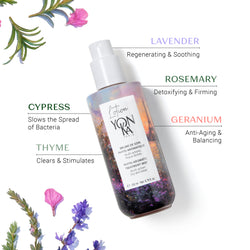
Our signature Quintessence—a blend of lavender, geranium, rosemary, cypress, and thyme—serves as the foundation for many of our formulas. These essential oils do more than provide a sensorial experience; they are 100% active and help to stabilize the skin while promoting a clear, revitalized appearance. Learn more about the philosophy behind these plant-based actives in our ingredients.
Note: When introducing essential oils or new active ingredients into your ritual, we recommend performing a patch test on your inner forearm for 24 hours. Introduce one new product at a time to monitor your skin’s response. A slight, brief tingling can be normal, but persistent redness or heat indicates you should reduce frequency or consult a professional.
How to Remove Black Dry Skin From Face: A Step-by-Step Ritual
To safely and effectively remove the appearance of dark, dry skin, follow this layered ritual designed to soften, exfoliate, and protect.
Step 1: Gentle, Barrier-Respecting Cleansing
The first step in removing buildup is to soften the skin's surface. Avoid foaming cleansers that leave the skin feeling "squeaky clean," as this is a sign of a compromised barrier. Instead, use a milk-based cleanser like Lait Nettoyant. This gentle formula removes makeup and pollutants while respecting the skin's hydro-lipidic film. Massage it into dry skin using circular motions to begin loosening the bonds of dead skin cells.
Step 2: Phyto-Aromatic Preparation
After cleansing, mist your face with a hydrating toner like Lotion Yon-Ka PS. This is not just a "toner"; it is a phyto-aromatic mist that drenches the skin in the Quintessence. It helps to rebalance the skin’s pH and prepares the "black" dry patches to absorb the exfoliating treatments that follow.
Step 3: Gentle Resurfacing with Gommage
For those dealing with dark, flaky patches, Gommage Yon-Ka is the gold standard. Unlike traditional scrubs that use jagged grains (which can cause micro-tears), this is a 4-in-1 botanical "peel" that is entirely grain-free.
How to apply Gommage Yon-Ka:
- Apply a thick layer to the face and neck.
- Let it sit for 1–2 minutes (it should remain slightly damp).
- Use your fingertips to gently "buff" the product away. The gel will roll up into small particles, taking the dead, dark skin cells with it.
- Rinse with lukewarm water.
For a broader look at resurfacing options, explore the Best Skin Exfoliator collection.
Step 4: Intensive Hydration and Repair
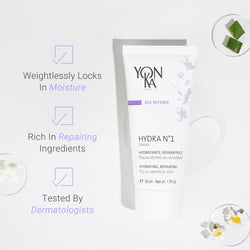
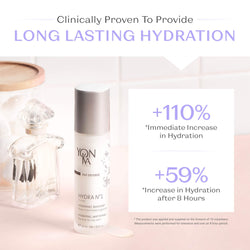
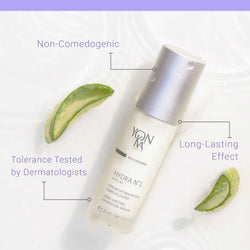
Once the dead skin is removed, the newly exposed cells are vulnerable. You must immediately flood them with moisture. For deep dehydration, incorporate Hydra N°1 Serum followed by Hydra N°1 Creme. Look for ingredients like hyaluronic acid, which acts as a moisture magnet, holding up to 1,000 times its weight in water to "plump" the look of the skin.
Step 5: Targeted Brightening for Dark Spots
If the dry patches have left behind dark spots, consider a Vitamin C treatment. Serum Vitamine C 20% contains a stable 20% Vitamin C concentration that helps to brighten the appearance of hyperpigmentation and even out the skin tone. Vitamin C is also a potent antioxidant that protects the skin from the environmental oxidation that causes dry patches to turn "black."
For discoloration support, our Dark Spot collection offers more targeted options.
Step 6: Environmental Protection
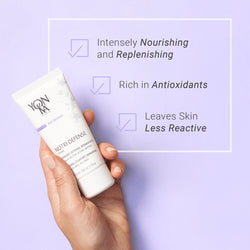
The removal of dead skin increases your sensitivity to UV light. Never skip sun protection. Use a broad-spectrum SPF or an antioxidant-rich day cream like Vital Defense to shield your skin from pollution and UV rays, preventing the return of dry, dark patches.
For daytime defense, the Sun Care collection is worth exploring.
Key Ingredients to Look For
When shopping for products to address dark, dry skin, certain ingredients provide superior results for the appearance of the skin:
- Glycolic Acid (AHA): A small-molecule acid that penetrates deeply to dissolve the "glue" between dead cells. It is excellent for resurfacing but should be used with caution on sensitive skin.
- Lactic Acid (AHA): More gentle than glycolic acid, it exfoliates while also acting as a humectant (drawing moisture into the skin).
- Fruit Enzymes (Pineapple/Papaya): These enzymes "digest" dead protein on the surface of the skin. They are perfect for those who cannot tolerate acids.
- Ceramides: Essential fatty acids that help to rebuild the skin barrier, ensuring that once you remove the dry skin, the new skin stays hydrated.
- Squalane: A plant-derived lipid that mimics the skin's natural sebum, providing a protective layer that prevents flakiness.
For a deeper look at how Yon-Ka formulates these kinds of active ingredients, see our formulas.
| Exfoliant Type | Best For | Benefit |
|---|---|---|
| Gommage (Grain-free) | Sensitive, Dry, Dark Patches | Non-abrasive, immediate brightening, calms skin. |
| AHA (Glycolic/Lactic) | Mature skin, Sun damage | Deep resurfacing, reduces appearance of fine lines. |
| BHA (Salicylic) | Oily skin, Clogged pores | Penetrates oil to clear pores and remove trapped cells. |
| Fruit Enzymes | Very sensitive or reactive skin | Gentle "digestion" of dead cells without pH disruption. |
Lifestyle Adjustments to Prevent Recurrence
Removing dark, dry skin is only half the battle; preventing its return requires a holistic approach.
- Lower the Temperature: Hot water is one of the primary culprits behind facial dryness. Wash your face with lukewarm or cool water to preserve your natural oils.
- Humidify Your Space: If you live in a dry climate or spend a lot of time in air-conditioned offices, use a humidifier to keep moisture in the air and your skin.
- Hydrate from Within: While topical products are essential, drinking enough water supports the skin's natural ability to renew itself.
- Consistency Over Intensity: It is better to use a gentle exfoliator twice a week than a harsh chemical peel once a month. Skincare is a ritual of consistency.
- Professional Expertise: Sometimes, home care needs a boost. Visiting a professional for a deep-cleansing facial can provide a "clean slate." You can use our Spa Locator to find a certified professional who uses our phyto-aromatic methods.
If you want a treatment-focused next step, browse Spa Treatments.
The Importance of Professional Guidance
While home rituals are the foundation of healthy skin, addressing complex concerns like persistent dark, dry patches often benefits from professional analysis. Estheticians have access to professional-grade concentrations and specialized tools that can accelerate your results safely. At Yon-Ka, our products were born in the treatment room, and our global network of professionals is trained to diagnose the specific needs of your skin.
If you are unsure where to start or which products are right for your specific combination of dryness and discoloration, we recommend using our Skin Diagnosis quiz. These tools analyze your concerns and provide a tailored program to help you reach your skin goals.
For a closer look at the brand behind the ritual, read our story.
Bottom line: Removing dark, dry skin requires a gentle touch and a focus on hydration to prevent the inflammation that leads to further darkening.
Conclusion
Successfully removing black, dry skin from your face is a journey that moves from the surface to the deep layers of your skin. By choosing professional, phyto-aromatic solutions like Gommage Yon-Ka and supporting your skin with intensive hydrators from the Hydra N°1 range, you can transform a dull, flaky complexion into one that looks vibrant and healthy. Remember that your skin is a living shield that deserves respect and nourishment rather than aggressive abrasion.
- Switch to a cream or milk-based cleanser to preserve your moisture barrier.
- Incorporate a grain-free exfoliator into your weekly ritual.
- Always follow resurfacing with a hydrating serum and daily SPF.
To begin your journey toward a brighter complexion, explore the rest of our face care selections and discover the power of the Quintessence for yourself.
FAQ
How often should I exfoliate if I have dark, dry patches?
For most skin types, exfoliating one to two times per week is sufficient. If you have very sensitive skin, start once a week with a gentle, grain-free product like Gommage Yon-Ka. Over-exfoliating can lead to more dryness and irritation, which may worsen the appearance of dark spots.
Why do my dry patches look black or brown?
Dry patches often appear darker because dead skin cells become densely packed and lose their ability to reflect light. Additionally, the lipids in those cells can oxidize when exposed to the air, and chronic dryness can trigger mild inflammation that results in post-inflammatory hyperpigmentation.
Can I use a facial scrub to remove these patches?
We generally recommend avoiding physical scrubs with large, jagged grains on the face. These can cause micro-tears that lead to more dryness and dark spots. Instead, opt for a "gommage" or a mild chemical exfoliator that dissolves dead skin without friction.
When should I see a dermatologist about dark, dry skin?
If your dry patches are persistent, extremely itchy, bleeding, or if you suspect an underlying condition like eczema, psoriasis, or actinic keratosis, you should consult a dermatologist. Skincare products are designed for cosmetic improvement, but medical conditions require a physician's diagnosis and treatment plan.
Piel seca y deshidratada