Table of Contents
- Introduction
- Why Your Facial Skin Becomes Dry and Itchy
- Distinguishing Between Dry and Dehydrated Skin
- The Yon-Ka Ritual for Soothing Dryness
- Powerful Botanical Ingredients for Itch Relief
- Essential Oil Safety and Sensitivity
- Advanced Solutions for Extremely Dry Patches
- Lifestyle Adjustments to Prevent Facial Itchiness
- Common Myths About Dry Skin
- When to Consult a Professional
- A Summary of the Healing Ritual
- Conclusion
- FAQ
Introduction
That uncomfortable, tight, and prickling sensation of itchy skin on your face is more than just a minor annoyance; it is a signal from your complexion that its delicate balance has been disrupted. Whether you are battling the harsh effects of a dry winter or noticing changes in your skin’s texture as you age, finding relief requires a thoughtful approach that respects your skin’s natural barrier. At Yon-Ka Paris, we believe that restoring comfort to your face is not about quick fixes, but about establishing a nurturing ritual rooted in phyto-aromatic excellence. In this article, we will explore the underlying causes of facial dryness and irritation, the most effective botanical ingredients for soothing the skin, and a step-by-step program to help you reclaim a soft, supple, and serene complexion.
Quick Answer: To get rid of itchy dry skin on the face, transition to a gentle, soap-free cream cleanser and apply a high-quality moisturizer containing humectants like hyaluronic acid and emollients like plant oils while the skin is still damp. Avoid hot water and harsh exfoliants, and incorporate a phyto-aromatic mist to soothe irritation and deeply hydrate the skin's surface.
Why Your Facial Skin Becomes Dry and Itchy
The skin on your face is significantly thinner and more sensitive than the skin on the rest of your body, making it particularly vulnerable to moisture loss. When the skin’s lipid barrier—the protective outer layer made of oils and cells—becomes compromised, water evaporates more quickly, a process known as transepidermal water loss (TEWL). This lack of hydration leads to the rough, flaky, and itchy sensations we recognize as dry skin.
The Role of Environmental Stressors
External factors are often the primary culprits behind sudden facial itchiness. During the winter months, cold outdoor air combined with parched indoor heating creates an environment with very low humidity. This environment literally draws moisture out of your skin cells. Similarly, excessive exposure to UV rays can damage the skin's integrity over time, leading to chronic dryness and premature signs of aging. Even the chlorine in a swimming pool or the hard minerals in your tap water can strip away the natural oils that keep your skin feeling smooth.
Lifestyle and Routine Mistakes
Sometimes, the very habits we think are helping our skin are actually contributing to the problem. Using water that is too hot during your morning shower can melt away the essential lipids your skin needs for protection. Furthermore, many conventional cleansers contain harsh sulfates or alcohols that provide a "squeaky clean" feeling but leave the skin's pH balance in disarray. Over-exfoliating with physical scrubs can also create micro-tears in the skin, leading to inflammation and that tell-tale itch. If you want a gentler starting point, explore our face cleansers collection.
Genetic and Biological Factors
As we move through different stages of life, our skin’s biological functions naturally shift. Around the age of 40, sebum (oil) production begins to slow down, and the skin’s ability to retain moisture diminishes. Hormonal fluctuations during pregnancy or menopause can also trigger periods of extreme dryness. Additionally, some individuals are genetically predisposed to a thinner skin barrier, making them more prone to conditions that manifest as persistent dryness and irritation.
Distinguishing Between Dry and Dehydrated Skin
It is common to use the terms "dry" and "dehydrated" interchangeably, but in the world of professional skincare, they represent two distinct concerns. Understanding which one you are facing is the first step in choosing the right products for your ritual.
Dry skin is a skin type characterized by a lack of oil (lipids). If your skin consistently feels rough, looks flaky, and has very small pores, you likely have a dry skin type. Your skin needs lipid-rich creams and oils to replenish what your sebaceous glands are not producing.
Dehydrated skin is a temporary condition characterized by a lack of water. This can happen to any skin type, including oily skin. If your skin looks dull, feels tight after washing, and shows fine lines that seem to disappear after you moisturize, you are likely dealing with dehydration. This skin needs humectants—ingredients that "grab" water and hold it in the skin.
Key Takeaway: Itchy facial skin is often a combination of both a lack of lipids and a lack of water. Addressing the concern requires a "water plus oil" approach to both hydrate the surface and seal that moisture in with a protective barrier.
The Yon-Ka Ritual for Soothing Dryness
Our approach to skincare is centered on a consistent, layered ritual that honors the skin’s physiology. To alleviate the appearance of itchy, dry skin, we recommend a routine that focuses on barrier repair and deep hydration.
Step 1: Respectful Cleansing
The foundation of your ritual should be a cleanser that adds moisture rather than stripping it away. Lait Nettoyant is our iconic cleansing milk, designed to gently remove makeup and impurities while respecting the skin's hydro-lipidic film. Formulated with skin-softening plant extracts, it leaves the face feeling silky and calm. When cleansing, always use lukewarm water—never hot—and use the pads of your fingers to massage the product in gentle, circular motions.
Step 2: The Phyto-Aromatic Mist
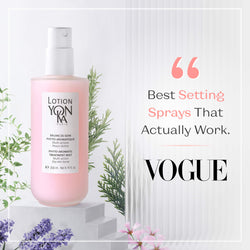
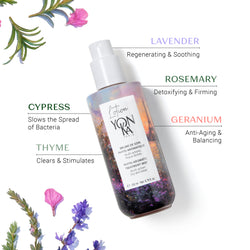
After cleansing, the skin needs to be prepared for the treatments that follow. Lotion Yon-Ka PS is much more than a toner. This alcohol-free mist is infused with our signature Quintessence—a blend of lavender, geranium, rosemary, cypress, and thyme essential oils. It provides immediate refreshment and helps the skin absorb subsequent serums and creams more effectively.
Step 3: Targeted Treatment with Hydrating Serums
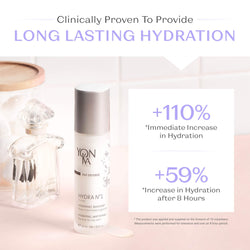
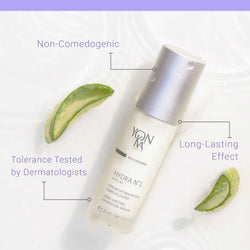
For skin that feels particularly tight or shows signs of dehydration, a concentrated serum is essential. Look for products from our serums and elixirs collection. Hydra N°1 Serum uses long-lasting rehydrating agents to infuse the skin with moisture. By applying a serum to skin that is still slightly damp from your mist, you "lock in" that hydration for a more plump and comfortable appearance.
Step 4: Sealing with a Lipid-Rich Moisturizer
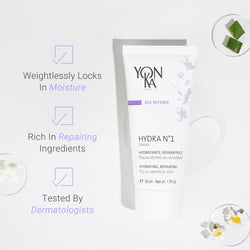
The final step in your daily ritual is applying a moisturizer that acts as a protective shield. Hydra N°1 Crème is an intensive repair moisturizer that is perfect for dry or sensitive skin. It combines hyaluronic acid with nourishing shea butter and hazelnut oil to repair the skin's barrier. If your skin feels especially depleted, you might consider adding a few drops of Serum Omega to your cream. This oil-based booster is rich in vitamins and antioxidants, providing the extra lipids necessary to stop the itch-scratch cycle.
Powerful Botanical Ingredients for Itch Relief
Nature provides a vast pharmacy of ingredients that are exceptionally effective at soothing the skin. When looking for products to address itchy dry skin on the face, prioritize these botanical powerhouses:
- Hyaluronic Acid: A naturally occurring molecule that can hold up to 1,000 times its weight in water. We use various molecular weights of hyaluronic acid to ensure both surface hydration and deeper moisture retention.
- Shea Butter: Extracted from the nut of the African shea tree, this emollient is rich in fatty acids and vitamins, making it an excellent barrier-repair ingredient.
- Aloe Vera: Known for its cooling and anti-inflammatory properties, aloe vera is ideal for calming the heat and irritation often associated with dry skin.
- Vegetal Glycerin: A classic humectant that draws moisture from the air into the skin, keeping it soft and supple throughout the day.
- Omega Fatty Acids: Found in plant oils like sacha inchi or raspberry seed, these essential fats are the building blocks of a healthy skin barrier. To learn more about the philosophy behind these kinds of formulas, visit our ingredients page.
Essential Oil Safety and Sensitivity
Because we use active essential oils in our formulations to provide both skin benefits and aromatic wellbeing, we always recommend a mindful approach when introducing new products to a sensitive or irritated face.
Note: If your skin is currently very reactive, we suggest a simple patch test. Apply a small amount of the product to your inner forearm and wait 24 hours to ensure no redness occurs. When starting a new ritual, introduce one product at a time so your skin can adjust to the potent botanical actives. While a slight, fleeting tingling can be a sign of the oils at work, persistent redness means you should reduce the frequency of use.
Advanced Solutions for Extremely Dry Patches
Sometimes, standard moisturizing isn't enough to tackle stubborn, flaky patches on the chin, nose, or forehead. In these instances, you may need to incorporate professional-grade treatments into your weekly routine.
The Power of Overnight Masking
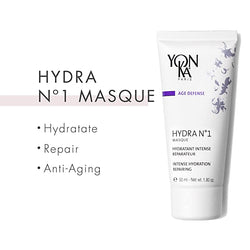
Nighttime is when your skin does its most intensive repair work. Using a product like Hydra N°1 Masque as an overnight treatment can transform the appearance of dry skin by morning. This mask provides a "slow release" of hydration, ensuring that you wake up with a complexion that feels deeply nourished and calm. Applying a thick layer before bed allows the ingredients to penetrate without the interference of environmental pollutants or makeup. For more options, browse our face masks collection.
Lipid Recovery with Elixirs
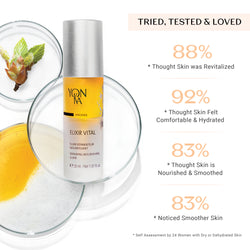
If your skin feels "raw" or extremely fragile, an oil-based elixir can provide instant relief. Our Serum Omega is specifically designed for skin that is suffering from a lack of lipids. It mimics the skin's natural sebum to restore the protective layer. This is particularly helpful for those living in high-altitude or extremely cold climates where the air is punishingly dry.
Professional Spa Treatments
For results that go beyond what you can achieve at home, we recommend visiting a certified professional. Our estheticians are trained in specialized techniques to infuse the skin with moisture and soothe irritation. A professional treatment often includes deeper exfoliation using non-abrasive methods, followed by high-concentration botanical infusions. You can find a professional near you by using our Spa Treatments page.
Lifestyle Adjustments to Prevent Facial Itchiness
Skincare products are only one piece of the puzzle. To truly get rid of itchy dry skin on the face, you must also look at your environment and daily habits.
- Humidify Your Space: Place a humidifier in your bedroom. Keeping the air at around 50-60% humidity prevents the environment from stealing moisture from your skin while you sleep.
- Adjust Your Water Temperature: It may feel relaxing, but hot water is a major trigger for itchiness. Switch to lukewarm water for all facial cleansing.
- Pat, Don't Rub: After washing your face, avoid the temptation to vigorously scrub your skin dry with a towel. Instead, gently pat the skin with a soft, clean cloth, leaving it slightly damp before applying your mist.
- Mind Your Fabrics: If you have sensitive, dry skin, be mindful of what touches your face. Opt for silk or high-quality cotton pillowcases, which are less abrasive than synthetic blends.
- Stay Hydrated from Within: While drinking water isn't a direct "cure" for dry skin, staying hydrated supports your body's overall ability to maintain healthy skin cells.
Common Myths About Dry Skin
There is a significant amount of misinformation regarding how to treat dry and itchy skin. Let's clarify a few of the most common misconceptions.
Myth: "Oily skin cannot be dehydrated." Fact: Oily skin can absolutely lack water. When oily skin becomes dehydrated, it may actually produce more oil to compensate for the lack of moisture, leading to a complexion that is both greasy and flaky.
Myth: "Exfoliating more will remove the dry flakes." Fact: Over-exfoliating dry skin often damages the barrier further, leading to more dryness and increased sensitivity. It is better to focus on hydration and use a gentle, grain-free exfoliator like Gommage Yon-Ka once the irritation has subsided.
Myth: "You should only moisturize at night." Fact: Dry skin needs protection 24 hours a day. Daytime moisturizing is crucial to shield the skin from environmental triggers, while nighttime moisturizing supports repair.
When to Consult a Professional
While most cases of dry and itchy skin can be managed with a high-quality botanical ritual and lifestyle changes, some conditions require medical attention. If your skin is persistently red, weeping, crusting, or if the itchiness is so severe that it prevents you from sleeping, you should consult a dermatologist or physician. Conditions like eczema (atopic dermatitis), psoriasis, or rosacea are medical concerns that may require prescription treatments alongside your cosmetic skincare.
Our products are designed to support the appearance and comfort of the skin, but they are not a replacement for medical care in the case of chronic skin diseases. Always listen to your skin and seek expert advice if the condition does not improve within a few weeks of consistent, gentle care. If you need help choosing the right routine, start with our Skin Diagnosis quiz.
A Summary of the Healing Ritual
Managing itchy dry skin on the face is about returning to basics and using high-quality, plant-based ingredients that mimic the skin's natural functions. By moving away from harsh chemicals and embracing a phyto-aromatic approach, you can restore the glow and comfort of your complexion.
Bottom line: Consistent hydration using humectants like hyaluronic acid, followed by barrier-protecting emollients and the soothing power of the Quintessence, is the most effective way to calm itchy, dry facial skin and prevent its return.
Conclusion
Reclaiming the comfort of your skin is a journey of patience and nurturing. By understanding the difference between dryness and dehydration, choosing the right botanical actives, and committing to a consistent morning and evening ritual, you can transform a tight, itchy complexion into one that feels soft and radiant. At Yon-Ka Paris, we remain dedicated to the belief that your skincare should be a moment of wellness—a sensorial experience that balances both the skin and the spirit. Whether you are looking for a rich cream like Hydra N°1 Crème or a targeted booster, the power of plants is your greatest ally in achieving lasting skin health.
If you are unsure which products are right for your specific concerns, we invite you to take our Skin Diagnosis quiz or use our Product Matcher tool. These resources are designed to help you build a personalized ritual that addresses your unique needs, drawing on our 70 years of professional French skincare expertise.
FAQ
Can I use essential oils on my face if it is dry and itchy?
Yes, provided they are professionally formulated and diluted, as they are in our products. Our signature Quintessence (lavender, geranium, rosemary, cypress, and thyme) is specifically used for its stabilizing and soothing properties. However, we always recommend a patch test if your skin is currently in a highly reactive state.
How long does it take for itchy dry skin to improve?
With a consistent ritual of gentle cleansing and deep hydration, you may feel an immediate sense of relief from tightness. However, visible improvements in skin texture and the significant reduction of flakiness typically take about two to four weeks, which is the time it takes for your skin cells to naturally turn over. For more guidance on mask timing and layering, see our hydrating mask advice.
Should I stop exfoliating if my face is itchy?
Yes, temporarily. Physical scrubs and strong acid peels can further irritate an already compromised skin barrier. Focus on intensive hydration and repair for at least a week or until the itchiness has completely subsided before slowly reintroducing a gentle, non-abrasive exfoliator like Gommage Yon-Ka.
Is it better to use a lotion or a cream for dry facial skin?
Generally, a cream is better for dry skin because it contains a higher ratio of oils (lipids) which are necessary to repair the skin barrier. Lotions are often water-based and may evaporate too quickly to provide the long-term relief that a dry, itchy face requires. Look for "intensive" or "repair" creams for the best results.
Piel seca y deshidratada