Table of Contents
- Introduction
- Understanding Extremely Dry Skin on the Face
- Common Causes of Facial Dryness
- The Difference Between Dry and Dehydrated Skin
- Essential Ingredients for Intense Hydration
- Building a Restorative Phyto-Aromatic Ritual
- Lifestyle Adjustments to Support Your Skin Barrier
- Professional Solutions for Persistent Dryness
- When to Consult a Dermatologist
- Conclusion
- FAQ
Introduction
Waking up to a complexion that feels tight, looks flaky, or shows visible redness can be more than a physical discomfort; it often affects how you feel as you face the day. When your skin loses its natural suppleness and begins to resemble a parched landscape rather than a radiant one, it is sending a clear signal that its protective barrier is compromised. At Yon-Ka Paris, we understand that achieving a soft, dewy glow requires more than just a quick fix; it requires a dedicated, phyto-aromatic ritual that respects the skin’s delicate balance. This article will explore the root causes of extreme facial dryness, the essential botanical ingredients that provide relief, and the professional-inspired steps you can take to restore your skin's luminosity. By understanding the synergy between science and nature, you can transform your daily routine into a restorative sanctuary.
Quick Answer: To get rid of extremely dry skin on the face, you must repair the skin's lipid barrier using a combination of humectants like hyaluronic acid to draw in moisture and emollients like plant oils to seal it in. Consistent use of a gentle, non-stripping cleanser followed by a phyto-aromatic mist and a lipid-rich moisturizer is essential for long-term relief.
Understanding Extremely Dry Skin on the Face
Extremely dry skin, medically known as xerosis, occurs when the outermost layer of the skin lacks the necessary moisture and oils to remain smooth and resilient. Unlike occasional dryness, extreme dryness often manifests as persistent flaking, a rough "sandpaper" texture, and a dull, ashy appearance. In some cases, the skin may even develop fine lines or small cracks because it has lost the elasticity provided by proper hydration.
The skin barrier, or the acid mantle, acts as a shield against environmental aggressors while trapping internal moisture. When this barrier is weakened, a process called transepidermal water loss (TEWL) accelerates. This means the water your body naturally provides to the skin evaporates into the air too quickly. For those with extremely dry skin, this process is often chronic, requiring specific interventions to "plug" the leaks in the barrier and provide the building blocks the skin needs to repair itself.
Common Causes of Facial Dryness
Environmental factors are often the primary culprits behind sudden or worsening facial dryness. During the winter months, low humidity levels and biting winds strip moisture from the skin. Conversely, in the summer, excessive sun exposure and air conditioning can be equally parching. These external triggers disrupt the skin’s natural lipid production, leading to that telltale feeling of tightness after you step indoors or finish a long day of travel.
Lifestyle choices and skincare habits also play a significant role in skin health. Many people unknowingly sabotage their complexions by using hot water to wash their faces or by choosing cleansers with harsh sulfates that strip away natural oils. Over-exfoliating with physical scrubs or strong chemical acids can also create microscopic tears in the skin barrier, making it nearly impossible for the skin to retain moisture. Additionally, as we age, our skin naturally produces less sebum, making the transition to more nourishing, oil-rich products a necessity rather than an option.
The Difference Between Dry and Dehydrated Skin
It is vital to distinguish between dry skin and dehydrated skin, as they require different treatment approaches. Dry skin is a skin type characterized by a lack of oil (lipids). If you have a dry skin type, your pores are likely small, and your skin feels dry all over your body. You need "oil-in-water" emulsions and plant-based butters to compensate for what your sebaceous glands are not producing.
Dehydrated skin is a skin condition caused by a lack of water. Even those with oily or blemish-prone skin can experience dehydration. Dehydrated skin often looks dull and may show "crepy" fine lines when gently pinched. While dry skin needs oils, dehydrated skin craves humectants—ingredients that bind water to the skin cells. Most people experiencing "extremely dry skin" are actually dealing with a combination of both: a lack of protective oils and a deficiency in water content.
| Feature | Dry Skin (Type) | Dehydrated Skin (Condition) |
|---|---|---|
| Primary Cause | Lack of natural oil/sebum | Lack of water content |
| Skin Feel | Rough, itchy, or tight | Tight but may still look oily |
| Appearance | Flaking, redness, small pores | Dull, sunken, crepy fine lines |
| Required Solution | Emollients, oils, and butters | Humectants (Hyaluronic Acid) |
Essential Ingredients for Intense Hydration
To effectively address extreme dryness, look for high-performance botanicals that mimic the skin’s natural functions. Hyaluronic acid is a gold standard in modern skincare; it is a molecule that can hold up to 1,000 times its weight in water, acting like a sponge to plump the appearance of the skin. However, in extremely dry environments, hyaluronic acid needs to be paired with occlusives to prevent that water from evaporating.
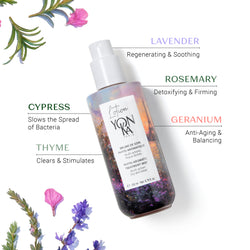
Plant-derived lipids and essential fatty acids are the "mortar" between your skin cells. Ingredients like jojoba oil, shea butter, and borage oil provide the necessary lipids to smooth the skin's surface and lock in hydration. At Yon-Ka, we also prioritize the power of our signature Quintessence—a blend of lavender, geranium, rosemary, cypress, and thyme essential oils. This 100% natural complex not only provides a sensorial, spa-like experience but also helps to revitalize the skin’s appearance and support a balanced complexion.
Key Takeaway: Success in treating dry skin lies in the "double-lock" method: first, apply water-binding humectants to hydrate the cells, then immediately follow with oil-based emollients to seal that moisture into the skin barrier.
Building a Restorative Phyto-Aromatic Ritual
The Yon-Ka philosophy is rooted in the ritual. Rather than searching for a single miracle product, we believe in a layered approach that respects the skin’s physiology. When your face is extremely dry, every step of your routine should focus on nourishment and protection.
Step 1: Barrier-Respecting Cleansing
Avoid the "squeaky clean" feeling, which is actually a sign of a stripped skin barrier. Instead, use a creamy, soap-free cleanser like Lait Nettoyant. This cleansing milk gently lifts impurities and makeup while maintaining the skin's natural pH and lipid balance. Apply it with your fingertips using circular motions and rinse with lukewarm—never hot—water. This ensures you are starting your ritual with skin that feels soft rather than parched.
Step 2: The Hydration Bridge
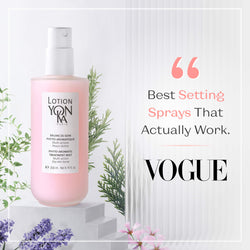
Never apply moisturizer to bone-dry skin. After cleansing, mist your face with Lotion Yon-Ka PS. This alcohol-free toner is enriched with our signature Quintessence and is specifically formulated for dry skin. It acts as a "hydration bridge," preparing the skin to better absorb the active ingredients in your serums and creams. The aromatic mist also provides an immediate cooling and soothing sensation to irritated or tight skin.
Step 3: Targeted Treatment
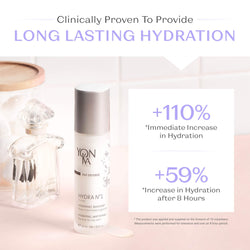
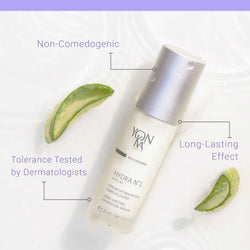
For extreme dryness, a serum or booster is a non-negotiable step. If your skin feels dehydrated, apply Hydra N°1 Serum, which utilizes long-lasting hydration technology to reach deeper into the skin's surface layers. If your skin is truly dry (lacking oil), consider adding a few drops of Nutri+ Booster to your moisturizer. This nutrient-dense oil helps to revitalize the appearance of dull, tired skin using a blend of antioxidant-rich plant oils.
Step 4: Deep Moisturizing and Protection
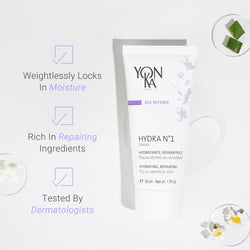
The final layer should be a rich, comforting cream that acts as a protective shield. Hydra N°1 Crème is designed for those who need intense, repair-focused hydration. It combines hyaluronic acid with moisturizing agents like hazelnut oil and grape seed oil. For mature skin experiencing extreme dryness, Excellence Code Crème offers a more robust solution, targeting the appearance of wrinkles while providing deep nourishment. During the day, always finish with broad-spectrum sun protection to prevent UV rays from further damaging the skin barrier.
Step 5: The Overnight Recovery
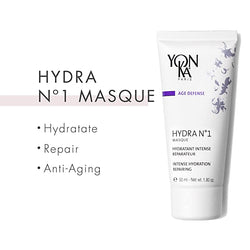
Nighttime is when the skin focuses on repair, making it the perfect opportunity for an intensive mask. Once or twice a week, apply a thick layer of Hydra n°1 Masque before bed. You can leave it on for 15 minutes and tissue off the excess, or for extremely dry skin, leave it on overnight as a "sleep mask." You will wake up to skin that looks visibly plumper, smoother, and more refreshed.
Note: When introducing new botanical products with essential oils, we always recommend a brief patch test. Apply a small amount to your inner forearm and wait 24 hours to ensure the product is a perfect match for your unique skin chemistry.
Lifestyle Adjustments to Support Your Skin Barrier
Your environment plays a massive role in how your skin behaves. If you spend a lot of time in heated or air-conditioned rooms, the air is likely pulling moisture directly from your face. Using a cool-mist humidifier in your bedroom can significantly reduce nighttime water loss, ensuring you don't wake up with that dreaded feeling of tightness. Aim to keep your indoor humidity levels around 40–50% for optimal skin comfort.
Hydration starts from the inside out, but it doesn't just mean drinking water. While staying hydrated is essential, eating a diet rich in healthy fats—such as avocados, walnuts, and fatty fish—provides your body with the building blocks it needs to produce natural skin oils. Additionally, try to limit your caffeine and alcohol intake, as both can act as diuretics and contribute to systemic dehydration that eventually shows up on your face.
Professional Solutions for Persistent Dryness
Sometimes, home care needs the support of a professional touch. If your skin remains stubbornly dry despite a consistent ritual, a professional facial can provide a "reset" for your complexion. Estheticians have access to professional-grade formulations and techniques—such as specialized massage and deep-penetrating hydration treatments—that can jumpstart the skin's recovery process.
At Yon-Ka Paris, our heritage is deeply rooted in the treatment room. We encourage you to use our Spa Locator to find a certified professional who can perform a detailed skin analysis. A professional can help identify if your dryness is related to environmental factors, aging, or a specific skin condition that may require a more tailored approach. Experiencing a professional phyto-aromatic treatment is not just a luxury; it is a vital part of maintaining long-term skin health.
When to Consult a Dermatologist
While most cases of dry skin can be managed with high-quality skincare and lifestyle changes, some situations require medical attention. If your skin is persistently red, inflamed, or if the dryness is accompanied by intense itching that interferes with your sleep, it is time to see a physician or a dermatologist.
Conditions such as eczema (atopic dermatitis), psoriasis, or seborrheic dermatitis can often mimic simple "dry skin" but may require prescription-strength ointments or specialized medical treatments. Furthermore, if your skin begins to crack, ooze, or show signs of infection (such as localized warmth or yellow crusting), seek medical advice immediately. Skincare products are designed to support and enhance the appearance of healthy skin, but they are not a replacement for medical diagnosis or treatment of clinical conditions.
Conclusion
Getting rid of extremely dry skin on the face is an achievable goal when you move away from "quick fixes" and embrace a consistent, nourishing ritual. By focusing on gentle cleansing, layering humectants with rich emollients, and protecting your skin from environmental stressors, you can restore the supple, radiant complexion you deserve. Remember that skin health is a journey, and your face will respond best to the steady, nurturing care of botanical actives and professional-grade formulations.
- Prioritize the barrier: Use creamy cleansers and avoid hot water.
- Layer your hydration: Mist, treat, and moisturize in that specific order.
- Don't forget the lipids: Add plant oils to your routine to "lock in" water.
- Be patient: Real results in skin texture and comfort typically take 2-4 weeks of consistent use.
If you are unsure which products are right for your specific needs, we invite you to take our Skin Diagnosis quiz or use the Product Matcher on our website. At Yon-Ka Paris, we remain committed to the belief that skincare is a ritual worth savoring, built on 70 years of phyto-aromatic expertise and a deep respect for the power of nature.
"The secret to lasting radiance is not found in a single bottle, but in the daily commitment to honoring your skin's natural rhythm with the finest botanical care." — The Yon-Ka Philosophy
FAQ
Why is my face so dry even when I moisturize?
You may be using a moisturizer that doesn't match your skin's needs, such as using a light lotion when your skin requires a lipid-rich cream. Additionally, if you aren't exfoliating gently or using a hydrating mist first, your moisturizer may just be sitting on top of dead skin cells rather than absorbing effectively.
Can drinking more water fix my dry skin?
While internal hydration is important for overall health, drinking water alone cannot fix a compromised skin barrier. You must use topical products that contain lipids and emollients to prevent the water in your body from evaporating through the surface of your skin.
Is it okay to use face oils every day for dry skin?
Yes, for truly dry skin types, a daily face oil or booster can be highly beneficial. We recommend adding a few drops of a booster like Nutri+ to your evening moisturizer to provide an extra layer of nourishment and protection while you sleep.
Should I exfoliate if my skin is flaking?
You should be very cautious with exfoliation when your skin is extremely dry. Avoid harsh physical scrubs, which can cause irritation, and instead opt for a gentle, grain-free exfoliator like Gommage Yon-Ka, which removes dead skin cells without damaging the fragile moisture barrier.
Want a personalized routine for extremely dry skin?
If you need extra guidance, explore our Spa Treatments for professional-inspired care and use our Product Matcher to find the right Yon-Ka solutions for your skin.
Piel seca y deshidratada