Table of Contents
- Introduction
- Understanding the Roots of Skin Dryness
- The Power of Botanical Humectants
- Nourishing with Plant-Based Lipids
- Gentle Exfoliation for Better Absorption
- Building a Phyto-Aromatic Ritual
- Natural Home Remedies to Supplement Your Routine
- Lifestyle Adjustments for Lasting Hydration
- The Role of Professional Expertise
- The Science of the Quintessence
- Conclusion
- FAQ
Introduction
Waking up to a complexion that feels tight, parched, or noticeably flaky can be a frustrating start to the day. When your skin loses its natural suppleness, it often lacks the essential lipids and moisture required to maintain a healthy glow. Many people find themselves searching for ways to restore that soft, velvet-like texture using the power of the earth rather than harsh synthetic chemicals. At Yon-Ka Paris, we have spent seven decades perfecting the art of phyto-aromatic care, bridging the gap between raw plant power and professional results. This guide explores the most effective botanical ingredients and lifestyle shifts to help you understand how to get rid of dry face skin naturally. By combining traditional home remedies with high-performance plant science, you can rebuild your skin barrier and sustain deep hydration for a radiant, comfortable complexion.
Quick Answer: To get rid of dry face skin naturally, focus on a "layering" approach that includes gentle, non-foaming cleansers, botanical humectants like aloe vera or honey, and plant-based oils rich in omega fatty acids. Protecting the skin barrier with consistent moisture and avoiding hot water are the most effective ways to restore a healthy, hydrated appearance.
Understanding the Roots of Skin Dryness
Before we look at remedies, we must understand why skin becomes dry in the first place. Dryness, or xerosis, occurs when the outermost layer of the skin, the epidermis, lacks sufficient water and oils. This is different from "dehydrated" skin, which specifically lacks water. Dry skin is a skin type that lacks oil (sebum), whereas dehydration is a temporary condition that can affect any skin type.
The role of the skin barrier is central to this issue. Your skin acts as a protective shield, often compared to a "bricks and mortar" structure. The skin cells are the bricks, and the lipids (oils) are the mortar. When this mortar is depleted by environmental factors or aging, moisture evaporates more quickly—a process known as transepidermal water loss (TEWL).
Environmental and lifestyle triggers frequently exacerbate this depletion. Cold winter air holds less humidity, and indoor heating further parches the skin. Conversely, excessive sun exposure can damage the barrier over time. Even common habits, such as taking long, steaming-hot showers or using high-pH bar soaps, can strip away the very oils your skin needs to stay resilient. By recognizing these triggers, you can begin to make the lifestyle adjustments necessary to support your natural healing process.
The Power of Botanical Humectants
Humectants are substances that attract water. In nature, several ingredients excel at pulling moisture into the skin to plump up the appearance of fine lines and alleviate tightness.
Aloe Vera: The Hydration Powerhouse
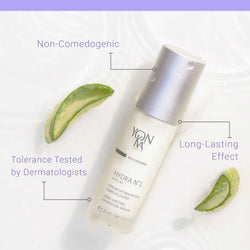
Aloe vera is perhaps the most famous natural remedy for skin distress. Beyond its cooling sensation, aloe is rich in mucopolysaccharides, which help bind moisture to the skin. It also contains enzymes that can help gently clear away dulling surface cells. For those with dry, irritated patches, applying pure aloe vera gel can provide immediate relief.
Honey: Nature’s Liquid Gold
Honey is a natural humectant and emollient, meaning it both attracts moisture and smooths the skin’s surface. We recommend using medical-grade or Manuka honey for the highest concentration of bioactive compounds. Honey creates a soothing film on the skin, making it an excellent base for a DIY mask. It also possesses mild antimicrobial properties that support the skin's natural recovery process without the use of harsh synthetics.
Hyaluronic Acid: The Sugar Molecule
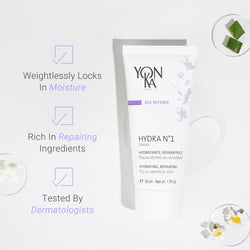
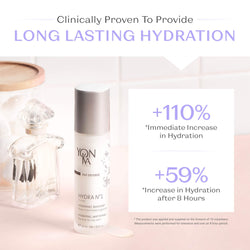
While it sounds clinical, hyaluronic acid is a sugar molecule naturally found in our bodies. In skincare, it is often derived from plant fermentation. It is legendary for its ability to hold up to 1,000 times its weight in water. When you use a product like Hydra n°1 Crème, you are utilizing this natural "moisture magnet" to create a long-lasting reservoir of hydration within the skin.
Nourishing with Plant-Based Lipids
When skin is naturally dry, it desperately needs lipids to repair the "mortar" of the skin barrier. Botanical oils provide these essential fatty acids in a form the skin recognizes and absorbs efficiently.
Omega-Rich Oils
Oils high in linoleic acid, such as sunflower seed oil and evening primrose oil, are particularly beneficial for a compromised barrier. Unlike some heavier oils that may sit on the surface, these plant oils help reinforce the skin’s defenses. Our Serum Omega is specifically designed for this purpose, utilizing a blend of precious oils to restore the lipid balance and soothe even the most sensitive, parched complexions.
The Benefits of Jojoba and Squalane
Jojoba oil is unique because its chemical structure closely mimics human sebum. This allows it to "trick" the skin into feeling protected and balanced. Squalane, often derived from olives, is another exceptional emollient. It is a stable version of squalene, a lipid we produce naturally but lose as we age. Integrating these into your routine helps fill the gaps between skin cells, leading to a smoother, more supple appearance.
Key Takeaway: Dry skin lacks oil, while dehydrated skin lacks water. A successful natural routine must provide both humectants (to attract water) and emollients (to seal it in with oil).
Gentle Exfoliation for Better Absorption
One common mistake when dealing with dry skin is avoiding exfoliation for fear of further irritation. However, dry skin often suffers from a buildup of dead skin cells that prevent moisturizers from penetrating deeply. The key is to avoid "scrubbing" and instead use gentle, non-abrasive methods.
Fruit enzymes—such as those found in pineapple (bromelain) or papaya (papain)—offer a natural way to dissolve the "glue" holding dead cells together. This is much kinder to the skin than sugar or salt scrubs, which can create microscopic tears in an already fragile barrier.
Our Gommage Yon-Ka is a professional-grade example of this approach. It is a grain-free, botanical "peel" that uses carob and lime oil to gently lift away dullness while hydrating the skin. Because it contains no harsh scrubbing particles, it respects the integrity of the skin barrier, leaving the face looking bright and ready to receive treatment.
Building a Phyto-Aromatic Ritual
At Yon-Ka, we believe skincare is a ritual to be savored. A consistent, layered approach is far more effective than any single "miracle" product. To get rid of dry face skin naturally, follow this structured routine.
Step 1: Gentle Cleansing
Avoid foaming cleansers that contain sulfates (like SLS), as these can strip away natural oils. Instead, opt for a creamy cleansing milk like Lait Nettoyant. This formula cleanses thoroughly while maintaining the skin's acidic mantle, which is vital for moisture retention.
Step 2: The Phyto-Aromatic Mist
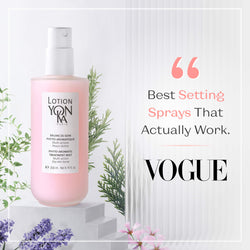
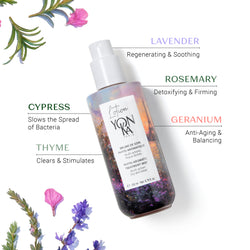
After cleansing, the skin needs to be balanced and prepared. Our signature Lotion Yon-Ka PS (designed for dry skin) is much more than a toner. It is a phyto-aromatic mist infused with our Quintessence—an exclusive complex of lavender, geranium, rosemary, cypress, and thyme essential oils. This mist hydrates, purifies, and enhances the absorption of the serums and creams that follow.
Step 3: Targeted Treatment
Apply a serum or booster while the skin is still slightly damp from your mist. This "locks in" the hydration. If your skin feels particularly thin or tight, adding a few drops of Boosters can provide a concentrated dose of support to revitalize the skin's appearance.
Step 4: Deep Moisture
Finish with a rich, protective moisturizer. For intense dryness, Face Moisturizers provide both immediate comfort and long-term hydration support. During the day, always protect your skin from the elements with a product like Dry & Dehydrated Skin, which helps support a more comfortable complexion.
Natural Home Remedies to Supplement Your Routine
While professional formulations offer stability and concentrated actives, simple home remedies can serve as excellent weekly supplements to your ritual.
| Natural Ingredient | Primary Benefit | Best Use Case |
|---|---|---|
| Colloidal Oatmeal | Calms redness and itching | Soothing mask for irritated patches |
| Avocado | Rich in Vitamin E and healthy fats | Deeply nourishing mask for extreme dryness |
| Cool Milk | Lactic acid gently exfoliates | Cool compress for stinging or tight skin |
| Coconut Oil | Strong occlusive properties | Overnight treatment for very dry areas |
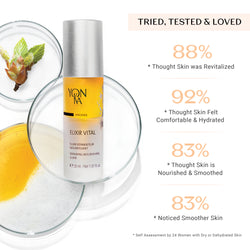
The Avocado Mask Ritual Mash half a ripe avocado with a teaspoon of honey. Apply this creamy mixture to clean skin for 15 minutes. The avocado provides healthy lipids, while the honey acts as a humectant. Rinse with lukewarm water and immediately follow with your Serums & Elixirs to seal in the benefits.
Lifestyle Adjustments for Lasting Hydration
Skincare products work best when supported by healthy habits. To truly transform dry skin, consider these environmental and lifestyle changes:
- Manage Water Temperature: Always use lukewarm water for washing your face and body. Hot water dissolves the natural oils on your skin's surface, leading to instant dryness.
- Invest in a Humidifier: During the winter or in dry climates, a humidifier adds moisture back into the air, preventing your skin from "donating" its water to a dry room.
- Hydrate from Within: While drinking water doesn't directly moisturize the skin cells of the epidermis, systemic dehydration can make skin appear dull and less resilient.
- Mind Your Fabrics: If your neck and face are prone to irritation, avoid rough wool scarves. Opt for silk or organic cotton, which are less likely to snag or chafe the skin.
The Role of Professional Expertise
Our heritage is rooted in the professional spa environment. Founded in 1954 by the Mühlethaler family, Laboratoires Multaler (the makers of Yon-Ka) pioneered the fusion of aromatherapy and phytotherapy. Today, over 7,000 skincare professionals worldwide trust our methods.
When home remedies aren't enough, a professional treatment can provide a "reset" for your skin. A deep hydration facial at a partner spa uses professional-strength botanical extracts and specialized massage techniques to push moisture deeper into the layers of the skin. You can find a local expert to help analyze your skin's specific needs by using our Spa Locator.
Note: When introducing new botanical products or essential oils, we always recommend a patch test. Apply a small amount of the product to your inner forearm and wait 24 hours to ensure no sensitivity occurs. Introducing one new product at a time allows you to monitor how your skin responds to each active ingredient.
The Science of the Quintessence
The soul of our brand is the Quintessence. This 100% natural, pure, and active complex is the foundation of our formulations. For dry skin, these oils provide more than just a beautiful scent; they offer aromachological benefits that turn a routine into a moment of wellness. Lavender calms, while rosemary and thyme support the skin's vitality. This holistic approach ensures that while you are addressing the physical appearance of dryness, you are also supporting your overall sense of wellbeing.
If you are unsure which plant-based solutions are right for your specific needs, we invite you to use our Product Matcher or explore Our Formulas. These tools are designed to help you build a customized ritual that respects your skin's unique biology.
Conclusion
Learning how to get rid of dry face skin naturally is a journey of understanding and respecting your skin's biological needs. By focusing on gentle cleansing, botanical humectants, and rich plant oils, you can restore the moisture and lipids your skin is craving. Remember that consistency is the most important ingredient in any skincare ritual.
- Prioritize barrier-respecting cleansers and alcohol-free mists.
- Layer humectants under emollients to trap moisture effectively.
- Support your topical care with a humidified environment and gentle habits.
At Yon-Ka Paris, we remain dedicated to the belief that the most effective skincare is a ritual worth savoring—one built on 70 years of phyto-aromatic expertise and a deep respect for the power of nature.
"Skincare is not just a daily task; it is an act of self-care that connects us to the healing rhythms of the natural world."
To begin your journey toward a more hydrated, radiant complexion, explore our Our Ingredients or take our Skin Diagnosis today.
FAQ
Can I use olive oil as a natural moisturizer for my face?
While olive oil contains beneficial Vitamin E and antioxidants, it is very high in oleic acid, which can actually disrupt the skin barrier in some individuals. It is often better to use oils high in linoleic acid, like sunflower or jojoba, or a balanced professional blend like Serum Omega to ensure you are supporting, rather than harming, your skin's natural defenses.
How often should I exfoliate if my face is very dry and flaky?
If your skin is actively flaking, you may be tempted to scrub daily, but this will likely cause more irritation. Limit exfoliation to once or twice a week using a gentle, grain-free product like Gommage Yon-Ka. This removes dead skin cells without stripping the moisture your skin is trying to retain.
Is honey safe for all skin types as a natural remedy?
Generally, yes, honey is well-tolerated by most skin types and is an excellent natural humectant. However, those with allergies to bees or pollen should exercise caution. We always recommend using medical-grade or Manuka honey to ensure purity and avoid potential irritants found in some commercial food-grade honeys.
Why does my face feel dry even after applying moisturizer?
This often happens if you are applying moisturizer to bone-dry skin or if the moisturizer lacks the right balance of humectants and occlusives. Try applying a mist like Lotion Yon-Ka PS before your cream to provide a "water" layer for the moisturizer to lock in, and ensure your product contains barrier-repairing ingredients like ceramides or essential fatty acids.
Piel seca y deshidratada