Table of Contents
- Introduction
- Understanding the Life Cycle of Your Skin
- Why Dead Skin Accumulates on the Face
- Identifying Your Skin Type and Its Needs
- The Yon-Ka Approach to Exfoliation: Phyto-Aromatic Excellence
- Mechanical vs. Chemical Exfoliation
- Building Your Phyto-Aromatic Ritual
- Common Mistakes to Avoid
- Essential Oil Safety and Best Practices
- Advanced Solutions for Persistent Dryness
- The Professional Touch: The Value of a Spa Treatment
- Lifestyle Factors for Smoother Skin
- Conclusion
- FAQ
Introduction
Have you ever looked in the mirror after applying your favorite foundation only to see it clinging to tiny, stubborn patches of texture? Or perhaps you’ve noticed that despite your best moisturizing efforts, your complexion remains perpetually dull and lackluster. These are the telltale signs of accumulated dead skin cells—a natural but frustrating hurdle on the path to a radiant glow. At Yon-Ka Paris, we believe that understanding the biological rhythm of your skin is the first step toward transforming its appearance. In this guide, we will explore the science of cellular turnover, the gentle art of botanical exfoliation, and the professional rituals that reveal a smoother, more vibrant surface. By aligning your skincare routine with the power of phyto-aromatic ingredients, you can effectively manage dead skin buildup while respecting your delicate moisture barrier.
Understanding the Life Cycle of Your Skin
The skin is a remarkably dynamic organ, constantly renewing itself in a process known as desquamation. In a healthy, youthful cycle, new skin cells are born in the deepest layer of the epidermis. Over approximately 28 to 40 days, these cells journey toward the surface, gradually hardening and eventually shedding to make room for the fresh, hydrated cells beneath.
When this cycle is functioning perfectly, your skin looks luminous and feels soft. However, as we age, this natural turnover slows down. Instead of shedding invisibly, dead cells can linger on the surface, overlapping like shingles on a roof. This buildup creates a physical barrier that prevents your serums and moisturizers from penetrating effectively, leading to a cycle of persistent dryness and congestion.
Why Dead Skin Accumulates on the Face
Several factors can interfere with the skin's ability to shed dead cells efficiently. Recognizing these triggers helps you tailor your approach to restoration.
- Environmental Stressors: Cold, dry winter air and indoor heating strip the skin of essential moisture, causing cells to dry out and "glue" themselves to the surface.
- Dehydration: When the skin lacks water, the enzymes responsible for breaking the bonds between dead cells cannot function correctly.
- Sun Damage: Chronic UV exposure can thicken the outer layer of the skin (the stratum corneum) as a protective mechanism, leading to a rough, leathery texture.
- Inadequate Cleansing: Residual makeup, pollution, and excess sebum can trap dead skin cells, preventing them from falling away naturally.
By addressing these underlying causes through a consistent ritual, we can support the skin’s natural intelligence and encourage a more youthful-looking complexion.
Identifying Your Skin Type and Its Needs
Before choosing a method to address dead skin, it is essential to understand your specific skin type. Each requires a different level of intensity and a unique blend of botanical actives.
Dry and Mature Skin
Dry skin often lacks the lipids necessary to maintain a smooth surface. It is prone to visible flaking and a tight, uncomfortable sensation. For this type, we prioritize gentle, hydrating exfoliation that nourishes while it polishes.
Oily and Combination Skin
Oily skin produces excess sebum, which acts as a "cement," trapping dead skin cells inside the pores. This often leads to the appearance of enlarged pores and blemishes. This skin type benefits from ingredients that can penetrate oil and clear deep-seated congestion.
Sensitive and Reactive Skin
Sensitive skin requires the utmost care. Harsh physical scrubs can cause micro-tears and inflammation. For those with reactive complexions, we utilize soothing enzymes and mild fruit acids that provide results without the risk of irritation.
Quick Answer: To get rid of dry dead skin on the face, use a combination of gentle exfoliation—such as a grain-free gommage or mild fruit acids—and deep hydration. Consistency is key; a weekly ritual helps maintain the skin's natural turnover cycle without damaging the protective moisture barrier.
The Yon-Ka Approach to Exfoliation: Phyto-Aromatic Excellence
We pioneered the fusion of aromatherapy and phytotherapy in 1954, and our approach to exfoliation remains rooted in this professional heritage. We do not believe in "stripping" the skin. Instead, we use sophisticated botanical formulas to encourage the skin to reveal its own natural brilliance.
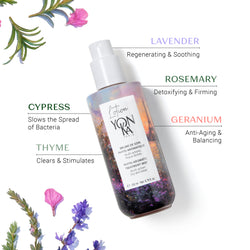
Our signature across nearly all our formulations is the Quintessence. This exclusive complex of five essential oils—lavender, geranium, rosemary, cypress, and thyme—works in synergy to provide both skin-balancing benefits and a profound sensorial experience. When you exfoliate with a product infused with the Quintessence, you are not just cleaning the surface; you are revitalizing the appearance of the skin through aromachology.
Mechanical vs. Chemical Exfoliation
There are two primary ways to remove dead skin cells: mechanical (physical) and chemical. Understanding the difference is vital for maintaining a healthy barrier.
The Gentle Power of Gommage
Mechanical exfoliation often brings to mind harsh, grainy scrubs. However, at Yon-Ka, we favor a professional technique known as "gommage." Our Gommage Yon-Ka is a unique, grain-free gel that acts as a 4-in-1 botanical peel.
As you apply it and gently "rub" it away with your fingertips, the carob-based formula lifts dead skin cells and sweeps them away without the use of abrasive particles. This method is exceptionally gentle, making it suitable even for those with sensitive skin or redness. It leaves the skin looking brightened and feeling incredibly soft.
Chemical Exfoliation with AHAs and BHAs
Chemical exfoliation uses natural acids or enzymes to dissolve the "glue" that holds dead skin cells together.
- AHAs (Alpha Hydroxy Acids): Water-soluble acids like glycolic and lactic acid are excellent for addressing surface-level dryness and dullness.
- BHAs (Beta Hydroxy Acids): Oil-soluble salicylic acid is the gold standard for oily skin, as it travels into the pores to clear out trapped debris.
For a targeted evening treatment, our Glyconight 10% Masque utilizes a high concentration of glycolic acid in a clean, vegan formula. It works overnight to refine skin texture and reduce the appearance of fine lines, so you wake up to a noticeably smoother complexion.
Building Your Phyto-Aromatic Ritual
To effectively manage dead skin, exfoliation must be part of a holistic ritual. A single product cannot do the work of a consistent, layered program.
Step 1: Cleanse with Care
Never exfoliate skin that hasn't been properly cleansed. Use a gentle, barrier-respecting cleanser like Lait Nettoyant. This silky cleansing milk removes makeup and impurities while maintaining the skin’s natural pH and lipid balance.
Step 2: Prepare with the Mist
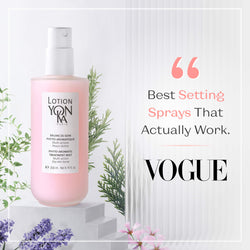
After cleansing, saturate the skin with Lotion Yon-Ka. This is not a traditional toner; it is a phyto-aromatic healing mist that prepares the skin to better absorb the active ingredients in your exfoliant or serum. The essential oils in the Quintessence provide an immediate refreshing sensation that awakens the senses.
Step 3: Exfoliate
Depending on your skin type, use Gommage Yon-Ka one to three times a week. Apply a thick layer to the face and neck, let it sit for a few minutes, and then use your fingertips to gently roll it off. This removes the "dead weight" from your face, allowing fresh skin to breathe.
Step 4: Intensive Treatment
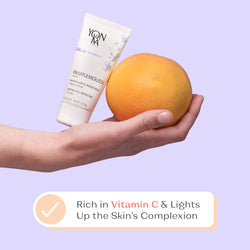
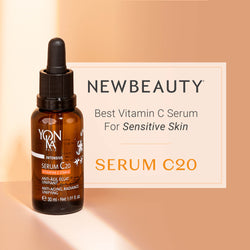
If you are dealing with significant dullness or dark spots, follow exfoliation with a targeted serum. Serum C20 is a potent option, featuring a 20% concentration of stable Vitamin C to brighten the appearance of the skin and provide powerful antioxidant protection.
Step 5: Hydrate and Protect
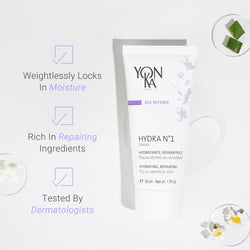
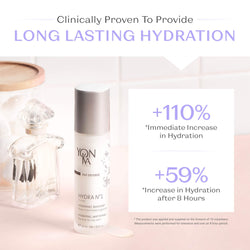
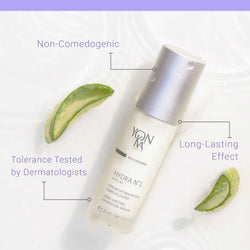
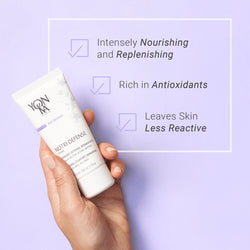
Freshly exfoliated skin is thirsty skin. Apply a deep moisturizer like Hydra n°1 Crème. Infused with hyaluronic acid (a molecule that holds 1,000 times its weight in water), it provides long-lasting hydration that plumps the look of the skin. During the day, always finish with sun protection, as exfoliating makes the skin more sensitive to UV rays.
Key Takeaway: Exfoliation is most effective when performed on clean skin and followed immediately by hydration. This "reveal and replenish" cycle ensures the skin stays smooth without becoming irritated or dehydrated.
Common Mistakes to Avoid
When trying to get rid of dry dead skin, it is easy to become overzealous. To protect your skin’s health, avoid these common pitfalls:
- Over-exfoliating: More is not always better. Exfoliating too often can damage the skin's moisture barrier, leading to increased sensitivity, redness, and even more dryness. Limit exfoliation to 1–3 times per week based on your skin's feedback.
- Using Harsh Scrubs: Avoid products with jagged particles like crushed walnut shells or apricot kernels. These can create micro-tears in the skin, which invite bacteria and cause inflammation.
- Skipping Moisturizer: Removing dead skin exposes a fresh, vulnerable layer. If you don't seal that layer with moisture immediately, you risk "trans-epidermal water loss," which leads back to the very dryness you were trying to solve.
- Neglecting the Neck and Decollete: The skin on your neck is just as prone to buildup and aging as your face. Always include these areas in your exfoliation and hydration steps.
Essential Oil Safety and Best Practices
Because our formulas are highly active and utilize the power of pure essential oils, we always recommend a mindful approach to new products.
Note: Before introducing a new exfoliant or active serum into your routine, perform a patch test on your inner forearm for 24 hours. Introduce one new product at a time so you can accurately monitor your skin's response. While a slight, fleeting tingling sensation can be normal with active botanical ingredients, persistent redness or irritation is a sign to reduce frequency or discontinue use. For severe reactions such as facial swelling, please consult a physician immediately.
Advanced Solutions for Persistent Dryness
If your skin still feels rough despite regular exfoliation, you may need to supplement your routine with lipid-restoring ingredients. Exfoliation removes the cells, but "lipids" (natural oils) are the mortar that keeps the remaining cells healthy and resilient.
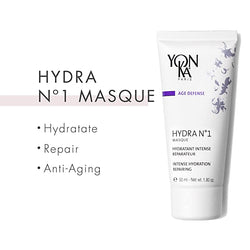
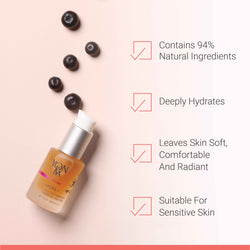
Our Serum Omega is an oil-in-serum designed specifically for skin that is suffering from extreme dryness or a compromised barrier. It delivers essential fatty acids (Omega 3, 6, and 9) to help the skin feel supple and nourished. Pairing this with a weekly application of Hydra n°1 Masque —which can be left on overnight—provides an intensive infusion of moisture that helps prevent the future buildup of dead, dry patches.
The Professional Touch: The Value of a Spa Treatment
While home care is the foundation of healthy skin, there is no substitute for the expertise of a trained professional. Nearly all our formulations were born in the treatment room before being adapted for your vanity.
A professional Yon-Ka treatment, such as the "Le Grand Classique," provides a deep, expert exfoliation and oxygenation that is difficult to replicate at home. Our estheticians use specific massage techniques and professional-grade concentrations to revitalize the skin from within. We encourage you to use our Spa Locator to find a certified partner near you and experience the full potential of our phyto-aromatic rituals.
Lifestyle Factors for Smoother Skin
The appearance of your skin is often a reflection of your internal environment. To support your topical efforts, consider these lifestyle adjustments:
- Hydration from Within: Drinking ample water ensures that your skin’s natural enzymes have the hydration they need to facilitate cellular turnover.
- Humidify Your Air: If you live in a dry climate or use indoor heating, a humidifier can help prevent your skin from drying out and trapping dead cells on the surface.
- Healthy Fats: Incorporating Omega-3 fatty acids (found in salmon, walnuts, and flaxseeds) into your diet supports a healthy, flexible skin barrier.
- Quality Sleep: Your skin does its most intensive repair and renewal work while you sleep. Aim for 7–9 hours of rest to maximize this natural process.
Conclusion
Getting rid of dry dead skin on your face is not about aggressive scrubbing; it is about supporting the natural intelligence of your skin with gentle, effective botanical care. By incorporating a grain-free gommage or mild fruit acids into a consistent ritual of cleansing, misting, and deep hydration, you can reveal a complexion that is visibly smoother, brighter, and more youthful.
At Yon-Ka Paris, our mission for over 70 years has been to provide high-performance skincare that respects the skin’s delicate balance. We invite you to savor your skincare ritual as a moment of daily wellbeing, trusting in the pharmaceutical rigor and botanical expertise that defines our French heritage.
Key Takeaway: Real, lasting radiance comes from consistency and barrier respect. By choosing phyto-aromatic formulas that nourish while they renew, you ensure your skin looks healthy today and stays resilient for years to come.
If you are unsure which products are right for your unique skin concerns, we invite you to start with the dry & dehydrated skin collection or explore the face moisturizers collection. These resources are designed to help you build a personalized ritual that addresses your specific needs, whether you are looking to combat dryness, target fine lines, or simply restore your natural glow.
FAQ
How often should I exfoliate to get rid of dead skin?
For most skin types, exfoliating one to three times per week is ideal. If you have sensitive or very dry skin, start with once a week using a gentle, grain-free option like Gommage Yon-Ka. Oily skin may tolerate more frequent exfoliation, but always listen to your skin and back off if you notice redness or irritation.
Can I remove dead skin if I have active breakouts?
Yes, but you must be extremely gentle. Avoid physical scrubs with grains, as these can spread bacteria and aggravate inflammation. Instead, use a BHA-based product or a gentle enzyme peel that dissolves dead skin without the need for manual friction, helping to clear pores without irritating the blemish. For a closer look at targeted options, browse the face acne collection.
Why does my skin still look flaky even after exfoliating?
Persistent flakiness is often a sign of dehydration or a compromised moisture barrier rather than just a need for more exfoliation. If you exfoliate too much without replenishing lipids and water, you can actually create more flakes. Ensure you are following every exfoliation step with a deeply hydrating serum and moisturizer like Hydra n°1 Crème.
Should I exfoliate in the morning or at night?
Both have benefits, but nighttime is often preferred. Exfoliating at night removes the day’s buildup and allows your evening treatments, such as Glyconight 10% Masque, to penetrate more deeply while the skin is in its natural repair mode. If you exfoliate in the morning, be especially diligent about applying a high-quality SPF.
Piel seca y deshidratada