Table of Contents
- Introduction
- Understanding the Root Causes of Dry, Flaky Skin
- The Difference Between Dry and Dehydrated Skin
- The Power of Phyto-Aromatic Rituals
- Step 1: Barrier-Respecting Cleansing
- Step 2: The Importance of Phyto-Aromatic Mists
- Step 3: Targeted Treatment with Hydrating Serums
- Step 4: Locking in Moisture
- Managing Flakiness with Gentle Exfoliation
- Essential Oil Safety and Sensorial Well-being
- Lifestyle Adjustments for Lasting Results
- The Professional Touch
- A Summary of the "Dry Skin" Ritual
- Conclusion
- FAQ
Introduction
Waking up to a complexion that feels tight, looks dull, and displays visible patches of flakiness can be a frustrating way to start the day. When your skin loses its natural suppleness, it is not just a matter of aesthetics; it is often a signal that your delicate moisture barrier is struggling to cope with internal or external stressors. At Yon-Ka Paris, we believe that restoring a healthy, radiant glow requires more than a quick fix—it calls for a mindful ritual that respects the skin’s natural biology. This post will explore why these dry patches occur, how to identify the specific needs of your skin, and the most effective botanical-led strategies to restore comfort. By understanding the synergy between professional-grade ingredients and consistent care, you can learn how to fix dry flaky skin on face and achieve long-term vitality.
Understanding the Root Causes of Dry, Flaky Skin
Before we can address the visible symptoms, we must understand the "why" behind the dryness. Our skin is a complex organ that relies on a precise balance of water and lipids (oils) to maintain its barrier. When this balance is disrupted, the outermost layer—the stratum corneum—becomes brittle, leading to the rough texture and peeling we recognize as flakiness.
The Natural Aging Process
As we move through different stages of life, our skin’s sebaceous glands naturally become less active. Sebum is the oil our body produces to lubricate the skin and trap moisture. Beginning in our 40s, sebum production often drops significantly. This reduction in natural oils makes the skin more vulnerable to evaporation, leading to a state where the skin feels perpetually parched and looks more textured than it once did.
Environmental Stressors
The world around us plays a significant role in how our skin behaves. During the colder months, the air holds less humidity, which can draw moisture directly out of the skin—a process known as transepidermal water loss (TEWL). Indoor heating further exacerbates this by creating an exceptionally dry environment. Conversely, excessive sun exposure during warmer months can damage the skin's barrier, leading to a dehydrated, leathery appearance that eventually flakes away.
Harsh Cleansing Habits
Ironically, some of the most common causes of dry skin come from the very products meant to care for it. Many traditional cleansers contain sulfates or high alcohol content that strip away the skin's protective acid mantle. When this oily shield is removed too aggressively, the skin cannot hold onto hydration, regardless of how much moisturizer you apply afterward. Using water that is too hot during your morning or evening routine can also melt away the beneficial lipids that keep skin cells "glued" together smoothly.
The Difference Between Dry and Dehydrated Skin
One of the most common misconceptions in skincare is treating "dry" and "dehydrated" skin as the same thing. However, understanding the distinction is essential when learning how to fix dry flaky skin on face. If you want a deeper breakdown, our Dry vs. Dehydrated Skin guide explains the difference in simple terms.
Dry skin is a skin type characterized by a lack of oil. If your skin has always felt tight, has small pores, and rarely experiences breakouts, you likely have a dry skin type. Your skin needs lipids—nutritive oils and ceramides—to feel comfortable.
Dehydrated skin is a temporary condition characterized by a lack of water. It can affect any skin type, including oily skin. Dehydrated skin often looks "crinkled" when gently pushed, feels tight despite looking shiny, and is prone to superficial flaking. This condition requires humectants—ingredients like hyaluronic acid and glycerin—that attract and bind water to the skin.
Most people experiencing significant flakiness are dealing with a combination of both: a lack of protective oil that leads to a loss of essential water.
The Power of Phyto-Aromatic Rituals
Our approach to skincare is rooted in the fusion of aromatherapy and phytotherapy. We utilize the active properties of plants to not only treat the skin's surface but to provide a sensorial experience that supports overall well-being. At the heart of our formulations is the Quintessence.
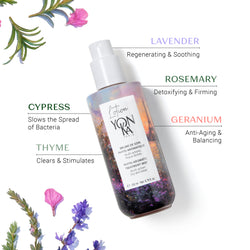
This exclusive complex consists of five essential oils: lavender, geranium, rosemary, cypress, and thyme. These are 100% natural and active, providing a multitasking foundation that helps to balance, soothe, and revitalize the appearance of the skin. When dealing with dry, flaky areas, these botanicals help to support the skin's natural repair processes, making your daily ritual feel like a professional spa treatment.
Step 1: Barrier-Respecting Cleansing
When your face is flaking, the last thing it needs is a harsh scrub or a foaming wash that leaves it feeling "squeaky clean." That sensation is actually the sound of your skin’s barrier crying out for help.
The first step in fixing dry skin is switching to a gentle, milk-based cleanser. Our Lait Nettoyant is a cult favorite for a reason. This creamy milk gently lifts away impurities and makeup while maintaining the skin’s natural pH and lipid balance. It contains borneol, a plant-derived compound known for its purifying and soothing properties.
Routine Tip: Always use lukewarm water. Hot water is a solvent that strips away the very oils you are trying to preserve. Pat your skin dry with a soft, clean towel—never rub, as the friction can further irritate dry patches.
Step 2: The Importance of Phyto-Aromatic Mists
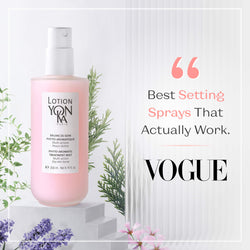
Many people skip the toning step, believing it to be an optional "extra." However, in the Yon-Ka ritual, the mist is a crucial bridge between cleansing and treating. Our signature Lotion Yon-Ka PS is more than just a toner; it is a "healing water" that drenches the skin in the Quintessence.
Applying a mist while the skin is still slightly damp from cleansing helps to enhance the absorption of your subsequent serums and creams. For those with dry, flaky skin, Lotion Yon-Ka PS provides an immediate sense of relief and refreshment, helping to "prime" the skin cells so they can better receive moisture.
Step 3: Targeted Treatment with Hydrating Serums
If your skin is visibly flaking, a basic moisturizer may not be enough. You need a concentrated treatment designed to dive deeper into the skin’s surface. Explore more options in our face serums collection.
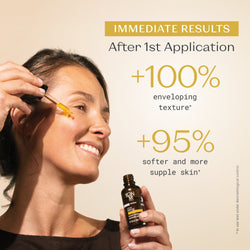
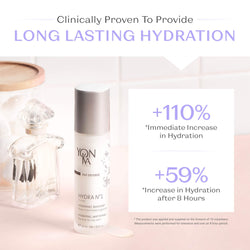
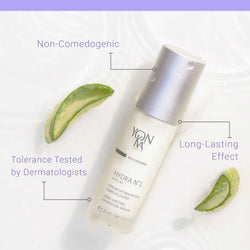
For intense dehydration, we recommend Hydra N°1 Serum. This formula is rich in hyaluronic acid, a powerful humectant that can hold up to 1,000 times its weight in water. Hyaluronic acid works by pulling moisture into the skin, instantly plumping the appearance of fine lines and softening dry patches.
If your skin feels rough and lacks elasticity, it may be craving lipids. In this case, Serum Omega is an excellent choice. This oil-in-serum is packed with essential fatty acids (Omegas 3, 6, and 9) that help to "refat" the skin, repairing the gaps between cells so that moisture cannot escape.
Step 4: Locking in Moisture
Once you have applied your hydrating serum, you must seal it in with a high-quality moisturizer. Think of your serum as the water in a glass and your moisturizer as the lid that prevents it from evaporating. You can find more rich, nourishing formulas in our face moisturizers collection.
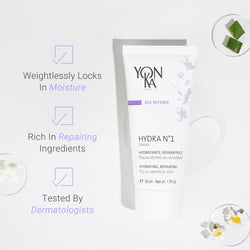
For those with persistent dryness, Hydra N°1 Creme is a sanctuary for the skin. It combines long-lasting hydration with the nourishing benefits of shea butter and hazelnut oil. This creates a protective "second skin" that feels velvety and comfortable throughout the day.
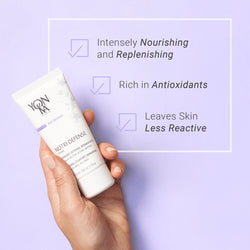
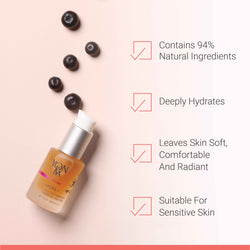
If you find that your usual cream isn't quite enough during the height of winter, you can customize your ritual with a booster. Our Booster Nutri + is a nutrient-dense oil concentrate that can be mixed directly into your moisturizer to provide an extra layer of antioxidant protection and nourishment.
Managing Flakiness with Gentle Exfoliation
It is tempting to try and scrub away flakes with a gritty manual exfoliant. However, dry skin is often sensitized. Using apricot kernels or plastic beads can create micro-tears in the skin, leading to more inflammation and even more flaking.
Instead, we recommend Gommage Yon-Ka. This is a unique, grain-free "peel" that uses botanical enzymes to gently dissolve dead skin cells. You apply it in a thin layer, let it sit for a moment, and then gently roll it off with your fingertips. This "peluchage" action lifts away the dull, flaky surface without the need for harsh scrubbing, leaving the skin underneath looking bright and smooth.
Key Takeaway: Never exfoliate more than once or twice a week when your skin is dry. Over-exfoliation is a leading cause of a compromised barrier, which only leads to further dehydration and flaking.
Essential Oil Safety and Sensorial Well-being
Since our formulas rely on the power of pure essential oils, we always advocate for a mindful approach to new products. While these botanicals offer incredible benefits for the appearance of the skin, they are active ingredients. If you want to better understand the philosophy behind our approach, explore Our Formulas and Our Ingredients.
Note: We recommend a patch test when introducing a new product to your ritual. Apply a small amount to your inner forearm and wait 24 hours to ensure your skin welcomes the botanical blend. Introduce one new product at a time so you can accurately monitor how your skin responds. A slight, fleeting tingling can be normal as the essential oils work to revitalize the skin, but any persistent redness is a sign to slow down.
Lifestyle Adjustments for Lasting Results
Fixing dry, flaky skin on the face is a holistic endeavor. Your topical products work best when supported by your environment and internal health.
Use a Humidifier
If you live in a dry climate or use indoor heating, a humidifier is your skin's best friend. By increasing the moisture levels in the air, you reduce the rate of TEWL, allowing your skin to retain the hydration you’ve applied via your skincare ritual.
Stay Hydrated from Within
While drinking water won't "fix" dry skin on its own (that is a myth), chronic dehydration can certainly make skin issues worse. Support your skin's health by consuming adequate water and healthy fats, such as those found in avocados, walnuts, and flaxseeds.
Protect from the Sun
UV rays are one of the fastest ways to damage the skin barrier. Even on cloudy days, a broad-spectrum sunscreen is essential. Sun-damaged skin becomes thick, dry, and scaly. Protecting your skin today prevents the "leathery" flakiness of tomorrow. For daily defense, visit our sun care collection.
Avoid Irritants
Check your laundry detergent and hair products. Often, fragrance or harsh surfactants from shampoo can run down your face in the shower, causing localized dry patches along the hairline or jawline. Switching to fragrance-free options can sometimes yield surprising improvements in facial dryness.
The Professional Touch
Sometimes, at-home care needs a professional boost. Our heritage is deeply rooted in the professional spa world, with over 7,000 skincare professionals worldwide trusting our methods. If you find your dry patches are particularly stubborn, a professional phyto-aromatic facial can provide deep, long-lasting hydration that is difficult to achieve at home. Learn more about our professional approach with Spa Treatments.
A Summary of the "Dry Skin" Ritual
To make these steps easy to remember, let’s look at how they fit together in a cohesive morning and evening routine.
- Morning: Cleanse with Lait Nettoyant using lukewarm water. Mist generously with Lotion Yon-Ka PS. Apply Hydra N°1 Serum to damp skin. Follow with Hydra N°1 Creme. Finish with a broad-spectrum SPF.
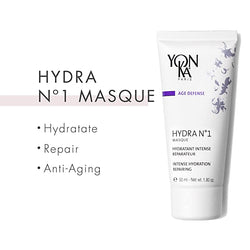
- Evening: Double cleanse if you are wearing makeup, starting with Lait Nettoyant. Mist with Lotion Yon-Ka. Apply Serum Omega to provide the skin with reparative lipids overnight. Apply your moisturizer or the Hydra N°1 Masque for an overnight hydration "bath."
- Weekly: Use Gommage Yon-Ka once or twice to gently remove surface flakiness without irritation.
"Skincare is not a chore; it is a moment of reconnection. When you apply your mist or cream, take a deep breath to inhale the aromatic essences. This simple act turns a routine into a ritual."
Conclusion
Fixing dry, flaky skin on the face requires a shift from aggressive "fixing" to gentle "nurturing." By respecting your skin's natural barrier, choosing botanical ingredients that provide both water and oil, and maintaining a consistent ritual, you can transform a rough, uncomfortable complexion into one that is radiant and resilient.
At Yon-Ka Paris, we remain dedicated to the belief that your skin deserves the highest quality plant-based care, backed by seven decades of French pharmaceutical rigor. Whether you are battling seasonal dryness or a lifelong dry skin type, the power of phyto-aromatic therapy offers a path to lasting comfort.
If you are unsure which products are the best fit for your unique skin concerns, we invite you to use our Product Matcher. These tools are designed to help you build a personalized ritual that brings out the best in your complexion. You can also explore our face masks collection for a more intensive hydration step.
FAQ
Why is my skin flaking even though I use moisturizer?
Flaking often occurs when the skin's barrier is too damaged to "hold" the moisturizer you apply, or when you are only providing water (hydration) without the oils (lipids) needed to seal it in. You may also have a buildup of dead skin cells that prevents your moisturizer from absorbing properly, in which case a gentle, grain-free exfoliant like Gommage Yon-Ka can help. Ensure you are applying products to slightly damp skin to maximize efficacy.
How often should I exfoliate dry, flaky skin?
When skin is dry and flaky, it is often sensitive and compromised, so you should limit exfoliation to once or twice a week. It is essential to use a non-abrasive, enzyme-based exfoliant rather than a harsh scrub, which can cause micro-tears and worsen the flakiness. Always follow exfoliation with a hydrating serum and a nourishing moisturizer to protect the newly revealed skin cells.
Can I fix dry skin overnight?
While you can significantly improve the look of dry skin overnight with an intensive treatment like the Hydra N°1 Masque, true "fixing" of the skin barrier takes time and consistency. Expect to see a noticeable increase in comfort and smoothness within a few days of starting a dedicated ritual, with more significant improvements in skin texture and resilience appearing after 28 days—the typical length of a full skin cell turnover cycle.
What ingredients should I avoid if my face is flaky?
If you are experiencing flakiness, avoid products containing denatured alcohol, high concentrations of synthetic fragrance, and harsh sulfates (like SLS), as these can further strip the skin's natural oils. You should also be cautious with strong active ingredients like high-strength retinoids or alpha-hydroxy acids (AHAs) until your skin barrier is restored. If you use these actives, always balance them with deeply hydrating and lipid-restoring products like Serum Omega.
Piel seca y deshidratada