Table of Contents
- Introduction
- The Science of Skin Renewal and Dryness
- Choosing the Best Exfoliant: Chemical vs. Physical
- Why Gommage is the Secret for Dry Skin
- Building a Phyto-Aromatic Exfoliation Ritual
- Key Ingredients to Look For
- The Importance of the Skin Barrier
- Common Myths About Exfoliating Dry Skin
- Safety and Best Practices
- Professional Spa Expertise
- Summary of the Dry Skin Exfoliation Routine
- Conclusion
- FAQ
Introduction
There is a certain effortless radiance that comes when the skin is perfectly smooth, hydrated, and light-reflective. However, when you are dealing with a dry complexion, that sought-after glow often feels hidden beneath a layer of dull, flaky, or tight-feeling skin. While the instinct may be to scrub away the roughness, dry skin requires a more sophisticated, gentle approach to reveal its natural beauty. At Yon-Ka Paris, we believe that exfoliation should be a revitalizing ritual that respects the skin’s delicate moisture barrier while encouraging cellular renewal. If you’re starting from a dry, depleted baseline, explore our Dry & Dehydrated Skin collection. In this article, we will explore the nuances of chemical and physical exfoliation, identify the best botanical ingredients for your skin type, and provide a step-by-step routine to help you achieve a soft, supple complexion. Understanding the proper techniques for your unique needs is the first step toward lasting skin health.
The Science of Skin Renewal and Dryness
To understand how to exfoliate dry skin on the face, we must first look at the skin’s natural biological processes. Our skin is a living organ that undergoes a constant cycle of renewal. Every 30 days or so, the epidermis (the outermost layer) sheds dead cells to make room for new, healthy cells rising from the layers beneath.
In a perfect scenario, these dead cells slough off invisibly during daily activities. However, for those with dry skin, this process often slows down or becomes inefficient. When the skin lacks sufficient lipids and moisture, dead cells can "cling" to the surface rather than shedding. This buildup creates a barrier that prevents your moisturizers from absorbing properly and leaves the complexion looking matte, grayish, or uneven. If you want a deeper look at what causes this imbalance, read our guide on why your face feels dry.
Exfoliation is the intentional process of assisting this shedding. By removing the accumulation of dead surface cells, you are not only smoothing the texture of your skin but also signaling to the deeper layers to speed up renewal. For dry skin, the goal is to perform this action without stripping the "intercellular cement"—the lipids that keep your skin barrier strong and resilient.
Choosing the Best Exfoliant: Chemical vs. Physical
The world of exfoliation is generally divided into two categories: chemical and physical. For a dry complexion, the choice between them—and the specific formulas used—can make the difference between a radiant glow and increased irritation.
Chemical Exfoliants
Despite the name, chemical exfoliants are often derived from natural sources like fruits, milk, or plants. They work by dissolving the "glue" that holds dead skin cells together, allowing them to be rinsed away without any abrasive rubbing.
- Alpha Hydroxy Acids (AHAs): These are water-soluble acids. Lactic acid, derived from milk or certain plants, is a favorite for dry skin because it is a humectant (a substance that helps the skin retain moisture) in addition to being an exfoliant. Glycolic acid, derived from sugarcane, has a smaller molecular size and provides a deeper exfoliation, which can be beneficial if used in controlled concentrations.
- Enzymes: These are perhaps the gentlest form of chemical exfoliation. Usually derived from pineapple (bromelain) or papaya (papain), enzymes "digest" the protein of dead skin cells on the surface. They do not increase cellular turnover as aggressively as AHAs, making them ideal for very sensitive or severely dry skin.
Physical Exfoliants
Physical, or manual, exfoliation involves using a tool or a textured formula to physically nudge dead skin away. While many people think of harsh "scrubs," modern physical exfoliation can be incredibly sophisticated.
- Grainless Gommage: This is a professional French technique that we champion. A product like Gommage Yon-Ka is applied as a cream and allowed to set slightly. As you gently "roll" it off with your fingertips, it lifts away dead skin and debris without the need for abrasive beads or seeds.
- Soft Tools: A very soft, damp washcloth or a natural sponge can provide a mild physical exfoliation when used in slow, circular motions.
Note: We strongly advise avoiding scrubs containing jagged particles like crushed nut shells or fruit pits. These can create microscopic tears in the skin barrier, leading to chronic dryness and sensitivity.
Why Gommage is the Secret for Dry Skin
For those searching for how to exfoliate dry skin on the face safely, the "gommage" method is often the missing piece of the puzzle. Traditional scrubs can be too aggressive for a dry barrier, potentially causing redness or "micro-inflammation."
A gommage, such as our Gommage Yon-Ka, serves as a 4-in-1 treatment. It exfoliates, clarifies, hydrates, and balances the skin. Because it is formulated with carob and lime essential oils, it provides a soothing, phyto-aromatic experience while the botanical glycerin helps maintain hydration levels. This grain-free approach ensures that you are never scratching the skin, but rather refining it through a gentle, botanical action.
Building a Phyto-Aromatic Exfoliation Ritual
At Yon-Ka, we view skincare as a layered ritual where each step prepares the skin for the next. To get the best results when exfoliating dry skin, follow this gentle, professional sequence:
Step 1: Gentle Cleansing
Never exfoliate "dirty" skin. Use a barrier-respecting cleanser like Lait Nettoyant. This milk-based cleanser removes makeup and impurities while depositing a layer of hydration. Rinse with lukewarm water—never hot, as heat can further dehydrate dry skin.
Step 2: The Essential Mist
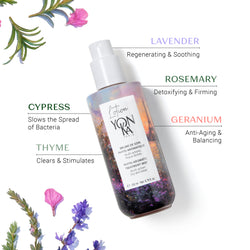
Prepare your skin with Lotion Yon-Ka PS. This is our signature phyto-aromatic mist, enriched with the Quintessence (lavender, geranium, rosemary, cypress, and thyme). For dry skin, the "PS" (Peaux Sèches) version provides an immediate boost of hydration and ensures the skin is receptive to the exfoliant.
Step 3: Targeted Exfoliation
Apply your chosen exfoliant. If using Gommage Yon-Ka, apply a thick layer to the face and neck. Let it sit for one to two minutes. Using your fingertips, gently support the skin with one hand while the other "peels" the product away in light strokes. This action is incredibly satisfying and reveals immediate softness.
Step 4: Intensive Hydration
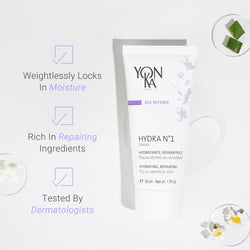
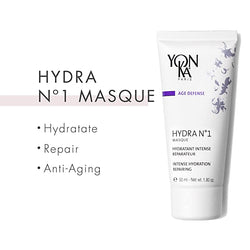
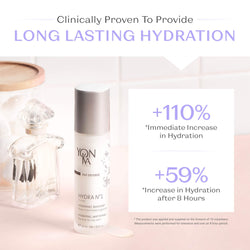
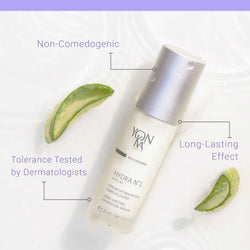
After exfoliating, your skin is primed to absorb active ingredients. This is the perfect time for a hydrating mask or a rich moisturizer. Try Hydra N°1 Masque for an overnight repair treatment, or finish with Hydra N°1 Crème for long-lasting comfort and protection.
Key Ingredients to Look For
When selecting products to support your exfoliation routine, look for ingredients that mimic the skin’s natural components or provide deep botanical nourishment. For a closer look at the plant-based approach behind our formulas, visit Our Ingredients.
- Hyaluronic Acid: A powerhouse molecule that can hold up to 1,000 times its weight in water. It helps "plump" the appearance of the skin from within.
- Ceramides: These are lipids (fats) that make up a large portion of the skin barrier. They help seal in moisture and protect against environmental stressors.
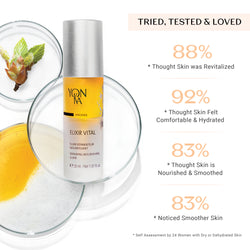
- Omega Fatty Acids: Found in Serum Omega, these are essential for repairing the lipid barrier of very dry or compromised skin.
- Vegetal Glycerin: A classic humectant that draws moisture from the air into the skin.
The Importance of the Skin Barrier
The "skin barrier," or stratum corneum, is your body’s first line of defense. It keeps moisture in and irritants out. When you have dry skin, this barrier is often already compromised. If you’re looking for targeted help beyond a single product, browse our serums and elixirs.
Over-exfoliation is a common mistake. If you exfoliate too frequently or use products that are too harsh, you can strip away the protective oils entirely. Signs that you have overdone it include:
- A "shiny" look to the skin that isn't oily (this is often a sign of thinning).
- Increased redness or a stinging sensation when applying your usual products.
- Sudden breakouts or "rough" patches that won't go away.
If you experience these, pause all exfoliation for at least two weeks and focus solely on barrier repair with nourishing creams and oils.
Common Myths About Exfoliating Dry Skin
There is a significant amount of misinformation regarding how to treat dry, flaky complexions. Let’s clarify a few common misconceptions.
Myth: If my skin is flaking, I should scrub it every day until the flakes are gone. Fact: Flaking is often a sign of a damaged barrier. Excessive scrubbing will likely cause more inflammation and more flaking. Instead, exfoliate once or twice a week with a gentle, non-abrasive formula and increase your hydration.
Myth: Chemical exfoliants like AHAs are too strong for dry skin. Fact: Certain AHAs, particularly lactic acid, are excellent for dry skin because they help increase the skin's natural ability to hold onto water. The key is the concentration and the formulation.
Myth: I don't need to exfoliate if my skin doesn't look "dirty." Fact: Exfoliation isn't just about cleaning; it’s about cellular communication. Even clear skin benefits from the increased turnover and better product absorption that a weekly exfoliation provides.
Safety and Best Practices
As with any professional-grade skincare routine, safety and mindfulness are paramount. Because many of our formulas contain a high concentration of active botanicals and essential oils, we recommend a few simple precautions:
- The Patch Test: Before applying a new exfoliant to your entire face, apply a small amount to your inner forearm and wait 24 hours to ensure no adverse reaction occurs.
- Introduction Period: Start by exfoliating just once a week. Observe how your skin feels over the next 48 hours. If your skin feels comfortable and soft, you may gradually increase to twice a week.
- Sun Protection: Exfoliation reveals fresh, "new" skin cells that are more susceptible to UV damage. Always apply a broad-spectrum sunscreen as the final step of your morning routine.
- Listen to Your Skin: A slight, brief tingling sensation can be normal when using essential oils or AHAs. However, if you experience persistent redness, itching, or burning, rinse the product off immediately and consult a professional.
If you have a chronic skin condition like rosacea, eczema, or psoriasis, or if you notice sudden, painful changes in your skin, we recommend consulting a dermatologist or physician before beginning an exfoliation program.
Professional Spa Expertise
While a home routine is the foundation of skin health, there is no substitute for the expertise of a trained aesthetician. At Yon-Ka, our roots are firmly planted in the professional spa world. Over 7,000 professionals globally trust our methods to deliver results that are both effective and sensorial. If you’d like help choosing the right in-spa or at-home path, use our Product Matcher.
A professional facial can provide a deeper level of exfoliation—such as a controlled chemical peel or a specialized gommage treatment—that is tailored precisely to your skin’s hydration levels and sensitivity. If you are unsure where to start or feel your dry skin needs a "reset," we encourage you to use our Spa Locator to find a certified partner near you.
Summary of the Dry Skin Exfoliation Routine
To recap, successful exfoliation for dry skin is about being gentle, consistent, and focused on hydration. For more ideas on what to pair with your routine, see best face moisturizers for dry, dehydrated skin.
Key Takeaway: Prioritize grainless exfoliants like Gommage Yon-Ka and hydrating AHAs like lactic acid. Always follow exfoliation with moisture-sealing ingredients like hyaluronic acid and ceramides to protect the newly revealed skin.
- Cleanse with a milky formula.
- Mist with a hydrating toner.
- Exfoliate once or twice weekly using a non-abrasive method.
- Treat with a hydrating serum or oil.
- Moisturize to lock in hydration and protect the barrier.
- Protect with SPF during the day.
Conclusion
Mastering how to exfoliate dry skin on the face is a journey of balance. By moving away from aggressive scrubbing and toward a ritualized, phyto-aromatic approach, you respect your skin’s natural rhythm while encouraging a brighter, smoother appearance. Whether you are using a gentle gommage or a mild AHA mask, the goal remains the same: to reveal the healthy, glowing skin that lies just beneath the surface. At Yon-Ka Paris, we remain dedicated to the fusion of science and nature, ensuring that every step of your skincare journey is as effective as it is luxurious.
"Skincare is not just a daily task; it is a moment of connection with yourself. When we treat our skin with botanical wisdom and gentle care, it rewards us with a radiance that comes from within."
For those who are ready to customize their routine further, we invite you to explore our face moisturizers collection and find the perfect botanical solutions for your unique needs. We also offer free US shipping on orders over $45 to help you begin your journey toward a more radiant complexion.
FAQ
How often should I exfoliate if I have very dry skin?
For most people with a dry complexion, exfoliating once or twice a week is sufficient. Exfoliating more frequently can disrupt the skin's natural moisture barrier, leading to increased sensitivity and further dryness. Always monitor your skin's reaction and reduce frequency if you notice redness or tightness.
Can I use a face scrub on dry, flaky skin?
We generally recommend avoiding traditional scrubs with large, abrasive particles (like nut shells or pits) as they can cause micro-tears in dry skin. Instead, opt for a grain-less gommage or a gentle chemical exfoliant that dissolves dead skin cells without the need for physical scrubbing.
Should I exfoliate in the morning or at night?
While you can do either, many prefer exfoliating at night because it allows the skin to recover and absorb nourishing night creams or masks without interruption. If you exfoliate in the morning, it is absolutely essential to apply a broad-spectrum sunscreen, as fresh skin is more sensitive to the sun.
Is lactic acid safe for dry skin?
Yes, lactic acid is one of the most recommended AHAs for dry skin. It is a larger molecule than glycolic acid, meaning it penetrates more slowly and gently. Additionally, lactic acid acts as a humectant, helping the skin to retain moisture while it removes dead surface cells.
Piel seca y deshidratada