Table of Contents
- Introduction
- Understanding the Causes of Dry Scaly Skin
- Distinguishing Between Dryness and Dehydration
- When Scaling May Require Medical Attention
- The Role of Gentle Exfoliation
- Essential Ingredients for Barrier Repair
- Building a Ritual for Scaly Skin
- The Importance of Nighttime Recovery
- Lifestyle Adjustments to Support Your Skin
- Professional Spa Treatments for Deep Repair
- A Note on Essential Oil Safety
- Conclusion
- FAQ
Introduction
Waking up to a complexion that feels tight, rough, or visibly flaky can be a frustrating way to start the day. That sandpaper-like texture and the appearance of dry, scaly patches often signal that your skin’s protective barrier is struggling to retain its vital moisture. While this common concern can make makeup application difficult and leave the skin feeling sensitive, it is a state that can be balanced with the right phyto-aromatic care. At Yon-Ka Paris, we believe that restoring your skin's natural radiance begins with understanding the biological needs of your barrier and responding with a consistent, plant-powered ritual. To see how that philosophy shapes our approach, explore our story. In this article, we will explore the underlying causes of facial scaling, the essential ingredients that support repair, and the specific steps you can take to transform a parched complexion into one that looks supple, smooth, and deeply hydrated.
Understanding the Causes of Dry Scaly Skin
When we talk about "curing" the appearance of dry, scaly skin, we must first look at what is happening beneath the surface. The skin on our face is thinner and more exposed than the skin on our bodies, making it particularly vulnerable to environmental and internal shifts. Scaling, or desquamation, occurs when the outer layer of the skin—the epidermis—sheds dead cells prematurely or unevenly.
In a healthy state, your skin naturally renews itself every 28 to 30 days. However, when the skin barrier (often called the acid mantle) is compromised, this process is disrupted. This barrier is a delicate film of lipids and moisture that keeps hydration in and irritants out. When it is weakened, moisture evaporates through a process called Trans-Epidermal Water Loss (TEWL), leaving the skin cells to shrivel, clump together, and flake off.
Several factors can trigger this cycle:
- Environmental Aggressors: Low humidity in the winter, harsh winds, and indoor heating can strip the moisture right out of your pores.
- Lifestyle Habits: Long, hot showers might feel relaxing, but they melt away the natural oils your skin needs to stay smooth.
- Aging: As we mature, our sebaceous glands produce less oil, and the skin’s ability to hold onto water naturally declines.
- Abrasive Products: Using soaps with harsh sulfates or over-exfoliating with gritty scrubs can create micro-tears and chronic dryness.
Distinguishing Between Dryness and Dehydration
It is a common misconception that dry skin and dehydrated skin are the same thing. Understanding the difference is critical when determining how to cure dry scaly skin on the face effectively. If you want a quick way to confirm what your skin needs, start with the Skin Diagnosis quiz.
Dry skin is a skin type. It means your skin naturally lacks oil (lipids). People with dry skin often have small pores and a complexion that feels tight all over. Because there isn't enough oil to "glue" the skin cells together, they often flake off in small, fine scales.
Dehydrated skin is a temporary condition. It means your skin lacks water. Even oily skin types can become dehydrated. When skin is dehydrated, it may look dull, show fine lines more prominently, and feel "tight" even if there is oil on the surface. Scaling in this case usually looks like crepey, thin flakes.
Many people experiencing scaly patches are dealing with both: a lack of oil to protect the surface and a lack of water to plump the cells. Our approach focuses on addressing both needs through layered, aromatic hydration, including products in our Dry & Dehydrated Skin collection.
When Scaling May Require Medical Attention
While many cases of flakiness can be managed with a dedicated skincare ritual, some scaly patches are symptoms of underlying medical conditions. If your skin is persistently red, itchy, inflamed, or if the scales are thick and silvery, it is important to consult a dermatologist or physician for a formal diagnosis.
Common conditions that present as scaly skin include:
- Eczema (Atopic Dermatitis): Characterized by intense itching and red, rough patches.
- Psoriasis: Often appears as thick, silvery-white scales on top of red, inflamed skin.
- Seborrheic Dermatitis: This often affects oily areas like the sides of the nose, eyebrows, and hairline, presenting as yellow or white oily scales.
- Actinic Keratosis: These are rough, crusty patches caused by years of sun exposure. Because they can sometimes be precancerous, they should always be examined by a professional.
Note: If you experience sudden swelling, oozing, or skin that is hot to the touch, please seek medical care immediately, as these can be signs of infection or an acute allergic reaction.
The Role of Gentle Exfoliation
It may seem counterintuitive to exfoliate skin that is already flaking, but gentle exfoliation is actually a vital step in smoothing the texture of scaly skin. The key word here is gentle. When dead skin cells accumulate on the surface, they form a barrier that prevents your moisturizers and serums from penetrating effectively.
Avoid mechanical scrubs with large, jagged particles like crushed shells or pits, as these can aggravate the "scales" and cause more redness. Instead, look for biological or grain-free exfoliators like Gommage Yon-Ka, a botanical approach that helps lift away dead cells without abrasive friction.
Essential Ingredients for Barrier Repair
To truly transform the appearance of scaly skin, you need ingredients that mimic the skin’s natural composition. We prioritize plant-based actives that offer both immediate comfort and long-term support. To learn more about what goes into our formulas, visit our ingredients page.
Humectants: The Water-Binders
Humectants are ingredients that act like magnets, drawing moisture from the air and into the skin.
- Hyaluronic Acid: A gold-standard humectant that can hold up to 1,000 times its weight in water. It helps to immediately "plump" the appearance of the skin, smoothing out dry lines.
- Glycerin: A simple but incredibly effective ingredient that helps maintain the skin’s moisture balance.
Emollients and Lipids: The Sealants
Once the water is in the skin, you must seal it there.
- Phytosterols and Plant Oils: Oils like jojoba, hazelnut, and sacha inchi are rich in essential fatty acids (Omegas 3, 6, and 9). These help repair the lipid barrier and "glue" the skin cells back into a smooth, flat position.
- Shea Butter: Known for its intense nourishing properties, it provides a protective "cocoon" for very dry or mature skin.
The Power of the Quintessence
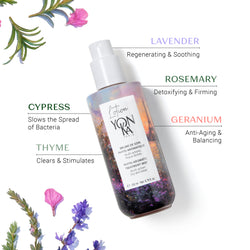
At the heart of our formulas is the Yon-Ka Quintessence—a unique blend of five essential oils: lavender, geranium, rosemary, cypress, and thyme. This 100% natural complex doesn't just provide a signature aromatic experience; it also helps to revitalize and soothe the skin’s appearance.
Building a Ritual for Scaly Skin
Managing dry, scaly skin isn't about a single "hero" product; it's about a consistent sequence of steps that protect and nourish the skin barrier. Here is the recommended ritual to bring comfort and smoothness back to your face.
Step 1: Gentle Cleansing
The first rule of scaly skin is to never use a cleanser that leaves your face feeling "squeaky clean." That feeling is actually the sound of your barrier being stripped. Instead, use a creamy, milk-based cleanser like Lait Nettoyant. This gentle milk removes impurities and makeup while respecting the skin’s hydrolipidic film.
Bottom line: Always wash with lukewarm water. Hot water is a primary culprit for worsening facial scaling.
Step 2: Prepare and Hydrate
After cleansing, your skin is like a dry sponge. If you put thick cream on a dry sponge, it just sits on top. If the sponge is slightly damp, the cream absorbs beautifully. This is why we use Lotion Yon-Ka PS. This phyto-aromatic mist, which is alcohol-free, drenches the skin in hydration and prepares it to receive the active ingredients in your serums.
Step 3: Target with a Lipid-Rich Serum
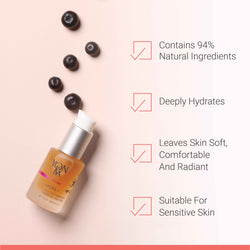
For scaly skin, we often recommend an "oil-in-serum" approach. Our Serum Omega is specifically designed for skin in distress. It is rich in essential fatty acids that help to immediately soothe the feeling of tightness and repair the appearance of flaky patches. Applying a few drops of this nutrient-dense oil under your moisturizer provides an extra layer of protection.
Step 4: Intensive Moisturizing
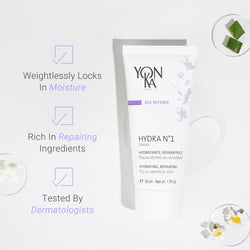
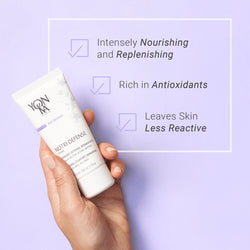
Choose a cream that offers multi-level hydration. The Hydra N°1 Creme is an excellent choice for very dry, scaly skin. It contains two types of hyaluronic acid along with repairing ingredients like hazelnut oil and shea butter. This combination ensures that the skin is both hydrated and nourished throughout the day.
Step 5: Protect
Even in the winter, UV rays can damage the skin barrier and lead to further dryness. Always apply a broad-spectrum sunscreen as the final step in your morning routine. Look for formulas that include antioxidants to shield the skin from environmental pollutants as well.
The Importance of Nighttime Recovery
While you sleep, your skin goes into "repair mode," making it the ideal time to treat scaly patches. Nighttime is when the skin’s permeability is at its highest, meaning it is more receptive to rich, active ingredients.
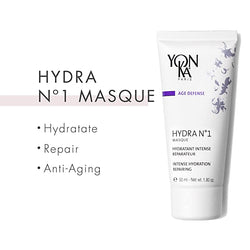
If your skin is particularly scaly, consider using a sleeping mask once or twice a week. Hydra N°1 Masque can be applied in a thin layer and left on overnight. This provides a prolonged "bath" of moisture that can significantly reduce the look of flakes by morning. For more ideas on choosing the right mask, see our hydrating mask guide. By the time you wake up, the botanical extracts and vitamins have had hours to deeply comfort and replenish the complexion.
Lifestyle Adjustments to Support Your Skin
Skincare is only one piece of the puzzle. To truly address the question of how to cure dry scaly skin on the face, you must also look at your daily environment and habits.
- Manage Your Air: Indoor heating is incredibly drying. Placing a humidifier in your bedroom can add much-needed moisture back into the air, preventing your skin from "leaking" hydration while you sleep.
- Stay Hydrated from Within: While drinking water doesn't directly hydrate the outer layers of the skin, chronic dehydration can affect your skin’s overall resilience. Aim for consistent water intake throughout the day.
- Dietary Fats: Incorporating healthy fats into your diet—such as avocados, walnuts, and fatty fish—provides the building blocks your body needs to produce its own natural skin oils.
- Towel Care: Never "scrub" your face dry with a towel. This mechanical friction can lift the edges of dry skin cells, making scaling look worse. Instead, gently pat the skin until it is just barely damp before applying your Lotion Yon-Ka.
Professional Spa Treatments for Deep Repair
Sometimes, at-home care needs a professional boost. Our heritage is rooted in the professional spa world, and there is no substitute for the expertise of a trained esthetician. A professional hydration treatment can involve techniques like aromatic steaming, deep-reaching masks, and specialized massages that improve circulation and product absorption. To find a treatment experience near you, use our Spa Locator.
If your scaly skin feels unmanageable, we encourage you to use a Yon-Ka professional near you. A "Grand Classique" or a "Hydralessence" facial can provide the intensive, professional-grade reset your skin needs to get back on track.
Key Takeaway: Scaly skin is a sign of a compromised barrier. Repairing it requires a "double-duty" approach: attracting water with humectants and sealing it in with plant-based lipids.
A Note on Essential Oil Safety
Because our formulas are rich in active essential oils and botanical extracts, we always recommend a mindful approach when introducing new products to a sensitive, scaly complexion.
- Perform a Patch Test: Apply a small amount of the product to your inner forearm and wait 24 hours to ensure no sensitivity occurs.
- Introduce Slowly: Start with one new product at a time so you can monitor how your skin responds.
- Sensations: A slight tingling can sometimes occur with active botanical ingredients, but if you experience persistent redness, itching, or heat, reduce the frequency of use or discontinue the product.
Conclusion
Overcoming the appearance of dry, scaly skin on the face is a journey of patience and consistent nourishment. By moving away from harsh "hacks" and embracing a ritual that respects the skin’s biological barrier, you can restore the smooth, radiant texture you desire. Remember to prioritize gentle cleansing, layered hydration, and the protective power of plant-based lipids.
At Yon-Ka Paris, our mission is to provide you with the professional-grade tools to care for your skin at home, drawing on over 70 years of phyto-aromatic expertise. If you are unsure which products are right for your specific needs, we invite you to use our Skin Diagnosis quiz or the Product Matcher on our website for a personalized recommendation. With the right care and the power of nature on your side, a soft, supple complexion is well within reach.
FAQ
How long does it take for scaly skin on the face to clear up?
With a consistent routine of gentle cleansing and deep hydration, you may see an improvement in the appearance of flakes within 5 to 7 days. However, because the skin renewal cycle takes about a month, it often takes 4 weeks of consistent care to fully restore the skin's smooth texture and barrier function.
Can I use a face scrub on my dry scaly patches?
It is best to avoid physical scrubs with abrasive grains, as they can cause micro-tears and further irritate the skin. Instead, opt for a grain-free exfoliator like Gommage Yon-Ka, which helps gently remove buildup without harsh scrubbing.
Why does my skin still look scaly even after I apply moisturizer?
If the dead skin cells have already built up into a thick layer, your moisturizer may just be sitting on top of the "scales" rather than soaking in. Gently exfoliating first and then layering a hydrating mist like Lotion Yon-Ka PS before your cream will help the moisture penetrate more effectively.
Is scaly skin on the face a sign of aging?
While scaling can happen at any age, it is more common as we mature because our skin naturally produces less oil and its ability to retain moisture decreases. Using products from our Dry & Dehydrated Skin collection can help address both the signs of aging and the chronic dryness that leads to a scaly appearance.
Piel seca y deshidratada